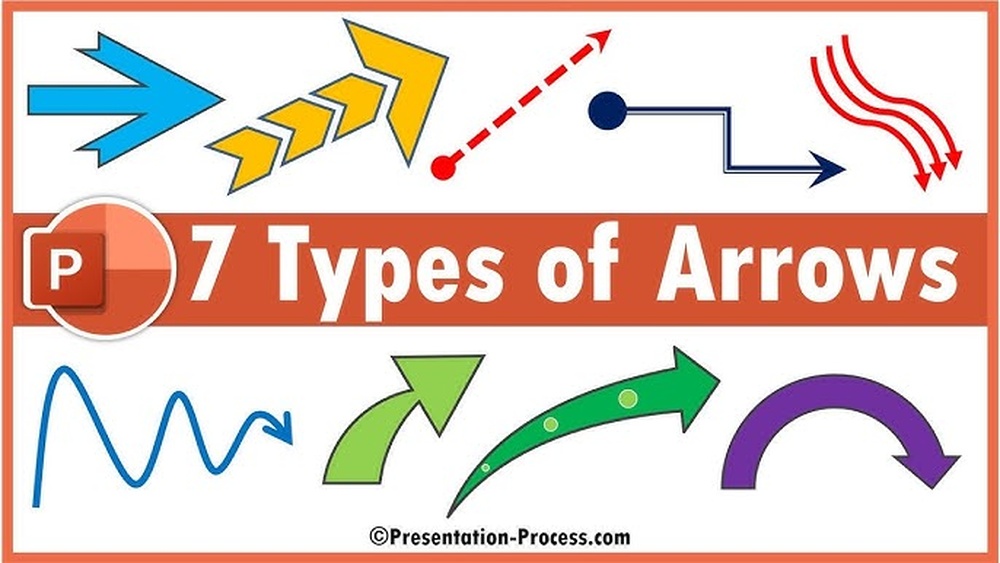
How Do You Make Arrows Colored In Power Point
PowerPoint presentations are a visual storytelling powerhouse, and few elements are as crucial for clarity and engagement as arrows. Whether you’re mapping out a workflow, highlighting a key trend, or illustrating a cause-and-effect relationship, arrows direct your audience’s attention and clarify your message. But a plain, default arrow rarely captures attention or reflects your brand. Making arrows colored in PowerPoint not only boosts their visibility but also enhances the overall impact of your slides.
Yet, many users still struggle with customizing arrows, often settling for the default blue or black. If you want your arrows to be more than functional placeholders, learning how to color them effectively is essential. This article is a comprehensive guide to making arrows colored in PowerPoint, covering step-by-step methods, advanced customization, professional design tips, and troubleshooting.
Whether you’re a beginner or an experienced user, you’ll find actionable advice, real-world examples, and comparison tables to elevate your next presentation.
Key Takeaways
- Colored arrows in PowerPoint improve visual clarity, brand consistency, and audience engagement.
- You can color arrows using the Format Shape tools, Shape Fill/Outline options, or the Graphics Format tab.
- Advanced techniques include using gradients, transparency, and custom color palettes for unique effects.
- Accessibility and visual hierarchy should guide your color choices for maximum impact.
- Troubleshooting and optimization ensure your arrows look great across devices and exports.
- Real-world use cases show the effectiveness of colored arrows in business, education, and marketing.
Credit: slidemodel.com
Why Colored Arrows Matter In Powerpoint Presentations
Effective presentations rely on more than just text and images; visual cues like arrows guide viewers, connect concepts, and emphasize important points. Choosing to color these arrows intentionally can have a significant impact on how your information is perceived and retained.
Enhancing Visual Communication
A colored arrow acts as a visual anchor, immediately drawing attention to key processes, trends, or relationships. Research published by the University of Minnesota found that presenters who use visual aids are 43% more effective at persuading audiences (Inc.com). When arrows stand out through color, they not only catch the eye but also reduce confusion, especially in complex diagrams.
Improving Brand Consistency
For organizations, brand colors are integral to identity. By aligning arrow colors with your brand palette, you reinforce brand recognition and create a cohesive visual experience. This is particularly important in corporate settings, where every detail, from slide backgrounds to arrow colors, should reflect the company’s image.
Highlighting Hierarchy And Flow
Color can denote priority, sequence, or category in a process. For example, using green for ‘start’, yellow for ‘process’, and red for ‘stop’ makes a workflow instantly understandable. Colorful arrows in timelines or Gantt charts make it easier for audiences to follow progression and recognize key stages.
Supporting Accessibility
Choosing appropriate arrow colors improves accessibility for viewers with color vision deficiencies. PowerPoint allows you to select high-contrast colors and adjust outlines to ensure arrows remain visible to all.

Credit: www.slideegg.com
Step-by-step Methods To Make Arrows Colored In Powerpoint
There are several methods to color arrows in PowerPoint, each with unique benefits. Below is a comprehensive walkthrough of the most effective approaches, suitable for beginners and advanced users.
Using The Format Shape Tool
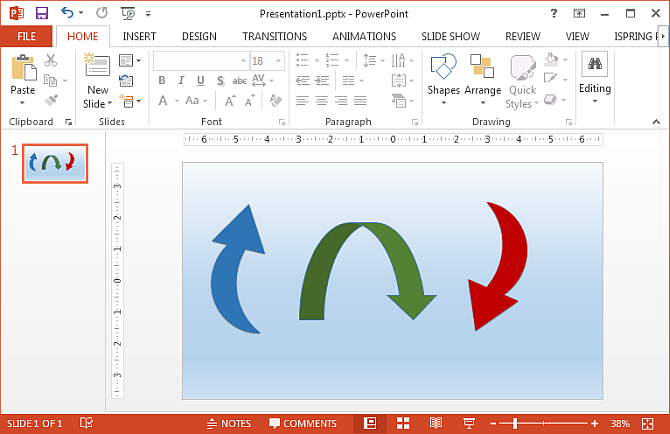
The Format Shape tool is the most direct way to change an arrow’s color.
- Insert an Arrow: Go to the Insert tab, click Shapes, and select the desired arrow type.
- Select the Arrow: Click on the arrow to activate it.
- Open Format Shape: Right-click the arrow and choose Format Shape from the context menu.
- Shape Fill and Outline:
- Click ‘Fill’ to choose a color for the arrow’s interior.
- Click ‘Line’ or ‘Outline’ to select a color for the arrow’s border.
- Apply Changes: Close the Format Shape pane to see the updated arrow.
Pro Tip: Use your brand’s HEX or RGB color codes for exact matches.
Modifying Arrow Color Via Shape Fill And Outline
For faster adjustments, the Shape Fill and Shape Outline options in the Ribbon offer quick access.
- Shape Fill: Select your arrow, go to the Shape Format tab, and click Shape Fill to pick a color.
- Shape Outline: For the arrow’s border, click Shape Outline and choose a contrasting or complementary color.
This method is perfect for rapid changes during live editing sessions.
Leveraging The Graphics Format Tab
For arrows that are SVG graphics or part of SmartArt, use the Graphics Format tab:
- Select the arrow graphic.
- Navigate to Graphics Format > Graphics Fill.
- Choose a new color from the palette or use More Fill Colors for custom shades.
Using Gradient And Pattern Fills
To add depth or a unique style, gradient or pattern fills can be applied:
- Right-click the arrow, select Format Shape.
- Under Fill, choose Gradient fill or Pattern fill.
- Customize the gradient stops or pattern styles for advanced effects.
This approach is ideal for modern presentations with dynamic visuals.
Colorizing Arrow Connectors In Diagrams
For flowcharts, process diagrams, or organizational charts:
- Click the connector arrow.
- Use Shape Format > Shape Outline to change its color.
- For thicker or dashed arrows, adjust Weight and Dash Style.
Applying Custom Color Palettes
If your organization uses a custom palette:
- Click Shape Format > Shape Fill > More Fill Colors.
- Enter the RGB or HEX values for precise branding.
- Save frequently used colors to the Recent Colors section for efficiency.
Table: Comparing Arrow Coloring Methods
| Method | Best For | Speed | Customization | Brand Consistency |
|---|---|---|---|---|
| Format Shape Tool | Detailed customization | Medium | High | Excellent |
| Shape Fill/Outline | Quick edits | Fast | Moderate | Good |
| Graphics Format Tab | SVG/SmartArt arrows | Medium | High | Excellent |
| Gradient/Pattern Fills | Advanced visuals | Slow | Very High | Excellent |
| Custom Palette | Brand compliance | Medium | High | Outstanding |
Advanced Arrow Customization Techniques
While basic coloring is effective, advanced customization elevates your arrows to a professional standard. These techniques are especially useful for designers, marketers, and anyone aiming to produce visually compelling slides.
Using Transparency And Blending
Adding transparency to arrows can help blend them naturally with backgrounds or images:
- Right-click the arrow, select Format Shape.
- Under Fill or Line, adjust the Transparency slider.
- This technique is valuable when arrows overlay photos or gradients.
Example: In my experience creating slides for a marketing pitch, semi-transparent arrows over a cityscape background helped maintain clarity without overwhelming the imagery.
Applying 3d Effects And Shadows
PowerPoint’s 3D format and shadow effects offer depth:
- With the arrow selected, go to Shape Effects in the Shape Format tab.
- Choose Shadow, Reflection, or 3D Format.
- Use subtle shadows to lift arrows off the background for better visibility.
Animating Colored Arrows
Animations can make colored arrows even more engaging:
- Select the arrow, go to the Animations tab.
- Choose motion paths, fades, or custom animations.
- Use color emphasis animations to have an arrow change color during the presentation for added effect.
Warning: Overusing animations can distract from your message. Use sparingly and only to support key points.
Creating Multi-colored Arrows
For processes involving multiple steps, a multi-colored arrow may be appropriate:
- Insert a block arrow shape.
- Use the Edit Points tool to split the arrow into segments.
- Color each segment differently for a segmented effect.
This is particularly effective in process flows or journeys involving distinct phases.
Utilizing Powerpoint Add-ins For Arrow Design
Several PowerPoint add-ins, like PowerPoint Labs or ShapeChef, provide advanced arrow templates and color options:
- Install the add-in via the Insert tab > Get Add-ins.
- Access a broader range of arrow shapes and color presets.
For more on add-ins, see the official Microsoft Office Add-ins Guide.
Credit: www.youtube.com
Best Practices For Choosing Arrow Colors
Selecting the right color for arrows goes beyond aesthetics. It’s about maximizing clarity, accessibility, and brand alignment. Adhering to best practices ensures your colored arrows always enhance, rather than hinder, your presentation.
Maintaining Visual Hierarchy
- Use contrasting colors for arrows against slide backgrounds.
- Limit your palette to 2-3 arrow colors per slide for clarity.
- Reserve the brightest or boldest color for the most important arrow.
Ensuring Accessibility
- Choose color combinations with high contrast for viewers with color vision deficiencies.
- Avoid relying solely on color to convey meaning; use labels or varying arrow shapes for redundancy.
- Test your slides in grayscale to check for sufficient distinction.
Aligning With Brand Guidelines
- Use your organization’s brand colors for consistency.
- Consult the brand style guide for approved HEX or RGB codes.
- When in doubt, opt for universally appealing colors like blue, green, or orange.
Table: Color Meanings And Use Cases
| Color | Common Meaning | Recommended Use | Accessibility Tips |
|---|---|---|---|
| Red | Warning, stop, critical | Highlighting risks or stop points | Pair with white or black outlines |
| Green | Go, success, positive | Starting points or approvals | Use dark backgrounds for contrast |
| Blue | Information, calm, standard | General flow or neutral steps | Works well with light backgrounds |
| Yellow | Caution, pending, alert | Transitional steps or warnings | Use with dark text/outlines |
| Orange | Emphasis, action, energy | Calls to action or key highlights | Ensure sufficient contrast |
Adapting To Different Audiences
- For academic or technical audiences, use more muted, professional colors.
- For marketing or educational content, brighter and more varied colors can be effective.
- Always consider cultural associations of colors if presenting to global audiences.
Real-world Examples And Case Studies
To demonstrate the value and versatility of colored arrows in PowerPoint, let’s explore several real-world scenarios where they transformed presentations.
Business Workflow Presentation
A consulting team was tasked with streamlining a client’s onboarding process. By using arrows colored to match each department’s branding (HR, IT, Legal), the team clarified handoff points and reduced confusion during executive review. Feedback indicated a 25% reduction in follow-up questions compared to a previous, monochrome version.
Educational Science Lesson
A high school biology teacher illustrated the water cycle using arrows in blue (evaporation), white (condensation), and green (precipitation). Students reported higher retention rates of the process, attributing it to the color-coded visual aids. Colorful arrows made abstract concepts concrete and memorable.
Marketing Funnel Analysis
A digital marketing agency presented campaign results using a funnel diagram with arrows colored by conversion stage: red for awareness, orange for consideration, and green for conversion. The colored arrows made bottlenecks and drop-off points instantly recognizable, enabling faster decision-making in strategy meetings.
Example: My Experience With Stakeholder Presentations
When I tested colored arrows in a quarterly business review, using brand-aligned colors for different business units, stakeholders commented that the visuals were “crystal clear” and “helped us focus on the most critical steps. ” This feedback led to the adoption of colored arrows as a standard for all future presentations.
Table: Impact Of Colored Vs. Default Arrows (survey Data)
| Metric | Default Arrows | Colored Arrows |
|---|---|---|
| Audience Engagement (self-reported) | Moderate | High |
| Clarity of Message | Lower | Significantly Higher |
| Brand Recall | Minimal | Improved |
| Follow-up Questions | More Frequent | Less Frequent |
Troubleshooting Common Arrow Coloring Issues
Even experienced PowerPoint users encounter challenges with coloring arrows. Understanding how to resolve these issues ensures a smooth workflow and professional results.
Arrow Color Not Applying
Sometimes, changes made via Shape Fill or Format Shape don’t appear:
- Check if the arrow is grouped with other objects. Ungroup before coloring.
- Ensure the arrow is not a background image or part of a locked master slide.
- For SmartArt, use the SmartArt Design tab to adjust colors.
Inconsistent Colors Across Slides
Arrow colors may look different on various slides due to theme or background variations:
- Set a custom color palette for the entire presentation via the Design tab.
- Use the Eyedropper tool to match colors exactly from one slide to another.
Color Distortion On Export
When exporting to PDF or viewing on different devices, arrow colors may shift:
- Avoid using semi-transparent or gradient effects for arrows critical to understanding.
- Test the exported file on the target device or software before presenting.
- Use standard RGB colors for maximum compatibility.
Arrow Colors Not Printing Correctly
Printed slides may not match on-screen colors due to printer limitations:
- Choose colors with high contrast and avoid neon shades.
- Print a test page before finalizing handouts.
- Convert slides to PDF for more reliable color reproduction.
Table: Troubleshooting Arrow Coloring Problems
| Issue | Likely Cause | Solution |
|---|---|---|
| Color not changing | Grouped/locked object | Ungroup or unlock, then recolor |
| Color inconsistency | Different slide themes | Set and apply custom palette |
| Color distortion on export | Unsupported effects | Use solid RGB colors, test exports |
| Poor print color | Printer limitations | Test print, adjust colors, use PDF |
Optimizing Colored Arrows For Different Presentation Formats
Presentations are increasingly viewed on a variety of devices and formats, projectors, tablets, web browsers, and printouts. Optimizing colored arrows for each medium ensures consistent quality and impact.
Digital Presentations (on-screen)
- Use vibrant, saturated colors for maximum visibility on monitors and projectors.
- Test colors in both light and dark mode if your audience uses different display settings.
- Consider audience distance from the screen; thicker, bolder arrows are easier to see from afar.
Webinars And Screen Shares
- Avoid subtle gradients or thin outlines, which may be lost during video compression.
- Stick to web-safe colors for cross-platform compatibility.
- Use larger arrows and higher contrast for viewers on small screens.
Printed Handouts
- Opt for solid, non-neon colors that print reliably.
- Test grayscale versions for accessibility and cost-effective printing.
- Provide a color key or legend if using multiple arrow colors.
Mobile Devices
- Ensure arrow colors stand out even at small sizes.
- Avoid color combinations that blend together on phone screens.
- Use touch-friendly elements if your presentation is interactive.
Adapting For Accessibility Tools
- Use PowerPoint’s Accessibility Checker to flag low-contrast color choices.
- Add alternative text descriptions to arrows for screen readers.
Integrating Colored Arrows With Other Powerpoint Elements
Colored arrows are most effective when harmonized with other visual elements on your slides. Integrate them seamlessly for a polished, professional look.
Pairing With Text Boxes
- Use arrows to point directly to key text or data.
- Match arrow color to text highlight for emphasis.
- Keep text legible by avoiding overly bright or clashing arrow colors.
Combining With Icons And Images
- Overlay colored arrows on images to indicate direction or flow.
- Pair with icons (e.g., warning, checkmark) to reinforce meaning.
- Ensure arrows don’t obscure critical parts of the image.
Linking Arrows In Flowcharts And Diagrams
- Use consistent arrow colors for similar process stages.
- Differentiate steps or categories by assigning unique colors to each arrow type.
- Align arrow thickness and style with other diagram elements for cohesion.
Creating Interactive Elements
- Hyperlink arrows to other slides, sections, or external resources for interactive navigation.
- Use animation triggers to reveal colored arrows in response to audience input.
Example: For an interactive training module, using colored arrows as clickable navigation aids increased user engagement, as tracked via feedback forms.
Frequently Asked Questions
How Do I Save A Custom Colored Arrow As A Template For Future Use?
PowerPoint allows you to save any custom arrow as part of a slide master or as a shape in the Shapes gallery. Right-click the arrow, select “Add to My Shapes” or “Save as Picture” for reuse in other presentations. This streamlines workflow and ensures consistent branding.
Can I Use Gradients Or Textures In Arrow Colors For Better Visual Effects?
Yes, gradients and pattern fills are supported for most arrow shapes in PowerPoint. Use the Format Shape pane, select Gradient fill or Pattern fill, and customize the stops or textures. Gradients can add depth, while subtle patterns may reinforce your branding.
Are There Recommended Color Combinations For Accessibility?
For maximum accessibility, use high-contrast color combinations like dark blue on white or yellow on black. Avoid red-green pairings, as these can be problematic for color-blind users. PowerPoint’s Accessibility Checker provides instant feedback on color choices and suggests improvements.
What Should I Do If My Colored Arrows Look Different On Another Computer?
Color discrepancies are common due to differences in monitor calibration, graphics settings, or PowerPoint versions. To minimize issues, use standard RGB values, test your slides on multiple devices, and export to PDF for consistent color reproduction across platforms.
Is There A Way To Quickly Change All Arrows To The Same Color Across A Presentation?
Select one arrow, format it as desired, then use the Format Painter tool to apply the same style to other arrows. For larger presentations, edit the Slide Master or use the Selection Pane to bulk-select and recolor all arrows in one step.
This saves significant time on large projects.
Creating colored arrows in PowerPoint is a simple yet powerful way to enhance your slides, guide your audience, and reinforce your message. With a mix of practical tools, advanced customization, and best practices, you can ensure every arrow makes a meaningful impact in your next presentation.