How to Build a Wood Arrow: Port Orford Cedar Guide
Port Orford Cedar is the wood most beginners should start with for building arrows, thanks to its straight grain and forgiving nature compared to pine or fir. Cut your shaft to your draw length plus 1-2 inches, since going too short leaves no room for error and too long adds unwanted weight. This guide covers choosing and cutting the shaft, adding points and fletching, and the finishing steps that seal the wood against moisture.
There’s a special kind of satisfaction that comes from shooting an arrow you made yourself. Crafting your own wooden arrows is achievable, even for beginners. With clear instructions, you can learn to select the right wood, shape it, and add the finishing touches that turn a simple piece of wood into a precision projectile.
Why Build Your Own Wood Arrows?
Creating your own wood arrows offers a unique connection to the sport of archery. It’s not just about saving money, though that can be a perk. It’s about understanding the craft, honing a valuable skill, and experiencing the fulfillment of using something you’ve personally made. For beginners, this hands-on approach demystifies the equipment, giving you a deeper appreciation for how arrows work and fly. Plus, when your homemade arrow hits the target, the pride you feel is immense. It’s a tangible reminder of your progress and dedication to archery.
The Joys of Craftsmanship
- Deeper Connection to Archery: Understanding how an arrow is constructed helps you better appreciate its flight dynamics and adjust your shooting technique.
- Skill Development: You’ll learn woodworking basics, patience, and attention to detail – skills transferable to many areas of life.
- Customization: Design arrows that perfectly match your bow, draw length, and aesthetic preferences.
- Cost-Effectiveness: Over time, making your own arrows can be more economical than purchasing pre-made ones.
- Sense of Accomplishment: The satisfaction of shooting an arrow you personally crafted is unmatched.

Gathering Your Materials and Tools
Before you begin the woodworking, you need to gather all the necessary components and tools. Having everything ready will make the building process much smoother and more enjoyable. Think of this as preparing your workspace for success!
Essential Materials
- Wood Shafts: This is the core of your arrow. For beginners, a strong, straight wood like Port Orford Cedar is highly recommended due to its good weight, straight grain, and forgiving nature. Pine or Fir can also be used, but they are generally lighter and more prone to damage. Ensure the shafts are consistent in diameter, straightness, and weight. You can purchase pre-spined and straightened shafts from archery suppliers.
- Arrow Points (Field Points): These are the tips of your arrows. For practice, simple field points are ideal. Ensure they match the diameter of your arrow shafts. They usually come with a tenon that fits into the shaft.
- Nocks: These are small pieces that attach to the nock end of the shaft and hold the bowstring. You can get traditional glue-on nocks or modern component nocks that require a shaft insert. For wooden arrows, glue-on nocks are most common.
- Fletching: These are the feathers or plastic veins that stabilize the arrow in flight. For wooden arrows, natural feathers (turkey feathers are common) are the traditional choice. You’ll need three for each arrow.
- Glue: You’ll need a strong adhesive. A good wood glue or a specialized arrow-making glue is essential for attaching points, nocks, and fletching. CA glue (super glue) is often used for quick bonding, especially fletching.
- Finishing Supplies: This can include sanding sealer, wood sealant, or varnish, along with fine-grit sandpaper. This protects the wood and gives it a smooth, professional finish.
Best Cedar Arrow Shafts Pick
Port Orford Cedar Shafts (12-Pack) – $77.14
This guide names Port Orford Cedar as the top beginner wood for its straight grain and forgiving nature — this is bare, pre-spined stock ready to cut to length.
- Best for: beginners this guide says should start with Port Orford Cedar over pine or fir
- Why we picked it: pre-spined and consistent diameter, skipping the wood-selection guesswork
- Main drawback: still needs cutting to your exact draw length plus 1-2 inches
Compare more wood arrow building supplies
 Option 1 Turkey Feathers (25-Pack) – $11.50
|  Option 2 Arrow Squaring Tool – $12.90
|  Option 3 Instant Fletching Glue – $6.99
|
As an Amazon Associate we earn from qualifying purchases.
Essential Tools
- Arrow Saw or Fine-Tooth Saw: To cut shafts to length accurately.
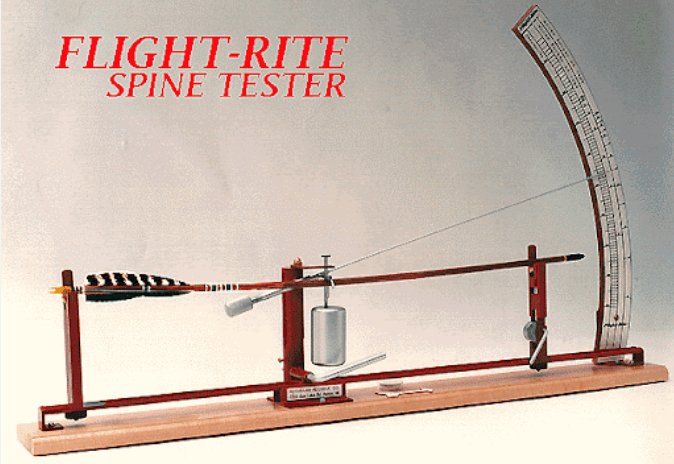
- Shaft Straightener: A tool to gently correct minor bends in wooden shafts.
- Feather Stripper/Cutter: If you’re using full feathers and want to cut them, this is useful.
- Fletching Jig: This is crucial for attaching feathers or vanes evenly and at the correct angle. There are many types, from simple to advanced, but a basic one will do for beginners.
- Sandpaper: Various grits, from coarse (around 120-180) for initial shaping to fine (220-400) for finishing.
- Measuring Tape or Ruler: For precise measurement of arrow length.
- Pencil: For marking.
- Vise or Clamps: To hold shafts steady while working.
- Small Drum Sander or Sanding Block: To create a consistent nock taper and point taper on your shafts.
- Protective Eyewear: Always wear safety glasses when sawing, sanding, or working with glues.
Step-by-Step Guide to Building Your Wood Arrow
Let’s get building! This section breaks down the process into manageable steps. Remember, patience and precision are your best friends here.
Step 1: Prepare Your Shafts
Your journey begins with the wood shaft. Most shafts you buy will be pre-straightened and spined, but it’s wise to double-check.
- Inspect for Straightness: Roll each shaft on a flat surface or use a shaft straightener. Look for any visible bends or imperfections. Minor bends can often be corrected with a shaft straightener (heat and gentle pressure). For significant bends, it’s often best to set the shaft aside for practice or discard it.
- Measure and Cut to Length: Determine your arrow length. This is typically measured from the deepest part of the nock groove to the back of the inserted point. A good starting point for beginners is often their draw length plus 1-2 inches. Measure carefully and mark your desired length on the shaft with a pencil. Use a fine-tooth saw or an arrow saw to cut the shaft cleanly and squarely. An arrow saw is ideal for ensuring a perfectly perpendicular cut.
- Create a Nock Taper: The end where the nock will be attached needs a slight taper to accept a glue-on nock. You can use a shaft taper tool, a small drum sander, or even carefully shape it with sandpaper. The taper should be gradual and smooth, ensuring the nock sits flush.
- Create a Point Taper: The other end of the shaft, where the point will attach, also needs a taper to match the tenon of your field point. Use a point taper tool or sandpaper to create this conical end. Ensure it’s a snug fit for your arrow points.
Step 2: Attach the Arrow Points
Now it’s time to add some weight to the front of your arrow.
- Clean the Shaft and Point: Ensure both the tapered end of the shaft and the tenon of the point are clean and free of dust or debris.
- Apply Glue: Apply a thin, even layer of wood glue or specialized arrow glue to the tapered end of the shaft. You can also add a small amount to the inside of the point’s tenon, but avoid excess that will squeeze out messily.
- Insert the Point: Carefully push the point onto the tapered shaft. Twist it slightly to ensure the glue spreads evenly. The point should sit flush against the wood.
- Secure and Wipe Excess: Hold the point firmly in place or use a vise with soft jaws. Wipe away any excess glue that squeezes out with a damp cloth.
- Cure: Allow the glue to dry completely according to the manufacturer’s instructions. This is crucial for a strong bond.
Step 3: Attach the Nocks
This is where the arrow connects to your bowstring.
- Clean the Nock End: Make sure the tapered end of the shaft and the inside of the nock are clean and smooth.
- Apply Glue: Apply a small amount of glue to the tapered shaft. For nocks, a small amount of glue inside provides sufficient bonding.
- Position the Nock: Slide the glue-on nock onto the tapered end. Ensure it’s seated all the way down and is perfectly straight. The side of the nock that will align with your string (often marked or has a distinct groove) should be perpendicular to the grain of the wood shaft. You can check this by running a straight edge from the nock point across the shaft toward the point.
- Secure and Wipe Excess: Hold the nock firmly and wipe away any excess glue.
- Cure: Allow the glue to cure completely.
Step 4: Apply a Finish to the Shaft
Protecting your arrows will make them last longer and look much better.
- Light Sanding: Once all glue is dry, give the entire shaft a light sanding with fine-grit sandpaper (around 220-320 grit). This smooths out any imperfections and prepares the wood for finishing.
- Apply Sealer: Apply a thin coat of wood sealant, varnish, or a specialized arrow finish. This protects the wood from moisture and damage. Follow the product’s instructions for application.
- Multiple Coats: For best results, apply 2-3 thin coats, allowing each coat to dry thoroughly. Lightly sand with very fine grit sandpaper (e.g., 400 grit) between coats for a super-smooth finish.
Step 5: Fletching Your Arrows
This is perhaps the most visually defining step and critical for arrow flight. A fletching jig is highly recommended here.
- Set Up Your Fletching Jig: Follow the instructions for your specific fletching jig. You’ll need to set the spacing between the fletchings (usually 120 degrees apart for three fletchings) and the offset or helical angle (straight or slightly curved). For beginners, a simple straight or slight offset is easier to manage.
- Prepare the Shaft: Lightly sand the area where the fletchings will attach. This creates a surface that glue can adhere to better. Some fletching jigs have a built-in sanding attachment.
- Apply Glue to Fletching: If using glue-on feathers, apply a thin, even bead of glue along the quill (the base of the feather). If using a fletching cement, spread it thinly.
- Attach the First Fletching: Carefully place the glued fletching into the jig and press the shaft into place. Ensure it’s aligned correctly and sticks firmly to the shaft.
- Rotate and Repeat: Rotate the shaft in the jig according to your chosen spacing and attach the second fletching. Then rotate again for the third.
- Cure: Let the fletchings dry completely. Do not touch or use the arrows until the glue is fully cured. Modern fletching glues, like specialized CA glues, cure very quickly, often within minutes.
Alternative Fletching Methods
While natural feathers are traditional, modern plastic vanes are also an option. The process is similar, using strong plastic adhesive. Some arrow makers also use wrap-around fletching kits for a more uniform look. For a deep dive into fletching techniques, you might find resources from reputable archery suppliers or woodworking communities helpful. For instance, experienced artisans often share their techniques on forums like ArcheryTalk or through woodworking magazines with dedicated segments.
A brief look at fletching types:
| Fletching Type | Pros | Cons |
|---|---|---|
| Natural Feathers (e.g., Turkey) | Traditional, looks great, self-correcting in flight, forgiving on hard surfaces. | Can get damaged by moisture, less durable than plastic, can be affected by wind. |
| Plastic Vanes | Durable, moisture-resistant, consistent. | Less forgiving on impact, can be noisy, may require special glue. |
Step 6: Final Inspection and Tuning
You’re almost there! A final check ensures your arrows are ready for the range.
- Check for Adhesion: Ensure all points, nocks, and fletchings are firmly attached. Gently try to wiggle each component. If anything feels loose, re-glue it.
- Visual Check: Look over the entire arrow for any cracks, splinters, or significant imperfections in the wood. Minor cosmetic blemishes are usually okay, but structural issues should be addressed.
- Straight Again?: Roll the finished arrow on a flat surface to ensure it spins true. Some slight wobble might be acceptable for practice arrows, but precision shooters will want them as straight as possible.
- Weigh Your Arrows: If you have a scale, weigh your finished arrows. For consistent flight, arrows in a set should be as close in weight as possible.
Maintaining Your Wood Arrows
To get the most life out of your handmade wooden arrows, proper care is essential.
- Keep them Dry: Moisture is the enemy of wood. Store your arrows in a dry environment, ideally in an arrow tube or case. Avoid leaving them outside or in damp basements.
- Inspect Regularly: Before and after shooting, give your arrows a quick once-over. Look for signs of damage: cracks, splinters, loose points or nocks, or damaged fletching.
- Minor Repairs: A loose point or nock can often be re-glued. Damaged fletching might be repairable with a little glue, or you might need to replace the fletching altogether.
- Remove Damage Promptly: Cracked or splintered shafts should not be shot. Continuing to shoot a damaged arrow can be dangerous, potentially causing the arrow to break upon release, which can lead to injury.
Safety First!
Archery is a sport that demands respect for safety. This is especially true when building and using homemade equipment.
- Always Wear Eye Protection: When sawing, sanding, or working with glues, wear safety glasses.
- Inspect Before Each Shot: Never shoot a wooden arrow that shows signs of damage—cracks, splintering, or loose components. A damaged arrow can shatter upon release, potentially causing injury to you or others. The US Consumer Product Safety Commission provides general safety guidelines for sporting goods that are worth reviewing.
- Be Aware of Your Surroundings: Always know what is behind your target. Ensure you have a safe shooting range with an adequate backstop.
- Handle Tools with Care: Saws and other tools can be sharp. Use them responsibly and keep them out of reach of children.
- Proper Storage: Store arrows safely where they won’t be accidentally stepped on or damaged.
Common Beginner Mistakes to Avoid
Even with the best guides, beginners can stumble. Here are a few pitfalls to watch out for:
- Using Poor Quality Shafts: Starting with warped or knotty shafts makes the whole process much harder and results in less accurate arrows. Invest in good quality, straight-grained wood shafts.
- Inconsistent Arrow Length: Not measuring and cutting accurately leads to inconsistent draw lengths and shooting performance.
- Uneven Fletching: Poorly aligned fletchings will cause an arrow to fly erratically. A good fletching jig is invaluable here.
- Weak Glue Bonds: Not allowing glue to cure fully, or using the wrong type of glue, will result in components falling off during shooting.
- Ignoring Wood Grain: The direction of the wood grain can affect arrow strength and spine. While pre-spined shafts usually account for this, be mindful of grain imperfections.

FAQ: Your Wood Arrow Building Questions Answered
Q1: How straight do my wood shafts need to be?
For best results, your shafts should be as straight as possible. Even a slight bend can cause an arrow to fly erratically. You can check straightness by rolling the shaft on a flat surface or using a shaft straightener. Minor bends can often be corrected.
Q2: What’s the best type of wood for beginner arrows?
Port Orford Cedar is highly recommended for its excellent balance of strength, weight, straight grain, and relative affordability. It’s also more forgiving to work with and shoot than some other woods.
Q3: How do I know the correct arrow length for me?
A common method is to measure your “draw length.” Typically, this is done by drawing your bow (safely, without an arrow) and measuring from the deepest part of your grip to your nocking point. Add 1 to 2 inches to this measurement to find a good starting arrow length.