Are Peep Sights Allowed In SASS? Proven Rules
Peep sights are generally NOT allowed in traditional Single Action Shooting Society (SASS) competition categories, as SASS strictly enforces historical authenticity rules requiring iron sights typical of the era (like buckhorn or blade sights). Always verify the specific rules for your chosen category before showing up with anything perceived as modern, like a peep sight.
Welcome, fellow shooters! Have you ever looked at a beautiful vintage single-action revolver or rifle and thought, “I wish I could make that easier to aim”? Many new shooters are drawn to the classic look of Cowboy Action Shooting, managed by the Single Action Shooting Society (SASS). A common question pops up: Can I use a peep sight? Peep sights seem simple and effective, but SASS rules can be tricky. It is frustrating when you want to compete but aren’t sure if your gear fits the required time period. Don’t worry! As your guide, I’m here to clear up the confusion about these sights. We will look exactly at what SASS allows so you can choose the right gear and focus on having fun.
Understanding SASS and the Importance of Period-Correct Gear
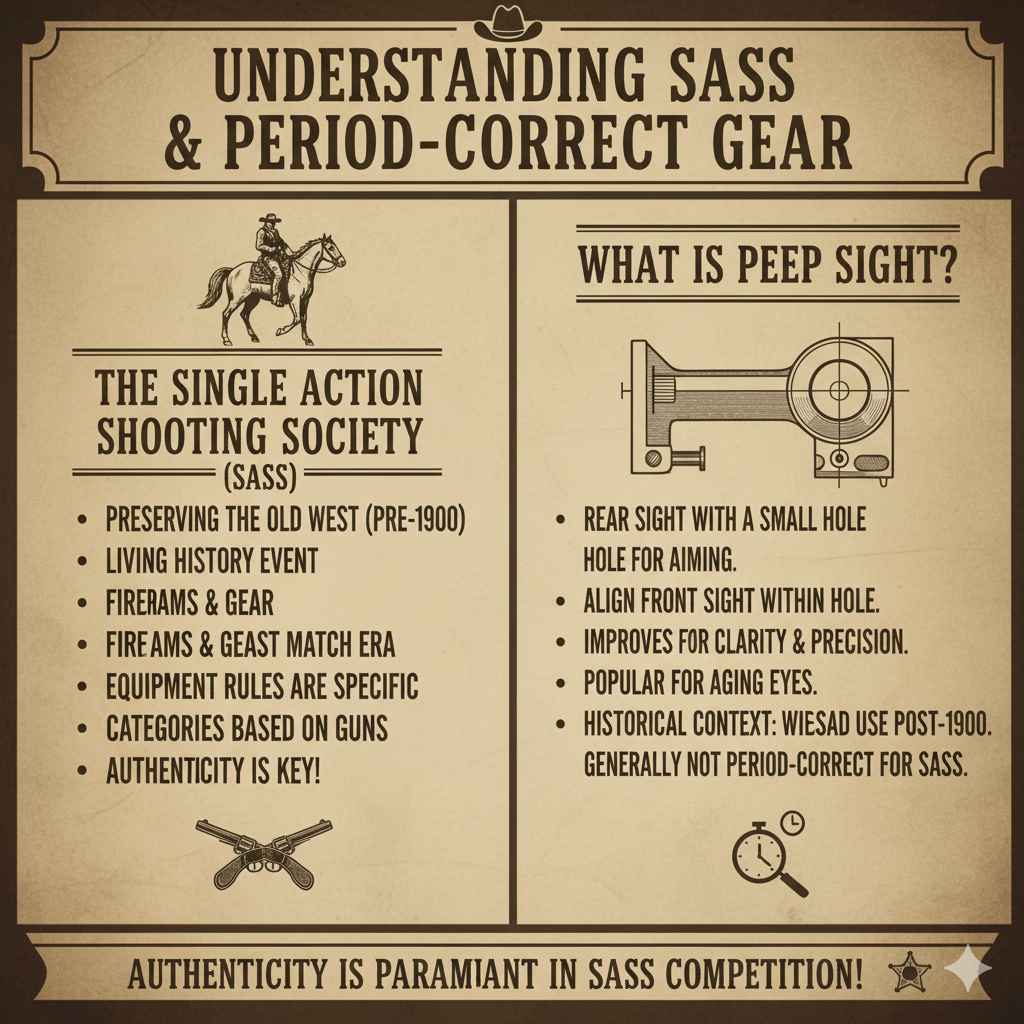
The Single Action Shooting Society (SASS) is dedicated to preserving the history and romance of the “Old West.” When you compete in a SASS match (often called a “Rumble” or “Shooting Match”), you aren’t just shooting targets; you are participating in a living history event. This means your firearms and gear must match the era, generally before 1900.
This commitment to authenticity is why equipment rules are so specific. SASS divides competitors into different categories based on the guns they use. What is allowed in one category might get you disqualified in another! Understanding this framework is the first step to knowing where a peep sight stands.
What Exactly is a Peep Sight?
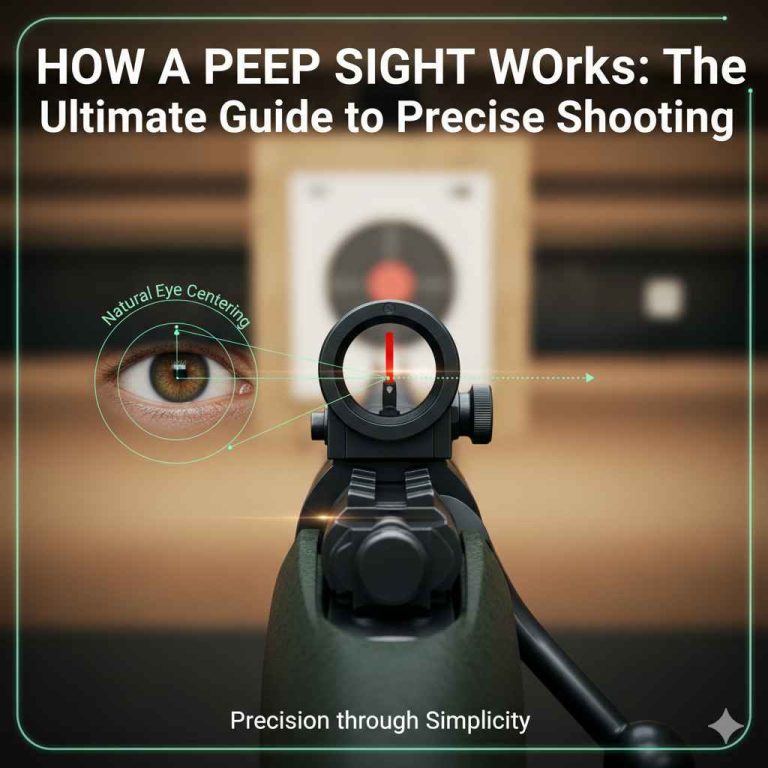
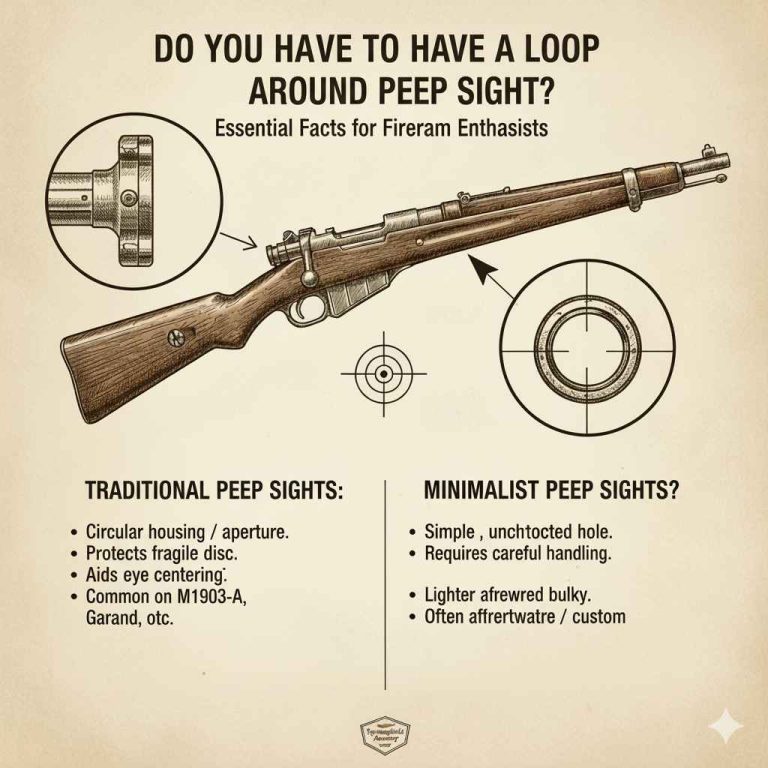
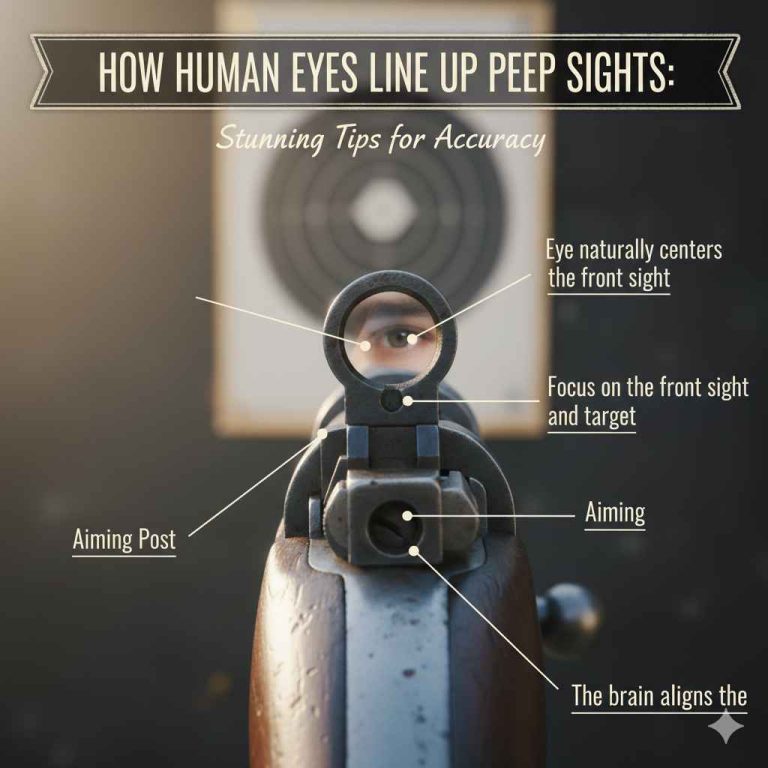
Simply put, a peep sight is a rear sight that uses a small hole (the “peep”) for aiming. You align your front sight bead or post within that hole. For many shooters, especially those with aging eyes, peep sights offer a significant advantage in clarity and precision over traditional open or “buckhorn” sights.
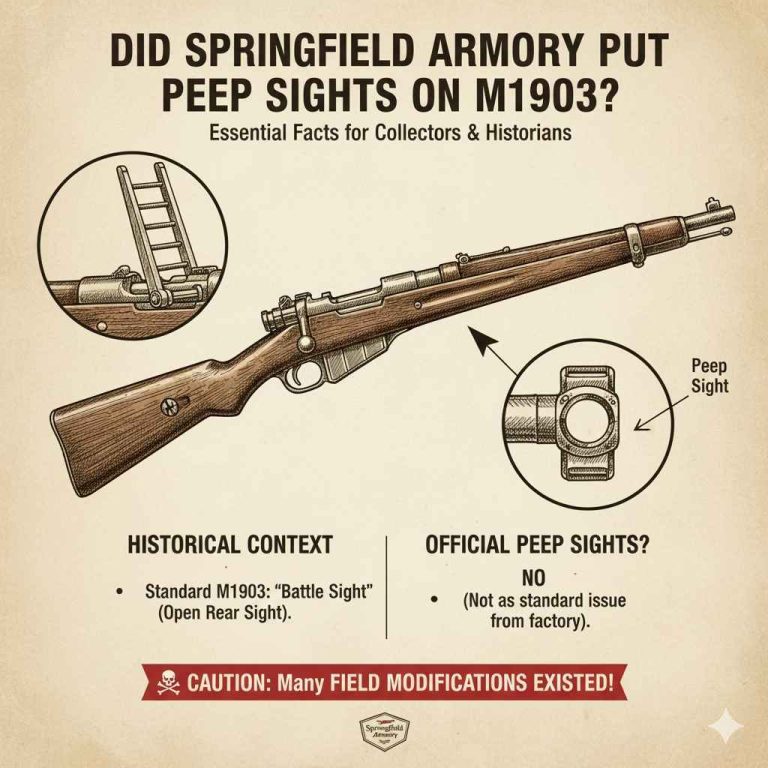
However, in the context of historical firearms, the development and widespread use of practical, mass-produced peep sights on rifles often post-date the primary time period SASS focuses on (pre-1900). While some early forms existed, the common “peep sight” used today on modern sporting rifles usually falls outside the accepted timeframe for SASS categories.
The Definitive Answer: Are Peep Sights Allowed In SASS?
This answer requires a nuanced approach because “SASS” covers many different firearm categories. However, for the vast majority of core SASS shooting categories, the answer is generally NO, peep sights are not allowed.
SASS rules are strict regarding sights to maintain the historical integrity of the competition. The focus is on iron sights available and commonly used during the period represented by the shooter’s chosen category (usually 1890s or earlier).
SASS Sight Rules: The General Guideline
SASS rules explicitly address what constitutes acceptable “iron sights.” Generally, they permit sights that were available during the period. This typically includes:
- Blade Sights (simple vertical post or wedge).
- Buckhorn Sights (U-shaped rear sight).
- Military Tang Sights (some very specific, early lever-action tang sights might pass, but they are rare and subject to intense scrutiny).
Modern aperture (peep) sights, especially those that are adjustable for windage and elevation using knobs or screws common on modern target rifles, are considered modifications that are too advanced for the traditional SASS aesthetic.
For the most authoritative source, always consult the official SASS rulebook. You can often find updated rule clarifications published by SASS on their official website or through their affiliated state/regional organizations. For example, organizations like the National Rifle Association (NRA) often align with or mirror safety and general firearms handling standards, but SASS rules for competition specifics are paramount.
Breaking Down SASS Categories and Sight Limitations
SASS has many categories, largely determined by the specific firearm models (or types) you shoot. The sight rules are intrinsically tied to your chosen class.
Here is a look at how the sight rules generally apply across some of the most popular categories:
| SASS Category Example | Typical Firearm Focus | Peep Sight Allowance |
|---|---|---|
| English/Bordertown (Rifles) | Original or high-quality replicas of pre-1890 single-shot or lever rifles. | Generally NO. Must use period-correct blade or buckhorn. |
| Classic Cowboy (Rifles) | Lever actions made before 1896 (or replicas). | Strictly NO for standard aperture/peep sights. |
| Modern (Rifles) | Lever actions made after 1896 (or replicas). | Still very restricted; often limited to factory-installed iron sights, excluding modern aftermarket peep sights. |
| Fixed-Sight Categories (Pistols/Shotguns) | N/A (Rifles only, but context matters) | Not applicable to handguns/shotguns, but shows the strictness of SASS standards. |
It is crucial to note that even if a rifle could have come with a tang sight in the 1880s, SASS rules often disqualify sights that are highly adjustable or designed primarily for modern competitive precision shooting. If you are looking at a lever-action rifle, assume standard factory iron sights (blade or buckhorn) are the only way to go unless the specific category description explicitly allows otherwise.
The Historical Exception: Early Tang Sights
While the modern, easily adjustable peep sight is out, there is a historical grey area involving very early tang-mounted aperture sights. These sights, often associated with rifles like the Sharps or specific early military rifles, were sometimes manufactured before 1900.
If you are competing in a category where these early tang sights were period-correct for the rifle model you are using, they might be permissible. However, this requires careful vetting by the Match Director (MD) or Safety Officer (SO).
Criteria for Potentially Allowable Early Tang Sights:
- Proof of Period Correctness: You must be able to demonstrate that the specific sight model was available and commonly fitted to your rifle type before 1900.
- Simplicity: They must be relatively simple mechanisms, not resembling modern target sights.
- Category Compliance: Your chosen SASS category must allow for such an attachment without voiding the category’s requirements.
Because this is a gray area, beginners should avoid tang sights entirely until they have discussed their specific setup with an experienced shooter or the Match Director for the event they plan to attend. It’s safer to stick to the basic fixed iron sights.
Why SASS Enforces These Strict Sight Rules
If peep sights make aiming easier, why ban them? It all comes back to preserving the spirit of the game. SASS aims to test the shooter’s ability with the equipment available to a typical frontiersman or cowboy of the 1870s–1890s.
Benefits of Sticking to Period-Correct Iron Sights:
- Historical Immersion: It keeps the game feeling authentic. You are shooting how they shot.
- Level Playing Field: It prevents shooters from gaining an undue advantage using modern optical aids disguised as sights.
- Skill Development: Mastering simpler, less forgiving sights forces you to focus intensely on fundamentals like sight alignment, breathing, and trigger control—the core skills of accurate shooting.
Think of it this way: If you use a peep sight, you are using a tool that gives you a distinct advantage over a competitor using a basic blade sight, and that advantage wasn’t available to the average person when the firearms were new.
What About .22 Rifles or Non-SASS Events?
It is important not to confuse SASS rules with rules for other types of shooting. If you are shooting a .22 rifle for fun, or competing in a different historical reenactment group, the rules change completely.
Example: SASS vs. Other Historical Rifle Clubs
Many dedicated historical rifle shooting clubs focusing on, say, the Civil War era (which predates SASS’s focus) might allow certain peep sights if they were manufactured before 1865. Likewise, modern small-bore silhouette shooting embraces peep sights wholeheartedly.
If your goal is simply improving your personal accuracy in practice, feel free to use a peep sight on your practice rifle! It’s a fantastic tool for learning sight picture. Just remember that practice setup might not translate directly to the SASS match stage.
For example, if you are practicing with a modern reproduction rifle equipped with a peep sight, you are still developing muscle memory. However, when match day comes, you must switch to the iron sights permitted in your specific SASS category. To learn more about firearm handling best practices that apply universally, resources like those provided by safety-focused training organizations are invaluable, even outside of SASS competition settings.
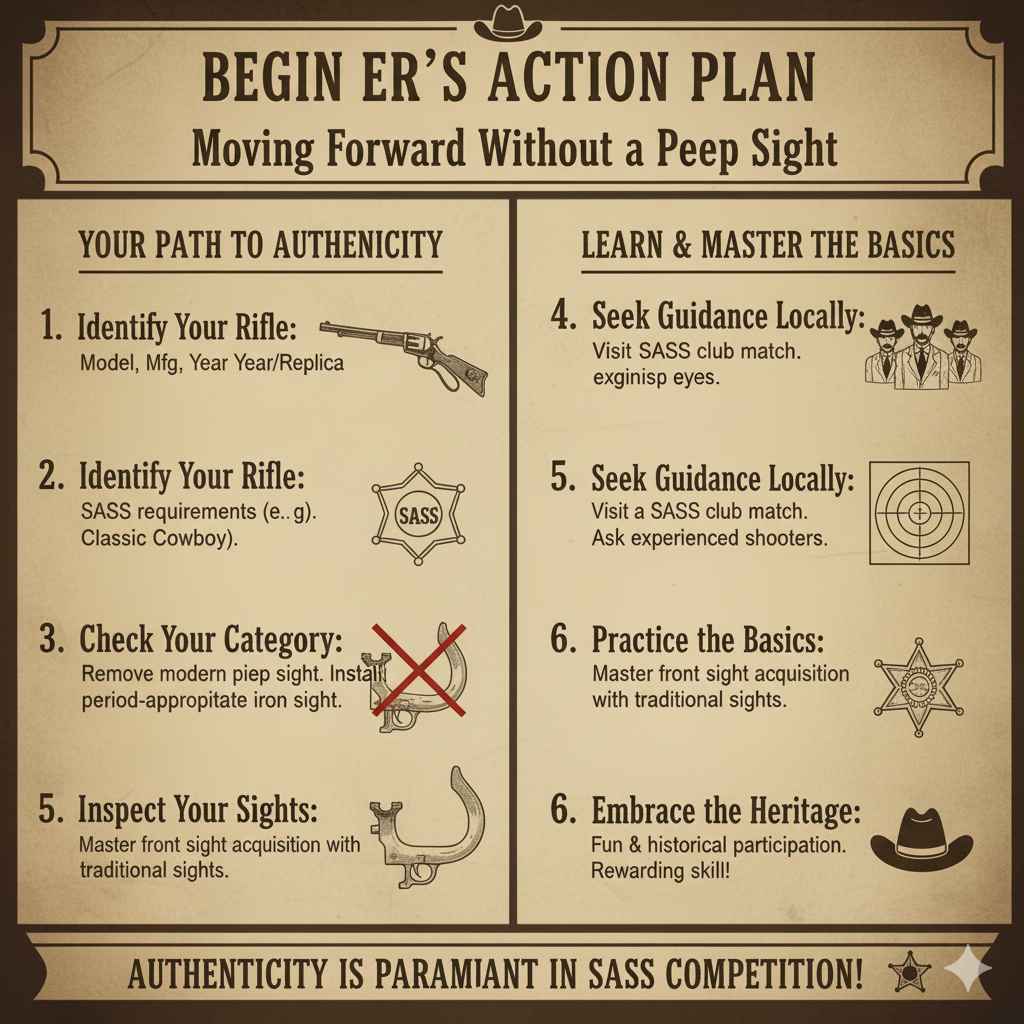
Beginner’s Action Plan: Moving Forward Without a Peep Sight
If you are a beginner realizing your rifle needs a swap, don’t despair! This is just part of the journey into Cowboy Action Shooting. Here is a safe, simple path forward:
- Identify Your Rifle: Determine the model and approximate year of manufacture (or replica year) for the rifle you plan to use.
- Check Your Category: Look up the specific SASS category requirements for that rifle type (e.g., Classic Cowboy, 1890s, etc.).
- Inspect Your Sights: Does your rifle have a blade sight, a notch sight, or a buckhorn sight? If it has a modern aperture (peep) sight attached, you must remove it and install a period-appropriate iron sight.
- Seek Guidance Locally: Visit a local SASS club match (as a spectator first, if possible). Ask experienced shooters what sight styles they use on similar firearms. They are usually very helpful!
- Practice the Basics: Focus intensely on mastering the front sight acquisition within the traditional rear sight notch or post. This is the authentic skill SASS rewards.
Remember, the goal is fun and historical participation. Learning to shoot well with basic iron sights is a deeply rewarding skill that connects you directly to the heritage of the sport.
Frequently Asked Questions (FAQ) About SASS Sights
Q1: If I am shooting a replica rifle, can I put a peep sight on it?
A: Generally, no. Even if the replica looks period-correct, the sight must also be period-correct. Most modern replica rifles come equipped from the factory with appropriate blade or buckhorn sights. If you add a modern, adjustable peep sight, you will likely be moved to an unclassified or disqualified status.
Q2: Are tang sights absolutely forbidden in all SASS rifle categories?
A: Not absolutely, but it is very rare. They are only potentially allowed if the specific sight was manufactured and commonly used on that exact model of rifle before the cutoff date (usually 1890 or 1896, depending on the category). Always check with the Match Director first.
Q3: What is the safest iron sight for a SASS beginner to use?
A: The standard factory-installed blade front sight paired with a simple open notch rear sight is the safest bet. These are universally accepted across almost all rifle categories and are essential to learn for the sport.
Q4: If I remove my peep sight, can I leave the mounting holes open?
A: No. Any visible modifications that detract from the authentic appearance (like plugged holes where a disallowed sight used to be) can still cause issues. If you must remove a sight, ensure the receiver or barrel looks as it should for the period of the rifle you are representing.
Q5: Do pistol sights ever use peep-style designs in SASS?
A: SASS pistol categories (like Single Action Army revolvers) are extremely strict. They require factory-standard sights, which means simple fixed front blades and fixed rear notches cut into the frame or barrel. Peep sights are never allowed on SASS revolvers.
Q6: How strict is SASS enforcement regarding sights?
A: Enforcement is quite strict, especially at larger, major matches. Safety Officers and the Match Director conduct safety checks often called “The Walk-Through.” If your sights are deemed too modern or inappropriate for your category, you may be required to change them before you can shoot, or you might be assigned to a different, uncategorized class.
Conclusion: Focus on Fundamentals, Not Futuristic Sights
Navigating the equipment rules for SASS can feel like decoding ancient scrolls at first, but the core principle is always historical respect. To answer the main question clearly: for nearly all competitive SASS rifle categories, peep sights are not allowed because they are historically inconsistent with the single-action firearms being celebrated.
Instead of focusing on adding modern aiming aids, embrace the challenge that basic iron sights provide. Learning to place that front sight perfectly within a simple notch builds a foundation of shooting skill that will serve you well, whether you are shooting steel targets at a local range or engaging targets in a high-stakes SASS competition. Find the sights that match your rifle’s era, practice diligently, prioritize safety above all else, and you’ll quickly find yourself enjoying the camaraderie and excitement of the Old West at your next SASS match. Happy shooting!