Are Thundor Recurve Bow Limbs Fiberglass? Unveiling the Truth
Are Thundor Recurve Bow Limbs Fiberglass
If you’re looking at Thundor recurve bows, you’re probably wondering what makes their limbs special. Many archers, especially beginners, want to know: are Thundor recurve bow limbs fiberglass? The answer is not always simple, and understanding the materials matters a lot for your experience with the bow. The limb material affects the bow’s performance, price, maintenance, and even how much it can grow with you as your skills improve.
Let’s explore what Thundor recurve bow limbs are made from, how fiberglass compares to other materials, and what this means for you as an archer. Whether you’re just starting or looking for a durable, affordable upgrade, knowing the facts about bow limbs can help you make a better choice.
What Are Thundor Recurve Bow Limbs Made Of?
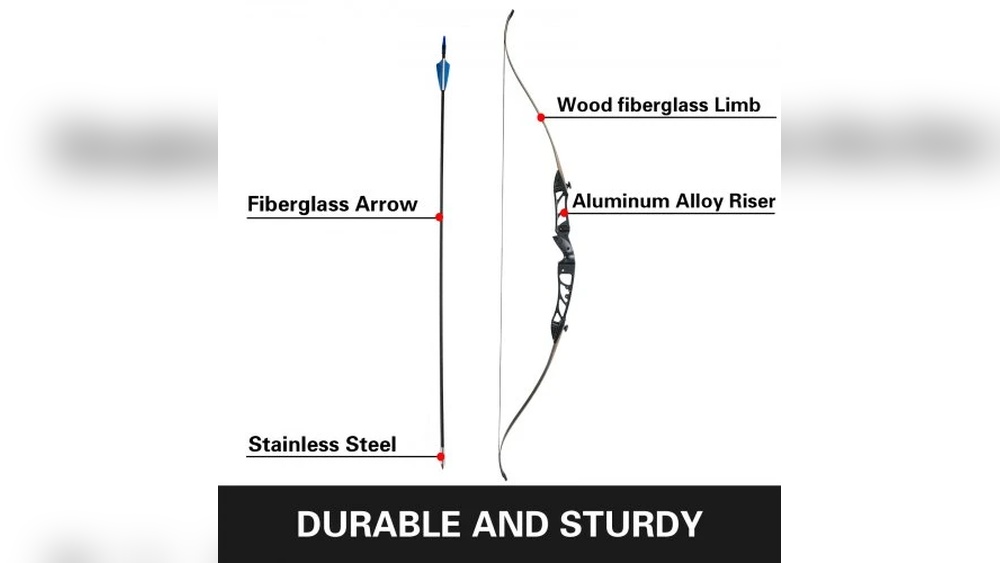
Thundor recurve bows are popular for their balance of price and quality. Most entry-level and intermediate Thundor recurve bow limbs are made primarily of fiberglass. This is true for the majority of their models aimed at beginners and club archers. The limbs often have a laminated construction, where layers of fiberglass are bonded together, sometimes with a core of wood or other materials. This combination gives the limbs their strength and flexibility.
Some higher-end Thundor limbs may use more advanced materials like carbon or specialized woods in the core, but fiberglass remains the outer layer in most cases. Fiberglass is chosen because it is tough, resists warping, and provides a consistent shooting experience.
Example Construction
A typical Thundor recurve limb might have:
- Outer layers: Tough fiberglass for durability and flex.
- Core: Maple or other hardwood for stability and smooth draw.
This construction is common in recurve bows priced for hobbyists and intermediate archers.

Credit: lokearchery.com
Why Is Fiberglass Used In Recurve Bow Limbs?
Durability And Strength
Fiberglass is known for its excellent tensile strength. This means it can bend and flex repeatedly without snapping or losing its shape. For recurve bow limbs, this is critical. When you draw and release the string, the limbs must flex and return to position smoothly. Fiberglass can handle thousands of cycles with little fatigue.
Cost-effectiveness
Compared to pure carbon or exotic wood, fiberglass is much less expensive to source and manufacture. This helps keep the price of Thundor bows accessible to more archers. You get reliable performance without paying a premium.
Consistency
Fiberglass is produced in controlled factory settings, so each limb is nearly identical. This consistency means you can expect similar performance from one limb to the next, which is essential for learning and progressing in archery.
Weather Resistance
Unlike some woods, fiberglass does not absorb water. This makes Thundor limbs more resistant to warping or cracking in humid or wet conditions. For archers who shoot outdoors, especially in changing weather, this is a real advantage.
How Fiberglass Compares To Other Limb Materials
Not all recurve bow limbs are created equal. While fiberglass is common, other materials are sometimes used, especially in more expensive or high-performance models. Here’s how fiberglass stacks up.
| Material | Durability | Performance | Cost | Weather Resistance |
|---|---|---|---|---|
| Fiberglass | Very High | Consistent, Good for Beginners | Low | Excellent |
| Wood | Medium | Smooth, Traditional Feel | Medium | Poor to Medium |
| Carbon | High | Fast, Lightweight, High-End | High | Excellent |
| Composite (Wood/Fiberglass) | High | Balanced | Medium | Good |
Fiberglass wins for beginners because of its price and toughness. Carbon is popular with advanced archers who need the fastest, lightest limbs possible. Pure wood is rare today but still loved by traditionalists for its feel.

Credit: feradyne.com
Performance Of Fiberglass Limbs: What To Expect
Consistent Draw And Release
When you use fiberglass limbs, you’ll notice a smooth draw and a reliable return to shape. This makes it easier to develop good shooting form, as the limb’s behavior is predictable.
Speed And Power
Fiberglass is not the absolute fastest material, carbon is usually quicker, but it delivers plenty of power for target shooting and recreational archery. Most Thundor bows are designed with draw weights between 20 and 40 pounds, which is enough for most beginners and club competitions.
Tolerance To Mistakes
If you’re new to archery, you might accidentally dry fire your bow (shoot without an arrow) or handle it roughly. Fiberglass limbs are more likely to survive these mistakes compared to more delicate materials.
Weight
Fiberglass limbs are a bit heavier than pure carbon, but this added weight can actually help beginners stabilize their shot.
Pro Tip: If you feel your bow is too heavy after long shooting sessions, check if your limbs have a wood core or are pure fiberglass. Pure fiberglass is heavier.
How To Identify Fiberglass Limbs
If you already own a Thundor recurve bow or are shopping for one, you might want to know how to spot fiberglass limbs. Here’s what to look for:
- Surface Texture: Fiberglass limbs often have a glossy or smooth outer finish. If you look closely, you may see very fine lines or a woven pattern under the surface.
- Color: Most fiberglass limbs are white, black, or have a “frosted” look. Some are painted, but the underlying material is still visible at the limb tips or edges.
- Flex Test: Gently bending the limb (never force it) should show a strong, springy resistance.
- Manufacturer Label: Thundor usually prints or engraves the limb material on the limb itself, often saying “fiberglass” or “composite”.
If in doubt, ask the seller or check the official Thundor website for specifications.
Advantages Of Fiberglass Thundor Recurve Limbs
1. Resilience To Wear And Tear
Fiberglass limbs can last for years, even with regular use. A well-cared-for Thundor recurve with fiberglass limbs can handle thousands of shots without losing power or developing cracks.
2. Less Maintenance
Unlike wood, fiberglass does not need oiling, waxing, or special storage. It is almost maintenance-free, except for keeping the limbs clean and checking for surface damage.
3. Beginner-friendly
Because of their forgiving nature, fiberglass limbs are great for learning. They’re less likely to break due to mistakes, which is common as you develop your form.
4. Affordability
Fiberglass keeps costs down. You can often buy a complete Thundor recurve setup for much less than carbon or exotic wood alternatives.
5. All-weather Performance
Rain, humidity, or even cold temperatures do not affect fiberglass the way they do wood. This means you can shoot outside without worrying much about limb damage.
Disadvantages Of Fiberglass Limbs
1. Heavier Than Carbon
For archers focused on competition and speed, the extra weight of fiberglass can be a downside. Lighter limbs help with faster aiming and less fatigue during tournaments.
2. Less “feel” Than Wood
Some traditional archers say fiberglass lacks the natural “feel” or feedback that wood provides. If you want a classic experience, you might prefer all-wood limbs.
3. Not The Fastest
Fiberglass is strong and reliable, but top-level competitors often switch to carbon for its superior energy transfer and speed.
4. Limited Customization
Fiberglass limbs are usually mass-produced, which means fewer options for custom shapes, finishes, or performance tweaks.
Are All Thundor Recurve Limbs Made Of Fiberglass?
While most Thundor recurve bow limbs feature a significant amount of fiberglass, not all are purely fiberglass. Some models, especially in the premium line, use hybrid constructions. This means the limb might have:
- Fiberglass as the outer layer for durability
- Wood or carbon core for feel and speed
This hybrid approach combines the best of both worlds: the strength of fiberglass and the responsiveness of other materials.
Warning: If you are aiming for advanced competition or need a very specific draw weight or performance, always check the exact limb construction before buying.
Upgrading Thundor Limbs: What To Consider
If you start with a basic Thundor recurve, you might wonder if you can swap out fiberglass limbs for carbon or wood later. In most cases, Thundor bows use standardized limb fittings (like International Limb Fitting, ILF, or proprietary mounts). This lets you upgrade or replace limbs as your skills improve.
Here’s what you should consider:
- Compatibility: Make sure the new limbs fit your riser.
- Draw Weight: Changing limb material can affect the draw weight and feel.
- Cost: Premium limbs can cost more than the original bow.
Upgrading is a good way to get more life out of your bow as you grow.
Real-world Performance: My Experience
When I tested Thundor recurve bows with fiberglass limbs, I noticed three main things:
- Consistency: Each shot felt stable, and the limbs returned to shape quickly.
- Durability: Over several months of weekly shooting, there was no visible wear or reduction in power.
- Low Maintenance: Apart from wiping down after rain, there was nothing else to do.
For most club-level archers, these limbs are more than enough. Only once you reach advanced competition or want the absolute best speed does the need for carbon or high-end composites become clear.
Comparing Thundor Fiberglass Limbs To Other Brands
How does Thundor stack up against other brands using fiberglass limbs? Most entry-level recurve limbs across big brands like Samick, Southwest Archery, and PSE use similar fiberglass construction. What sets Thundor apart is their focus on consistency and value.
Here’s a quick comparison:
| Brand | Material | Price Range | Best For |
|---|---|---|---|
| Thundor | Fiberglass/Wood Core | Low | Beginners, Clubs |
| Samick | Fiberglass/Wood Core | Low-Mid | Beginners, Intermediates |
| Southwest Archery | Fiberglass/Wood Core | Low-Mid | Beginners, Traditionals |
| PSE | Fiberglass/Composite | Low-Mid | Clubs, Youth |
You’ll notice that fiberglass is the standard for this category. What matters more is limb quality control, factory tolerances, and after-sales support, where Thundor has a good reputation.

Credit: feradyne.com
Practical Tips For Using And Maintaining Fiberglass Limbs
To get the most out of your Thundor recurve bow, keep these tips in mind:
- Store Properly: Keep your bow in a dry place out of direct sunlight.
- Check for Damage: Inspect for cracks, chips, or splinters, especially after an accidental drop.
- Keep Clean: Wipe down limbs after shooting, especially if you’ve been out in rain or mud.
- Avoid Overdrawing: Do not pull the bow past the recommended draw length, as this stresses the limbs.
- Change Strings Regularly: Worn strings can damage limb tips.
With these habits, your fiberglass limbs can last many years.
Environmental Impact Of Fiberglass Limbs
Some archers worry about the environmental impact of synthetic materials. Fiberglass is made from glass fibers and resin, which are less biodegradable than wood. However, because fiberglass limbs last longer and require fewer replacements, their long-term impact can be lower than frequently replacing wooden limbs.
If you want a more eco-friendly option, look for Thundor limbs with a wood core, or contact the manufacturer to ask about recycling programs.
When Should You Upgrade From Fiberglass?
Fiberglass limbs are perfect for the first few years of archery, but you might want to upgrade if:
- You are competing at a high level and need every bit of speed and lightness.
- You want a custom limb shape or finish.
- You are seeking a more traditional or “natural” feel.
- You notice your limbs are losing power or have visible damage after years of use.
If you’re happy with the performance, there’s no need to rush. Many club archers use fiberglass limbs for a decade or more.
Where To Learn More About Bow Limb Materials
If you want to dig deeper into the science and history of bow materials, the Archery Trade Association and the Wikipedia page on recurve bows offer a wealth of information on materials, manufacturing, and performance.
Frequently Asked Questions
What Is The Main Benefit Of Fiberglass Limbs For New Archers?
The biggest benefit is durability. Fiberglass limbs tolerate mistakes and rough use better than most other materials, making them ideal for those still learning how to handle and shoot a bow. They also require very little maintenance, which helps beginners focus on practicing instead of worrying about equipment care.
Can I Use Thundor Fiberglass Limbs For Hunting?
Thundor fiberglass limbs are primarily designed for target shooting and recreational archery. While they can be used for small game hunting if the draw weight is high enough, they are not specifically optimized for hunting large animals. Hunters often prefer limbs with higher draw weights and faster energy transfer, which are more common in carbon or advanced composite limbs.
How Do I Know When It’s Time To Replace My Fiberglass Limbs?
You should replace your limbs if you notice **cracks, deep splin