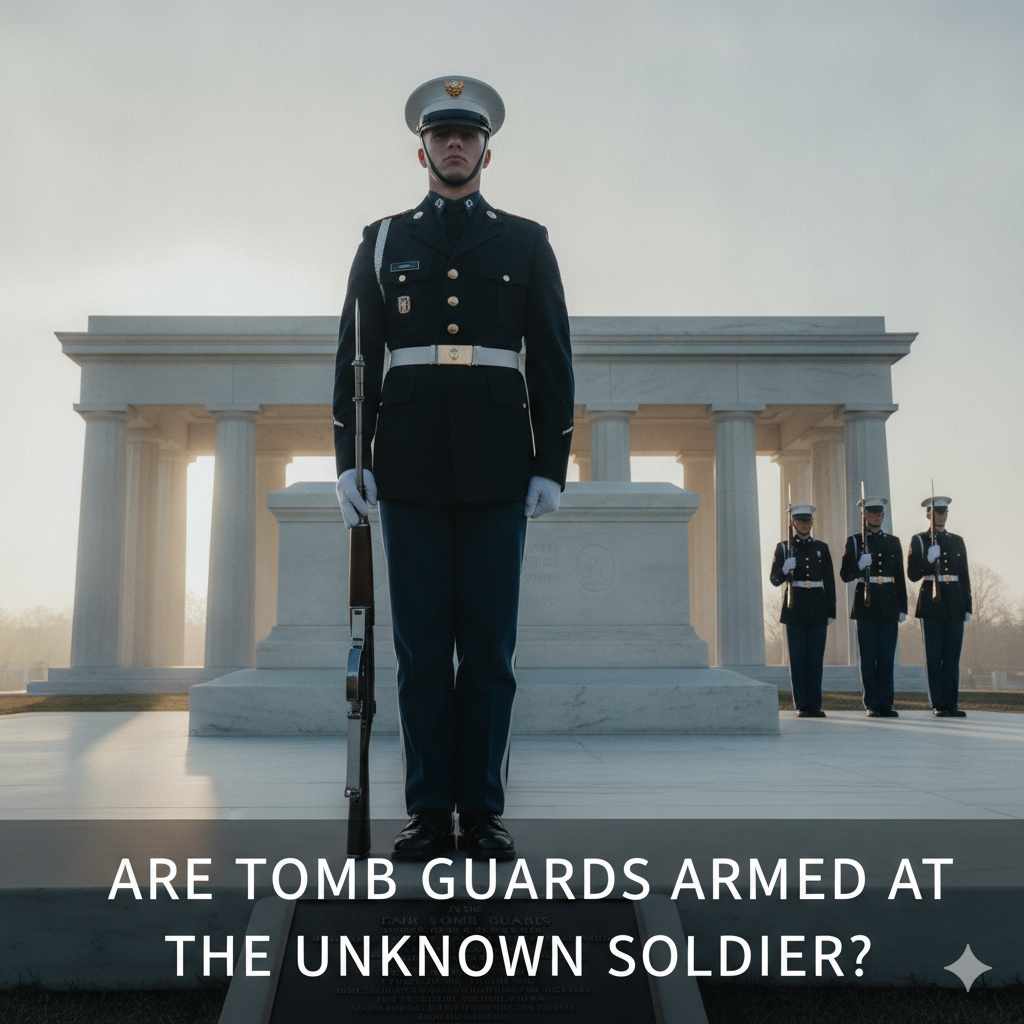
Are Tomb Guards Armed At The Unknown Soldier?
It’s a question many people ponder when they see the silent, vigilant sentinels. You’re standing there, watching the meticulous steps, the solemn dedication. You wonder, in such a sacred and important place, are the guards armed?
It’s a natural thought. You see their unwavering focus and precision. This makes you think about their preparedness.
This article will explore that very question and the layers of security and tradition that protect this hallowed ground.
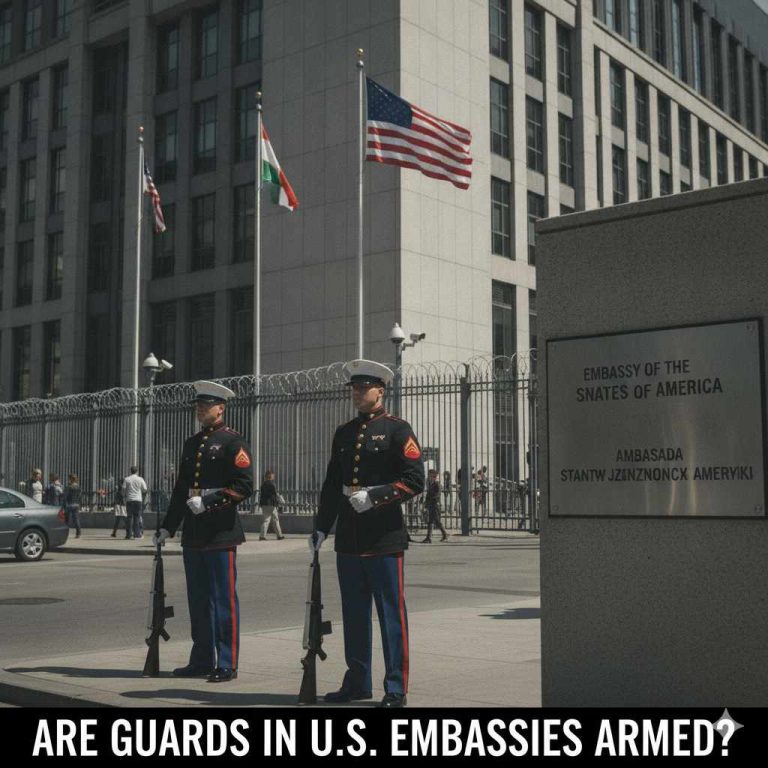
The Tomb Guards are not outwardly armed with firearms. Their primary means of defense are their training, discipline, and the solemnity of the location itself. The visible symbol of their readiness is their bayonet attached to their rifle.
The Vigil at the Tomb of the Unknown Soldier
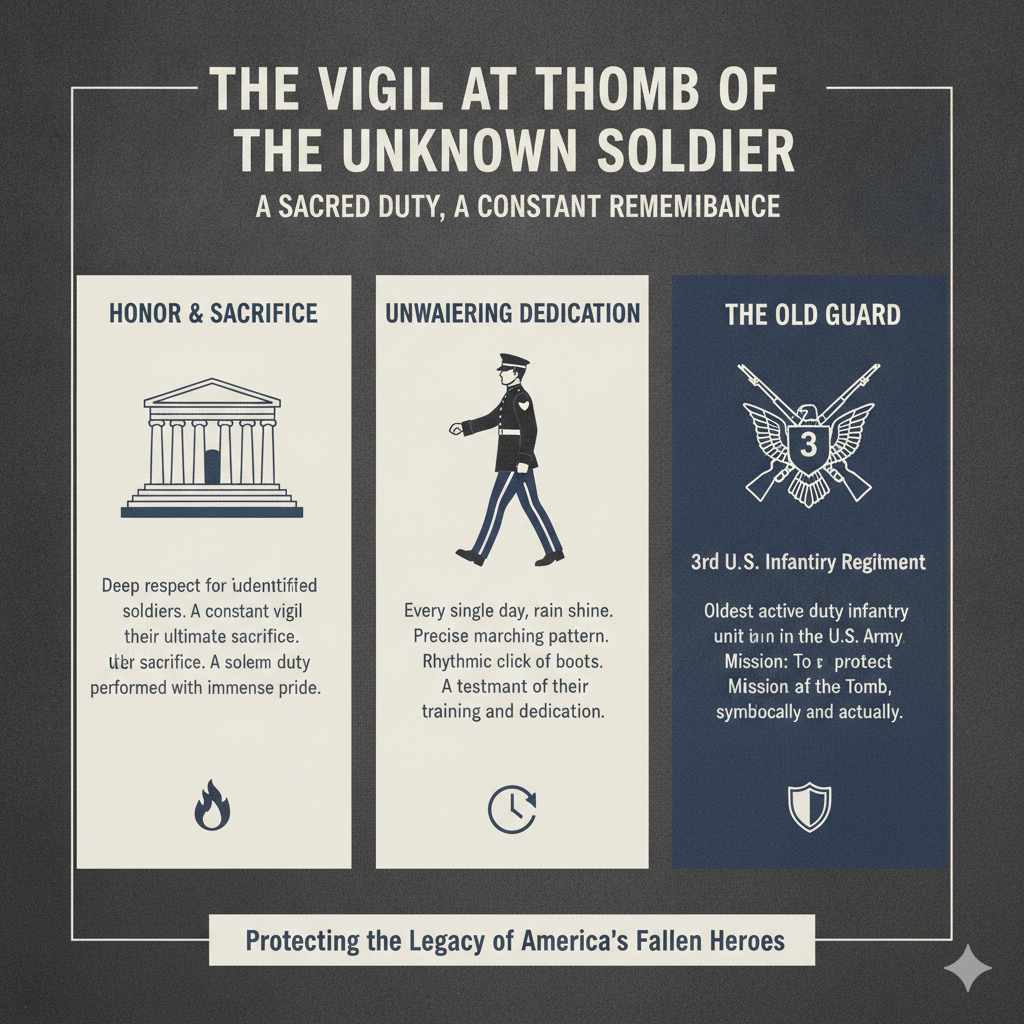
The Tomb of the Unknown Soldier is a place of deep respect. It honors those who gave their all but whose remains could not be identified. The sentinels who stand guard there are part of a sacred tradition.
They represent a constant vigil. This vigil reminds us of sacrifice. It’s a solemn duty, performed with immense pride.
Every single day, rain or shine, heat or cold, the guards are there. They march in a precise pattern. This pattern is a testament to their training.
It shows their dedication. The rhythmic click of their boots on the pavement is almost hypnotic. It draws you in.
You can’t help but feel the weight of the moment.
The Tomb Guards are part of the 3rd U.S. Infantry Regiment. They are known as “The Old Guard.” This is the oldest active duty infantry unit in the U.S.
Army. They have a long history of service. Their mission is to protect and guard the Tomb.
This protection is both symbolic and actual.
A Deeper Look at Their “Armament”
When people ask if the Tomb Guards are armed, they often picture a soldier with a rifle and sidearm. While they do carry rifles, the context is different. Their rifles are equipped with bayonets.
This is the visible symbol of their readiness. The bayonet itself is a formidable weapon.
The guards undergo rigorous training. This training is extensive. It covers not only marching and ceremony but also self-defense.
They are highly trained soldiers. Their discipline is paramount. They must maintain an unwavering composure.
This is true even when faced with distractions or provocations.
The focus isn’t on a visible firearm in the way one might expect. Instead, the emphasis is on presence, discipline, and the symbolic power of the guard. The bayonet serves as a stark reminder of their martial readiness.
It’s a part of the solemn display. It conveys a message of protection.
The Old Guard also employs other security measures. These are not always visible to the public. These layers ensure the Tomb remains a safe and respected place.
The combination of visible ceremony and unseen security creates a robust defense.
My First Visit: A Moment of Wonder
I remember my first time visiting Arlington National Cemetery. I was young, maybe ten or eleven. The sheer scale of it all was overwhelming.
Row upon row of white headstones stretched out before me. It felt like an ocean of remembrance. Then, I saw the crowd gathering near the Tomb of the Unknown Soldier.
The air grew quieter. Everyone seemed to hold their breath. The precision of the guard change was unlike anything I had ever witnessed.
Each movement was so exact. He marched with such purpose. I nudged my dad and whispered, “Is he carrying a gun?” My dad just smiled and said, “He’s carrying a rifle with a bayonet.
That’s how they show they’re ready.”
That bayonet seemed so sharp and gleaming under the sun. It struck me then. It wasn’t just about having a gun.
It was about the unwavering resolve. It was about the commitment to protect something so important. The guard’s posture, his intense gaze, the perfectly held rifle – it all communicated a powerful message.
It was a message of solemn duty and readiness. That image stuck with me for years.
The “Why” Behind the Vigil
Purpose: To honor unidentified American service members.
Symbolism: Represents all missing in action and prisoners of war.
Dedication: A 24/7, 365-day-a-year vigil since 1937.
Guard Selection: Only the most disciplined and dedicated soldiers from The Old Guard.
Tradition Over Firepower: The Essence of the Guard
The Tomb of the Unknown Soldier has a rich history. Its protection has always been tied to tradition and symbolic strength. The idea isn’t to create a battlefield environment.
The goal is to maintain a solemn and respectful atmosphere. This atmosphere honors the sacrifice being remembered.
The sentinels are selected through a highly competitive process. They must be exemplary soldiers. They must possess exceptional bearing and discipline.
The training is intense. It ensures they can perform their duties flawlessly. This includes handling potential disruptions with grace and firmness.
The rifle, complete with its bayonet, is a crucial part of the uniform. It’s a symbol of the soldier’s military bearing. It signifies their readiness to defend.
However, the primary defense is the unwavering discipline. It’s the psychological impact of the vigilant guard. It’s the respect the site commands.
The Uniformed Division of the U.S. Secret Service also provides a security presence. They work in conjunction with The Old Guard.
This layered approach ensures the Tomb’s safety. It does so without disrupting the solemnity of the occasion. The visible guard is a key part of this.
The very act of standing there, in perfect stillness, is a powerful deterrent. It conveys a message of unwavering commitment. It suggests that any disrespect would be met with immediate and firm action.
The threat of the bayonet, coupled with the guard’s training, is the intended deterrent.
Understanding the Protocol and Expectations
What happens if someone tries to disrupt the Tomb? The guards are trained for such scenarios. They will issue a stern verbal warning.
If the disruption continues, they are authorized to use force. This force would be necessary to protect the Tomb. The bayonet is their primary close-quarters tool in such an event.
The rules for visitors are also strict. You must remain quiet. You must not cross the barriers.
You must not touch the Tomb. These rules help maintain the sanctity of the site. They also help the guards perform their duty without unnecessary interference.
The guards are under constant observation. There are security cameras in place. There are also plainclothes security personnel.
This ensures that any threat is identified quickly. The visible guard is the most prominent element of this security. But it’s not the only one.
The guards are not expected to engage in a firefight. Their role is different. It is to be a living symbol of respect and vigilance.
They are trained to de-escalate and protect. Their presence is a constant, silent statement. It speaks volumes about the importance of what they guard.
A Contrast: Myth vs. Reality
Myth: Tomb Guards carry concealed firearms for immediate defense.
Reality: Their visible armament is a rifle with a bayonet. The emphasis is on discipline and symbolic readiness.
Myth: They are expected to engage in open combat if attacked.
Reality: Their role is primarily ceremonial and to deter through presence and training. Force is a last resort.
Myth: They are just actors performing a show.
Reality: They are highly trained soldiers with rigorous selection and ongoing duty.
The Human Element of Vigilance
It takes a special kind of person to be a Tomb Guard. The psychological toll must be immense. Standing for hours, perfectly still, under all conditions.
It requires incredible mental fortitude. You must push past fatigue, discomfort, and any external distractions.
I spoke with a former Tomb Guard once at a veterans’ event. He didn’t talk much about specific tactics. Instead, he spoke about the feeling.
He described the immense weight of responsibility. He said it felt like carrying the hopes and memories of a nation on his shoulders.
“You’re not just guarding a tomb,” he told me, his voice low. “You’re guarding the idea of sacrifice. You’re guarding the gratitude of a nation.
You see people crying, people reflecting. You realize your stillness means something to them. It connects them to the past.”
He mentioned the cold seeping into his bones on winter nights. He spoke of the sweltering heat of summer days. But he also spoke of the profound sense of purpose.
He said the moment the sun went down and the floodlights came on, casting that eerie glow, was when the vigil felt most profound. The bayonet caught the light then, a silent, sharp promise.
This dedication is what makes the Tomb Guard so unique. It’s not just about the weapon. It’s about the warrior.
It’s about the commitment to duty. It’s about the silent, powerful message they send to everyone who witnesses their watch.
Environmental Factors and Guard Performance
The conditions under which the Tomb Guards serve are extreme. They don’t stop their duty for weather. You’ll see them marching in snowstorms.
You’ll see them standing firm in driving rain. You’ll see them in the oppressive humidity of a Washington D.C. summer.
This unwavering performance is part of their demonstration of readiness. It shows that nothing will deter them. The elements are just another challenge to overcome.
Their uniform is designed to withstand some of these conditions. But it’s their inner strength that truly sees them through.
The changing of the guard is a spectacle in itself. It’s a ritual that has been perfected over decades. The relief guard marches out.
The current guard marches off. There are precise commands and movements. This transition ensures the vigil is never broken, not even for a second.
The pavement around the Tomb can get very hot. It can also become slippery when wet. The guards’ boots have special soles for grip.
But it’s still a testament to their balance and control. They maintain their perfect stride. They never falter.
The surrounding environment of Arlington National Cemetery is one of quiet reverence. This atmosphere itself is a protective layer. It encourages solemnity.
It discourages loud or disruptive behavior. The guards are part of this larger picture of respect.
The Guard’s Toolkit
Primary Tool: Rifle with attached bayonet.
Secondary Tools: Rigorous training in discipline, self-defense, and protocol.
Environmental Controls: Special boot soles for traction, uniform adaptation.
Support Systems: The Old Guard regiment, Uniformed Division of the Secret Service, and cemetery staff.
Deterrent: The powerful psychological impact of their unwavering vigil.
When is Vigilance “Enough”?
The question of armament often comes up because people want to feel safe. They want to know that important places are well-protected. The Tomb of the Unknown Soldier is certainly well-protected, but in a way that honors its purpose.
It’s normal to wonder about security. It’s a sign that you appreciate the significance of the site. The guards are always alert.
They are trained to spot potential issues. They will react if necessary. The presence of their bayonet is a clear signal of this readiness.
You might worry if you see someone acting strangely near the Tomb. The guards are trained to observe. They are trained to communicate discreetly with other security personnel.
They will intervene if a situation warrants it. You are also encouraged to report any concerns to cemetery staff or security.
The Tomb is a place for quiet reflection. It is not a place for political protests or disruptive behavior. The guards are there to ensure this environment is maintained.
Their discipline is the first line of defense. Their training and equipment are the backup.
The tradition of the Tomb Guard is deeply rooted in American military history. It’s about honor, duty, and sacrifice. The way they are armed, or rather, the way their readiness is symbolized, is a reflection of these values.
It’s about respect for the fallen.
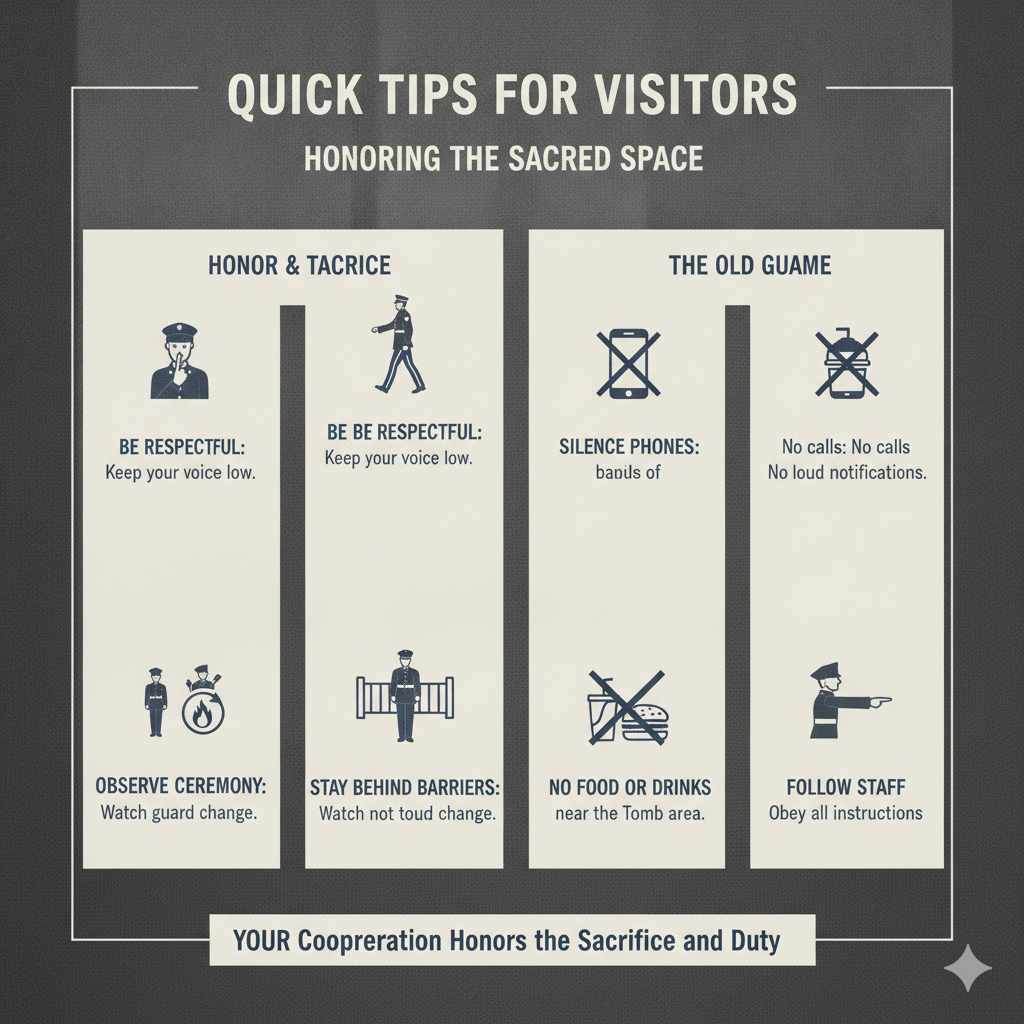
Quick Tips for Visitors
When you visit the Tomb of the Unknown Soldier, remember a few key things:
- Be respectful. Keep your voice low.
- Stay behind the barriers. Do not approach or touch the Tomb.
- Observe the guard change. It is a solemn ceremony.
- Silence your phone. No calls or loud notifications.
- Do not bring food or drinks near the Tomb itself.
- Follow all instructions from cemetery staff and security.
These simple guidelines help ensure that the Tomb remains a sacred space. They also help the guards perform their duty without hindrance. Your cooperation is a form of respect.
Frequently Asked Questions About Tomb Guard Armament
Are the Tomb Guards allowed to carry firearms?
The Tomb Guards are not outwardly armed with firearms in the conventional sense. They carry rifles equipped with bayonets, which serve as the visible symbol of their readiness and defensive capability. Their primary defense is their strict discipline and training.
What is the purpose of the bayonet on their rifle?
The bayonet signifies the guard’s readiness to defend the Tomb. It’s a traditional military symbol of close-quarters combat readiness. It’s part of their uniform and acts as a deterrent, alongside their disciplined presence.
What happens if someone tries to attack the Tomb?
Tomb Guards are highly trained to handle disruptions. They will issue verbal warnings first. If necessary, they are authorized to use force, with the bayonet being their primary close-quarters defense tool in extreme situations.
Other security measures are also in place.
Are there other security measures besides the visible guards?
Yes, absolutely. The Uniformed Division of the U.S. Secret Service provides additional security.
There are also surveillance systems and plainclothes security personnel working to ensure the Tomb’s safety around the clock.
How are Tomb Guards selected?
Tomb Guards are selected from members of the 3rd U.S. Infantry Regiment (“The Old Guard”). They must undergo a rigorous selection process and extensive training to demonstrate exceptional discipline, bearing, and commitment.
Can the guards leave their post if they are sick or injured?
The vigil must be maintained without interruption. If a guard becomes unable to perform their duty, they are immediately relieved by another guard. The precision of the changing of the guard ensures that the vigil is continuous.
The Enduring Vigil of Protection
The Tomb of the Unknown Soldier stands as a powerful symbol. The guards who watch over it embody that symbol. They are armed not just with their bayonets, but with an immense sense of duty.
They are protected by tradition and a nation’s gratitude. Their vigilance is a constant reminder of sacrifice. It’s a profound display of respect and readiness.