
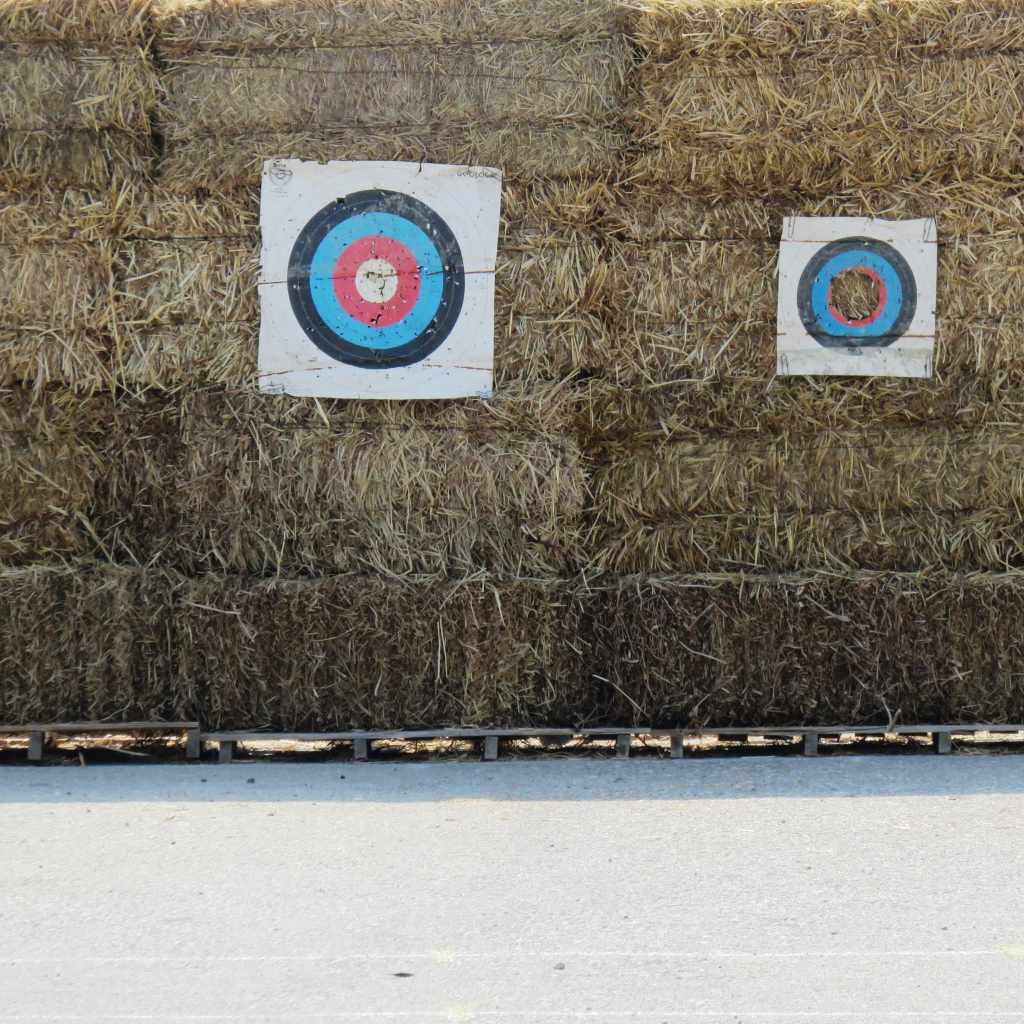
The core difference in carpet vs cardboard archery target choice lies in durability, stopping power, and cost. Cardboard is cheap and easy to replace, great for very light bows, while quality carpet targets offer superior longevity and consistent stopping power, making them an essential investment for growing archers aiming for better accuracy and safety.
Welcome, new archer! Choosing your first or next archery target can feel confusing. You see thick foam, layered cardboard, and even fancy layered bag targets. It is easy to get lost wondering which will safely stop your arrow without destroying it. Is the cheap cardboard really good enough, or do you need to spend more on carpet? This is a common snag for many beginners learning to shoot a bow. Don’t worry! We are going to break down the two most popular DIY and budget options: carpet targets and stacked cardboard targets. We’ll look at what stops an arrow best, how long they last, and which one fits your shooting style and budget right now. Get ready to build or buy the perfect practice partner for your arrows!
Why the Target Material Matters for New Archers
Your archery target is more than just something to shoot at; it is a crucial piece of safety equipment. When an arrow hits a surface, the energy from your draw weight needs to be absorbed quickly and gently to prevent the arrow shaft from breaking or the tip from bending. A poor target can damage your arrows, which is costly, or worse, cause a dangerous failure later on.
For beginners, understanding the role of the target material helps you make smart choices early on.
- Arrow Safety: A good target pulls the arrow cleanly, which keeps the arrow shaft straight and your broadheads (if using them later) intact.
- Stopping Power: Does the target stop the arrow completely, or does it allow it to pass through? This affects your backstop safety.
- Cost and Replacement: How often will you have to build or buy a new one? This impacts your long-term shooting budget.
When comparing readily available, often DIY-friendly options, the debate usually centers on stacked cardboard versus layered carpet or dense fabric. Let’s explore the strengths and weaknesses of each.
Cardboard Targets: The Budget Champion
Cardboard is the original, go-to budget archery target. It is lightweight, easy to find, and costs almost nothing if you have access to used boxes.
Pros of Using Cardboard Targets
Cardboard targets are fantastic for archers just starting out or those shooting very low-poundage bows.
- Incredibly Low Cost: Often free! You can reuse shipping boxes you already have.
- Accessibility: Most stores or recycling centers have readily available boxes.
- Easy to Build/Replace: You can quickly stack boxes and tape them up in minutes when the old one wears out.
- Good for Light Arrows: Excellent for very light youth bows or practices with foam-tipped arrows (like those used in field archery practice).
Cons of Using Cardboard Targets
The major drawback of cardboard is its lack of density and consistency, especially as your power increases.
- Low Stopping Power: As you increase your draw weight (anything over 25–30 lbs is risky), arrows can punch straight through the center.
- Arrow Damage: Arrows that stop too hard or smash against a hard bottom layer can damage fletchings or the shaft itself.
- Inconsistent Retrieval: Pulling arrows out can sometimes tear the layers apart, especially if the cardboard gets damp.
- Weather Sensitivity: Moisture makes cardboard weak quickly, causing it to sag and creating soft spots that can stop your arrow unpredictably.
Building a Simple Stacked Cardboard Target
If you decide cardboard is right for your current needs, density is key. Do not just tape one box shut. You need layers!
- Gather Your Boxes: Collect sturdy, triple-walled shipping boxes if possible. They should all be roughly the same size.
- Compress and Stack: Stack the boxes tightly together. The goal is to create a solid block where no single layer is the sole stopping point.
- Secure Them: Use heavy-duty packing tape, duct tape, or strong strapping bands to secure all the boxes together as one unit. Wrap them tightly on all sides.
- Add a Backstop: Because arrows will likely punch through the middle eventually, always place your cardboard target in front of a safe backstop, like a large bale of hay or a dedicated rubber archery curtain.
Safety Note: Always check your local archery safety guidelines regarding minimum draw weight thresholds for homemade targets. Organizations like the USA Archery often recommend specific target ratings based on poundage.
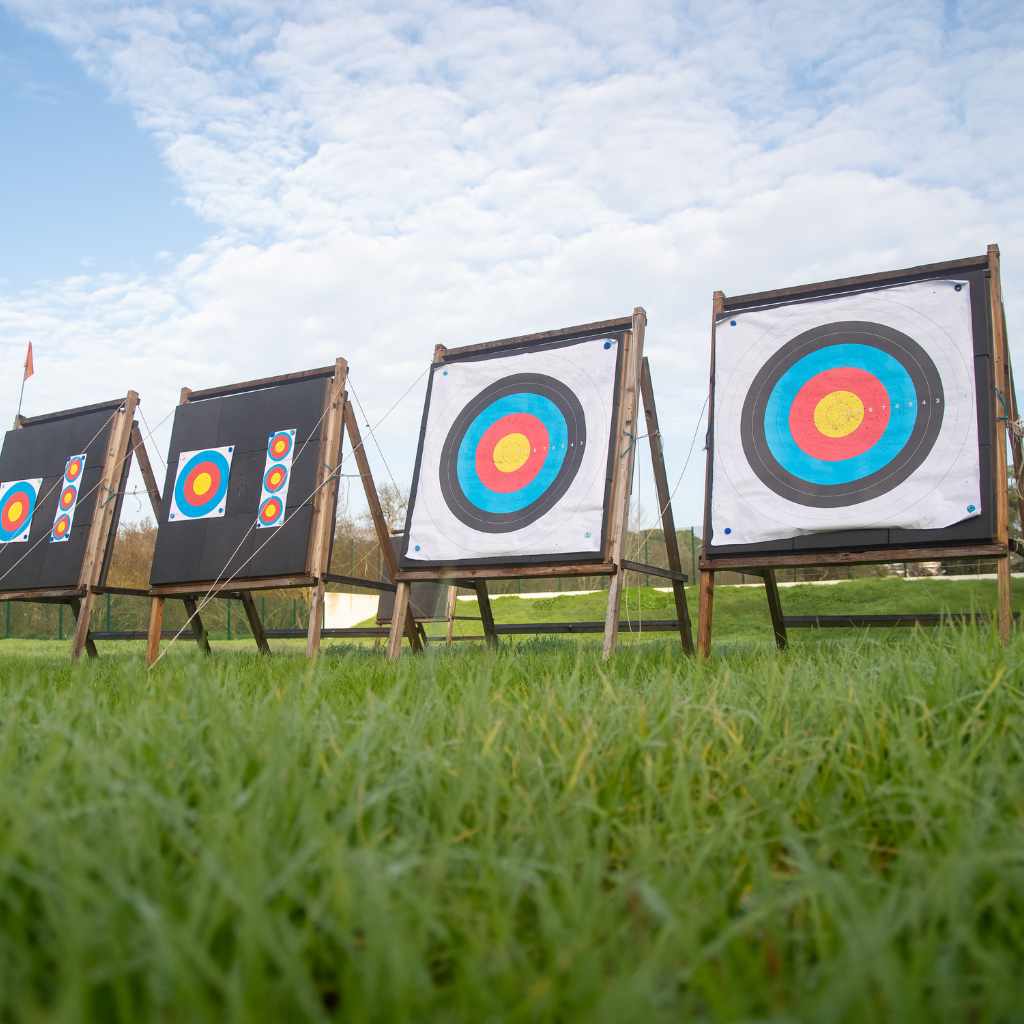
Carpet Targets: The Durable Alternative
Carpet targets, often called “layer targets,” achieve their stopping power by using friction from many tightly packed layers of looped carpet remnants or heavy-duty fabric rug padding. They rely on compression rather than material density alone.
Pros of Using Carpet Targets
When comparing carpet vs cardboard, carpet excels in longevity and consistent arrow retrieval.
- Excellent Stopping Power: The friction created by stuffing hundreds of layers together stops fast-moving arrows effectively, even those slightly heavier than what cardboard can handle.
- Easy Arrow Removal: Arrows glide in cleanly and usually pull out with minimal effort, keeping your arrows in better shape.
- Longevity: A well-packed carpet target can last months or even a year of moderate practice before needing significant overhaul.
- Noise Reduction: Carpet is quieter than cardboard when hit.
Cons of Using Carpet Targets
The main downsides relate to initial effort and material sourcing.
- Material Sourcing: You need a lot of material—old carpet scraps, rug padding, or sometimes even old yoga mats (though carpet pad is best).
- Initial Build Time: Packing the material densely into a frame takes significant effort and time.
- Weight: Once built, these targets are heavy and harder to move than simple cardboard boxes.
Building the Essential Carpet Archery Target
This method requires a simple wooden frame to hold the compressed carpet tightly.
- Determine Size and Frame: Decide on the shooting face size (e.g., 24”x24”). Build a simple, sturdy four-sided wooden box frame using 2x4s or plywood. It needs to be deep enough to accommodate 12–18 inches of packed material for moderate bows.
- Source Carpet: Contact local flooring stores for scrap remnants or padding cuts. Often, they will give away dense, tightly looped carpet pieces or rug padding if you ask politely. Avoid thin loop piles; aim for dense, thick material.
- Cutting Layers: Cut the carpet and padding into strips or pieces that fit your frame opening.
- The Packing Process (The Hard Part): This is where the magic happens. Start placing layers inside the box one by one. As you fill the box, you must compress the material as tightly as possible. You might need a heavy piece of wood and a heavy weight (or even stand on it) to compact the layers after every few inches are added.
- Securing the Face: Once packed solid, secure the top piece of wood tightly with long bolts or strong screws to keep maximum compression, which equals maximum stopping power.
Direct Comparison: Carpet vs Cardboard Archery Target
To make your decision simple, let’s put the key factors side-by-side based on the needs of a growing beginner archer.
| Feature | Cardboard Target (Well Stacked) | Carpet/Layer Target |
|---|---|---|
| Initial Cost | Very Low (Often Free) | Low to Moderate (Cost of frame/tape/straps) |
| Stopping Power (Under 30 lbs) | Good, but degrades quickly | Excellent and consistent |
| Stopping Power (Over 40 lbs) | Poor (High risk of pass-through) | Very Good (Needs deep packing) |
| Arrow Retrieval Ease | Moderate (Can tear out) | Excellent (Smooth release) |
| Durability/Longevity | Short (Days to weeks) | Long (Months to a year) |
| Build Effort | Very Low | High (Intense manual labor needed) |
When Should a Beginner Choose Cardboard?
Cardboard is the perfect starting point if:
- You are shooting a youth bow (under 20 lbs draw weight).
- You are practicing with suction cup or foam-tipped training arrows.
- Budget is your absolute number one concern, and you expect to replace the target frequently.
- You are building a temporary target for a single weekend event.
When Is It Time to Upgrade to Carpet?
Upgrading to a carpet target usually makes sense when:
- Your draw weight has reached 30 lbs or more.
- You notice arrows frequently punching through the center of your cardboard target.
- You are getting tired of replacing your target every few weeks.
- You want a reliable target that makes pulling arrows out easier, protecting your fletchings.
For serious practice, most experienced archers agree: the investment in time or money for a high-density carpet or layered foam target pays for itself in arrow safety and consistency.
Safety First: Target Placement is Essential, Regardless of Material
No matter if you choose the budget thrill of cardboard or the stopping power of carpet, target placement is non-negotiable for maintaining a safe archery range, whether in your backyard or at a club field.
The Importance of the Backstop
A backstop is the wall or barrier behind your target. Even the best target can fail, and projectiles should never fly past your intended stopping area. For any archer stepping beyond 25 lbs, a robust backstop is required.
For DIY safety solutions, consider these options:
- Old Fence or Wall: If you have a solid, immovable structure (like a thick block wall or heavy wooden fence that is designed to remain stationary), this is a solid base.
- Hay Bales: A tight stack of unused, dense hay bales works wonderfully. They absorb sound and stop missed arrows effectively. Ensure they are stacked securely so they won’t fall over.
- Commercial Stop Nets: For serious practice, professional-grade archery netting systems are available that stop arrows and safely drop them to the ground behind the target.
You can find guidance on safe backstop construction from safety organizations. For example, resources from the National Field Archery Association (NFAA) often detail safe shooting lanes and backstop requirements for varied arrow speeds. Always check local ordinances regarding projectile use in residential areas.
Caring for Your DIY Target to Maximize Life
Both targets will degrade over time, but proper care extends their useful life significantly.
Carpet Target Maintenance
The enemy of the carpet target is settling and uneven pressure.
- Re-tighten Compression: If you notice your arrows starting to penetrate deeper (a sign the carpet is loosening), take the time to remove top bolts and re-compress the material inside the frame, tightening the bolts down again.
- Rotate the Face: Do not shoot the exact same spot repeatedly. Rotate the target face so you are hitting an area that hasn’t been used much.
- Prevent Water Damage: Keep the target covered when not in use, especially during rain, to prevent the wood frame from warping and the carpet filling from rotting or absorbing moisture.
Cardboard Target Refresh
Cardboard targets require more frequent, total replacement, but here is how to stretch their life:
- Target the Edges: On your first few shots, aim for the outer edges where the cardboard layers are bunched thickest, saving the center for later.
- Patching Holes: When a hole appears, stuff the hole tightly with wadded-up newspaper or extra cardboard scraps and secure it with tape before shooting at that spot again.
- Moisture Control: Cardboard must stay dry. If it gets wet, the stopping power vanishes instantly.
When to Move to Commercial Targets
While building budget targets is fun and educational, there comes a point where pre-made commercial targets simply offer superior performance that is hard to replicate safely at home.
Commercial targets fall into two main categories worth knowing about:
1. Bag Targets
These are heavy canvas or vinyl bags filled with shredded proprietary foam or tightly packed synthetic materials. They are very similar in principle to a well-made carpet target but are factory-made for consistency. They retrieve arrows easily and work well for mid-range poundages (30–55 lbs).
2. Block Targets (Foam)
These are made from dense, layered foam blocks (often polyethylene foam). They offer the absolute best stopping power and arrow retrieval for compound shooters or high poundages (50+ lbs). While expensive upfront, they last a very long time if arrows are consistently hit in the same general zone.
If you plan on moving into heavier bows or serious competitive practice, saving up for a high-quality block target will significantly improve your practice experience and arrow lifespan compared to even the best DIY setup.

Frequently Asked Questions (FAQ) for Budget Target Builders
Q1: Can I shoot my compound bow directly into standard shipping cardboard?
A: Generally, no. Standard shipping cardboard is fine for youth recurves (under 20 lbs). A compound bow, even set low, sends arrows too fast, often piercing straight through the center of untreated, loosely stacked boxes. You must either stack dozens of layers tightly or upgrade your materials.
Q2: Is rug padding the best material for a DIY carpet target?
A: Yes, dense bonded rug padding is often preferred over thin carpet scraps because it is already thick and designed to be compressed. Look for padding that feels firm and heavy, not light and spongy.
Q3: How do I know if my carpet target is packed tightly enough?
A: If you can press your thumb more than half an inch into the target face using heavy pressure, it is likely not packed tightly enough for anything over 35 lbs of draw weight. It should feel very solid and resistant to pushing.
Q4: Will shooting carpet damage my arrow tips?
A: No, carpet is one of the gentlest materials on arrow tips because it grips the arrow shaft rather than slamming it dead instantly against a hard surface. Arrow removal is clean and usually results in no damage to the points or fletchings.
Q5: How deep should my DIY target be?
A: For beginner recurves (under 30 lbs), aim for at least 10–12 inches of depth. If you are using a compound bow or anticipate moving up in draw weight soon, aim for 16–18 inches of compressed material depth to ensure proper stopping.
Q6: What is the absolute safest target for a 12-year-old with a 15 lb take-down bow?
A: A tightly stacked cardboard box target is perfectly safe and cost-effective for this setup, provided you always maintain a safe backstop (like a solid wall or blanket) behind it. The chance of a pass-through is very low at that power level.
Conclusion: Making the Right Choice for Your Archery Journey
Deciding between a carpet vs cardboard archery target ultimately comes down to where you are on your shooting journey. Cardboard is the ultimate low-cost training aid for familiarizing yourself with aiming and release mechanics with low-poundage gear. It lets you start shooting today with materials you already possess.
However, as your skills improve, your equipment evolves, and your draw weight naturally increases, cardboard will quickly become unreliable and potentially unsafe due to pass-throughs. This is precisely when the durability and superior, friction-based stopping power of a well-built, compressed carpet target become an essential investment. Upgrading ensures your arrows fly straight, retrieve easily, and, most importantly, stop safely every single time. Choose the target that matches your arrow’s current speed and power, always prioritize safety with a good backstop, and enjoy the confidence that comes from consistent practice! Happy shooting!