DIY Archery Target: Cheap, Durable Backyard Build
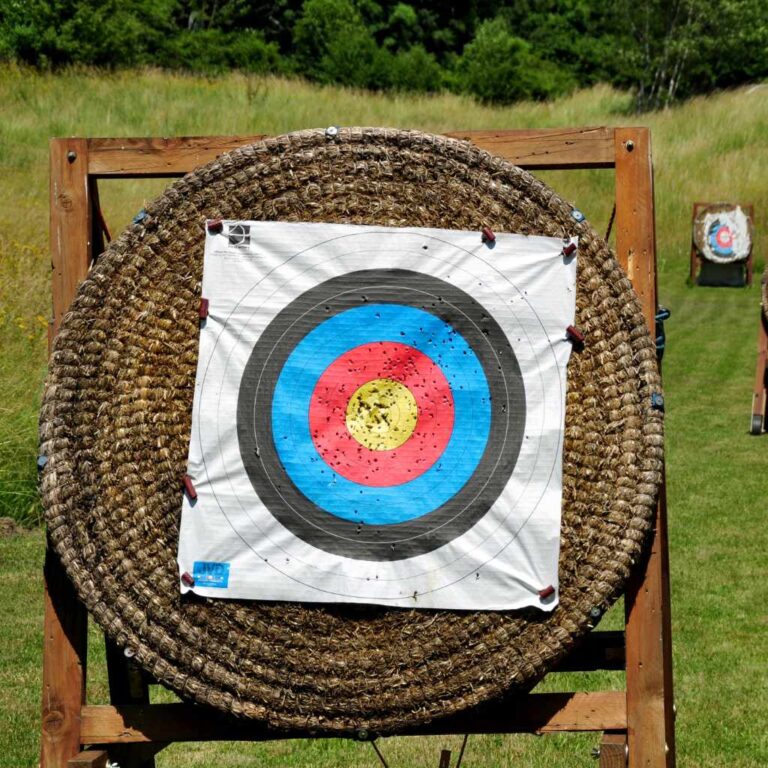
Build a DIY archery target from layered cardboard, foam blocks, or a rope-stuffed box frame — all materials that stop arrows safely without denting your budget. Skip a poorly-packed target and arrows punch through, damaging fletching or whatever is behind it. This guide covers the simplest, most effective design plus step-by-step build instructions.
Why Build Your Own Archery Target? The Beginner’s Advantage
When you first start shooting, having a reliable spot to aim is crucial. A good target absorbs impact well, stops arrows without damage, and lets you retrieve them easily. Commercial targets are great, but they cost money that could go toward more arrows or practice time!
Here are the main reasons why a DIY target is the perfect starting point for any new archer:
- Cost-Effectiveness: Materials like layered cardboard or recycling plastics are extremely cheap or free.
- Customization: You control the size and stopping power needed for your specific bow draw weight (check local safety guidelines for maximum poundage allowed for DIY targets).
- Durability Testing: Building one helps you understand what actually stops an arrow, improving your gear understanding.
- Immediate Practice: No waiting for shipping; start practicing today!

Safety First: Understanding Target Requirements
Before cutting any material, we must talk safety. A target’s only job is to stop your projectile safely. If your target lets an arrow pass through or causes the arrow to shatter upon impact, it creates a dangerous situation.
For beginners using recurve or compound bows under 40 lbs (a common starting weight), the material needs depth and density. Never practice without a safe backstop behind your target.
Essential Safety Check for Bow Weight
The material you choose must match your bow’s draw weight. Heavier bows launch arrows with much more kinetic energy.
| Bow Type/Draw Weight (Lbs) | Recommended DIY Target Depth (Inches) | Best DIY Material Type |
|---|---|---|
| Recurve/Longbow (Under 30 lbs) | 8–10 inches | Layered Cardboard or Utility Foam |
| Compound/Recurve (30–50 lbs) | 12–16 inches | Bag Target (Stuffed) or Compressed Foam |
| High-Powered Bows (50+ lbs) | Professional Stop Mats Only | Avoid DIY for serious stopping power. |
Safety Reminder: Always check local regulations regarding archery shooting areas and backstops. For educational resources on range safety, consult organizations like USA Archery guidelines when setting up any shooting area.
The Two Proven Essential Builds for Beginners
We will look at the two easiest and most effective DIY targets: The Layered Cardboard Stop and the Economy Foam Block Target.
Best DIY Target Face Pick

suituts Archery Target Paper Bullseye (100pk)
A 100-pack of printed bullseye faces to staple onto your DIY cardboard or foam build, matching the target-face options covered in this guide.
- Best for: giving your homemade target a real aiming point instead of guessing at center
- Why we picked it: 100 faces means you won’t run out mid-season, cheap per-face cost
- Main drawback: paper faces tear faster than the vinyl ones sold with commercial targets
Compare more DIY target build essentials
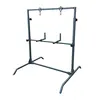 Option 1: Stand Highwild Archery Target Stand
| 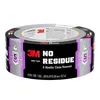 Option 2: Tape 3M No Residue Duct Tape
|  Option 3: Budget MOLFUJ Archery Target Paper (Budget)
|
As an Amazon Associate we earn from qualifying purchases.
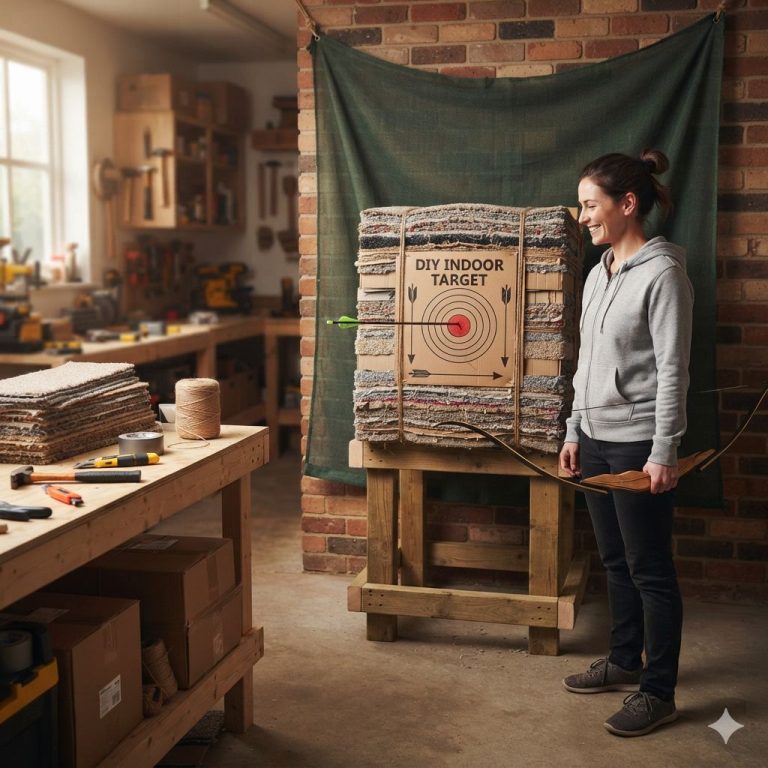
Build 1: The Ultra-Affordable Layered Cardboard Target
This is the cheapest method and works surprisingly well for lighter bows (under 30 lbs). The key is tight layering.
Tools and Materials Needed
- Sturdy Cardboard Boxes (lots of them—the thick, double-walled variety is best).
- Heavy-Duty strapping tape or very strong duct tape.
- A sharp utility knife or box cutter.
- A flat, stable surface for cutting/stacking.
- Optional: A large piece of plywood for a sturdy frame/backstop support.
Step-by-Step Assembly Instructions
The goal is to create a dense block where the arrow has to push through dozens of layers of tightly packed paper fibers.
- Source & Prepare Cardboard: Collect your boxes. Remove all packing tape, staples, and labels. You want mostly flat, clean cardboard sheets.
- Flatten and Cut Uniform Pieces: Decide on the final dimensions of your target face (e.g., 24 inches by 24 inches). Cut all your cardboard pieces to this exact dimension. Consistency is vital for tightness.
- Stacking Phase (The Core): Begin stacking the pieces tightly on top of each other. If you are aiming for a 10-inch depth, stack until you reach that height, pressing down hard between every 10–12 layers.
- Compression and Taping: Once you have your stack, this is the most important part. Apply heavy compression. You can use strong clamps or enlist a few strong friends to press down. While compressed, wrap the entire block tightly. Start by wrapping completely around the middle, then secure the top and bottom edges heavily with industrial strapping tape.
- Final Wrap: Wrap the target like a present, ensuring every layer is held fast by the tape. The tighter you wrap it, the better it will stop arrows and the longer it will last.
- Mounting: Stand the target upright. If you notice any bulging, reinforce those areas with more tape. You can place this block against a strong wooden backstop for safety.
Retrieval Tip for Cardboard: Arrows often stick harder in cardboard. Pouring a small bit of cooking oil or spray lubricant on the arrow shaft just before pulling can help ease removal.
Build 2: The Foam Block Target (The Best DIY Stopper)
If you can afford slightly more, using recycled foam is superior for stopping arrows, especially for medium draw weights (up to 50 lbs). Many packaging companies throw away large blocks of dense Styrofoam or polyethylene foam.
Where to Find Foam
This is often the hardest part. Look for:
- Appliance stores (refrigerators, TVs).
- Shipping centers that deal with large electronics.
- Local construction sites (check for rigid insulation foam).
Tools and Materials Needed (Foam Build)
- Dense Foam Blocks (The thicker the density rating, the better—aim for packing density, not egg-crate foam).
- Heavy-duty ratchet straps or extremely strong rope.
- Measuring tape and a long, sharp serrated knife (like a bread knife or specialized foam cutter).
- Sturdy plywood for the front and back plates (optional, but highly recommended for structure).
Step-by-Step Assembly Instructions
Foam targets rely on shear forces; the arrow must cut through layers of uniform material.
- Determine Size and Cut Foam: Cut your foam pieces to the desired size (e.g., 20×20 inches). For arrow stopping, many archers use a “Z” or chevron pattern layering, but for simplicity, we will stack square blocks. Aim for at least 12 inches of total depth.
- Stacking: Stack the foam blocks. If you are using mixed densities, place the densest foam in the middle.
- The Compression Shell (Crucial Step): This build requires external compression. Wrap the entire stack tightly with ratchet straps. Cinch these straps down until the foam visibly compresses. This squeezing action makes the foam surfaces grip the arrow shaft better upon entry.
- Adding Plywood Plates (Optional but Recommended): Cut two pieces of thin plywood (about 1/4 inch thick) slightly larger than your foam block. Place one on the front and one on the back. This keeps the foam from blowing out the sides upon repeated shooting and adds rigidity.
- Securing the Plates: If using plates, drill holes through the foam near the edges and screw the front and back plates together through the foam using long bolts or wood screws. This replaces the need for external straps for long-term use, creating a rigid box.
- Finishing Touches: Place a paper target face on the front. You can use large binder clips or tape to hold it in place.
Comparing the Essentials: Foam vs. Cardboard
Choosing between the two methods depends on your budget and bow strength. Here is a quick comparison:
| Feature | Layered Cardboard Target | Dense Foam Block Target |
|---|---|---|
| Approximate Cost | Extremely Low (Near Zero) | Low to Moderate (Depends on foam source) |
| Arrow Stopping Power | Good for low poundage (<30 lbs) | Excellent for medium poundage (<50 lbs) |
| Arrow Removal Difficulty | Moderate to High (Can stick hard) | Easy to Moderate (Very smooth removal) |
| Durability/Lifespan | Low (Requires frequent rebuilding) | Moderate (Can be rotated) |
| Ease of Building | High (Lots of taping required) | Moderate (Requires strong compression method) |
Pro Tip: Target Maintenance and Making It Last Longer
Part of being a smart archer is maintaining your gear. Even a great DIY target won’t last forever, but you can maximize its lifespan:
The Importance of Rotation
Every time an arrow hits the exact same spot, that area loses density and stopping power. To combat this:
- Spin the Face: If you are using a square or round target, after every 50–100 shots, rotate the entire target 90 degrees.
- Use Multiple Faces: If your target is large enough, draw several target faces on one side, spaced well apart. Shoot one zone until it’s dense with holes, then move to the clean zone.
- Address Penetration: If you notice arrows starting to pass through the target face and hit the ground or wall behind it, STOP shooting and immediately add more depth or compression to your target.
Field Dressing Your DIY Target
Cardboard targets degrade best when they are dry. If cardboard gets wet, it collapses quickly, rendering it useless and potentially dangerous.
Cardboard: Keep it covered when not in use. If it gets soaked, you must dry it completely or rebuild it.
Foam: Foam handles moisture better, but repeated dampness can promote mold or material breakdown. Always store foam targets under a shed roof or plastic covering when left outside.
Advanced Addition: Building an Enclosed Target Butt
Once you master the core material, you might worry about arrows falling over or your target tipping in the wind. A simple exterior frame works wonders. This step is often necessary if you plan to shoot outdoors regularly.
Materials for a Simple Frame
- Four 2×4 pieces of lumber (for the corner posts).
- Plywood pieces for the sides and an extra sturdy back panel.
- Screws and a drill.
How to Frame Your Target
This frame acts like a sturdy wooden box designed to hold your tightly wrapped foam or cardboard core securely in the center, protecting the sides from stray shots and adding weight.
- Measure the Core: Measure the exact width and depth of your finished cardboard or foam core.
- Cut Side Panels: Cut two pieces of plywood to match the target’s height and depth. These will be the sides.
- Build the Back: Cut a piece of plywood to match the height and width of the target face. Attach this firmly to the bottom of the two side panels using screws. This is your sturdy backstop.
- Insert Core: Slide your compressed target core snugly into the wooden structure you have created, ensuring it fits tight against the back panel.
- Top Panel: Cut and screw the final piece of plywood across the top. You now have a reinforced target box. The wood frame prevents the compression straps or sides from bulging outward, dramatically increasing the structure’s lifespan.
Target Face Selection: Making Practice Meaningful
A target is just a stopper; you need targets to aim at! For beginners, simplicity is key.
Target Face Options
| Target Type | Best For | How to Attach to DIY Target |
|---|---|---|
| Printed Paper Faces | Scoring practice, sighting in | Masking tape around the edges, large binder clips, or Staples (if foam). |
| DIY Circles (DIY Spot) | Extreme close-range focus practice | Use chalk or spray paint directly onto the target surface. |
| Commercial Foam Dots (Renewable) | High-volume practice | These stick onto the surface with Velcro or are held by pressure. |
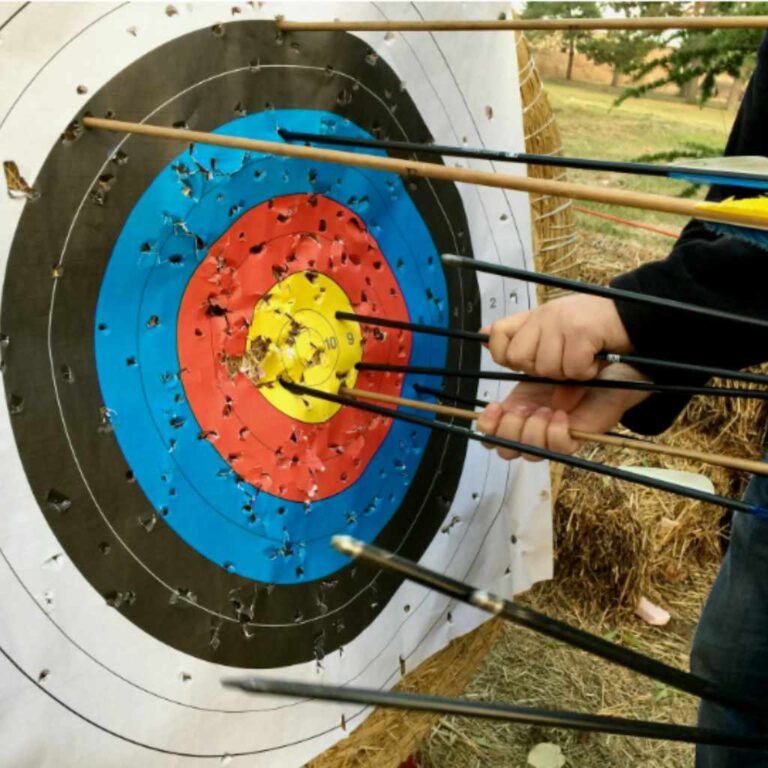
Tip: Many organizations provide free printable target faces online. Look for standard 40cm faces for a good starting challenge. Make sure your target is large enough to accommodate these standard sizes!

Frequently Asked Questions (FAQ) for Beginner DIY Target Builders
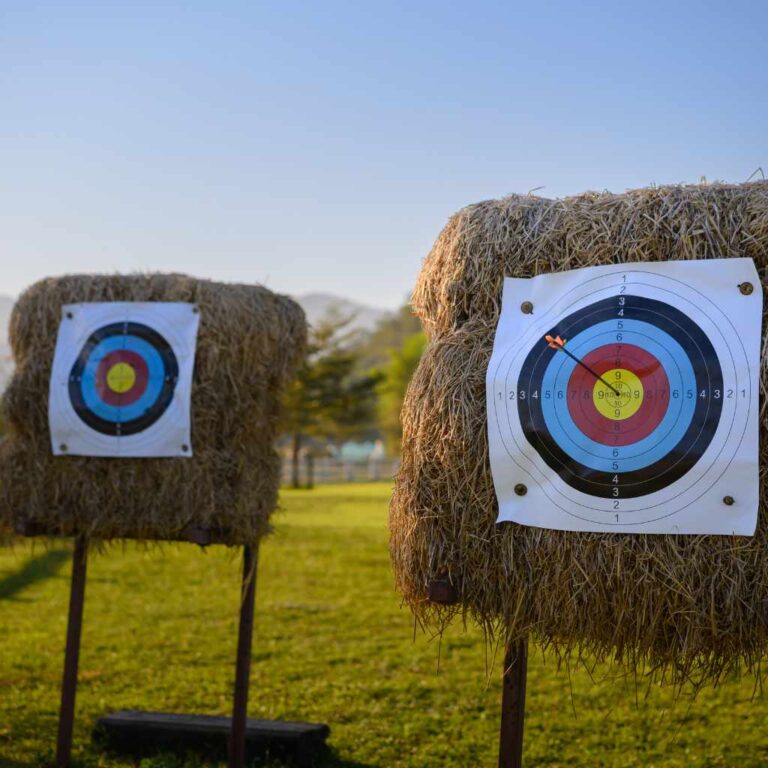
Q1: Can I use hay bales for a DIY archery target?
A: Hay bales are typically only suitable for very low-poundage beginner bows (like junior bows under 20 lbs) or practice shots from excessive distances. They break down very quickly, shed straw everywhere, and often do not stop arrows from passing through completely, making them unsafe for most modern equipment.
Q2: How many layers of cardboard do I need for a 35 lb recurve bow?
A: For a 35 lb bow, you should aim for at least 14–16 inches of compressed cardboard depth. You must test this depth extensively in a controlled, safe area (like inside a large wooden box) before shooting at full power without a proper backstop.
Q3: My arrows are too hard to pull out of the cardboard target. What should I do?
A: This is common! Before pulling, use your non-dominant hand to push the material immediately around the shaft slightly inward, creating space. Dusting the shaft lightly with talcum powder or a tiny bit of cooking oil spray can also significantly reduce friction while pulling.
Q4: Can foam targets handle cold weather?
A: Yes, foam handles cold much better than cardboard. However, extremely cold foam can become slightly more brittle. It is always best practice to bring any target (especially foam) into a garage or shed during freezing temperatures when not in use to maximize its lifespan.
Q5: Should I shoot a layered cardboard target without wrapping it?
A: Absolutely not. Unwrapped cardboard stacks will immediately slide apart upon the first impact. The external strapping or framing is what applies the necessary, consistent compression required to stop the arrow. Wrapping is non-negotiable for cardboard builds.
Q6: Where can I find safe, free rigid foam for an archery target?
A: Check local recycling centers or industrial parks. Many electronics retailers (like those selling large TVs or AC units) receive highly dense foam packaging intended for disposal. Always ask permission before taking materials from a business.
Q7: How often should I replace my DIY target face?
A: This depends entirely on usage. If you practice daily, you might replace a paper face every week or two due to wear. If you only shoot on weekends, it might last a month or more. Replace it when the scoring rings are obscured by overlapping holes.
Conclusion: Ready, Aim, Build!
You now have the knowledge to create a proven, essential archery target right in your own space. Whether you opt for the almost free layered cardboard or the highly effective compressed foam block, the main takeaway for any beginner is density and compression. A target that is tightly bound and deep enough for your current bow weight is a safe target.
Don’t let equipment costs stop your practice schedule. By taking this small DIY step, you have invested directly into safer, more consistent shooting sessions. Take the next step, gather your materials this weekend, and enjoy the satisfaction of shooting at something you built yourself. Now that your practice station is ready, focus on your form, enjoy the process, and celebrate every tight grouping you earn! Happy shooting!