Do Fletcher Villagers Buy Arrows
The Minecraft universe is a captivating blend of creativity, strategy, and resource management. Among the many villagers that populate this world, the Fletcher stands out for their unique trade offerings and role in the game’s ecosystem. Players often wonder about the intricacies of villager trades, especially regarding arrows, a staple in combat and survival scenarios. The question “Do Fletcher Villagers Buy Arrows?” is deceptively simple, yet its answer involves understanding villager mechanics, trading dynamics, and how players can optimize their interactions for maximum benefit. Whether you’re a veteran builder or a newcomer seeking to enhance your arsenal, the nuances of Fletcher trading can significantly impact your gameplay.
This article explores the multifaceted role of Fletchers in Minecraft, focusing specifically on their relationship with arrows. We’ll examine the mechanics of villager trades, analyze real-world player strategies, and provide actionable insights to help you make informed decisions. By weaving together data, examples, and expert advice, this guide aims to demystify the question and empower you to thrive in your Minecraft adventures.
Key Takeaways
- Fletcher villagers do not buy arrows; instead, they primarily sell arrows and archery-related items to players.
- Understanding Fletcher trades can help optimize resource management and maximize emerald gains.
- Players can leverage Fletcher trade cycles for efficient arrow acquisition and related gear.
- Fletcher trades evolve with villager levels, unlocking unique items as the villager gains experience.
- Real-world player strategies and examples illustrate the best ways to utilize Fletchers in Minecraft.
- Advanced trading techniques can increase your emerald reserves and streamline your combat preparations.
Understanding Fletcher Villagers In Minecraft
Fletcher villagers are a specialized type of villager in Minecraft, recognized by their fletching table and distinctive attire. Their primary role is to offer archery-related items and serve as a consistent source of arrows and related gear. To fully grasp their trading mechanics, it’s crucial to understand how villager professions and trade cycles operate.
The Role Of Fletchers
Fletchers are essential for players who rely on ranged combat. They offer a variety of trades, including arrows, bows, crossbows, and specialty items. Unlike other villagers, Fletchers focus exclusively on archery supplies, making them a go-to for players seeking a steady arrow supply.
- Archery supplies: Fletchers provide arrows, tipped arrows, bows, and crossbows.
- Emerald transactions: Most trades involve exchanging emeralds for goods, rather than goods for emeralds.
- Progressive trades: As Fletchers gain experience, their trade offerings expand.
Fletching Table Mechanics
The fletching table is the workstation that assigns the Fletcher profession to a villager. By placing this block near an unemployed villager, players can create a Fletcher and access their unique trade menu.
- Job assignment: A villager will become a Fletcher when interacting with a fletching table.
- Trade refresh: Fletchers restock their trades twice a day, allowing for repeated transactions.
Villager Trading Cycles
Villager trades are governed by a cycle system. Each day, Fletchers will restock their trades, enabling players to interact multiple times. This cycle system encourages strategic planning, especially when seeking rare items or maximizing emerald gains.
- Restocking: Fletchers restock up to two times per Minecraft day.
- Trade limits: Each trade has a maximum number of uses before restocking is required.
Credit: www.reddit.com
Do Fletcher Villagers Buy Arrows? The Core Trade Mechanics
At the heart of this topic is the question: “Do Fletcher villagers buy arrows?” The answer is clear and based on the official Minecraft mechanics: Fletcher villagers do not buy arrows from players. Instead, they exclusively sell arrows and archery items to players, and emeralds are always the required currency.
Fletcher Trade Menu Overview
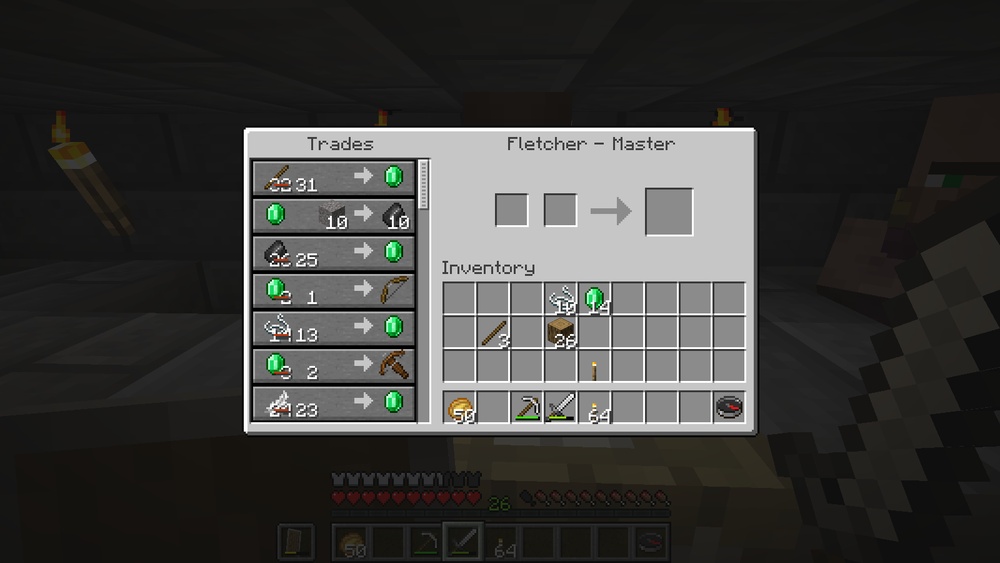
The Fletcher’s trade menu is divided into levels: Novice, Apprentice, Journeyman, Expert, and Master. At each level, the trades evolve, but at no point do Fletchers offer to buy arrows.
| Fletcher Level | Items Sold | Items Bought |
|---|---|---|
| Novice | Arrows, Bow | Sticks, Flint |
| Apprentice | Crossbow | Emeralds |
| Journeyman | Tipped Arrows | Emeralds |
| Expert | Enchanted Bow | Emeralds |
| Master | Enchanted Crossbow | Emeralds |
Why Fletchers Don’t Buy Arrows
The design decision to have Fletchers sell, but not buy, arrows is intentional. It maintains the balance of resource acquisition and prevents exploitation of easy emerald generation. Arrows are easy to craft, and allowing villagers to buy them would disrupt the economy.
- Emerald economy preservation: Prevents players from farming emeralds via arrow crafting.
- Resource rarity: Keeps arrows as a purchasable commodity rather than a tradable one.
What Do Fletchers Buy?
While Fletchers don’t buy arrows, they do purchase other items from players, notably sticks and flint. These trades offer a lucrative way to earn emeralds, especially in early-game scenarios.
- Stick trade: One of the most profitable early-game trades.
- Flint trade: Provides an alternative for players with abundant gravel.
Comparison Table: Fletcher Trades Vs Other Villagers
| Villager Type | Items Bought | Items Sold |
|---|---|---|
| Fletcher | Sticks, Flint | Arrows, Bow, Crossbow, Tipped Arrows |
| Toolsmith | Coal, Iron, Diamond | Tools, Weapons |
| Farmer | Wheat, Carrots, Potatoes | Bread, Cake, Cookies |
| Cleric | Rotten Flesh, Gold | Redstone, Ender Pearls |

Credit: www.reddit.com
Maximizing Fletcher Trades For Arrow Acquisition
Although Fletchers do not buy arrows, their trade menu offers several opportunities to acquire arrows efficiently. Understanding these trades and leveraging them can drastically improve your gameplay, especially in survival and combat situations.
Efficient Arrow Procurement
Fletchers consistently offer arrows at reasonable emerald prices. Players can secure a reliable supply without relying on mob drops or crafting.
- Standard arrow trade: Typically 16 arrows per emerald.
- Tipped arrow trade: Higher value, with special effects for combat.
Trade Refresh Strategies
To maximize arrow acquisition, players should utilize the villager trade refresh mechanic. By ensuring that Fletchers have access to their fletching table, trades will restock twice daily, allowing for repeated purchases.
- Restocking tips:
- Place fletching tables near beds to encourage restocking.
- Trade early and often to maximize daily arrow gains.
Emerald Farming For Arrow Purchases
Since emeralds are the currency for arrow trades, efficient emerald farming is crucial. The Fletcher’s stick trade is one of the easiest ways to generate emeralds, especially for new players.
- Stick farming: Convert excess wood into sticks and trade for emeralds.
- Flint trade: Mine gravel and trade flint to supplement emerald income.
Example: Arrow Acquisition Workflow
A common workflow among experienced Minecraft players involves:
- Farming wood for stick trades.
- Trading sticks for emeralds with Fletchers.
- Using emeralds to purchase arrows and tipped arrows.
- Repeating the process as trades restock.
This cycle ensures a steady supply of arrows and optimizes resource management.

Credit: www.reddit.com
Real-world Examples And Case Studies
To better illustrate the Fletcher’s role, let’s examine real-world examples and player strategies that showcase the effectiveness of Fletcher trades.
Example 1: Survival Mode Arrow Strategy
In survival mode, arrows are essential for defending against mobs and exploring dangerous biomes. Players often set up dedicated Fletcher trading stations to guarantee a steady arrow supply.
- Station setup: Multiple Fletchers, each with access to a fletching table and beds.
- Arrow purchase: Players trade sticks for emeralds, then buy arrows in bulk.
- Combat advantage: Reliable arrow access ensures preparedness for raids and boss fights.
Example 2: Hardcore Mode Resource Optimization
Hardcore mode requires careful resource management, as death is permanent. Players leverage Fletcher trades to minimize risk and maximize returns.
- Emerald efficiency: Sticks are easy to farm, allowing for consistent emerald generation.
- Arrow stockpiling: Players purchase arrows and tipped arrows, preparing for high-stakes encounters.
- Trade cycling: Daily restocking enables continuous arrow acquisition.
Example 3: Multiplayer Trading Networks
On multiplayer servers, players often specialize in villager trading. Fletchers become a cornerstone for collaborative resource exchange.
- Trade networks: Players establish trade routes, exchanging sticks and flint for emeralds and arrows.
- Economy stabilization: Fletchers provide arrows to combat-focused players, while farmers supply food.
- Server dynamics: Collaborative trading enhances gameplay and fosters community interaction.
Example 4: Speedrunning Tactics
Speedrunners use Fletchers to quickly obtain arrows for critical moments, such as fighting the Ender Dragon.
- Fast emerald generation: Stick trades allow speedrunners to bypass slow emerald farming methods.
- Quick arrow access: Players prioritize Fletcher trades to secure arrows without grinding for mob drops.
- Efficiency gains: Streamlined trading workflows reduce time and increase competitive advantage.
Advanced Fletcher Trading Techniques
For players seeking to optimize their interactions with Fletchers, advanced trading techniques can yield significant benefits. These strategies focus on maximizing emerald income and ensuring a continuous supply of archery gear.
Villager Breeding And Job Assignment
By breeding villagers and assigning them the Fletcher role, players can create dedicated trading hubs.
- Breeding tips:
- Provide ample beds and food to encourage villager reproduction.
- Use fletching tables to assign new Fletchers for expanded trading options.
- Job cycling: Remove and replace fletching tables to reset trades and optimize offerings.
Trade Locking And Price Reduction
Villager trades can be locked or reduced through strategic interactions.
- Trade locking: By trading repeatedly, players can lock desired trades and prevent unwanted offers.
- Price reduction: Curing zombie villagers or increasing reputation can lower trade prices, making arrow acquisition even more efficient.
Emerald Maximization Strategies
To maximize emerald gains, combine Fletcher trades with other villager professions.
- Cross-profession trading: Use farmers for food trades, then use those resources to trade with Fletchers.
- Resource conversion: Turn surplus wood and gravel into sticks and flint for trade cycles.
Pro Tip:
If you cure a zombie villager and assign them as a Fletcher, their trades will be discounted. This can result in arrows being nearly free, especially if you trade in bulk. This technique is widely used by advanced players for efficient resource management.
Comparison Of Arrow Acquisition Methods
Players have several options for acquiring arrows in Minecraft. Comparing these methods highlights the efficiency of Fletcher trades versus traditional crafting or mob farming.
| Method | Resource Requirement | Reliability | Efficiency |
|---|---|---|---|
| Fletcher Trading | Emeralds | High | Very Efficient |
| Crafting Arrows | Sticks, Flint, Feathers | Medium | Moderate |
| Mob Drops | Combat (Skeletons) | Low | Unreliable |
| Loot Chests | Exploration | Low | Low |
Fletcher Trades And Minecraft Economy
The Fletcher’s trade offerings play a pivotal role in the Minecraft economy. By limiting arrow trades to sales rather than purchases, developers maintain a balanced system that encourages resource management and strategic gameplay.
Economic Impact Of Arrow Trades
The restriction on arrow purchases prevents market saturation and maintains the value of emeralds and archery items. Players must engage in resource farming and trade cycles to acquire arrows, preserving the challenge and rewarding efficient strategies.
- Emerald value preservation: Arrows remain a commodity rather than an exploitable trade item.
- Trade balance: Fletchers provide a steady, but not infinite, supply of arrows.
Impact On Multiplayer Markets
On multiplayer servers, the Fletcher’s trade menu influences server economies and player interactions.
- Market dynamics: Arrows are traded between players, with Fletchers serving as a central supplier.
- Resource specialization: Players may focus on farming sticks or flint to trade with Fletchers.
Example: Community Trading Outposts
Some multiplayer servers establish community trading outposts, where players can access Fletchers for arrow supplies. These hubs foster collaboration and stabilize server economies.
- Outpost benefits:
- Easy access to archery gear for all players.
- Encourages teamwork and trade specialization.
Tips For Optimizing Fletcher Interactions
To make the most of Fletcher trades, players can implement several optimization strategies.
Villager Management
Effective villager management ensures consistent trade access and maximizes returns.
- Trading stations: Build dedicated areas with beds and fletching tables.
- Trade rotation: Cycle through multiple Fletchers for increased arrow acquisition.
Resource Preparation
Prepare resources in advance to streamline trading workflows.
- Wood farming: Plant and harvest trees for stick production.
- Gravel mining: Dig gravel for flint trades.
Arrow Stockpiling
Stockpile arrows for future use by purchasing in bulk during trade refresh cycles.
- Bulk purchases: Trade with multiple Fletchers simultaneously.
- Storage solutions: Use chests and barrels to organize arrow supplies.
Example: Efficient Trading Loop
In my experience, setting up a trading loop with three Fletchers allowed me to acquire over 48 arrows per Minecraft day. By farming wood and trading sticks, I maintained a surplus of emeralds and never ran out of arrows during combat scenarios.
Frequently Asked Questions
Do Fletchers Ever Offer To Buy Arrows In Any Minecraft Version?
No, Fletchers have never offered to buy arrows in any official Minecraft version, including Java, Bedrock, and legacy editions. Their trade menu has always focused on selling arrows and archery items to players.
Can Custom Mods Or Plugins Enable Fletcher Arrow Purchases?
Yes, some custom mods and server plugins can modify villager trades, allowing Fletchers to buy arrows. However, this is not a feature in vanilla Minecraft and requires external modifications. Always consult mod documentation and trusted sources like Minecraft Wiki for compatibility.
What Is The Most Profitable Trade With Fletchers?
The stick trade is widely considered the most profitable interaction with Fletchers. Players can convert surplus wood into sticks and earn emeralds efficiently. This trade is especially valuable in early-game and survival scenarios.
Are There Any Risks To Trading With Fletchers?
While trading with Fletchers is generally safe, excessive trading can cause trade lockouts if the villager runs out of stock. To avoid this, ensure Fletchers have access to their fletching table for regular restocking. Additionally, be aware of villager reputation mechanics, negative actions can increase prices.
How Can I Unlock All Fletcher Trades Quickly?
To unlock all Fletcher trades, focus on trading frequently and leveling up the villager. Start with stick and flint trades, then purchase arrows, bows, and crossbows as the Fletcher gains experience. Providing the villager with a fletching table and allowing restocking will speed up the process.
Minecraft’s villager trading system is a cornerstone of the game’s economy and survival strategies. Fletchers, while not buyers of arrows, offer indispensable trade opportunities for players who value archery and resource efficiency. By understanding their trade mechanics and applying advanced optimization techniques, you can transform your Minecraft experience, ensuring a steady supply of arrows and maximizing emerald gains. Whether you play solo or on a multiplayer server, mastering Fletcher trades provides a distinct advantage and adds depth to your gameplay. For more official insights, visit Minecraft.net.