Do Snap on Nocks Affect Accuracy in Traditional Archery?
Traditional archery is about more than just hitting a target, it’s a blend of skill, instinct, and equipment working together. For many, the magic lies in the simplicity: a wooden bow, feather-fletched arrows, and the subtle feel of the string. But even the smallest part of your setup, like the nock on the arrow, can affect your results. Snap on nocks, a modern accessory, have become common in both target and field archery. But do snap on nocks affect accuracy in traditional archery? Many archers debate this, and the answer isn’t as simple as yes or no. Let’s explore how snap on nocks work, how they compare to other nock types, and what really matters when choosing nocks for traditional shooting.
What Are Snap On Nocks?
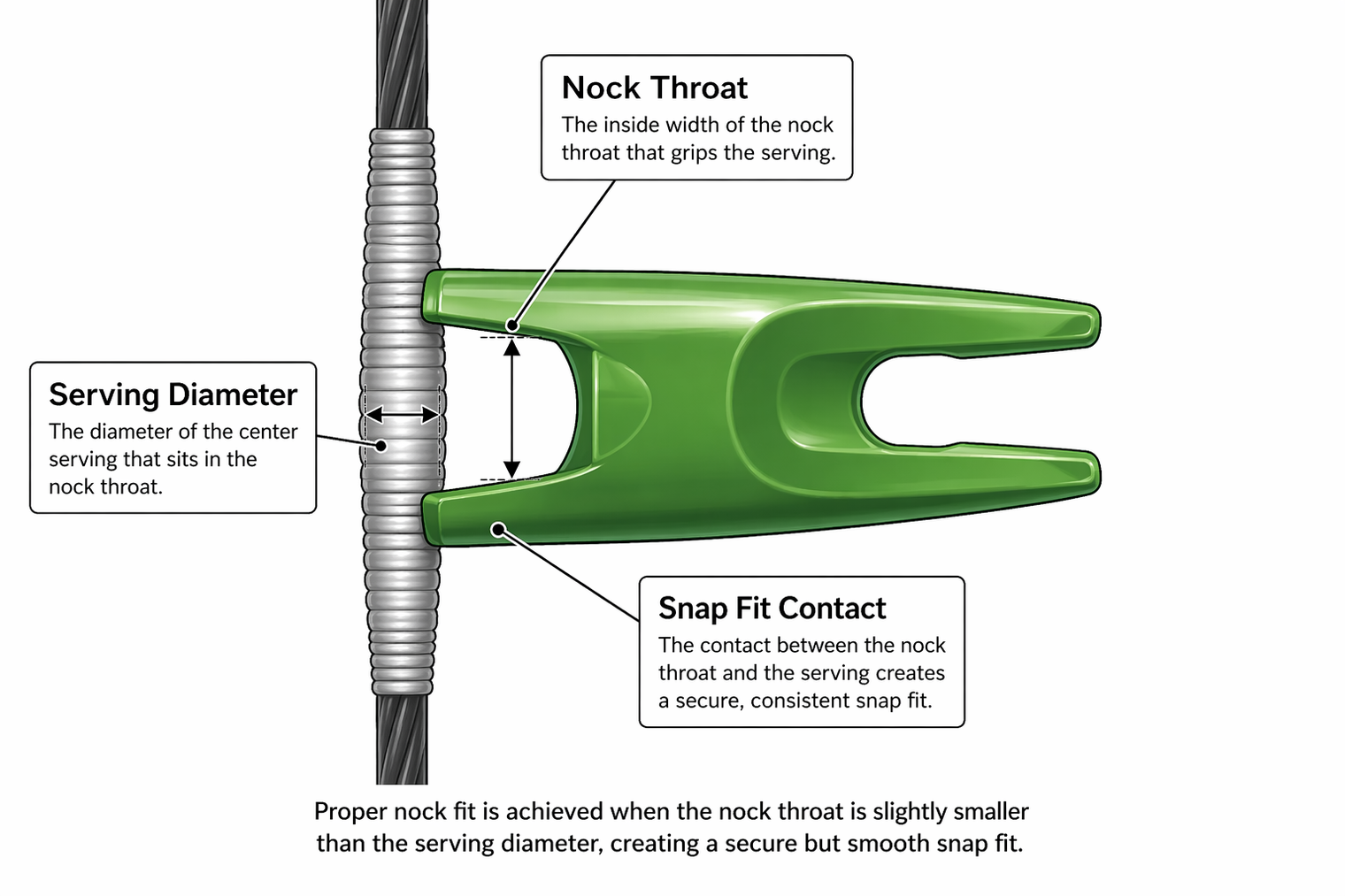
Snap on nocks are a type of arrow nock that clicks firmly onto the bowstring. They have a small groove that “snaps” over the serving of the string. This provides a secure hold, reducing the chance of the arrow falling off before the shot.
Traditional archers often use two main types of nocks:
- Snap on nocks: These grip the string tightly and make a distinct clicking sound.
- Pinch or slip-on nocks: These slide onto the string more loosely, relying on friction to stay in place.
Snap on nocks are usually made from durable plastic materials, molded for consistency. They’re available in different sizes to fit various string diameters. Some modern versions are translucent, allowing archers to see the fit and alignment easily.
Why Accuracy Matters In Traditional Archery
Accuracy is the heart of traditional archery. Whether you shoot for competition, hunting, or personal satisfaction, you want your arrows to fly straight and land close to where you aim. In traditional archery, even small inconsistencies, like a loose nock fit, can cause arrows to veer off target.
Unlike compound archers who rely on sights and mechanical releases, traditional shooters depend on instinct, muscle memory, and equipment consistency. Every part of the arrow, including the nock, must work together to ensure repeatable shots.
Pro Tip: In traditional archery, focus on one change at a time. If you switch to snap on nocks, test them before adjusting other gear. This helps you understand their true effect on your accuracy.
How Snap On Nocks Work
Snap on nocks have a special shape inside the groove that fits tightly onto the bowstring’s serving. When you press the nock onto the string, it “snaps” into place. This gives a consistent starting point for each shot.
Benefits Of Snap On Nocks
- Consistent placement: The snap ensures the nock sits at the same position every time.
- Prevents arrow drop: Especially helpful when shooting at angles or in windy conditions.
- Quick loading: The positive snap makes loading arrows faster in competition.
Drawbacks To Consider
- String wear: A tight snap can wear out the string serving faster.
- Noise: The snap sound can be distracting or alert game animals.
- Release feel: Some archers feel more resistance when releasing the string.
Comparing Nock Types In Traditional Archery
To understand if snap on nocks affect accuracy, it helps to compare them with other common nock styles. Here’s a quick side-by-side look:
| Feature | Snap On Nocks | Pinch/Slip-On Nocks | Self Nocks (Cut Into Wood) |
|---|---|---|---|
| Attachment | Clicks onto string | Slides on loosely | Carved groove, friction fit |
| Consistency | High | Variable | Depends on craftsmanship |
| Noise | Audible snap | Quiet | Silent |
| Durability | Very durable | Can wear out | Less durable |
| Traditional look | Modern | Traditional | Authentic |
Each type has its own fans. Some traditionalists prefer self nocks for their authentic style, while others like the reliability of snap on nocks.
How Snap On Nocks May Affect Accuracy
The main way snap on nocks affect accuracy is through consistency of release. When the nock grips the string the same way every time, you reduce one variable in your shot process.
Improved Nock Placement
A tight snap ensures the arrow stays at the nocking point. This means every arrow starts from the same place, helping with:
- Vertical grouping: Less variation in arrow height on the target.
- Repeatable anchor: Easier to build muscle memory.
String Clearance And Release
Snap on nocks hold the string tightly. When you release, the arrow separates cleanly. However, if the nock is too tight, it can cause the arrow to “stick” slightly and affect flight.
- Too tight: The arrow may “jump” or fly erratically.
- Too loose: The arrow can fall off or move before the shot.
Effect On Arrow Spine
Nock tightness also affects arrow spine, how much the arrow flexes. If the nock is too tight, the arrow can behave as if it’s stiffer, which might cause inconsistent flight, especially with wooden shafts.
Factors That Influence Nock Choice
Not all snap on nocks are created equal, and not all will fit your bowstring the same way. Here are the main factors to consider:
- String diameter: A thicker string needs a larger nock groove. Too small and the nock is overly tight; too large and it’s loose.
- Material: Most snap on nocks use plastic, but some use reinforced materials for strength.
- Nock fit: Good fit means the nock “snaps” on with a gentle click, but can be rotated with a little pressure.
- Arrow type: Wood, carbon, and aluminum shafts may need different nocks.
- Shooting style: Fast shooting styles (like field archery) may benefit more from snap on nocks.
Common Mistakes When Using Snap On Nocks
Even experienced archers can make mistakes when switching to snap on nocks. Watch out for these issues:
- Choosing the wrong size: Using a nock that’s too tight or too loose is a common problem. Always match your string diameter to the nock size.
- Ignoring wear and tear: Snap on nocks can cause extra wear on string serving. Check your string regularly.
- Not checking nock alignment: The nock groove should be perpendicular to your fletching. If it’s off, arrows won’t fly true.
- Mixing nock types: Using different nock types in the same set of arrows can cause inconsistent results.
Real-world Testing: Snap On Nocks Vs. Traditional Nocks
Many archers, including myself, have experimented with both nock types. In my experience, the biggest differences appear in:
- Arrow grouping: Snap on nocks often produce tighter groups at 20-30 yards, especially when the nock fit is correct.
- Speed of shooting: For 3D or field archery, snap on nocks allow faster nocking and less risk of dropping arrows.
- Noise: For hunting, the snap can be a disadvantage, as animals may hear it.
Here’s a practical comparison from field testing:
| Test Condition | Snap On Nock | Slip-On Nock |
|---|---|---|
| Average group size (3 arrows, 20 yds) | 3.1 inches | 3.7 inches |
| Number of dropped arrows in 50 shots | 0 | 3 |
| String serving wear after 500 shots | Moderate | Low |
| Nocking noise (subjective) | Moderate | Low |
This shows snap on nocks can help with accuracy and consistency, but may require more string maintenance.
Snap On Nocks And Traditional Authenticity
Many traditional archers value the historical look of their gear. Snap on nocks look modern and may not match the style of wooden arrows or period bows. Self nocks, cut directly into the shaft, offer a more authentic appearance.
However, for archers focused on performance, snap on nocks offer benefits that can outweigh cosmetic concerns. Some manufacturers now make snap on nocks in wood-grain finishes to bridge the gap between function and tradition.
When Snap On Nocks Might Hurt Accuracy
While snap on nocks usually help with consistency, they can hurt accuracy if:
- The nock is too tight: It can cause inconsistent arrow flight and increase the risk of dry firing.
- The nock is misaligned: If the nock groove doesn’t match the fletching, the arrow may fishtail.
- The archer uses a Mediterranean release (three fingers under): Some shooters find tight nocks hard to release smoothly.
Example: A friend switched to snap on nocks but didn’t adjust for string size. His arrows started flying unpredictably. The solution was to find a better nock fit, not to abandon snap on nocks altogether.
How To Choose The Right Snap On Nock
Selecting the right nock involves more than just buying what’s popular. Here’s a step-by-step approach:
- Measure your string diameter: Use calipers or a string gauge.
- Check nock size charts: Most nock brands list which string sizes they fit.
- Test the fit: The nock should snap on with a gentle click and rotate with moderate pressure.
- Check release feel: Dry fire an arrow (without a tip, into a safe backstop) to ensure a smooth release.
- Inspect nock alignment: Make sure the nock groove matches your fletching.
Pro Tip: If you shoot in cold weather, plastic nocks can become brittle. Test your nocks in all conditions you plan to shoot in.
Care And Maintenance With Snap On Nocks
Snap on nocks require regular attention, especially if you shoot often.
- Inspect nocks for cracks: Damaged nocks can cause dangerous misfires.
- Replace worn string serving: Snap on nocks can wear out serving faster; re-serve as needed.
- Rotate nocks: If you see uneven wear, rotate the nock to a fresh position.
- Keep nocks clean: Dirt or grit can affect the snap and damage your string.
Credit: legendarchery.com
The Role Of Nocks In Arrow Tuning
Arrow tuning is the process of matching your arrows to your bow and shooting style. Nock type and fit play a key role in this process.
- Paper tuning: Shoot through paper to check for clean holes. Poor nock fit can cause tears.
- Bare shaft testing: Try shooting arrows without fletching. If they fly straight, your nock fit is good.
In my experience, tuning is easier with snap on nocks because their fit is more consistent. However, if your nocks are too tight or loose, tuning becomes frustrating.
Snap On Nocks For Different Arrow Materials
Different arrow shafts need different approaches:
- Wooden arrows: Use nocks designed for wood shafts and check alignment carefully.
- Carbon arrows: Most snap on nocks fit well, but always check the fit.
- Aluminum arrows: Some need adapters or bushings to use snap on nocks.
Not all snap on nocks are compatible with every shaft. Always check the manufacturer’s recommendations.
Snap On Nocks And Safety
Nock failure is a real risk in archery. Cracked or poorly fitted nocks can break on release, leading to injury or damaged equipment.
- Check nocks before each session
- Never shoot a damaged nock
- Replace nocks regularly, especially if you shoot often
A well-fitted snap on nock is safe and reliable. Problems usually come from neglect or poor fit, not from the design itself.
Common Myths About Snap On Nocks
Some archers believe snap on nocks are only for beginners or are less “pure” than traditional nocks. Others think they always improve accuracy. The truth is more nuanced:
- Myth: Snap on nocks always improve accuracy. Reality: Only if fitted and used correctly.
- Myth: Snap on nocks are unsafe. Reality: Any nock is unsafe if damaged or misused.
- Myth: Snap on nocks ruin traditional feel. Reality: Many traditional archers use them for competition.
When To Avoid Snap On Nocks
Snap on nocks may not be ideal if:
- You compete in historical reenactments where authenticity is required.
- You shoot very thick or thin strings that don’t match standard nock sizes.
- You value silent nocking for hunting.
For most other traditional archery uses, snap on nocks can be a smart choice.
Summary Table: Snap On Nocks And Accuracy
To help you decide, here’s a summary of how snap on nocks affect key accuracy factors:
| Accuracy Factor | Effect of Snap On Nocks |
|---|---|
| Consistency | Improves with correct fit |
| Release | Can hinder if too tight |
| String wear | Increases slightly |
| Noise | May increase |
| Authenticity | Less traditional look |

Credit: www.outdoorhub.com