How Do You Stand When Told To Address The Target
Standing correctly when told to address the target is a foundational skill across various disciplines, from golf and marksmanship to martial arts and public speaking. The way you position your body determines not only your stability and accuracy but also your confidence and effectiveness.
Whether you are an athlete refining your swing, a competitive shooter seeking consistency, or a presenter aiming to command attention, mastering your stance at the moment of addressing the target is non-negotiable.
This article unpacks the science and technique behind standing to address the target. Drawing from proven methods in sports science, biomechanics, and performance psychology, we’ll explore the critical elements of stance: balance, alignment, posture, and focus. Through real-world examples, data-driven insights, and expert advice, you’ll gain actionable steps to perfect your approach, minimize errors, and maximize results. By understanding and applying these principles, you’ll not only improve technical performance but also enhance your overall presence and composure.
Key Takeaways
- Proper stance when addressing the target is crucial for stability, accuracy, and confidence across sports and performance activities.
- Foot position, alignment, and posture are the three pillars of a strong stance, with each discipline requiring specific adjustments.
- Body mechanics and muscle engagement play a direct role in outcome consistency and injury prevention.
- Mental focus and routine are as important as physical technique for successful target addressing.
- Small adjustments tailored to your body type and context can yield significant performance improvements.
- Consistent practice and feedback accelerate skill acquisition and help maintain proper form under pressure.

Credit: www.sun-sentinel.com
The Science Of Addressing The Target
Addressing the target is not merely about where you place your feet; it is a multidisciplinary concept rooted in biomechanics, psychology, and context-specific demands. Understanding the science behind stance helps demystify why certain techniques work and how they can be optimized for different activities.
Biomechanics Of Stance
The human body’s ability to generate force, maintain balance, and react swiftly depends on biomechanical efficiency. When you address the target, your center of gravity must be stabilized over your base of support, usually your feet. Inconsistent stance can lead to off-balance movements, reducing power and accuracy.
Example: In golf, studies published in the *Journal of Sports Sciences* highlight how improper weight distribution at address can increase shot dispersion and risk of injury (Ball & Best, 2007).
Role Of Alignment And Symmetry
Alignment refers to how your body lines up relative to the target. Symmetry ensures that both sides of your body contribute equally to the movement. For shooters, this means shoulders, hips, and feet are parallel to the target line; for speakers, it means facing the audience squarely.
Psychological Priming
How you stand influences your mental readiness. Adopting a strong stance can activate a psychological state of preparedness, a concept supported by research on embodied cognition (Carney, Cuddy & Yap, 2010). This is why coaches emphasize rituals and routines prior to execution.
Differences Across Disciplines
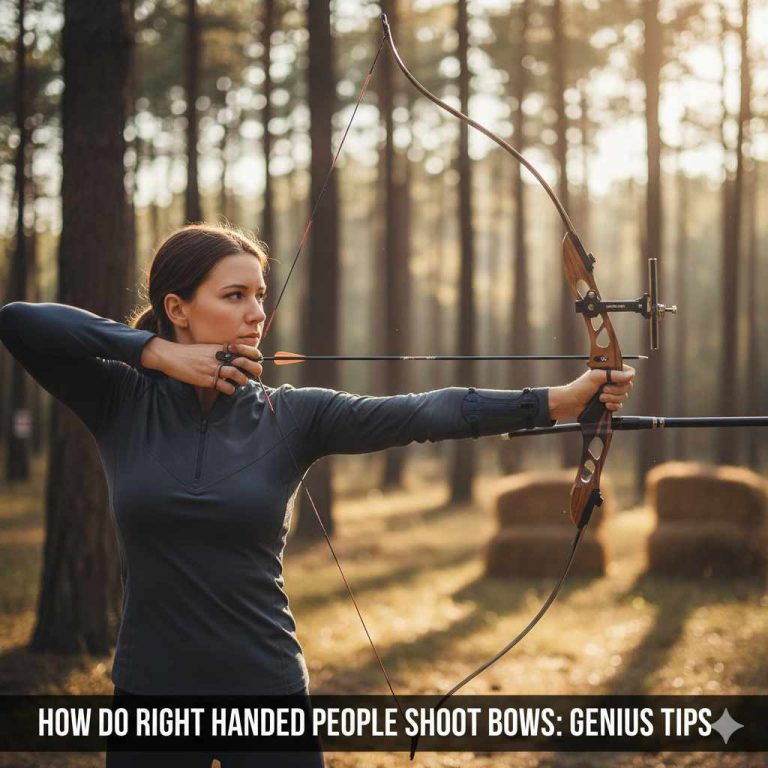
Every discipline interprets “address the target” in its own way. For golfers, it means preparing to strike the ball; for archers, it’s nocking an arrow and aligning with the target; for martial artists, it’s assuming a ready stance before engagement.
Table 1: Addressing the Target Across Disciplines
| Discipline | Primary Focus | Key Stance Elements |
|---|---|---|
| Golf | Ball contact and swing path | Foot width, knee flex, spine angle |
| Marksmanship | Sight alignment, recoil control | Shoulder alignment, relaxed grip, even weight |
| Archery | Release consistency | Square hips, locked core, foot placement |
| Martial Arts | Power generation, defense | Feet staggered, knees bent, arms ready |
| Public Speaking | Audience engagement | Open posture, balanced feet, eye contact |

Credit: indivisiblesf.org
Fundamental Principles Of Stance
Regardless of the discipline, several universal principles define a strong stance. These fundamentals are supported by both empirical research and centuries of practical refinement.
Foot Position And Base Of Support
Your feet form the foundation of your stance. The distance between them determines balance and mobility. Too narrow a stance can make you unstable; too wide can limit movement.
- Golf: Feet should be shoulder-width apart, with slight outward flare.
- Shooting: Feet parallel and hip-width, with equal weight distribution.
- Archery: Toes pointed forward, with one foot slightly ahead of the other for stability.
Knee Flex And Weight Distribution
A slight bend in the knees lowers your center of gravity and increases readiness. Weight should be evenly distributed to avoid favoring one side, which can lead to off-target execution.
Pro Tip: Over-locking the knees can cause fatigue and reduce responsiveness, especially during long sessions.
Spine And Head Alignment
A neutral spine maintains body alignment and prevents strain. Head position affects eye level and targeting, key for both accuracy and communication.
- Marksmanship: Head upright, eyes in line with sights.
- Golf: Spine tilted slightly from hips, eyes over the ball.
Muscle Engagement And Relaxation
Engaging the core and upper leg muscles provides power and stability, while relaxed arms and hands prevent tension-induced errors.
Example: In my experience as an archery coach, athletes who learned to relax their bow hand during address consistently improved release accuracy within two weeks of practice.
Breathing And Rhythm
Controlled breathing calms the nervous system and helps synchronize movement. Many elite athletes integrate a deep breath into their pre-shot or pre-swing routine.

Credit: marketbrief.edweek.org
Step-by-step Guide: How To Stand When Told To Address The Target
Perfecting your stance is a process that benefits from a systematic approach. Here’s a practical, step-by-step method adaptable to most target-based activities.
Step 1: Approach And Assess
Begin by approaching the target area with purpose. Scan the environment for any factors that might influence your stance (e. g. , uneven ground, distractions).
- Identify the target line or audience.
- Check footwear and equipment for comfort and security.
Step 2: Establish Foot Position
Set your feet according to the requirements of your discipline. Use a physical marker if needed (e. g. , a tee in golf, a shooting mat).
- Align feet parallel or slightly angled as needed.
- Ensure an even base, not too wide, not too narrow.
Step 3: Engage Lower Body
Flex your knees slightly and engage your core. This readies your body to move or react without delay.
- Avoid locking joints.
- Check that your weight is centered, not leaning forward or back.
Step 4: Align Torso And Shoulders
Rotate or square your shoulders to face the target. Imagine a line from your shoulders through your hips, knees, and feet, all pointing toward the objective.
- Keep your chest open.
- Avoid hunching or excessive rotation.
Step 5: Set Head And Eye Position
Lift your head and set your gaze on the target. For activities requiring aim, close one eye if necessary to improve focus.
- Maintain a neutral neck position.
- Use peripheral vision for environmental awareness.
Step 6: Relax And Breathe
Take a deep, calming breath. Shake out tension in your arms and hands. This final reset primes your body and mind for action.
Example: Olympic shooters often use a “breathe, pause, squeeze” mantra to synchronize breath with trigger pull, reducing shot variability.
Step 7: Execute Or Hold
When ready, execute your movement (swing, shot, speech) or hold the position until given the cue to proceed.
Warning: Do not rush through your setup. A consistent, deliberate routine is key to repeatable performance.
Common Mistakes And How To Fix Them
Even experienced performers can develop bad habits in their stance. Identifying and correcting these errors is crucial for long-term improvement.
Mistake 1: Uneven Weight Distribution
Leaning too far forward or back can cause instability and inconsistent outcomes. Use a mirror or coach feedback to ensure balance.
Mistake 2: Over-tension
Gripping equipment too tightly or tensing muscles leads to fatigue and reduced control. Practice relaxation drills to develop awareness.
Mistake 3: Inconsistent Routine
Skipping steps in your address sequence can cause performance anxiety and technical errors. Develop a mental checklist to ensure consistency.
Mistake 4: Poor Alignment
Misaligning feet, hips, or shoulders increases error margin. Use physical or visual references (target lines, ground markers) to double-check.
Mistake 5: Neglecting Environment
Failing to adjust for slope, weather, or distractions can undermine even the best technical stance. Incorporate environmental checks into your routine.
Table 2: Common Stance Errors and Corrections
| Error | Impact | Correction |
|---|---|---|
| Leaning forward/back | Loses balance, reduces accuracy | Re-center weight over feet |
| Locked knees | Reduces mobility, causes fatigue | Maintain slight knee flex |
| Gripping too tightly | Decreases fine motor control | Relax grip, shake out tension |
| Looking down | Loses target awareness | Raise head, focus forward |
| Skipping setup | Increases inconsistency | Follow a routine checklist |
Training Techniques For A Better Stance
Developing an effective stance takes intentional practice. These training methods accelerate skill acquisition and reinforce muscle memory.
Mirror And Video Feedback
Practicing in front of a mirror or recording your stance provides immediate visual feedback. Compare your form to models or previous sessions to identify improvements.
Balance Drills
Exercises like single-leg stands, balance boards, and core stability routines enhance proprioception and lower body strength, both of which are critical for stance.
Dry Runs And Shadow Practice
Rehearse your address routine without equipment or under reduced pressure. This isolates the stance from other performance variables, enabling focused refinement.
Environmental Variation
Practice on different surfaces and under varying conditions (e. g. , uneven ground, noise) to build adaptability. This prepares you for the unpredictability of real scenarios.
Professional Coaching
Personalized feedback from a qualified coach or instructor can reveal subtle errors and provide custom solutions. Consider periodic check-ins for ongoing improvement.
Pro Tip: Use tactile cues, like placing a coin under your lead foot or a stick behind your heels, to reinforce foot placement during practice.
Case Studies And Real-world Examples
Learning from real-world applications can clarify the nuances of addressing the target. The following examples illustrate how stance affects performance across disciplines.
Case Study 1: Golf, Tiger Woods’ Address Routine
Tiger Woods is renowned for his meticulous approach at address. Before every shot, he performs a consistent routine: visualizing the shot, aligning his body, and executing a single deep breath before swinging. This disciplined setup is credited for his accuracy and consistency on the course.
Case Study 2: Olympic Shooting, Jin Jong-oh
South Korean shooter Jin Jong-oh’s gold medal performances are built on an unwavering stance. He spends up to 15 seconds adjusting his feet, shoulders, and grip before each shot, demonstrating the importance of patience and precision in address.
Case Study 3: Archery, Sara Lopez
Sara Lopez, a world champion archer, emphasizes a relaxed yet firm stance. She uses markers on the ground and systematic breathing to maintain focus and alignment, resulting in world record scores.
Case Study 4: Public Speaking, Ted Presenters
Successful TED speakers use open stances and balanced posture to project confidence and engage audiences. Amy Cuddy’s research at Harvard highlights how adopting a “power pose” before speaking increases feelings of control and reduces stress hormones (TED.com).
Table 3: Stance Performance Metrics Across Activities
| Activity | Key Stance Metric | Performance Impact |
|---|---|---|
| Golf | Weight distribution | Improved shot accuracy |
| Shooting | Shoulder alignment | Reduced shot variance |
| Archery | Foot placement repeatability | Consistent arrow grouping |
| Public Speaking | Open posture | Audience engagement |
Stance Optimization For Different Body Types And Contexts
No two individuals are exactly alike, and optimal stance varies based on body proportions, strength, and situational demands. Customizing your stance leads to better comfort and outcomes.
Adapting For Height And Limb Length
Taller individuals may need a slightly wider stance for balance, while shorter individuals benefit from a narrower base. Arm length affects how far you stand from the target or equipment.
Accounting For Flexibility And Mobility
Limited ankle or hip mobility can restrict stance options. Incorporate stretching and mobility work to expand your range, but adjust stance to what feels stable and sustainable.
Adjusting For Fatigue And Injury
During long sessions or when recovering from injury, modify stance to reduce strain. This may mean less knee flex or more upright posture.
Environmental Factors
Consider ground slope, weather, and equipment. Golfers facing a downhill lie will shift weight to maintain balance, while shooters may adjust for wind.
Pro Tip: Periodically review your stance with a coach or using video, especially after changes in fitness, footwear, or equipment.
Mental Preparation: The Role Of Focus And Routine
Physical stance alone is not enough; mental readiness completes the picture when addressing the target. Elite performers combine ritual, visualization, and focus techniques to optimize outcomes.
Pre-performance Routine
Establish a consistent pre-action routine involving visualization, breath control, and mental cueing. This primes your mind and body for execution.
Visualization
Mentally rehearsing the movement and outcome activates neural pathways involved in actual performance. See yourself addressing the target with perfect form before you act.
Managing Nerves And Distraction
Use grounding techniques, such as feeling the floor with your feet or focusing on breath, to stay present. A strong stance is both a physical and psychological anchor.
Feedback And Self-talk
After each attempt, reflect on what went well and what to adjust. Use positive, instructional self-talk to reinforce good habits.
Example: Olympic archer Brady Ellison credits his gold medal consistency to a combination of breathing, visualization, and a repeatable address stance (World Archery).
Frequently Asked Questions
What Should I Do If I Feel Off-balance When Addressing The Target?
If you feel off-balance, pause and reset your stance. Check foot position and weight distribution, ensuring your weight is centered between both feet. Sometimes environmental factors like uneven ground or fatigue can cause imbalance; address these by repositioning or adjusting your stance width.
Practicing balance exercises outside of performance can also improve your stability over time.
Can I Develop A Personalized Stance, Or Must I Follow Standard Techniques?
While standard techniques provide a reliable starting point, it’s important to adapt your stance to your unique body type, comfort level, and activity demands. Experiment with minor adjustments and note how they affect your accuracy and confidence. Consulting with a coach or using video analysis can help fine-tune a stance that works best for you.
How Can I Practice My Stance Without Equipment Or A Target?
You can improve your stance through shadow practice, standing in front of a mirror and rehearsing your address routine. Focus on posture, balance, and breathing. Visualization techniques, where you imagine the target and your movement, are also highly effective for reinforcing correct habits and building muscle memory.
Is There A Benefit To Barefoot Or Minimalist Practice For Stance Training?
Practicing barefoot or with minimalist shoes can heighten awareness of weight distribution and foot contact with the ground. This method is often used in martial arts and some golf drills. However, always transition gradually and ensure it’s safe for your environment to prevent injury.
How Often Should I Review Or Change My Stance Routine?
Regularly reassess your stance, especially after equipment changes, physical developments, or if you notice performance inconsistencies. Many elite athletes review their routine every few months or after coaching feedback. Keeping a training journal can help track what works and when adjustments are necessary.
Standing correctly when told to address the target is a blend of science, experience, and self-awareness. By mastering foot position, alignment, posture, and mental focus, you lay the groundwork for consistent, high-level performance. Whether you’re on the field, at the range, or in front of an audience, a disciplined stance routine will help you face every target with confidence and precision.
Remember, small improvements in how you stand can lead to significant gains in results, so invest the time to refine your approach, seek feedback, and make addressing the target a skill you can always rely on.