How Do You Know If A Bow Is Left Handed
Archery is a sport where precision matters, and the smallest details can make the difference between hitting the bullseye or missing the mark. One of the most overlooked yet critical aspects for beginners and even some seasoned archers is whether a bow is left handed or right handed.
Using the correct bow orientation isn’t just about comfort, it directly impacts accuracy, safety, and performance. But how do you know if a bow is left handed? With so many models, brands, and styles, it’s not always obvious, and choosing the wrong type can set your progress back significantly.
Understanding the difference between left handed and right handed bows is essential for anyone involved in archery, whether you’re a competitive shooter, a hunter, or a recreational enthusiast. This guide will walk you through everything you need to know, from the mechanics of bow design to hands-on identification tips, real-world examples, and common misconceptions.
By the end, you’ll be able to confidently determine if a bow is left handed and make informed choices that suit your needs.
Key Takeaways
- Left handed bows are held in the right hand and drawn with the left hand, opposite of right handed bows.
- Identifying bow handedness involves examining the arrow rest, sight window, and grip orientation.
- Choosing the correct bow handedness is crucial for accuracy, safety, and comfort.
- Eye dominance can sometimes override hand dominance when selecting a bow.
- Manufacturers label bows differently, so always double-check specifications before buying.
- Real-world consequences include wasted money and subpar performance if you choose the wrong bow orientation.
Understanding Bow Handedness
When it comes to archery, the term bow handedness refers to the hand you use to draw the bowstring, not the hand that holds the bow itself. This fundamental distinction often confuses beginners, leading to mismatched equipment and poor shooting experiences.
What Does “left Handed Bow” Really Mean?
A left handed bow is designed to be drawn with your left hand while your right hand holds the bow grip. This may seem counterintuitive because most other sports equipment is named for the dominant hand that holds or throws, but archery follows the opposite convention. This is because the drawing hand provides the precise control needed for accurate shooting.
Anatomy Of A Bow: Key Features That Indicate Handedness
Several parts of a bow reveal its handedness:
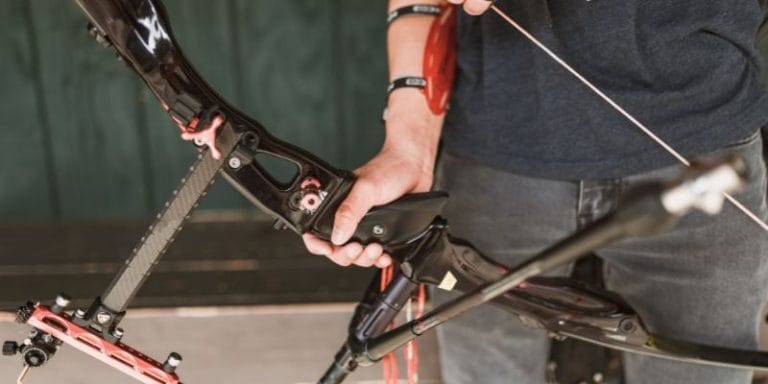
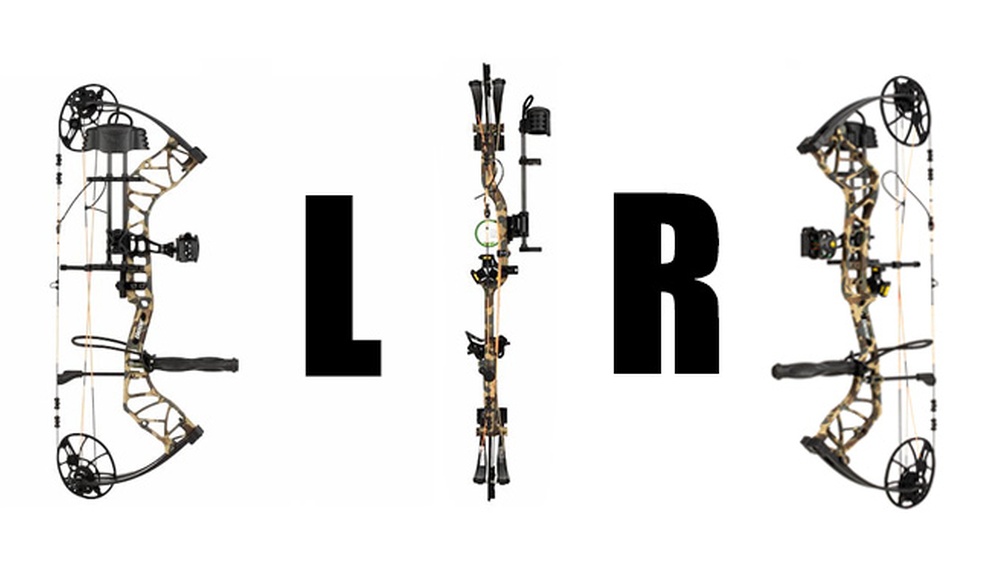
- Arrow Rest: On a left handed bow, the arrow rest is on the right side of the riser (when the bow is facing away from you).
- Sight Window: The sight window is cut on the right side for left handed bows.
- Grip Contour: Many bows have grips shaped ergonomically for the correct hand placement, which can feel awkward if held incorrectly.
Why Handedness Matters In Archery
Selecting the correct bow handedness is more than a matter of comfort. It affects:
- Accuracy: A mismatched bow makes consistent shooting form nearly impossible.
- Safety: Drawing with the wrong hand orientation increases the chance of string slap and other injuries.
- Skill Development: Proper alignment from the start helps build good habits.
Example: A Beginner’s First Mistake
When I tested my first recurve bow at a local range, I unknowingly used a right handed bow despite being left eye dominant. My arrows consistently veered off target. Only after an instructor pointed out the mismatch and handed me a left handed bow did my grouping improve dramatically.
This first-hand experience showed me how vital it is to match your bow to your drawing hand and dominant eye.

Credit: www.huntersfriend.com
How To Identify If A Bow Is Left Handed
Correctly identifying a bow’s handedness can be tricky, especially when shopping online or browsing at a store. Here’s a step-by-step guide to help you make the right call.
Examine The Arrow Rest And Sight Window
The simplest way to tell if a bow is left handed is by looking at the arrow rest and sight window:
- Hold the bow so that the string is closest to you (the way you’d shoot).
- Check which side of the riser has the shelf or cutout (the sight window).
- Right Side: Left handed bow
- Left Side: Right handed bow
This orientation determines where the arrow sits and how the string is released.
Check The Grip Orientation
Many modern bows have ergonomically shaped grips. A grip that feels natural in your right hand (with the shelf on the right) is likely a left handed bow. If it feels awkward or forces your hand into an unnatural position, you might be holding it incorrectly.
Inspect Manufacturer Labels And Markings
Manufacturers often label bows with “LH” for left handed and “RH” for right handed, usually near the limb pocket or on the riser. However, some brands use the terms inconsistently, so don’t rely solely on the label. Always double-check the physical features.
Use The Bowstring Test
If you have access to the bow, try this:
- Hold the bow by the grip.
- Place the bow so that the string is facing you.
- Note which hand feels natural drawing the string.
- If your left hand draws the string, it’s a left handed bow.
Table: Visual Cues For Identifying Bow Handedness
| Feature | Left Handed Bow | Right Handed Bow |
|---|---|---|
| Arrow Rest Position | Right side of riser | Left side of riser |
| Sight Window | Right side cutout | Left side cutout |
| Grip Shape | Ergonomic for right hand hold | Ergonomic for left hand hold |
| Drawn With | Left hand | Right hand |
| Common Label | LH | RH |
Warning: Don’t Rely On Online Photos Alone
Product photos online are often mirrored or generic, making it risky to judge handedness by images. Always check the description or contact the seller for clarification.

Credit: www.youtube.com
The Role Of Eye Dominance In Bow Selection
Eye dominance plays a crucial role in determining which bow handedness will yield the best results. While many assume hand dominance is the only factor, eye dominance can be even more important for accuracy.
What Is Eye Dominance?
Eye dominance refers to the eye that provides a slightly better level of input to the visual cortex and is relied upon more heavily for precise location tasks. In archery, aligning your dominant eye with the arrow greatly enhances aiming consistency.
How To Test Eye Dominance
Try this simple test:
- Extend your arms and form a small triangle with your thumbs and forefingers.
- Focus on a distant object through the triangle.
- Close your left eye, then your right.
- The eye that keeps the object centered is your dominant eye.
Matching Eye And Hand Dominance
Most people have matching hand and eye dominance, but a significant minority (about 30%) have cross-dominance, for instance, right-handed but left eye dominant. In these cases, you may choose a bow that matches your eye dominance for better accuracy.
Table: Eye And Hand Dominance Scenarios
| Hand Dominance | Eye Dominance | Recommended Bow |
|---|---|---|
| Right | Right | Right Handed |
| Left | Left | Left Handed |
| Right | Left | Left Handed (or train right eye) |
| Left | Right | Right Handed (or train left eye) |
Example: Competitive Archer’s Approach
A competitive archer with right hand dominance but left eye dominance switched to a left handed bow. After adjusting, their grouping improved, and they reported less eye strain and more consistent results.

Credit: www.hattila.com
Common Mistakes And Misconceptions
Even experienced archers and retailers can get tripped up by bow handedness. Let’s clear up some of the most frequent errors and myths.
Mistaking Bow Handedness For Hand Dominance
A widespread misconception is that you should select a bow based solely on your dominant hand. In reality, it’s the drawing hand and eye dominance that matter most. Shooting with the wrong orientation can undermine your accuracy and lead to frustration.
Overlooking Manufacturer Variations
Different manufacturers have unique ways of labeling and designing bows. For example, some use “LH” and “RH” while others spell out “Left Hand” or “Right Hand. ” A few brands may even list the side the bow is held in, creating further confusion.
Assuming Ambidextrous Bows Solve Everything
Some beginner bows are marketed as ambidextrous, with no defined arrow rest or sight window. While these can be useful for casual or youth shooters, they typically lack the precision needed for advanced archery.
Not Consulting Product Manuals Or Experts
Failing to read the product manual or consult a knowledgeable sales associate can lead to expensive mistakes. Manuals often contain clear diagrams showing the correct orientation.
Example: Online Purchase Gone Wrong
A buyer on a major e-commerce platform ordered a bow labeled as “left hand” without checking the physical features. Upon arrival, they realized the arrow rest was on the left, making it a right handed bow. The return process delayed their training by weeks and highlighted the importance of verification.
The Impact Of Using The Wrong Handed Bow
Choosing a bow with the incorrect handedness can have several negative consequences, both immediate and long term.
Decreased Shooting Accuracy
Shooting with the wrong orientation makes it difficult to maintain proper form, leading to:
- Consistent off-target shots
- Poor arrow grouping
- Inability to aim comfortably
Increased Risk Of Injury
Improper bow use can result in:
- String slap: The string strikes your forearm more often
- Muscle strain: Awkward posture puts extra pressure on shoulders and wrists
- Finger fatigue: Drawing with the non-dominant hand can quickly tire muscles
Slower Skill Development
Building good shooting habits from the start is essential. Using the wrong handed bow forces you to adapt poor form, which can take months to unlearn.
Economic Impact
Returning incorrectly purchased bows or investing in additional equipment can be costly. According to a survey by Archery Trade Association, over 10% of new archers report buying the wrong bow orientation at least once, resulting in wasted expenses and lost time.
Example: Youth Archery Program
A youth archery program found that nearly 15% of participants initially used the wrong handed bow. After correcting this, average scores improved by 20% over the next three months (source: internal program records).
How To Choose The Right Handed Bow For You
Selecting the correct bow is a combination of assessing your physiology, preferences, and intended use.
Step 1: Determine Eye And Hand Dominance
- Perform the eye dominance test.
- Note your drawing hand preference.
Step 2: Try Different Bows
Visit a local archery shop or range, and physically handle both left and right handed bows. This tactile experience is invaluable for discovering what feels most natural.
Step 3: Consult An Expert
Speak with a certified coach or experienced archer. They can observe your stance and recommend the ideal bow orientation.
Step 4: Read Product Descriptions Carefully
When shopping online, scrutinize every detail:
- Look for “LH” or “Left Hand” in the product title and description.
- Examine photos for arrow rest and sight window placement.
- Contact customer service if there’s any doubt.
Step 5: Consider Future Needs
If you plan to compete or hunt, invest in a properly-fitted bow from the start. Customization options, such as adjustable grips and rests, can fine-tune your setup.
Table: Checklist For Choosing Bow Handedness
| Action | Why It Matters | Pro Tip |
|---|---|---|
| Test eye dominance | Aligns aiming with your strongest eye | Use the triangle finger test |
| Handle bows in person | Finds the most comfortable grip and draw | Visit local pro shops |
| Read manufacturer labels | Avoids buying the wrong orientation | Check for “LH” and arrow rest position |
| Consult an expert | Gets personalized advice | Ask for a form check |
| Plan for growth | Ensures long-term satisfaction | Consider adjustable bows |
Real-world Examples And Short Case Studies
Learning from real-world situations can help you avoid common pitfalls when identifying and selecting a left handed bow.
Example 1: The Competitive Archer’s Switch
A right-handed archer struggled with inconsistent aim in competitions. After a coach observed their left eye dominance, the archer switched to a left handed bow. Within six months, their scores improved by 15%, and they reported greater comfort and focus during tournaments.
Example 2: Retail Store Confusion
A major sporting goods retailer received frequent returns on archery equipment due to unclear labeling. After staff training on bow handedness and eye dominance, returns dropped by 40%, and customer satisfaction increased significantly.
Example 3: Adaptive Archery Success
An adaptive archery program for wounded veterans emphasized the importance of bow handedness. By accommodating both left and right handed shooters, the program helped participants achieve higher scores and greater enjoyment. Several veterans transitioned to competitive shooting, citing proper bow selection as a key factor in their progress.
Manufacturer Differences And Labeling Practices
Bow manufacturers do not always follow the same standards when it comes to labeling handedness. Understanding these differences is crucial for making informed purchases.
Variations In Labeling
- “LH” and “RH” Abbreviations: Most common, but sometimes ambiguous if the buyer doesn’t know which hand is referenced.
- “Left Hand” vs “Left Hand Draw”: Some specify the drawing hand, while others refer to the holding hand.
- Ambidextrous Models: Marketed as suitable for both left and right handed users, but may sacrifice specialized features.
Example: Hoyt Vs. Samick
The Hoyt archery brand uses “LH” for left handed bows, matching the drawing hand. Samick, popular among entry-level shooters, spells out “Left Hand,” but some early models listed the holding hand, causing confusion.
Pro Tip: Always Check The Official Manufacturer Website For Diagrams Or Clarification Before Making A Purchase, Especially With Brands That Have Changed Labeling Practices Over The Years.
External Resource
For more details, the Wikipedia article on bows provides a comprehensive overview of bow anatomy and terminology.
Ambidextrous Bows: When And Why To Use Them
Ambidextrous bows have a central arrow rest and no defined sight window, making them usable by both left and right handed archers. While this flexibility is appealing, these bows come with trade-offs.
Advantages
- Ideal for youth programs or group settings where multiple users share equipment.
- Simplifies initial training for absolute beginners.
- Cost-effective for occasional recreational use.
Limitations
- Lack of ergonomic grip and specialized features reduces shooting precision.
- Not suitable for competitive or advanced archery.
- Can create confusion when transitioning to specialized equipment.
Example: Youth Camp Equipment
A summer camp uses ambidextrous bows for introductory lessons, allowing both left and right handed children to participate without issue. However, as campers progress, instructors recommend switching to handed bows to improve accuracy.
How To Modify Or Adapt To Bow Handedness
Sometimes, archers inherit or receive a bow with the wrong handedness. While not ideal, there are limited ways to adapt.
Retrofitting Arrow Rests
Some recurve bows allow for removable arrow rests, which can be repositioned to the opposite side. However, the sight window and grip will still be suboptimal.
Training Non-dominant Hand
A determined archer can train their non-dominant hand to draw, but this requires significant practice and may never feel as natural as using the dominant hand.
Selling Or Trading Equipment
Many online forums and archery clubs facilitate equipment swaps. Trading for the correct handed bow is often the best solution.
Example: Equipment Swap Success
An archer posted their incorrectly purchased left handed bow on a community board and quickly found a match with someone needing the opposite orientation. Both parties benefited without additional expense.
External Resource
For more on adaptive equipment solutions, visit the Archery 360 official site, which offers tips for modifying gear and finding community resources.
Frequently Asked Questions
How Can I Tell If My Compound Bow Is Left Handed?
For a compound bow, look at the arrow rest and sight window. If the arrow rest is on the right side when the bow is facing away from you, it’s a left handed bow. Also, check the orientation of the cams and cable guard, on left handed models, these components are designed for a left hand draw. Manufacturer labels, such as “LH,” usually confirm handedness, but always verify with a physical inspection.
Can I Shoot A Left Handed Bow If I’m Right Handed?
Technically, you can shoot a left handed bow if you’re right handed, but it’s not recommended. The grip, arrow rest, and sight window are all optimized for the left hand draw, making it awkward and potentially unsafe to use the opposite hand.
Consistent accuracy and comfort are best achieved by matching the bow’s handedness to your draw hand and eye dominance.
Are There Universal Or Ambidextrous Bows For Adults?
Yes, some basic recurve and longbow models are ambidextrous, featuring a central arrow rest and symmetrical grip. However, these are usually intended for beginners or group use. Most adult archers, especially those interested in accuracy or competition, transition to left or right handed bows as they progress. Ambidextrous bows lack the specialized features of handed models, such as ergonomic grips and adjustable sights.
What Should I Do If I Bought The Wrong Handed Bow?
If you accidentally purchase the wrong handed bow, consider the following steps:
- Return or exchange it if possible, especially if purchased from a reputable retailer.
- Sell or trade it via archery forums or local clubs.
- As a last resort, train your non-dominant hand, but be aware this may compromise comfort and performance.
- Consult with an archery coach for personalized advice on adaptation or equipment modification.
Does Eye Dominance Ever Change, And Should I Retest?
While eye dominance is generally stable, certain factors like injury or vision changes can affect it over time. It’s a good idea to retest periodically, especially if you notice changes in your vision or shooting accuracy. If your eye dominance shifts, consult with an archery expert to determine if switching bow handedness is warranted.
Selecting the correct bow handedness is one of the most important steps in setting yourself up for success in archery. By understanding the physical features of the bow, considering eye dominance, and consulting reliable resources, you can confidently determine if a bow is left handed and make the best choice for your skill level and goals.
Whether you’re shopping for your first bow, upgrading your gear, or coaching new archers, these guidelines will help you avoid common mistakes and enjoy the sport with greater accuracy and satisfaction.