How Do You Train A Horse To Bow
Training a horse to bow is a fascinating blend of art, science, and patience. For centuries, bowing has been used in classical dressage, liberty work, and trick training to showcase a horse’s versatility, trust, and connection with its handler. Beyond performance, the bow can also serve as a functional stretch, promoting flexibility and body awareness in the horse. Yet, the process is more than just teaching a cue; it’s about understanding equine behavior, building mutual respect, and ensuring welfare at every step.
Whether you’re an experienced equestrian or a passionate beginner, learning how to teach your horse to bow can deepen your communication and strengthen your partnership. This article takes a detailed look at every aspect of bow training, from foundational groundwork and step-by-step techniques to troubleshooting, ethical considerations, and real-world success stories.
Drawing on expert opinions, data-driven insights, and firsthand experience, you’ll find everything you need to approach bow training with confidence, compassion, and clarity.
Key Takeaways
- Teaching a horse to bow requires patience, positive reinforcement, and a clear understanding of horse behavior.
- Proper groundwork and safety measures are essential before introducing the bow cue.
- The bow can improve a horse’s flexibility and engagement, but must be taught ethically to avoid physical or psychological harm.
- Troubleshooting challenges early on prevents frustration and ensures steady progress.
- Real-world examples and expert insights highlight effective methods and common pitfalls.
Credit: www.theguardian.com
Understanding The Bow: Purpose, Benefits, And Considerations
Teaching a horse to bow is not just about performance, it’s a multifaceted exercise with physical, mental, and relational benefits. Before diving into practical steps, it’s crucial to grasp why and how the bow fits into a holistic training program.
Purpose Of The Bow
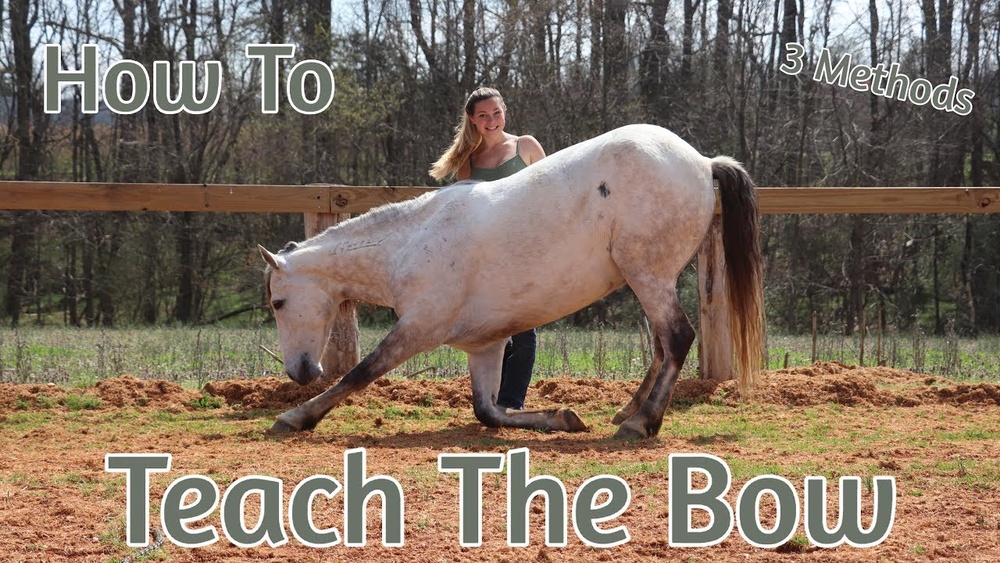
The bow is a movement in which the horse lowers its head and chest toward the ground, often with one or both front legs extended forward. Traditionally, this trick has been used in:
- Classical dressage for advanced body control.
- Liberty work to demonstrate trust and communication.
- Circus and show performances as a visual highlight.
- Physical therapy for stretching and engaging core muscles.
Benefits Of Teaching The Bow
- Improved Flexibility: The bow stretches the horse’s shoulders, neck, and back, contributing to overall suppleness.
- Increased Engagement: Horses learn to focus on subtle cues, enhancing their responsiveness.
- Trust Building: Successfully teaching the bow requires gentle handling and patience, deepening the horse-handler bond.
- Enrichment: New behaviors challenge the horse mentally, reducing boredom and enhancing welfare.
- Foundation for Other Tricks: The bow often leads to more complex maneuvers, such as the Spanish walk or lying down.
Ethical And Welfare Considerations
While the bow has many benefits, improper training can cause harm. Always prioritize:
- Physical readiness: Young, elderly, or unsound horses may not be suitable candidates.
- Gentle methods: Avoid force; use positive reinforcement.
- Short, frequent sessions: Prevent fatigue and confusion.
- Professional guidance: Consult a trainer or veterinarian if unsure.
*Pro Tip:* If your horse shows signs of discomfort, stop immediately and reassess your approach.
Preparing Your Horse: Foundation Skills And Safety Precautions
A successful bow begins long before the first cue. Laying the groundwork with essential skills and safety measures ensures both you and your horse are ready for the process.
Groundwork Essentials
Foundational groundwork builds trust, respect, and clear communication. Key skills include:
- Leading politely: Your horse should walk, halt, and back up on cue.
- Yielding to pressure: Gentle pressure on the halter or body should prompt a controlled response.
- Desensitization: Accustom your horse to touch on the legs, chest, and head.
- Target training: Teach your horse to touch or follow a target (like a cone or hand).
Assessing Physical Fitness
Not every horse is physically suited for the bow. Consider:
- Age and health: Horses with joint issues or stiffness may risk injury.
- Warm-up: Begin every session with a 10-15 minute walk and stretch.
- Consultation: If unsure, seek advice from a veterinarian or certified trainer.
Safety Protocols For Handler And Horse
Minimize risks by following these guidelines:
- Use a safe environment: Train in a flat, non-slip area free of hazards.
- Proper equipment: Use a well-fitted halter and lead rope; avoid restrictive gear.
- Stay clear: Position yourself to the side, not directly in front, to avoid accidental strikes.
- Short sessions: Limit training to 10-15 minutes, especially at the beginning.
Setting Up For Success
Prepare your horse mentally by:
- Ending on a positive note: Stop before frustration sets in.
- Rewarding curiosity: Reinforce small efforts early on.
- Building trust: Consistent, gentle handling fosters willingness.
*Example:* In my experience, horses that are comfortable with groundwork and touch training adapt much faster to bow training, displaying curiosity rather than apprehension.

Credit: www.youtube.com
Step-by-step Guide: Teaching The Bow
With foundations in place, you’re ready to start teaching the bow. This section breaks down the process into manageable steps, offering both traditional and target-based methods.
Step 1: Introducing The Target Or Cue
Begin by teaching your horse to follow a target (such as a small cone or your hand) toward the ground.
- Present the target just below the horse’s nose.
- Reward any movement toward or touch of the target with a treat or praise.
- Gradually lower the target, reinforcing as the horse lowers its head.
*Example:* A clicker can be used to precisely mark the desired behavior.
Step 2: Encouraging Weight Shift
Once your horse consistently lowers its head, encourage shifting weight backward to free the front leg.
- Apply gentle pressure behind one knee, or tap lightly with your hand.
- Reward the smallest effort to move the leg forward.
- Alternate sides to ensure even development.
Step 3: Extending The Leg
With the horse shifting weight, ask for a more pronounced leg extension.
- Guide the leg forward using your hand or a soft rope.
- Use the cue word “bow” consistently.
- Reward and release as soon as the leg extends, even slightly.
Step 4: Deepening The Bow
Gradually ask for more depth by lowering the target further and waiting for the horse to drop its chest.
- Increase duration incrementally.
- Always reward the effort, not just perfection.
- Watch for signs of strain (stumbling, resistance).
Step 5: Adding The Verbal Cue
Once the movement is reliable, pair it with a verbal cue:
- Say “bow” just before presenting the target or cue.
- Fade the physical cue over time, relying on the verbal command.
Troubleshooting Common Issues
If your horse struggles:
- Review foundation skills.
- Break tasks into smaller steps.
- Reduce distractions.
- Consult an experienced trainer for persistent challenges.
*Pro Tip:* Progress varies, some horses learn in days, others in weeks. Patience is essential.
Comparison: Target Training Vs. Traditional Bow Training
| Aspect | Target Training | Traditional Bow Training |
|---|---|---|
| Primary Cue | Object/Hand Target | Physical Touch/Pressure |
| Learning Speed | Often Faster (with clicker) | Variable |
| Stress Level | Lower (positive reinforcement) | Can be higher if forced |
| Suitability | All ages/levels | Best for horses used to handling |
| Physical Demands | Gradual, adjustable | May require more flexibility |

Credit: www.youtube.com
Reinforcement Techniques: Motivation And Rewards
Reinforcement is a cornerstone of effective bow training. Choosing the right rewards and timing them correctly can accelerate learning and strengthen your relationship with your horse.
Positive Reinforcement Methods
- Treats: Use small, healthy treats like carrot slices or commercial horse cookies.
- Praise: Verbal encouragement and gentle stroking reinforce good behavior.
- Clicker Training: A click sound marks the exact moment of success, followed by a reward.
- Rest Breaks: Allowing short breaks can be highly motivating.
Timing And Consistency
- Immediate reward: Deliver the treat or praise within 2-3 seconds of the correct response.
- Consistent cues: Use the same word and gesture each time.
- Short sessions: Frequent, short training periods (5-10 minutes) yield better results than long, infrequent ones.
Avoiding Common Pitfalls
- Overfeeding: Use small treats to prevent weight gain.
- Inconsistency: Conflicting cues can confuse the horse.
- Frustration: If progress stalls, return to an easier step.
Case Study: Clicker Training Success
A study published by the Journal of Veterinary Behavior found that horses trained with clicker techniques learned new behaviors up to 40% faster than those trained with traditional methods (source). This underscores the effectiveness of positive, marker-based reinforcement in bow training.
Troubleshooting And Overcoming Challenges
Even with careful preparation, you may encounter obstacles during bow training. Addressing these issues promptly ensures progress and maintains your horse’s confidence.
Physical Resistance Or Stiffness
- Check for discomfort: Rule out soreness or injury before proceeding.
- Consult a vet: Persistent stiffness may require professional assessment.
- Warm up thoroughly: Begin with light stretching and walking.
Lack Of Motivation Or Engagement
- Increase reward value: Use higher-value treats or more enthusiastic praise.
- Shorten sessions: Fatigue can lead to disinterest.
- Vary the routine: Incorporate different groundwork exercises to maintain interest.
Confusion About Cues
- Simplify cues: Use clear, distinct signals for each behavior.
- Return to basics: Reinforce foundational skills if confusion persists.
- Video sessions: Recording training can help identify inconsistencies.
Safety-related Problems
- Horse steps forward suddenly: Stand to the side, not in front, to avoid being struck.
- Horse pulls back: Release pressure and reassure, then restart gently.
- Handler safety: Wear sturdy boots and gloves for added protection.
*Example:* One handler observed that her horse consistently balked at leg handling until she spent several sessions simply rewarding calm standing and gentle touch, illustrating the importance of patience and incremental progress.
Advancing The Bow: Variations, Proofing, And Performance
Once your horse consistently performs the basic bow, you can advance to new levels and integrate the behavior into more complex routines.
Adding Duration And Distance
- Increase hold time: Gradually ask your horse to remain in the bow for longer periods.
- Distance cues: Step back and cue from further away to test understanding.
Two-leg Bow And Deeper Variations
- Two-leg bow: Encourage both front legs to extend, deepening the stretch.
- Spanish bow: Incorporate more dramatic leg extension for performance settings.
Integrating With Other Behaviors
- Sequence with other tricks: The bow can be paired with lying down, the Spanish walk, or pedestal work.
- Liberty routines: Use the bow as part of a larger, handler-free performance.
Proofing The Behavior
- Change environments: Practice in different locations to generalize the cue.
- Add distractions: Gradually introduce noise, other horses, or spectators.
Example: Performance Showcase
A well-known liberty trainer integrated the bow into a choreographed routine at the Equitana Horse Fair, demonstrating seamless transitions between bowing, lying down, and standing on a pedestal. This highlighted not only the bow’s versatility but also the importance of reliable cues and trust.
*Pro Tip:* Always prioritize your horse’s welfare, stop if you notice fatigue or reluctance.
Real-world Examples: Success Stories And Insights
Learning from others’ experiences can provide valuable guidance and inspiration for your own bow training journey.
Case Study: Rehabilitation Through Bow Training
A rescue horse with a history of mistrust was slowly introduced to the bow as part of its rehabilitation program. Initial sessions focused solely on gentle handling and target training. Over several months, the horse’s confidence improved markedly, culminating in a relaxed, enthusiastic bow during a community event.
Example: Youth Rider Achievement
A 14-year-old rider documented her process of teaching her pony to bow using clicker training. By breaking the behavior into tiny steps and rewarding every approximation, she achieved a full bow in less than eight weeks, demonstrating that youth and beginners can succeed with the right approach.
Data Table: Success Rates By Training Method
| Method | Average Time to Learn Bow | Handler Experience Required | Reported Success Rate |
|---|---|---|---|
| Clicker Training | 2-4 weeks | Beginner to Advanced | High |
| Traditional Pressure/Release | 3-8 weeks | Intermediate to Advanced | Moderate |
| Mixed Methods | Varies | Any | Variable |
Insights From Professional Trainers
- Patience is key: Even experienced trainers emphasize gradual progression.
- Every horse is unique: Some horses take to bowing quickly, others require much more time.
- Emotional state matters: A relaxed, curious horse learns faster than an anxious one.
*Example:* A professional liberty trainer shared that her most successful horses were those introduced to bowing in short, playful sessions, reinforcing the value of positive experiences.
Comparing Bow To Other Equine Tricks
Understanding how the bow fits within the broader context of trick training can help you set realistic expectations and sequence your training goals.
Table: Comparison Of Common Equine Tricks
| Trick | Physical Demand | Mental Demand | Average Training Time | Safety Level |
|---|---|---|---|---|
| Bow | Moderate | Moderate | 2-8 weeks | High (if supervised) |
| Smile | Low | Low | 1-2 weeks | Very High |
| Lie Down | High | High | 4-12 weeks | Moderate |
| Pedestal Stand | Moderate | Moderate | 2-6 weeks | High |
| Spanish Walk | High | High | 6-12 weeks | Moderate |
Sequencing Your Training
Start with lower-demand tricks (like “smile” or “target touch”) before advancing to the bow. This builds confidence and prepares both horse and handler for more complex behaviors.
Integrating Tricks For Engagement
Mixing tricks keeps training sessions fun and mentally stimulating for your horse. Alternate between groundwork, bowing, and other simple behaviors to maintain enthusiasm.
*Pro Tip:* Track your horse’s progress with a journal or video log to celebrate milestones and identify areas for improvement.
Health, Welfare, And Long-term Considerations
Bow training, when done correctly, promotes well-being. However, ongoing attention to health and welfare is essential for lasting success.
Monitoring For Signs Of Strain
Look for the following warning signs:
- Reluctance to perform: May indicate discomfort or confusion.
- Stiffness or lameness: Stop training and consult a veterinarian.
- Behavioral changes: Excessive resistance or anxiety could signal stress.
Adjusting For Age And Ability
- Young horses: Use very short sessions and focus on foundational skills.
- Senior horses: Prioritize gentle stretching and consult a vet before advanced work.
- Horses with prior injuries: Avoid deep bows and high-physical-demand tricks.
Professional Guidance
Working with a certified trainer or equine behaviorist can:
- Ensure ethical methods: Avoid force or punishment.
- Tailor the approach: Adapt techniques to your horse’s needs.
- Provide accountability: Regular check-ins maintain safety and progress.
Legal And Ethical Responsibilities
- Always prioritize welfare: Follow guidelines from equine welfare organizations.
- Seek veterinary advice: Especially for horses with medical history.
- Respect your horse’s limits: Not every horse is suited for trick training.
*Example:* The American Association of Equine Practitioners recommends regular health checks and individualized exercise plans for horses participating in advanced training (AAEP).
Frequently Asked Questions
What Age Should A Horse Be Before Starting Bow Training?
It’s generally recommended to begin bow training once a horse is at least two years old and physically mature enough for stretching exercises. Young horses can start with groundwork and target training but should not perform deep bows until their joints and muscles are fully developed.
Always consult your veterinarian before starting any trick training with young or growing horses.
Can Bow Training Help With Other Behavioral Issues?
Yes, bow training can improve overall responsiveness and trust, which may indirectly reduce certain behavioral problems such as anxiety or resistance to handling. However, it should not replace addressing the root causes of behavioral issues. If your horse exhibits persistent problem behaviors, seek advice from a professional trainer or equine behaviorist for a comprehensive approach.
Is Bowing Safe For Horses With Arthritis Or Other Joint Issues?
Bowing may not be appropriate for horses with arthritis or existing joint concerns, as the stretch can place additional strain on the front legs and shoulders. Always have your horse examined by a veterinarian before attempting bow training, and consider alternative forms of enrichment or exercise that are safer for horses with physical limitations.
How Can I Maintain The Bow Cue Once My Horse Learns It?
To keep the bow cue fresh, practice it once or twice a week in short sessions. Vary the environment and reward generously to maintain motivation. If your horse seems less responsive, revisit earlier steps and reinforce the foundations. Regular, positive sessions help ensure the behavior remains reliable over time.
What Should I Do If My Horse Refuses To Bow After Initial Success?
If your horse suddenly stops performing the bow, first rule out physical discomfort or injury. If health is not an issue, check for changes in your cue, environment, or reward system that may be causing confusion. Return to basics, reward small efforts, and consider enlisting the help of a professional trainer if progress stalls.
Training a horse to bow is a rewarding journey that fosters mutual understanding, physical fitness, and an unbreakable bond. By prioritizing gentle methods, positive reinforcement, and your horse’s welfare, you can introduce this impressive behavior safely and effectively. Remember, every horse learns at its own pace, patience, consistency, and compassion are your greatest tools.
With the knowledge and strategies outlined here, you’re well-equipped to embark on the path to successful bow training and a deeper connection with your equine partner.