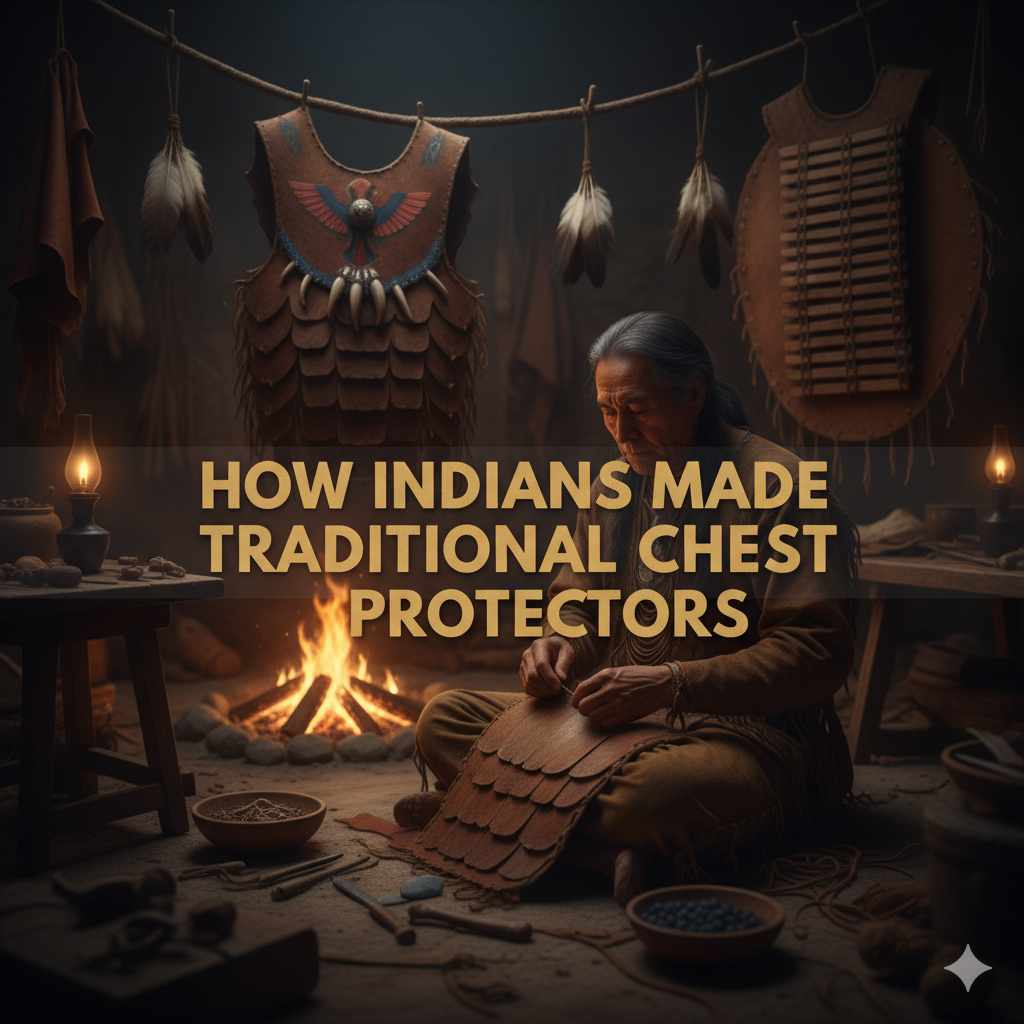
How Indians Made Traditional Chest Protectors
When you think about protecting your body, especially during sports or physical work, modern gear often comes to mind. Things like padded vests or reinforced jackets are common. But what did people do before all that fancy stuff existed?
How did they safeguard themselves? Today, we’re diving deep into a fascinating area: how people in India crafted their own chest protectors using wisdom passed down through ages.
This wasn’t just about making something to wear. It was about understanding the body, the environment, and the materials nature provided. It’s a story of ingenuity, resourcefulness, and a deep connection to the land.
We’ll explore the clever ways ancient Indian artisans and everyday people designed gear to keep them safe.
Traditional chest protectors in India were often made from readily available natural materials like leather, thick cotton, or even interwoven plant fibers. These designs focused on absorbing impact and providing a flexible barrier, adapted to the specific needs of the wearer’s activity, whether it was martial arts, farming, or other strenuous tasks.
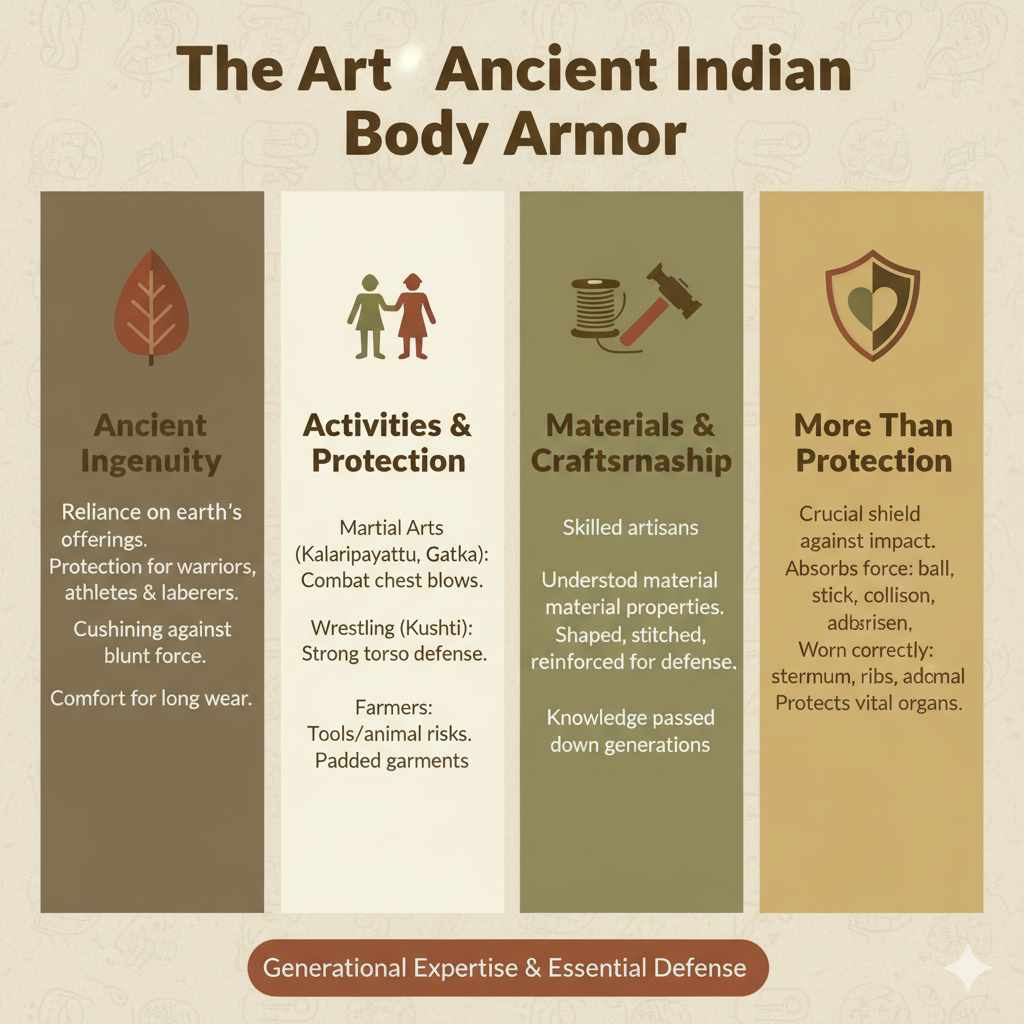
The Art of Ancient Indian Body Armor
Long before synthetic fabrics and plastics, people relied on what the earth offered. India, with its rich biodiversity and long history of diverse physical activities, developed unique ways to protect its warriors, athletes, and laborers. Chest protection was a crucial part of this.
It wasn’t just about stopping a sharp blow. It was also about cushioning the body against blunt force and even offering some comfort during long periods of wear.
Think about the types of activities that required protection. Martial arts like Kalaripayattu or Gatka involved combat where chest blows were common. Wrestling, known as Kushti, also demanded strong protection.
Farmers faced risks from tools or animal encounters. Even dancers sometimes wore padded garments to protect their torsos during energetic performances.
The makers of these protectors were often skilled artisans. They understood the properties of different materials. They knew how to shape them, stitch them, and reinforce them to create effective defense.
This knowledge was passed from generation to generation, a form of expertise that’s sometimes overlooked today.
A Personal Encounter with Traditional Craft
I remember visiting a small village in Rajasthan a few years back. I was exploring a local market, and I stumbled upon a stall filled with old leather goods. Among the bags and belts, I saw a piece that looked like a vest.
It was made of thick, dark leather, stitched together with heavy thread. The craftsman, an elderly man with kind eyes, saw me looking. He explained it was a form of chest protector.
He told me his grandfather used to make these for the local wrestlers. The leather was carefully treated to make it tough yet pliable. He showed me how the different panels were cut and sewn to allow for movement.
It wasn’t perfectly smooth; there were ridges and layers. He said those layers were key to absorbing the shock of a punch or a fall. It smelled earthy and strong.
I felt a connection to the history right there. It wasn’t just an object; it was a story of skill and protection.
Key Natural Materials Used
Leather: This was a prime choice. Animal hides, like those from goats, sheep, or cows, were tanned and treated. Leather is strong, durable, and can be layered to create cushioning.
Its natural flexibility also helped keep the wearer agile.
Thick Cotton: Layers upon layers of thick, woven cotton fabric were also used. This material is soft and can absorb a lot of impact. Often, the cotton was quilted or padded to make it even more effective.
The weave of the cotton was important; a tighter weave meant more strength.
Plant Fibers: In some regions, strong plant fibers like jute or coir were used. These could be woven into mats or ropes and then layered or stitched together. While perhaps not as shock-absorbent as leather, they offered a good balance of protection and breathability.
Wood or Bamboo: For even heavier protection, artisans might incorporate thin, flexible strips of wood or bamboo. These would be woven into the fabric or leather layers to add rigidity and improve defense against sharper impacts.
The Science of Softness and Strength
How did these simple materials actually work? It’s all about physics, even if the makers didn’t use complex equations. The goal was to distribute the force of an impact over a larger area.
When something hits you, the force is concentrated on a small spot. This can cause damage.
Layering materials is a clever way to spread that force. Imagine hitting a pillow versus hitting a wall. The pillow absorbs the blow.
Traditional chest protectors worked on a similar principle. Multiple layers of cloth or leather could deform and cushion the impact. This made the force less intense when it reached the body underneath.
The way the materials were stitched also mattered. Quilted patterns, for instance, kept the padding in place and created small pockets that could absorb energy. The type of stitch and thread used determined how well the protector held together under stress.
Strong, natural fibers like hemp or thick cotton thread were common choices.
Where Protection Was Needed: Real-World Contexts
The design of a chest protector was rarely one-size-fits-all. It depended heavily on the intended use and the environment. A warrior might need something robust enough to stop a sword or arrow, while a farmer needed protection from accidental cuts or abrasions.
The climate also played a role. Protection needed to be effective without causing overheating.
In the hot Indian climate, breathability was just as important as protection. Many traditional designs incorporated ventilation. This could be through the weave of the fabric, gaps between panels, or the use of lighter materials.
Overheating could be as dangerous as an injury.
Consider the martial arts traditions. In Kalaripayattu, practitioners often wear minimal clothing and rely on their agility. Their protective gear, if any, would need to be lightweight and not hinder movement.
This might involve padded vests made of multiple layers of dense cotton, stitched in patterns to allow flexibility. For wrestling (Kushti), the focus was on protection against slams and holds, so thicker, more durable materials like treated leather were often preferred, sometimes reinforced with extra padding at the ribs or sternum.
Quick Scan: Protector Styles by Activity
| Activity | Primary Material | Key Feature |
|---|---|---|
| Martial Arts (Agile Combat) | Thick Quilted Cotton | Flexibility, Lightweight |
| Wrestling (Kushti) | Treated Leather, Multi-layer Cotton | Impact Absorption, Durability |
| Farming/Labor | Toughened Fabric, Woven Fibers | Protection from Cuts, Abrasions |
| Performance/Dance | Padded Fabric | Cushioning Against Falls, Light Impact |
Evolution and Adaptation
These traditional methods weren’t static. They evolved over time. As different tools or weapons became more common, the designs adapted.
For instance, if sharp objects were a greater threat, more emphasis would be placed on dense layering or even the incorporation of rigid elements. If blunt force was the main concern, softer, more energy-absorbing materials and constructions would be favored.
The availability of materials also dictated changes. If a certain type of animal hide became scarce, makers would look for alternatives. This led to a rich variety of protective gear across different regions of India.
What was common in the dry deserts of Rajasthan might be different from what was used in the lush forests of Kerala.
The advent of new materials, like metal, also influenced designs. While not strictly “natural,” early forms of metal plates or reinforcements might have been integrated with fabric or leather for enhanced protection. This shows a continuous process of innovation, driven by necessity and the desire for safety.
What This Means for Us Today
Looking back at these traditional chest protectors offers valuable insights. It shows us the power of understanding materials and using them wisely. The principles of layering, distributing force, and ensuring comfort are still relevant in modern protective gear design.
While we have advanced materials now, the core idea remains the same: to shield the body from harm. The craftsmanship involved in making these traditional pieces is something to admire. It was a blend of practical necessity and skilled artistry.
It reminds us that effective solutions often lie in simplicity and a deep understanding of the fundamentals.
We can learn from the resourcefulness. The use of locally available materials is a sustainable practice that’s gaining importance today. It’s about making do with what you have and creating something functional and lasting.
This approach can inspire us to think more creatively about protection and sustainability in our own lives.
Myth vs. Reality: Traditional Protection
Myth:
Traditional protectors were too heavy and stiff to move in.
Reality:
Designs varied greatly. Many were made to be flexible, especially for martial arts, using layered, quilted fabrics that allowed good movement.
Myth:
They offered little real protection against serious harm.
Reality:
When made with quality materials and skilled craftsmanship, they provided significant protection against blunt force and abrasions common in daily life and combat.
Simple Checks and When to Be Aware
While we’re not expecting you to craft your own leather chest protector, understanding the principles can help in everyday situations. When looking for any kind of protective gear, whether for sports or work, think about:
- Material: Is it designed to absorb impact or resist punctures?
- Layering: Are there multiple layers that can help distribute force?
- Fit and Flexibility: Can you move comfortably without the gear restricting you?
- Breathability: Especially important in warmer climates.
It’s rare to need chest protection for everyday activities today unless your job or hobby specifically calls for it. However, if you engage in contact sports or certain kinds of manual labor, wearing appropriate, modern protective gear is always advised. The best ‘protection’ often comes from understanding the risks and taking sensible precautions.
Quick Tips for Understanding Protection
Look for Padding: Any padding helps absorb shock.
Check the Seams: Strong stitching means it won’t fall apart.
Test for Movement: If it feels too tight or stiff, it might hinder you.
Consider the Wear: Is it comfortable enough to wear for the duration needed?

Frequently Asked Questions
What are the most common materials used in traditional Indian chest protectors?
The most common materials were treated animal leather, thick layers of quilted cotton fabric, and sometimes woven plant fibers like jute or coir. For added strength, thin strips of wood or bamboo were occasionally incorporated.
Were these protectors just for warriors?
No, they were used by a variety of people. This included wrestlers, farmers, laborers, and even performers in certain traditional dances or martial arts where physical impact was possible.
How did these protectors help absorb impact?
They worked by distributing the force of a blow over a larger area. The multiple layers of soft or pliable material would compress, cushioning the impact before it reached the body. Think of it like hitting a pillow instead of a hard wall.
Were traditional chest protectors uncomfortable in hot weather?
While some heavier designs could be warm, many traditional protectors were made with breathability in mind. The weave of the fabric, clever paneling, or use of lighter materials helped to allow air circulation and reduce overheating.
Did they offer protection against sharp weapons?
Protection varied. While good against blunt force and abrasions, they might offer limited defense against a very sharp blade unless specifically reinforced with tougher materials or layered very thickly. The primary goal was often to cushion and deflect.
Can I still find these traditional protectors today?
Finding authentic, handmade traditional protectors can be difficult and may require visiting specialized craftspeople or seeking out historical reenactment suppliers. Modern protective gear has largely replaced them for practical safety needs.
Reflecting on Ancient Ingenuity
Exploring how ancient Indians made their chest protectors reveals a deep understanding of materials and needs. It was a practical art form, born from necessity and refined through generations of experience. These creations were more than just clothing; they were testaments to human ingenuity and the drive to protect oneself and others.
This journey into the past reminds us that effective protection doesn’t always require high-tech gadgets. Sometimes, the most brilliant solutions come from nature and simple, smart design. It’s a legacy of skill that still inspires us today.