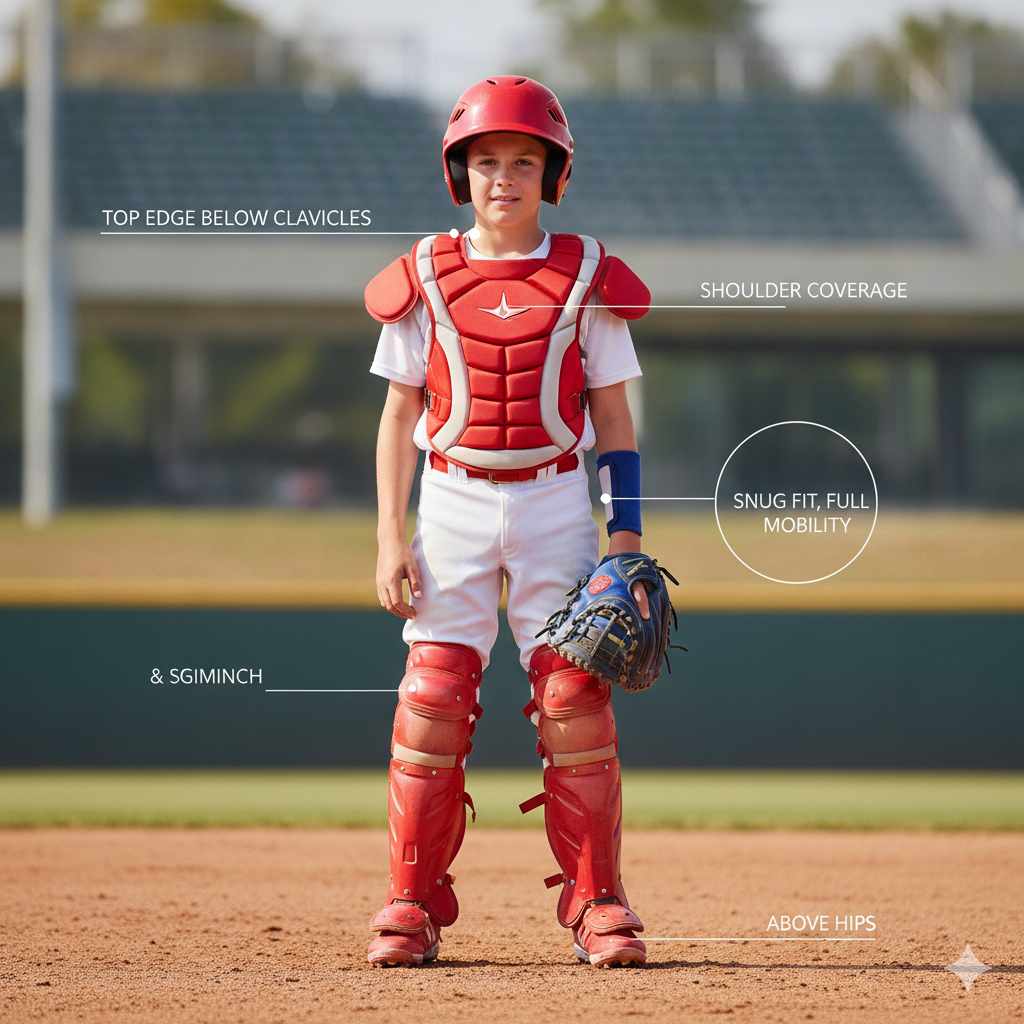
How A Chest Protector Should Fit Correctly
A chest protector should fit snugly but not restrict movement. It needs to cover the vital chest area, allow for breathing and arm motion, and stay in place during activity. Proper fit means it feels secure, doesn’t chafe, and provides reliable protection.
For a closely related bow or archery topic, Alpinestars Vs Leatt Chest Protector: Essential Showdown gives readers a useful next step.
For a closely related bow or archery topic, How A Dirt Bike Chest Protector Should Fit gives readers a useful next step.
For a closely related bow or archery topic, How A Motocross Chest Protector Should Fit gives readers a useful next step.
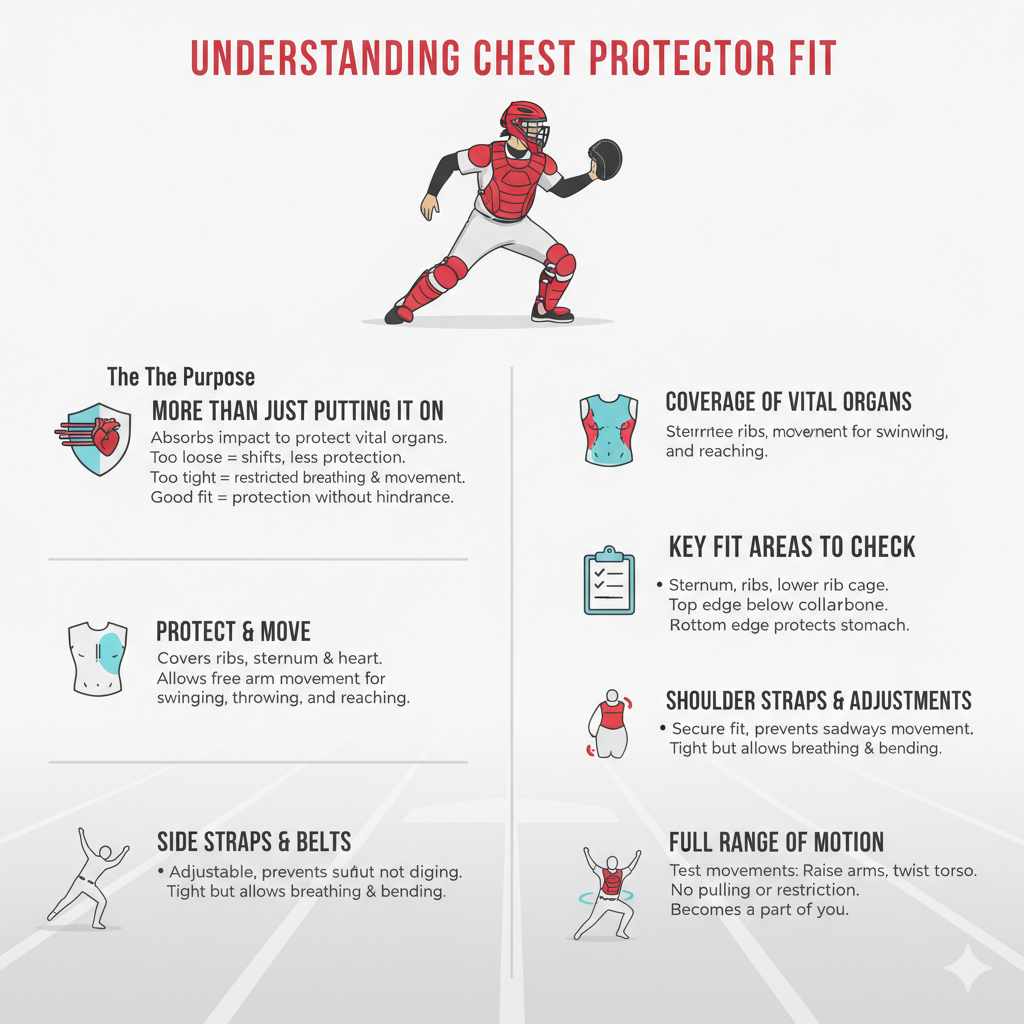
Understanding Chest Protector Fit
This is about more than just putting it on. It’s about ensuring it does its job. A chest protector is designed to absorb impact. If it’s too loose, it can shift. This means it might not be where it needs to be when you take a hit. If it’s too tight, it can hurt your breathing. It can also limit how you move. Good fit means it becomes a part of you, offering protection without getting in the way.
Think about the main parts of your upper body. You have your ribs, your sternum, and your heart. The protector needs to cover these areas well. It also needs to allow your arms to move freely. You need to be able to swing, throw, or even just reach for something.
Key Fit Areas to Check
There are a few main spots where fit really matters.
Coverage of Vital Organs
The most important part is how much of your chest it covers. It should protect your sternum and your ribs. It needs to extend down to cover your lower rib cage too. Many protectors have a top edge that should sit just below your collarbone. This stops it from getting in your face or neck. The bottom edge should go down far enough. It should protect your stomach area a bit. This is especially true for sports where you might get low.
Shoulder Straps and Adjustments
These straps help hold the protector in place. They should be adjustable. You want to be able to pull them snug. But they shouldn’t dig into your shoulders. They should feel firm. They help keep the pads from sliding down your chest.
Side Straps and Belts
Most chest protectors have straps or a belt around the waist or sides. These are crucial for a secure fit. They should be tight enough to keep the protector from moving sideways. But again, not so tight that they make it hard to breathe or bend. You should be able to fasten them comfortably.
Arm Mobility
Can you raise your arms? Can you twist your torso? Try making the motions you do in your sport. If the protector is too big or stiff, it might feel like it’s pulling or restricting you. This is a common problem. Good fit means you can move without feeling held back.
Why Proper Fit is So Important
It’s easy to think of a chest protector as just a piece of plastic and foam. But its effectiveness relies heavily on how it sits on your body.
Protection Effectiveness
When a protector fits well, it stays put. This means it’s in the right place to do its job. If it’s loose and shifts, a hard impact might hit an unprotected spot. This is true for sports like baseball, lacrosse, hockey, or even some martial arts. The padding needs to be directly over the area needing protection.
Comfort and Performance
An ill-fitting protector can be a real distraction. It can chafe. It can feel heavy or awkward. This can take your focus away from the game. You might find yourself constantly adjusting it. Or you might feel stiff because you’re trying not to move in a way that makes it uncomfortable. A good fit feels almost invisible. It lets you play your best.
Injury Prevention
Beyond impact protection, a poor fit can sometimes lead to other issues. Straps that are too tight could potentially affect circulation. But more commonly, discomfort can lead to unnatural movements. This could, in turn, increase the risk of other strains or sprains.
How to Measure and Size a Chest Protector
Getting the right size is the first step. Manufacturers provide sizing charts. These are usually based on height, weight, or chest circumference.
Consulting Size Charts
Always look for the brand’s specific size chart. They can vary. You’ll typically need to measure a few things.
Chest Circumference
This is a common measurement. Use a soft measuring tape. Wrap it around the fullest part of your chest. Keep the tape level. Don’t pull it too tight. You want a natural measurement.
Height and Weight
These are often used as guides. They give a general idea of body size. But chest circumference is usually more precise for a protector.
Torso Length
Some brands might ask for torso length. This is the distance from your shoulder or neck down to your waist. This helps determine how long the protector needs to be.
Trying It On (The Best Way!)
If possible, always try a chest protector on before buying. This is the best way to know if it truly fits.
Wear Your Sports Gear
Wear a similar shirt or padding you’d wear underneath it. This gives a more accurate feel.
Check for Gaps
Look for any large gaps between your body and the protector. Especially around the arms and neck. There should be a little bit of room for comfort. But not so much that it feels loose.
Test Your Range of Motion
Move around! Mimic the actions of your sport. Swing your arms. Bend your back. Reach up high. Does it stay in place? Does it feel like it’s digging in anywhere?
Adjusting a Chest Protector for the Perfect Fit
Once you have a protector that’s generally the right size, you’ll likely need to make some adjustments. This is where you fine-tune the fit.
Securing the Shoulder Straps
These straps often have Velcro or buckles. Adjust them so they are firm. They should pull the top of the protector up slightly. This helps keep the chest coverage in place. Make sure they don’t feel like they are cutting into your neck or shoulders.
Chest Protector Fit Checklist
Coverage: Does it cover your sternum and lower ribs?
Straps: Are shoulder and side straps snug but not too tight?
Movement: Can you move your arms and torso freely?
Comfort: Does it rub or pinch anywhere?
Stability: Does it stay in place when you move?
Tightening the Side or Waist Straps
These are key for stability. Adjust them so the protector feels secure around your torso. You should feel it held firmly against your body. But you must be able to take a deep breath. You should also be able to bend comfortably. Many protectors have elastic straps. These allow for some give as you move.
Common Fit Issues and Solutions
Issue: Protector slides down.
Solution: Tighten shoulder straps and side straps. Ensure the top edge sits just below the collarbone.
Issue: Restricts arm movement.
Solution: Loosen side straps slightly. Ensure shoulder straps aren’t pulling the chest piece too high. Check if the armholes are cut correctly for your sport.
Issue: Rubs or chafes.
Solution: Check for seams or rough edges. Try adjusting strap tension. Some athletes wear a thin, moisture-wicking shirt underneath.
Issue: Too much gap at the sides or bottom.
Solution: You might need a different size or model. Some protectors offer more side coverage or a longer cut.
Ensuring No Pinching or Binding
As you tighten straps, be mindful of where they sit. They shouldn’t dig into your skin. Or bunch up fabric uncomfortably. Make small adjustments. Test the feel after each one.
The “Deep Breath Test”
This is simple but effective. Take a deep breath in. Hold it for a moment. Does the protector feel like it’s squeezing you too much? If so, loosen the straps a bit.
The “Twist and Bend Test”
Try twisting your body from side to side. Try bending forward and backward. Does the protector stay in place? Does it feel like it’s pulling your shirt or skin?
Chest Protector Fit in Specific Sports
The exact fit requirements can shift slightly depending on the sport. What’s perfect for one might need tweaks for another.
Baseball and Softball
In these sports, catchers and umpires wear chest protectors. They need to absorb high-speed pitches. Coverage is key. They also need to allow for squatting and quick movements. A protector that’s too long might dig into the stomach when squatting. A protector that’s too wide might interfere with the mask.
Hockey
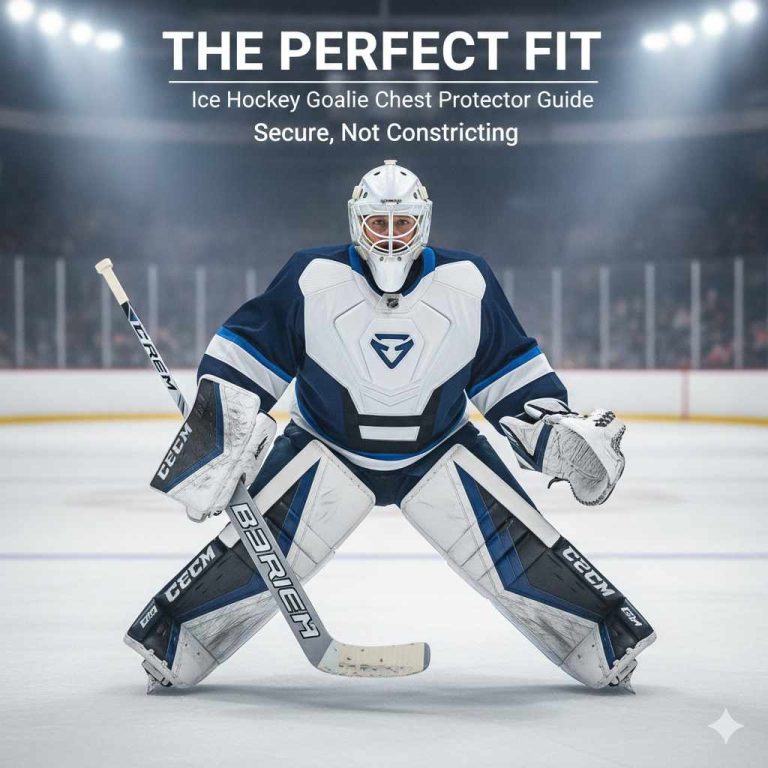
Hockey goalies and some skaters wear chest protectors. These are often bulkier. They need to protect against very hard shots. Fit is about coverage and allowing for the wide range of motion needed to move in the crease. The shoulders and arms are particularly important here. The protector must allow for quick pushes and saves.
Lacrosse
Lacrosse players, especially goalies and defensemen, wear chest protectors. These need to be flexible enough for running and passing. They must provide good protection against the fast, hard shots in the game. The fit needs to be secure so it doesn’t shift during aggressive play.
Martial Arts and Other Combat Sports
In sports like Karate, Taekwondo, or even some forms of boxing, chest protectors are often lighter. They might focus more on flexibility and allowing a full range of motion for strikes and blocks. Fit here is about not hindering movement at all. It should feel like a second skin.
Infographic Style: What Makes a Good Fit?
Good Fit = Protection + Comfort
- Secure: Stays in place during activity.
- Coverage: Protects vital chest and rib areas.
- Mobile: Allows full range of arm and torso motion.
- Breathable: Does not restrict deep breathing.
- No Pinching: Straps and edges lie flat and smooth.
Common Mistakes When Fitting a Chest Protector
People often make a few key errors. Avoiding these can save a lot of discomfort and ensure better protection.
Mistake 1: Buying Too Big to “Grow Into”
I’ve seen this a lot. Parents buy a protector that’s too large hoping their child will grow into it. This is a mistake. A protector that is too big won’t fit correctly now. It won’t offer proper protection. It can be loose and shift. This defeats its purpose. It’s better to buy the right size now. Replace it when they outgrow it.
Mistake 2: Not Adjusting Straps Properly
Many protectors come with adjustable straps. People sometimes just fasten them. They don’t take the time to really dial in the fit. The shoulder straps need to support the weight. The side straps need to keep it snug. Don’t be afraid to adjust them until it feels just right.
Mistake 3: Ignoring Comfort for Coverage
Yes, coverage is critical. But so is comfort. If a protector is so uncomfortable that you can’t focus, it’s not helping. This might mean you need a different style of protector. Or perhaps a different brand. Many sports require a balance.
Mistake 4: Assuming One Size Fits All Sports
As we touched on, different sports have different needs. A hockey goalie protector is built differently than a baseball umpire protector. Don’t assume a protector for one sport will work perfectly for another without checking.
Quick-Scan Table: Protector Fit vs. Sport Needs
| Sport | Key Fit Focus | Potential Fit Problem |
|---|---|---|
| Baseball/Softball | Sternum/Rib Coverage, Squatting Freedom | Too long, interferes with mask |
| Hockey | Full Torso Coverage, Arm/Shoulder Mobility | Bulky, restricts movement |
| Lacrosse | Flexibility, Secure Fit during Agility | Shifts during play, restricts speed |
| Martial Arts | Unrestricted Motion, Lightweight | Too stiff, hinders strikes/blocks |
What to Do if Your Chest Protector Still Doesn’t Feel Right
Sometimes, even after trying different adjustments, a protector just isn’t working. What then?
Re-evaluate the Size
Could you have mis-measured? Or is the brand’s sizing just not a good match for your body shape? It might be time to try a different size. Or even a different brand. Every brand has a unique cut.
Consider a Different Model or Style
Protectors come in many designs. Some are more rigid. Others are more flexible. Some offer more padding. Others are lighter. Think about your sport’s demands. Maybe a sleeker model is better. Or perhaps one with more articulated padding.
Check the Material and Padding
The material itself can affect fit. Some plastics are stiffer. Some foams are denser. These can influence how the protector conforms to your body. While you can’t change the materials, understanding them might guide your choice.
Talk to Coaches or Experienced Players
They’ve likely worn many protectors. They’ll have good insights into what works for specific sports and body types. They might have a favorite brand or model they recommend.
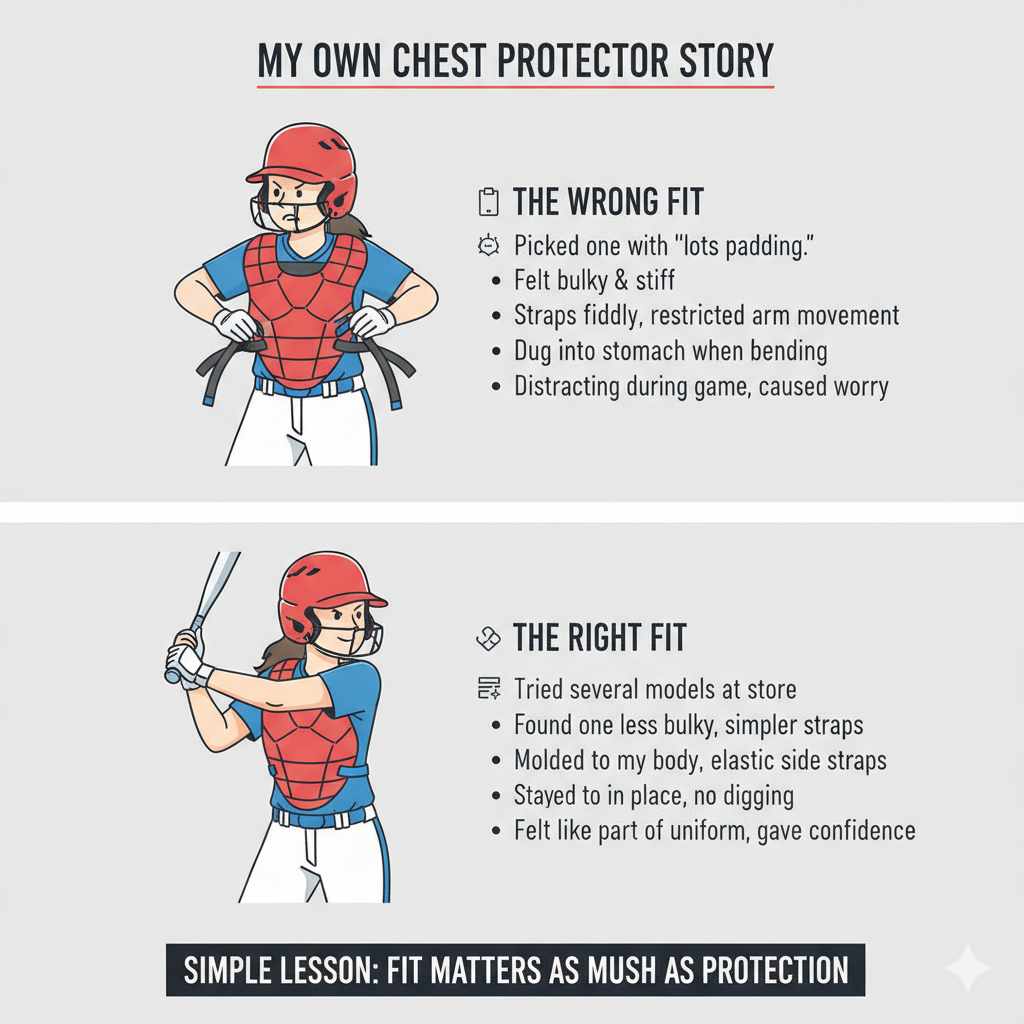
My Own Chest Protector Story
I remember the first time I bought a chest protector for a recreational softball league. I’m not a catcher, but the league rules required something for batting. I picked one up that looked decent. It had lots of padding. I figured more padding was always better.
When I put it on, it felt… strange. It was bulky. The straps were fiddly. I spent about ten minutes trying to adjust it. I’d tighten the sides, and it felt okay. Then I’d lift my arms to swing, and it felt like it was pulling my shoulders back. Or I’d bend down to grab a bat, and the bottom edge would dig into my stomach. It wasn’t painful, but it was annoying. I felt stiff.
During the first game, I was constantly aware of it. I’d shift it between pitches. I’d try to adjust the straps during breaks. It was a distraction. I remember a foul ball coming close, and I flinched not just from the ball, but from the awkwardness of the protector. It wasn’t giving me confidence; it was giving me worry.
After that game, I realized this wasn’t going to work. I took it off and examined it closely. The coverage was good, but the fit was just wrong for my body. I went to a sports store and tried on several different models. I found one that was less bulky. Its straps were simpler. When I put it on and moved, it felt like it just molded to me. The side straps were elastic, which made a huge difference. It stayed in place when I swung. It didn’t dig into my stomach when I bent. It felt like part of my uniform, not a separate, awkward piece of equipment. It was a simple lesson: fit matters as much as protection.
Frequently Asked Questions About Chest Protector Fit
How do I know if my chest protector is too tight?
If you find it hard to take a deep breath, or if the straps dig into your skin, it’s likely too tight. You should be able to move freely without feeling restricted.
Can a chest protector be too loose?
Yes, absolutely. A loose chest protector can shift during play. This means it might not be in the right place to offer protection when you need it.
It can also be a distraction.
How far down should a chest protector go?
It should cover your sternum and extend down to protect your lower rib cage. The exact length can vary by sport, but it should provide coverage to your upper abdomen.
Do I need to wear anything under my chest protector?
Most people wear a t-shirt or a thin, moisture-wicking athletic shirt underneath. This helps with comfort, absorbs sweat, and can prevent chafing.
What is the best way to adjust the straps?
Start with the shoulder straps to get the right height for coverage. Then, adjust the side or waist straps to secure the protector firmly against your body. Make sure you can still breathe and move comfortably.
How often should I replace a chest protector?
Replace it if you notice any cracks, significant wear, or if it no longer provides a secure fit. For youth growing rapidly, replacement will be more frequent. Check for damage regularly.
Final Thoughts on Achieving the Best Fit
Finding that perfect fit for your chest protector is about more than just comfort. It’s about ensuring you have the best possible protection. Take your time when sizing and adjusting. Don’t rush the process. Remember that what feels right for one person might not feel right for another. Your body shape and your sport are unique factors. A well-fitting chest protector will feel secure, allow you to move freely, and give you the confidence to play your best.