How Tight A Chest Protector Should Be
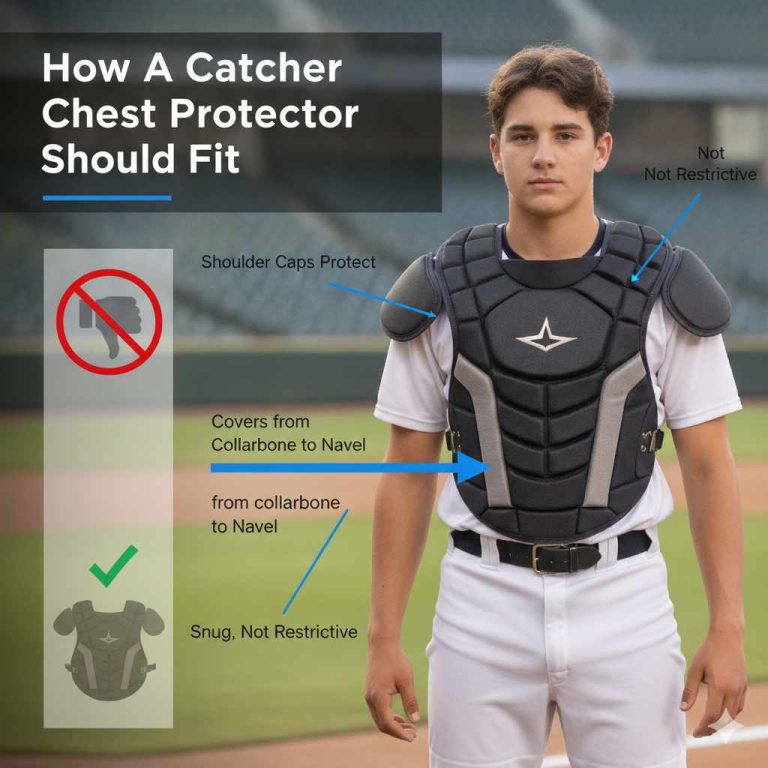
A chest protector should be snug but not constricting. It needs to stay in place during play and protect against impacts without limiting movement or breathing. Look for a fit that allows full range of motion for your arms and torso.
Understanding Chest Protector Fit
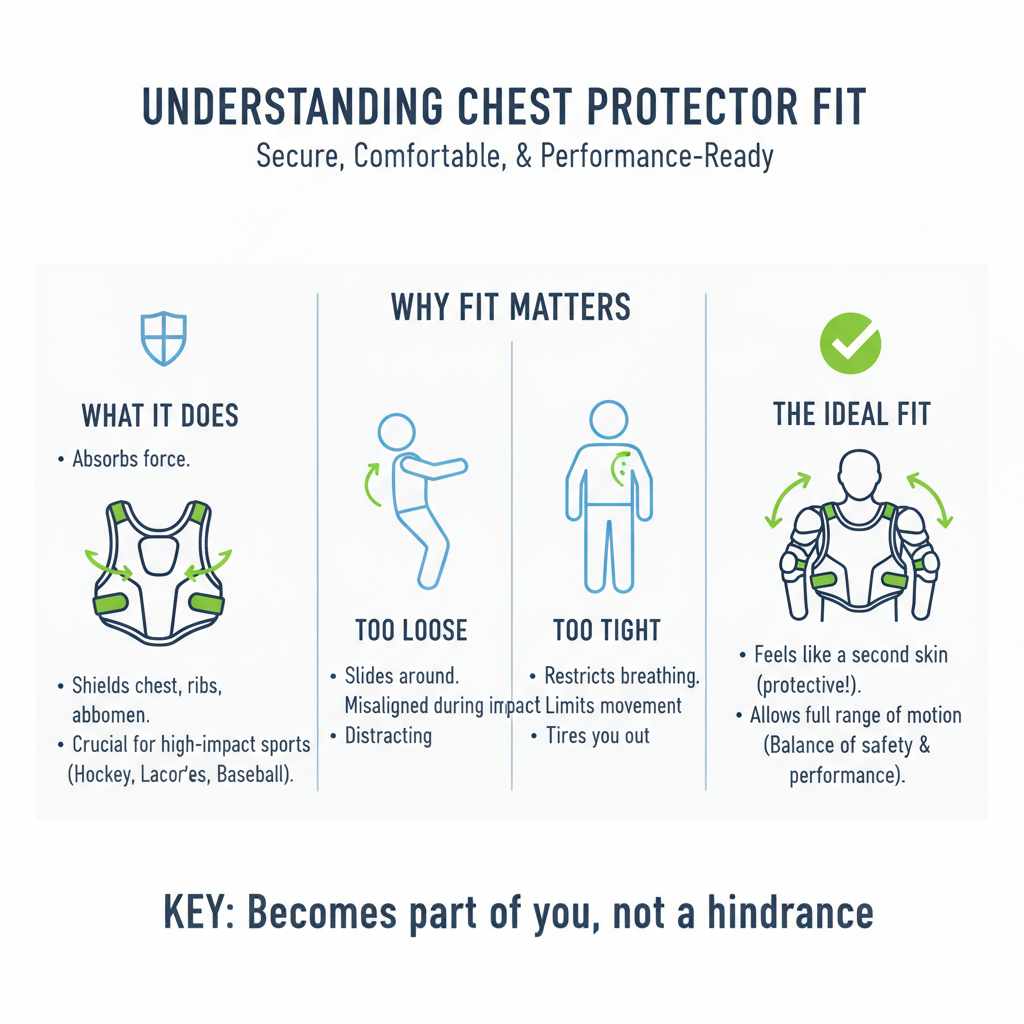
Chest protectors are vital gear for sports where impacts are common. Think hockey, lacrosse, and even some levels of baseball. Their main job is to absorb force.
This shields your chest, ribs, and abdomen from hard hits.
The fit is super important for this job. If it’s too loose, it can slide around. This means it might not be in the right spot when you get hit.
It could also be a distraction. If it’s too tight, it can make it hard to breathe or move.
We want a fit that feels like a second skin, but a very protective one. It should feel secure. It should also let you bend, twist, and reach without feeling held back.
This balance is key for both safety and performance.
Why Chest Protector Fit Matters So Much
Imagine a goalie diving to make a save. Their chest protector needs to be part of their movement. If it’s too big, it might get in the way of their pads.
If it’s too small, it won’t cover all the key areas when they stretch.
For a hockey player skating hard, the protector should feel stable. It shouldn’t bunch up or rub. When they take a shot to the chest, the protector needs to stay put to do its job.
This means the straps and overall fit need to be just right.
The goal is simple: max protection, min restriction. It sounds easy, but many factors play a role. The player’s body type is one.
The specific sport and its movements are another. And of course, the design of the protector itself.
What “Snug” Really Means
When we say snug, we mean it should feel close to your body. But not like a compression shirt. You should be able to slide a finger or two between the protector and your skin.
This allows for some air flow. It also means it isn’t squeezing you.
Think about how it feels when you put it on. Does it pull in certain spots? Are there gaps where your arms meet the body of the protector?
These are signs that the fit might be off.
A good fit also means the protector stays put when you move. Try raising your arms. Do some arm circles.
Bend at the waist. The protector should move with you. It shouldn’t ride up your neck or shift down your sides.
My Own Chest Protector Wake-Up Call
I remember when I was helping my nephew, Leo, get ready for his first year of competitive lacrosse. He was maybe 10. He had a chest protector that looked okay.
It seemed to cover him. But he complained it felt “weird” when he ran.
I didn’t think much of it at first. I figured he’d get used to it. But during his first few practices, he kept adjusting it.
He looked uncomfortable. He wasn’t moving with the same freedom as the other kids.
One afternoon, I watched him closely. I saw how the shoulder pads kept slipping. He had to keep reaching up to pull them back into place.
The main body of the protector seemed to ride up his back when he reached forward. It was clearly too big.
That night, I felt pretty bad. I had let him go out there with gear that wasn’t helping him. It was actually hindering him.
We went to a proper sporting goods store the next day. The staff there helped us try on a few different sizes and brands. We found one that fit him perfectly.
The difference was instant. He looked so much more confident and moved so much better.
That experience taught me a lot. It’s not just about the size on the tag. It’s about how it feels and moves with the specific athlete.
It showed me the real-world impact of proper gear fitting.
Checking the Fit: Step-by-Step
Here’s a simple way to check if a chest protector fits well. First, have the player put on their base layer. This is the shirt they’ll wear under the gear.
Then, put on the chest protector. It should go on easily.
Make sure the shoulder pads are sitting correctly on their shoulders. They shouldn’t be hanging off the edge or digging in. The straps should fasten comfortably.
You should be able to adjust them without them being at their absolute tightest or loosest.
Next, check the sternum area. This is the front of the chest. The protector should cover this area well.
There shouldn’t be a big gap above or below it. The side panels should also overlap or connect nicely. They should offer protection down to the waist.
Now, have the player move. Have them reach their arms up high. Then, have them cross their arms in front.
Bend forward. Twist side to side. Does the protector stay in place?
Does it restrict their breathing?
If you can easily slide more than two fingers between the protector and their chest, it might be too big. If they can’t take a full breath or their arms feel pinned, it’s too tight.
Key Fit Points to Remember
Shoulder Coverage: Pads should sit right on the shoulders. No overhang or gap.
Sternum Protection: The front plate must cover the chest bone well.
Arm Mobility: Arms should move freely. No pinching or pulling.
Torso Movement: Bending and twisting should be comfortable. The protector stays put.
Breathing: Easy to take deep breaths. No chest restriction.
Common Fit Mistakes to Avoid
One common mistake is buying a size too big. Parents often do this so their child can “grow into it.” While some growth is normal, a protector that’s too big is unsafe. It won’t offer the right protection now.
Another mistake is focusing only on the chest piece. The shoulder caps and arm guards are also part of the fit. If they’re too loose or too tight, it affects the whole system.
Make sure these parts are adjustable and secure.
Some players might prefer a very tight fit, thinking it’s more protective. But too tight can be just as bad. It can restrict blood flow or breathing.
This can lead to fatigue and reduced performance. Always prioritize comfort and freedom of movement.
Finally, not checking the fit with the rest of their gear on is a mistake. Shoulder pads, arm guards, and even the base layer can affect how the chest protector sits. Always do a full gear check.
Fit Check: Myth vs. Reality
Myth: Bigger is better for growing kids.
Reality: A protector that’s too big offers poor protection and can hinder movement.
Myth: Tight means more protection.
Reality: Too tight can restrict breathing and blood flow, leading to poor performance.
Myth: Any chest protector will do.
Reality: Specific sports require specific types of protection and fit needs.
How Sports Influence Fit Needs
The sport itself dictates a lot about how a chest protector should fit. In hockey, goalies need maximum coverage and flexibility. Their protectors are often larger and more padded.
They need to cover a wide stance and quick movements.
For a hockey skater, agility is key. The protector needs to be streamlined. It should allow for quick turns and stick handling.
A bulky protector can get in the way. The fit needs to be secure to prevent shifting during fast play.
Lacrosse players need a good balance. They run a lot. They also need to throw and catch.
The protector needs to allow a full range of motion for their arms. It must also protect against the high-speed shots from lacrosse sticks.
Consider the impact zones for each sport. Hockey involves skates and sticks. Lacrosse has sticks and balls.
Baseball has bats and fastballs. The protector’s design and how it fits should address these specific risks.
Sport-Specific Fit Notes
- Hockey Skaters: Streamlined fit, secure, allows quick movements.
- Hockey Goalies: Maximum coverage, flexible, stays in place during dives.
- Lacrosse: Balanced fit for running and throwing, arm mobility is crucial.
- Baseball: Covers vital areas, allows for batting and throwing motion.
Adjusting Your Chest Protector
Most modern chest protectors have adjustable straps. These are usually on the sides and shoulders. Start by loosening all the straps.
Put the protector on.
First, adjust the shoulder straps. They should make the shoulder caps sit comfortably. You want them to cover the top of the shoulder bone.
They shouldn’t be too high or too low.
Next, adjust the side straps. These pull the main body of the protector in. Aim for that snug feel.
You should be able to get a finger or two between the protector and your skin. They shouldn’t be so tight that they create pressure points.
If the protector has arm guards attached, make sure those fit too. They should protect the bicep and elbow area. They should be adjustable so they don’t slide down.
Try moving again. Reach, twist, jump. If anything feels off, adjust the straps a little.
It might take a few tries to get it perfect. It’s worth the effort.
Materials and Fit
The materials used in a chest protector can affect how it feels and fits. Some use foam padding. Others use plastic shells.
Some combine both.
Foam padding can be softer. It might conform to the body better over time. But if it’s too bulky, it can make the protector feel larger.
It can also trap heat, making it feel less comfortable.
Hard plastic shells offer more rigid protection. They need to be shaped well to avoid awkward pressure points. The way these shells connect and overlap also matters for fit and flexibility.
Lighter materials are often preferred today. They help keep the weight down. This can make a protector feel less bulky.
It allows for better movement. The fit can feel more natural.
Look at the construction of the straps and buckles. Are they sturdy? Are they easy to use?
Do they stay fastened? These details contribute to the overall security of the fit.
Material Matters: Quick Look
Foam: Conforms, can be bulky.
Plastic Shells: Rigid, needs good shaping.
Lightweight Materials: Reduce bulk, improve mobility.
Sturdy Straps: Ensure secure fit and easy adjustment.
When is it “Too Tight”?
It’s too tight if it causes any of these issues:
- Breathing Difficulty: You can’t take a deep breath easily. You feel like your chest is being squeezed.
- Numbness or Tingling: This can happen if straps are cutting off circulation.
- Red Marks or Chafing: The protector digs into your skin. It causes pain or discomfort.
- Restricted Movement: You can’t reach fully or twist without feeling held back.
- Pressure Points: Specific spots feel sore or painful from the tightness.
A good protector should feel supportive. It should not feel like it’s painfully pressing on you. If you experience any of these, loosen the straps.
If it still feels too tight, the protector might be the wrong size or shape for you.
When is it “Too Loose”?
It’s too loose if you notice:
- Shifting During Play: The protector moves around when you skate, run, or make quick movements.
- Gaps in Coverage: You can see skin or your base layer showing where the protector should be covering.
- Straps Maxed Out: The straps are pulled as tight as they can go, and it still feels loose.
- Riding Up: The protector slides up towards your neck or down your back.
- Worry About Protection: You feel like it won’t stay in place if you get hit.
The goal is for the protector to stay in its intended position no matter what. If it shifts, it’s not doing its job effectively. It’s also a sign of poor fit.
My Experience with a Badly Fitting Protector
I remember a time I was playing in an adult recreational hockey league. I’d borrowed some gear from a friend. One piece was this older, bulky chest protector.
It looked like it had seen better days. I put it on, and it felt… okay. A bit big, maybe.
But I didn’t think too much of it.
Halfway through the first period, I went into the corner to battle for a puck. I got bumped hard. The protector didn’t shift much, but I felt a strange impact.
It wasn’t a sharp pain, more like a deep thud. I kept playing.
Later, I noticed a large bruise forming on my side. The protector had ridden up slightly when I got hit. There was a small gap where the main body ended and the side protector started.
A glancing blow from a stick had managed to hit that exposed spot. Ouch.
It wasn’t a game-ending injury, thankfully. But it was a stark reminder. Even if a protector looks like it covers you, a poor fit means that coverage can fail.
That bruise took a week to fully fade. It made me way more careful about checking my gear fit from then on.
Choosing the Right Size
Chest protector sizing can vary by brand. Most brands use a height and chest measurement system. Always check the specific brand’s sizing chart.
Height: This is the player’s overall height.
Chest: Measure around the fullest part of the chest. Keep the tape measure snug but not tight.
Once you have these measurements, compare them to the chart. If you’re between sizes, consider the player’s build. Are they thin or stocky?
This can sometimes influence the best choice.
It’s always best to try on the protector if possible. Have the player wear their usual base layer. This way, you get the most accurate feel for the fit.
Sizing Guide: What to Measure
Player Height: Measure from head to toe.
Chest Circumference: Measure around the widest part of the chest.
Consult Brand Charts: Always use the manufacturer’s specific sizing guide.
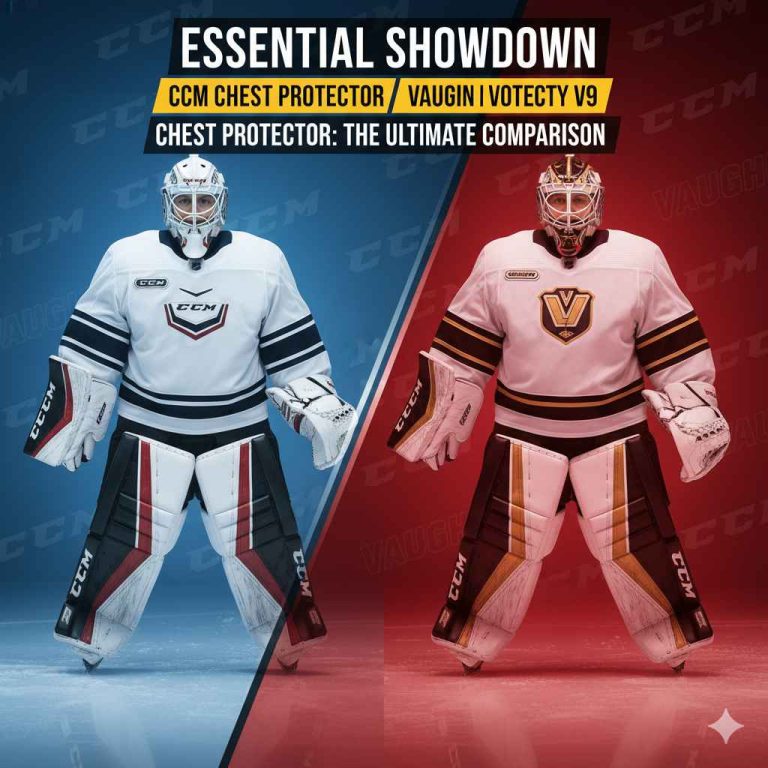
Considerations for Goalie Chest Protectors
Goalie chest protectors are different from player protectors. They are generally larger. They offer more padding.
They are designed to cover a wider area and absorb more powerful shots.
Fit is still crucial. A goalie needs to be able to move freely. Their protector must allow them to drop into a butterfly stance.
They need to reach for pucks. It must cover their chest, abdomen, and shoulders.
The shoulder floaters (the pieces that cover the upper chest and shoulder) are very important. They need to stay in place. They should allow the goalie to lift their arms to block high shots.
The length of the belly pad is also key. It should extend down to protect the lower ribs and abdomen. But it shouldn’t be so long that it hinders their stance or movement.
Goalie gear is often more specialized. It’s worth seeking advice from people who know goalie equipment well when fitting a goalie chest protector.
How Tight is Just Right? A Summary
The “just right” fit for a chest protector is one that feels secure, allows full movement, and offers complete coverage. It should be snug enough to stay put during intense activity, but not so tight that it restricts breathing or circulation.
Think of it as a comfortable embrace. It holds you in place without squeezing. There should be no significant gaps in protection.
You should be able to perform all the athletic movements required by your sport without feeling hindered.
If you can easily move your arms in all directions, breathe deeply, and the protector doesn’t shift when you move, you’re likely on the right track. It’s a balance that prioritizes both safety and the ability to play your best.
When to Worry About Your Chest Protector
You should worry if the chest protector:
- Constantly rides up or down: No matter how you adjust it, it moves.
- Restricts breathing: It feels difficult to take a full, deep breath.
- Puts painful pressure on your body: You feel pinching, digging, or rubbing.
- Has gaps in coverage: You can see skin where the protector should be protecting you.
- Doesn’t allow full range of motion: You can’t reach, twist, or bend as needed for your sport.
- Seems too small for your body: It doesn’t cover the intended areas fully.
If any of these are true, it’s time to reassess. A poorly fitting protector is a safety hazard. It defeats the purpose of wearing it.
Quick Checks for a Good Fit
Here are some super quick checks:
- Arm Reach Test: Can you reach your arms straight up overhead?
- Twist Test: Can you twist your torso comfortably side to side?
- Deep Breath Test: Take a big breath. Does it feel easy?
- The “Finger Test”: Try to slide 1-2 fingers between the protector and your chest. If more fit, it’s likely too loose. If you can’t fit any, it might be too tight.
- Look for Gaps: Visually check for any exposed areas when moving.
These simple tests can quickly tell you if your protector is working for you.
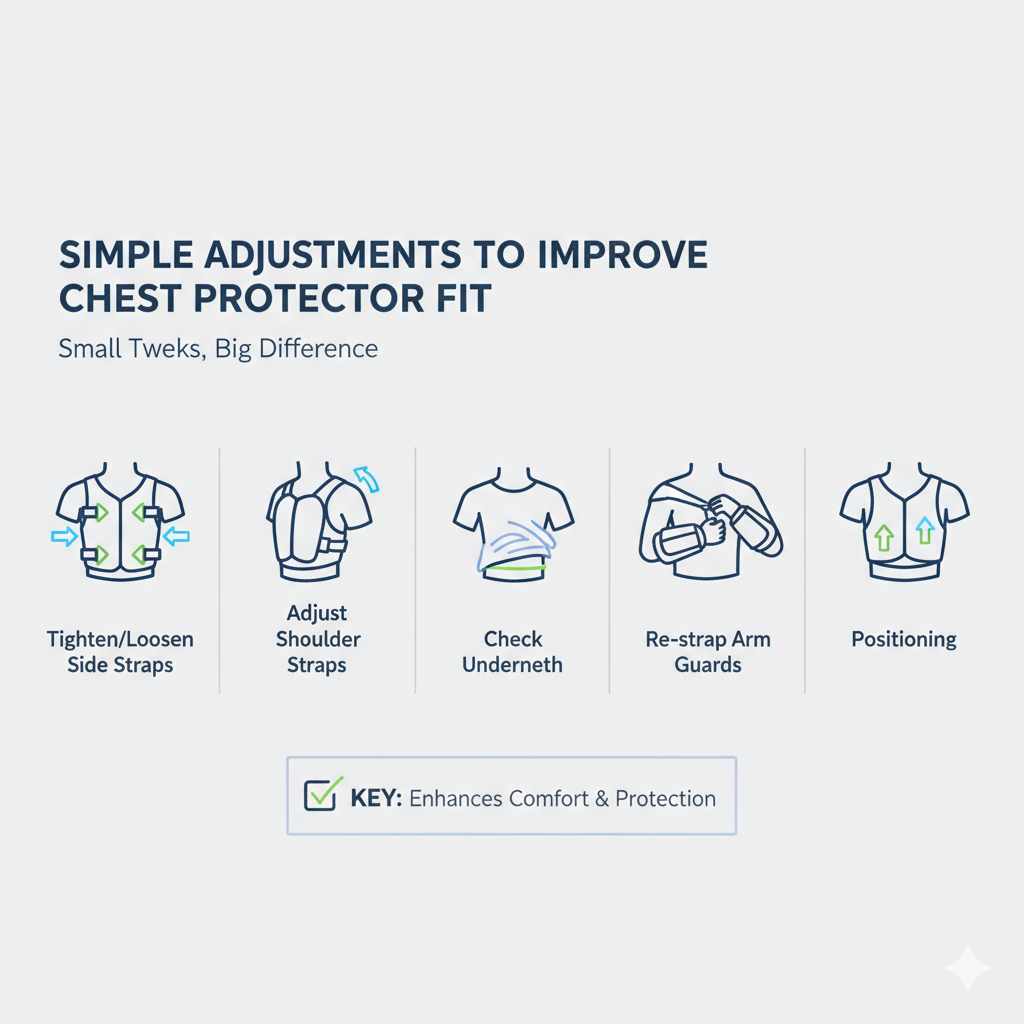
Simple Adjustments to Improve Fit
If your protector is slightly off, try these simple adjustments:
- Tighten/Loosen Side Straps: This is the most common adjustment. Try small changes.
- Adjust Shoulder Straps: Make sure shoulder caps sit correctly.
- Check Underneath: Is your base layer bunched up? This can affect fit.
- Re-strap Arm Guards: If attached, ensure they are snug and in place.
- Positioning: Sometimes, simply pulling it up or down slightly makes a difference.
These are small tweaks. They can make a big difference in comfort and protection.
Frequently Asked Questions About Chest Protector Fit
How do I know if my chest protector is too tight?
Your chest protector is likely too tight if you have trouble breathing deeply, feel numbness or tingling, experience painful pressure points, or if it significantly restricts your arm or torso movement. It should feel secure, not constricting.
What is the best way to measure for a chest protector?
You’ll typically need two measurements: your height and your chest circumference. Measure around the fullest part of your chest, keeping the tape snug. Always refer to the specific brand’s sizing chart for accurate recommendations.
Can I wear a chest protector that’s a little big to grow into?
It’s generally not recommended. A chest protector that is too large will not offer proper protection. It can shift during play, leaving you vulnerable to impacts.
It’s better to have a protector that fits well now.
How much room should there be under my chest protector?
You should be able to comfortably slide one to two fingers between your chest and the protector. This allows for some air circulation and ensures it’s not too tight. If you can fit many fingers, it’s likely too loose.
Does the sport matter when fitting a chest protector?
Yes, absolutely. Different sports have different impact types and movement demands. Hockey goalies need different protection and fit than hockey skaters or lacrosse players.
Always consider the specific needs of your sport.
What if my chest protector straps don’t seem to adjust enough?
If the straps are already at their tightest and it’s still loose, the protector is too big. If they are at their loosest and it’s too tight, the protector is too small. You may need to consider a different size or model.
Final Thoughts on Chest Protector Fit
Getting the fit of your chest protector right is more than just comfort. It’s a critical part of your safety on the field or ice. A well-fitting protector stays in place, absorbs impact effectively, and allows you to play your best.
Take the time to check the fit carefully. Measure properly. Try it on if you can.
And always prioritize freedom of movement and complete coverage. Your body will thank you for it.