How To Aim Without A Peep Sight: Expert Techniques
For those who want to shoot a bow accurately without a peep sight, focus on anchor points, proper form, and consistent sight picture. This method relies heavily on muscle memory and a repeatable drawing process to achieve reliable accuracy. It’s a classic skill that requires patience and practice.
Understanding Aiming Without a Peep Sight
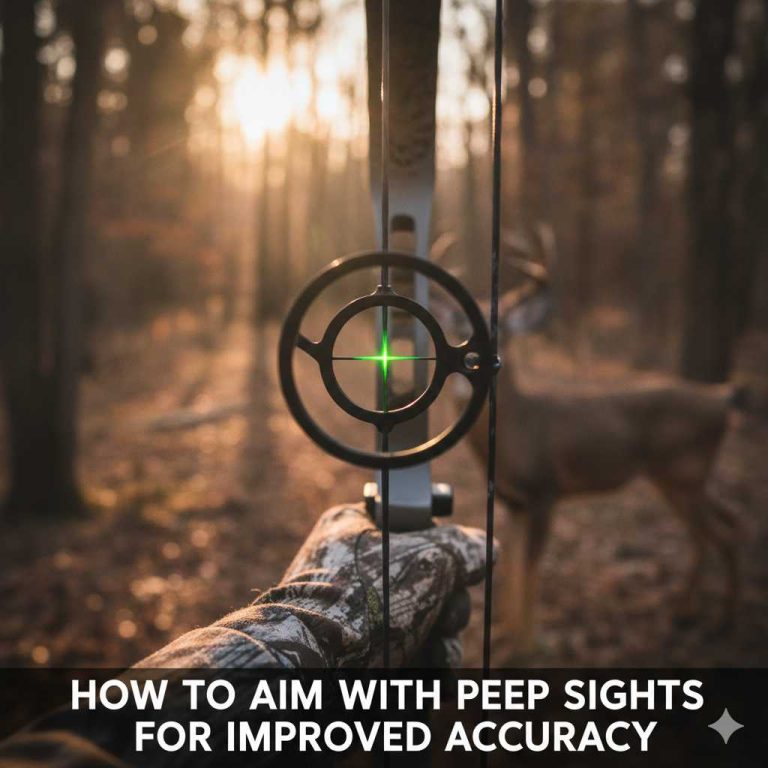
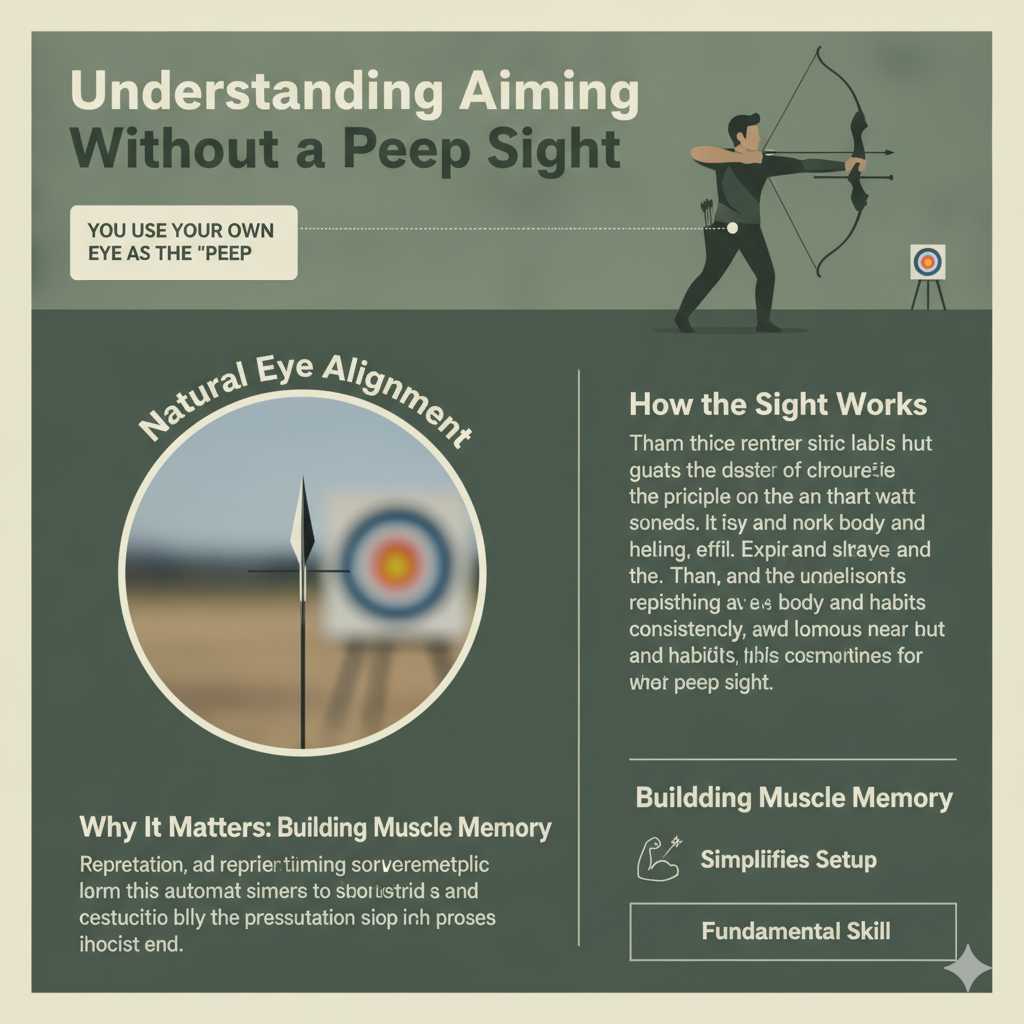
A peep sight is a small piece of equipment on a bowstring. It helps archers align their eye with the sight pin. This creates a consistent point of aim.
When you don’t have a peep sight, you lose that guide. Your eye needs to find a new way to line things up.
The main goal is to create a consistent sight picture. This means your eye, the target, and your bow’s sight should always be in the same relationship. Without a peep, this consistency comes from your body and your habits.
You use your own eye as the “peep.”
This method works by building muscle memory. Your body learns the exact way to draw the bow and aim. It’s like learning to shoot a basketball.
You don’t think about every little movement. Your muscles just know what to do.
Many experienced archers started this way. Before peep sights were common, everyone shot like this. It’s a fundamental skill.
It teaches you a lot about your own body and how you aim. It can make you a better shooter overall. It also simplifies your bow setup.
My Own Journey: The Peep-Less Panic
I remember my first real bow hunt. It was a crisp autumn morning in Wisconsin. I’d practiced for weeks, but I’d always used a peep sight.
Then, disaster struck. My peep sight broke during a practice session just days before the trip. Panic set in.
How could I possibly hunt without it?
I felt lost. The familiar guide was gone. My shots felt wild and unpredictable.
I was aiming at a deer target, and the arrows were scattered. My friend, an old-school bowhunter, just chuckled. He told me, “Son, people hunted for centuries without those fancy things.”
He sat down with me. He showed me how to use my eye differently. He talked about finding a consistent anchor.
He explained how to make my draw stroke feel the same every single time. It wasn’t easy. My first few attempts were still messy.
But slowly, something started to click.
By the time I headed out on my hunt, I wasn’t perfect. But I was much better. I learned to trust my instinct and my form.
That hunt taught me a valuable lesson. Equipment helps, but the archer is the key. Learning to aim without a peep sight was a challenge, but it made me a more adaptable and skilled shooter.
Key Elements for Peep-Less Aiming
Consistent Anchor Point: This is where your drawing hand meets your face. It must be the same spot every time. Think of your string hand touching your jawline or cheek.
This ensures your eye is in the same position relative to the bow.
Solid Form: Good posture and body alignment are crucial. Keep your shooting arm elbow high. Your back should be straight.
This helps your aim stay stable as you hold the bow.
Sight You’ll learn to align your target with the front sight of your bow. Your eye becomes the alignment point. The front sight should be centered on the target.
Your eye sees this alignment.
Mastering the Anchor Point
Your anchor point is the most important part of shooting without a peep. It’s the reference point for your draw. When you draw the bowstring back, your hand stops at a specific place on your face.
This place must be exactly the same every single shot.
Many archers use their drawing hand to touch their jawbone. Others touch their chin. Some bring their string hand to the corner of their mouth.
The exact spot doesn’t matter as much as consistency. Find a spot that feels natural and comfortable for you.
When you reach your anchor, your eye should be in a fixed position. This fixed position allows you to see your sight and your target clearly. It’s like lining up a ruler with a point.
Your anchor point is the end of the ruler.
Practice drawing the bow repeatedly. Just draw and come back down. Do this slowly.
Feel where your hand lands. Try different spots on your face. Find one that feels secure and repeatable.
You should be able to close your eyes, draw, and feel your hand land in the same place.
Why is this so vital? If your anchor point moves even a little bit, your aim will change. Imagine a tiny shift. It’s like moving the camera lens.
The picture changes. For archery, this means your arrow will go to a different spot.
Developing a Consistent Sight Picture
With a peep sight, you look through the peep at the sight. Then you line up the sight with the target. Without a peep, you look over your bow’s sight.
You use your eye to align everything.
Here’s how it works: When you draw to your anchor point, your eye is in a set position. From this position, you will see your bow’s front sight. You need to train your eye to see the front sight in a consistent spot in your vision.
Most often, you want to see the front sight sitting on top of the target.
Imagine you’re looking at a clock face. You want the front sight pin to be at the 12 o’clock position. It sits right on the bullseye.
Your eye does the aiming here. It’s not about seeing the pin perfectly centered in a tiny hole. It’s about seeing the pin in the same spot relative to your target every time.
This takes practice. You’ll draw back, look at the target, and adjust where you’re looking slightly. You’re not moving your head.
You’re moving your focus. You want to see the front sight pin crisp and clear. Then you align it with the bullseye.
When you let the arrow go, the sight pin should be in that same spot.
Tip: Start with a larger target. This makes it easier to see your front sight relative to the target. As you get better, you can use smaller targets.
This demands more precision. Always focus on that consistent sight picture. Make it a habit.
Quick Scan: Sight Alignment Flow
- Draw Bow: Smoothly pull the string back.
- Reach Anchor: Your hand finds its spot on your face.
- Find Front Sight: Your eye picks up the sight pin.
- Align Sight: Place the sight pin on the target.
- Hold Steady: Keep your form and aim locked.
- Release Arrow: A surprise release is best.
Bow Setup for Peep-Less Shooting
While you can adapt almost any bow setup, some things make it easier. The biggest one is your bow sight. For peep-less aiming, you want a sight that’s easy to see and adjust.
Front Sight: Choose a sight with a bright, clear pin. Many archers prefer a single pin for this style of shooting. A brighter pin helps you see it against the target.
Some pins have a small fiber optic that glows. This is very helpful.
Sight Extension (Rod): A longer sight rod can help. It moves the sight further away from your eye. This can make the sight appear larger and easier to focus on.
It also helps reduce vibration.
Arrow Rest: A reliable arrow rest is key. Drop-away rests are popular. They lift out of the way when the arrow is released.
This means the rest won’t interfere with your arrow flight. This is important for accuracy.
Bow Angle: Some archers tilt their bow slightly. This is called canting the bow. A slight tilt can help make the front sight more visible.
It can also help you use your eye’s natural aiming tendencies. Experiment to see if this helps you.
String Loop: Using a string loop instead of nocking directly on the string is helpful. A loop allows your release aid to attach more cleanly. This provides a smoother release and better arrow flight.
It’s a small detail but can add consistency.
The Role of the Release Aid
Your release aid plays a big part. It’s the tool you use to let go of the bowstring. For peep-less shooting, a back-tension release is often recommended.
This type of release fires when you apply steady pressure.
With a back-tension release, you don’t “punch” the trigger. Instead, you pull through the shot. You keep drawing until the release fires on its own.
This creates a surprise release. It means you don’t consciously tell your finger to fire. This is vital for accuracy.
Why is a surprise release important? If you think about letting go, you might flinch. This flinch can move your aim at the last second.
A surprise release happens without you thinking. Your body just lets the arrow go. This keeps your aim steady right up to the moment the arrow leaves the bow.
When using a back-tension release, you draw the bow. You aim. Then, you continue to pull with your back muscles.
You’re not squeezing a trigger. You’re increasing the back tension. Eventually, the release fires.
You don’t anticipate it. This is a skill that takes practice.
Experiment: Try different types of release aids. Find one that feels comfortable and allows for a surprise release. Some archers use thumb button releases.
Others prefer hinge releases. The goal is a clean, consistent shot every time.
Back-Tension Release: How It Works
Setup: Attach the release to your string loop. Set the tension so it’s not too light or too heavy.
Draw: Draw the bow to your anchor point.
Aim: Align your sight with the target.
Apply Tension: Continue to pull the string back using your back muscles. Do NOT aim for the trigger.
Surprise Release: The release will fire naturally as tension builds. This happens without you consciously deciding to shoot.
Follow Through: After the shot, keep your body and aiming position stable for a moment.
The Art of Holding and Aiming
Holding the bow steady is a challenge for any archer. Without a peep, this steadiness becomes even more critical. Your bow arm should be locked, but not stiff.
Think of it as a solid support.
Your shooting elbow should be up. This helps keep your form consistent. Many beginners let their elbow drop.
This makes their shots wander. Keep that elbow high. It’s a small change that makes a big difference.
As you aim, breathe naturally. Some archers hold their breath. This can cause shaking.
Try to take a natural breath, hold it for a second, and then release. Or, breathe in slowly, exhale halfway, and hold that point. Find what works for you.
The aiming process itself is about focus. You are looking at the target. You see your front sight pin.
You want that pin to be in the same place on the target every time. Most archers aim for the pin to be on top of the bullseye.
What if your sight is hard to see? This is where practice comes in. Your eye will get better at picking up the sight. You’ll learn to see it clearly without even thinking.
It becomes part of the aiming process.
Try not to stare too hard at the pin. Look through the pin at the target. This is called “focusing on the target.” Your eye naturally brings the pin into focus when it’s in the right place.
This is a subtle but important technique.
Don’t rush the shot. Take your time to get the sight picture right. Once it feels good, let the release do its job. The surprise release is your friend here.
Normal vs. Concerning Aiming Patterns
| Normal Aiming (Peep-less) | Concerning Aiming |
|---|---|
| Arrows group tightly, even if slightly off the bullseye. | Arrows are scattered randomly across the target. |
| Consistent high or low shots indicate a sight adjustment needed. | Inconsistent shots left and right suggest form or anchor issues. |
| You feel confident in your repeatable draw and aim. | You feel like you’re guessing where the arrow will go. |
| Sight picture feels “right” before the shot. | Sight picture feels different each time. |
Practice Drills for Improvement
Consistent practice is the only way to master shooting without a peep sight. Here are some drills that will help you build the necessary skills.
Blank Baling: This is shooting at a target from very close range. Don’t even look at the target. Just draw, find your anchor, and let the arrow fly.
The goal here is to build muscle memory for your draw and release. Arrows should land very close together, even if they miss the target entirely. This focuses on form and consistency.
Spot Shooting (Close Range): Once blank baling feels good, move to a small spot on the target. Start very close, maybe 5 yards. Focus on hitting that small spot.
This forces you to pay attention to your sight picture and anchor. Gradually increase the distance as you group tightly.
Anchor Point Checks: At home, practice drawing your bow (without an arrow, safely!). Feel your anchor point. Can you find it every time without looking?
Use a mirror to check your form. This builds the habit.
Dot Drills: Put a small, bright dot on a target. Try to place your front sight pin on that dot. Hold your aim for a few seconds.
Then, execute a surprise release. This drill helps with focus and holding steady.
Walk-Back Tuning: This is a more advanced technique, but very useful. You shoot arrows at the same spot but step back 5 yards after each shot. This shows you how your arrows fly at different distances.
It helps you confirm your sight is set correctly and your form is consistent.
Visualizing the Shot: Before you draw, visualize the entire process. See yourself drawing to your anchor, aligning the sight, and releasing the arrow cleanly. This mental rehearsal can significantly improve your performance.
Consistency is Key: Try to shoot a few arrows every day if possible, rather than one long session once a week. Short, frequent practice is more effective for building muscle memory.
Peep-Less Aiming: Pro Tips
1. Slow Down: Never rush your shot. Take your time to get the perfect aim.
2. Trust Your Instincts: Once you have good form, trust your body to aim.
3. Look Through the Sight: Don’t stare at the pin. Look at the target and let the pin come into focus.
4. Keep It Simple: Avoid overthinking. Focus on your anchor and your sight picture.
5. Be Patient: It takes time and practice to become accurate without a peep sight.
When is It Normal and When to Worry?
It’s completely normal for your arrows to not hit the bullseye right away. The goal of practice is to group your shots. This means your arrows land close together.
If your arrows are all in a tight cluster, you’re doing great. Your aim is consistent.
If your shots are consistently high or low, that’s usually a simple sight adjustment. For example, if you’re shooting high, you might need to move your sight down. If you’re shooting low, move your sight up.
This is normal and expected.
What you should worry about is a lack of consistency. If your arrows are scattered all over the target, something is off. This usually points to a problem with your form, your anchor point, or your release.
Signs to watch for:
- Arrows going in completely different directions shot after shot.
- Feeling like you are “jerking” the trigger or the bow.
- Your anchor point feels different each time you draw.
- You can’t seem to get a clear sight picture.
If you see these signs, it’s time to go back to the basics. Revisit blank baling. Focus on form.
Make sure your anchor is solid. Work on a surprise release. Sometimes, getting a friend or coach to watch you shoot can help them spot issues you can’t see.
Remember, even with a peep sight, consistency takes practice. Without one, it’s even more important to nail down the fundamentals. The goal is a repeatable shot sequence.
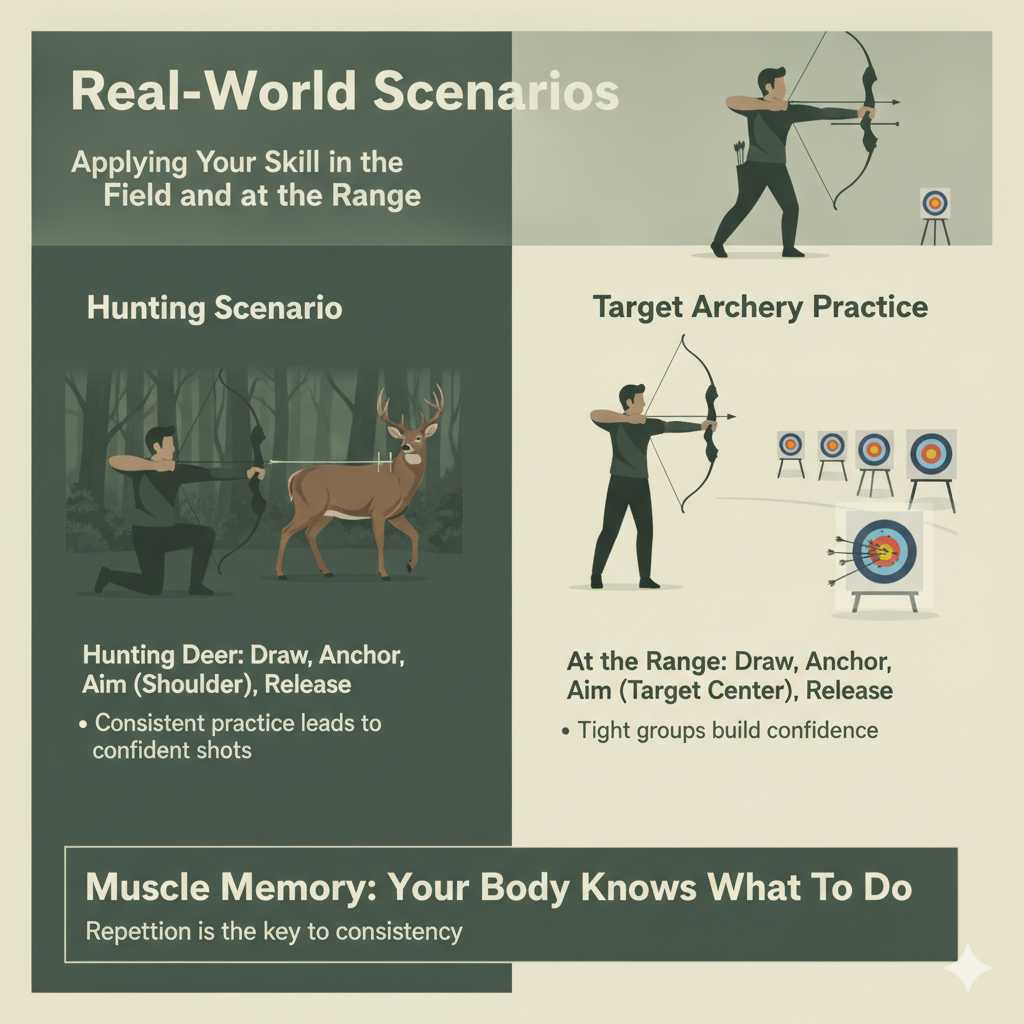
Real-World Scenarios
Let’s think about how this applies in the field. Imagine you’re hunting deer in a forest. You’ve spotted a buck.
You need to take a shot. You draw your bow smoothly. Your hand finds its anchor on your jaw.
You see the front sight pin right on the buck’s shoulder.
Your breathing is steady. You feel the back tension building. You trust your form.
Then, the arrow is gone. You watch it fly true. This is the result of consistent practice.
The lack of a peep sight didn’t stop you from making a good shot.
Or consider target archery practice. You’re at the range. You’re shooting at a distant target.
You go through your steps: draw, anchor, aim, release. Your arrows are grouping tightly. You know that if you need to adjust for distance, you can move your sight.
This builds confidence.
The key is that the process feels automatic. You don’t have to think hard about aiming. Your body knows what to do.
This is the power of muscle memory. It’s built through repetition. The environment might change, but your shot process should stay the same.
When to Re-evaluate Your Setup
1. New Arrows: Different arrows can fly differently. Test them with your current setup.
2. New String/Cables: These change your bow’s performance. They might affect your sight tape or required adjustments.
3. Major Form Changes: If you’ve consciously changed your draw or anchor, re-check your aim.
4. Cold Weather: Extremely cold weather can affect your muscles and release.
5. Long Break from Shooting: If you haven’t shot in a while, go back to basics and re-tune.
Frequently Asked Questions
Is it harder to shoot a bow without a peep sight?
It can be, especially at first. A peep sight provides a fixed reference point. Without it, you rely more on your own eye and muscle memory.
However, many archers find it just as accurate with consistent practice.
What kind of sight should I use for peep-less shooting?
A good quality archery sight with adjustable pins is best. Many archers prefer a single, bright pin for this style. A sight that extends further from the bow can also help you see the pin more clearly.
How far can you accurately shoot without a peep sight?
With practice, you can achieve accuracy at significant distances. Many experienced archers can shoot 3D targets or hunt effectively at 40-60 yards or more. The key is consistency in your anchor and aim.
Will my arrows fly straighter without a peep sight?
A peep sight can slightly affect arrow flight if not installed perfectly. However, a well-tuned bow with good form and a clean release will shoot arrows straight, whether you use a peep or not. The primary factors are bow tune and shooter consistency.
Can I add a peep sight later if I decide I want one?
Yes, absolutely. You can always add a peep sight to your bow later. Many archers start without one to build fundamental skills and then add a peep for extra precision or convenience.
What is the most important thing to remember for peep-less aiming?
Consistency. Every single part of your shot process must be the same every time: your draw length, your anchor point, your sight picture, and your release. This is what allows you to be accurate without a peep.
Final Thoughts on Your Archery Journey
Learning to aim without a peep sight is a rewarding skill. It teaches you a lot about the fundamentals of archery. It can make you a more adaptable shooter.
You can achieve great accuracy with practice and patience.
Focus on a consistent anchor point. Develop a clear sight picture. Practice your form.
Use a good release aid. Most importantly, shoot often. Trust the process.
You’ll be hitting your mark before you know it.