How to Glass and Kill a Cruising Buck
Glass from a distance, then hang a stand only after the buck appears to repeat the same travel line or daylight pattern twice, or once if the setup is already legal and low-risk. Hang too early and you burn cover, educate the buck, and lose the window. This guide shows a simple observe-then-commit workflow for deciding when a cruising buck is worth a mobile setup.
What is an observation sit?


An observation sit is an unpressured glassing position used before any stand hang decision. It stays outside bedding cover, keeps access quiet, and uses wind and terrain to watch rut movement without forcing the issue. The goal is to confirm what the buck is doing before touching the core area.
That is different from a setup spot. A setup spot has to work for entry, exit, shot angle, and scent control at once. An observation sit only has to let you see enough to decide whether the buck is worth moving on.
What you’ll need
- Binoculars with enough magnification to read field edges and cover lines.
- A spotting scope, optional in open country where long glassing is useful.
- A wind check tool and a map or GPS app with entry and exit routes marked.
- A mobile stand or saddle system if the area proves worth committing to.
- Quiet footwear and pack storage that limits noise on the access trail.
- Notes or a phone log for wind, time, sighting location, and travel direction.
How do I glass a cruising buck before I ever hang a stand?
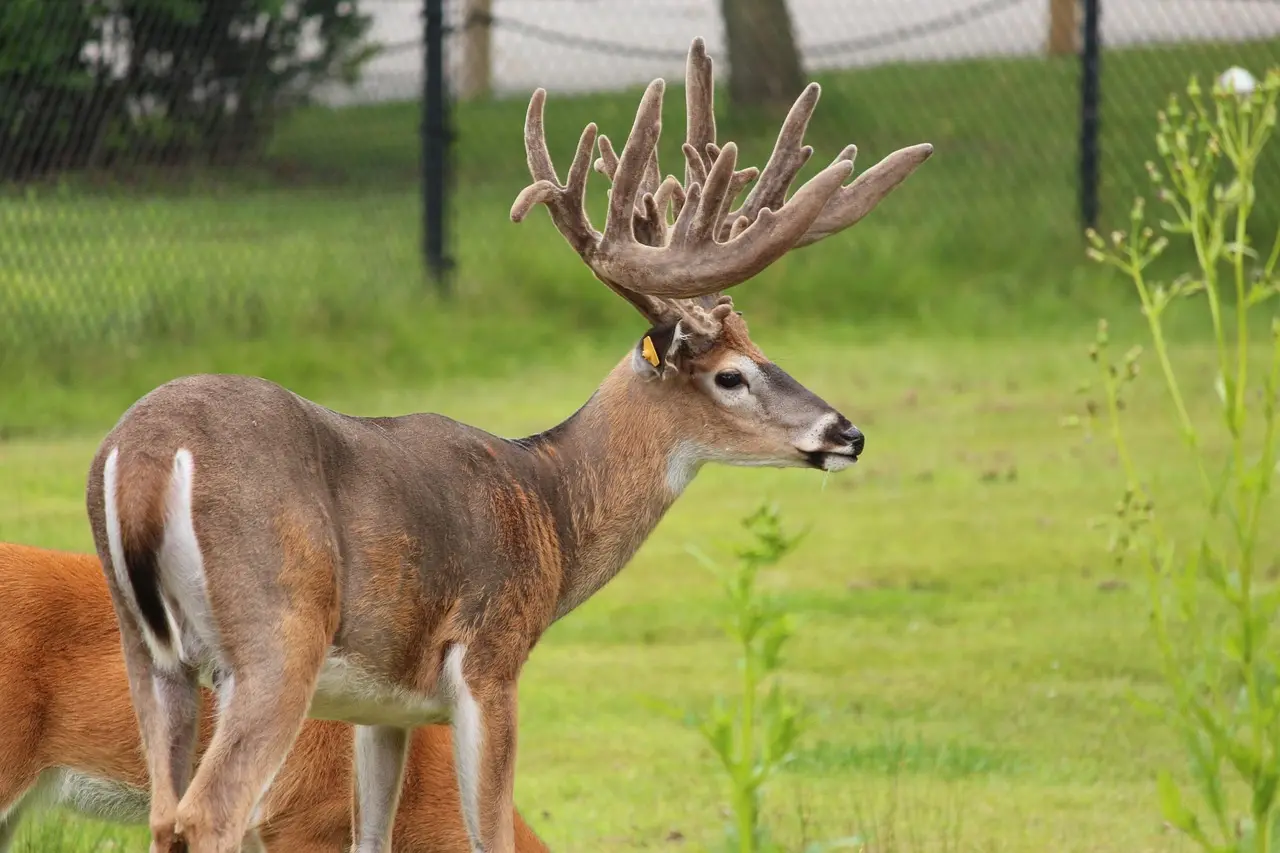
Start by glassing edges where a buck can cross from one cover block to another without exposing himself too long. Use binoculars first, then a spotting scope only if the country is open enough that antler shape, body posture, and movement line can be confirmed at distance. You are looking for repeatable movement, not a single flash of antlers.
- Pick a distant perch. Sit where your scent stays out of bedding and travel cover. The best observation sits are often on the far side of a field edge, ridge point, or open drain that lets you watch without crossing the buck’s core area.
- Glass travel lines, not just deer. Sweep the same edges, saddles, creek crossings, and narrow saddles between cover blocks every few minutes. A cruising buck often appears, disappears, then reappears farther along the same corridor.
- Confirm the behavior. A true cruiser usually moves with purpose, checks downwind edges, pauses at junctions, and changes line when pressure or wind shifts. Doe groups tend to drift, feed, and bunch together. A bed-to-feed mover usually shows a steady, direct route with less side-to-side checking.
- Mark the exact line. Note where he entered, where he exited, and whether the route repeats with the same wind. That line matters more than the sighting itself because it tells you whether a later stand hang has a shot lane and a safe approach.
Say your glassing point shows a mature buck crossing a creek bottom once in the morning and again later in the day along the same bench edge. That is stronger than one sighting because it gives a repeatable line. If the next sit shows the same route with the same wind, the setup starts to earn a hang.
What terrain features should I glass from during the rut?
Focus on spots that squeeze movement into tight lanes. Edges near bedding cover, saddles, creek crossings, field corners, and pinch points are the first places to check because cruising bucks often cover terrain edge to edge in search of does. Transition cover near bedding areas matters too, but only from a distance.
The best glassing locations are the ones that let you watch without entering the deer’s daily use area. Good spots are often outside bedding cover, on opposite slopes, or across open ground that keeps pressure low. A spot that is easy to see from may still be a poor place to hunt from if access exposes you.
Where should you glass during the rut?
Rut funnels, field corners, creek crossings, saddles, and pinch points give the best odds of catching a buck in daylight. These are the places where movement compresses. Watch transition cover near bedding areas from a distance, because mature bucks often use the first thin cover away from bed to check scent and slip between openings.
What wind direction works best for observation sits and setup moves?
The best wind is the one that keeps scent out of likely bedding cover and the travel corridor you are watching. For an observation sit, the wind must stay favorable for the whole sit, including where you park, walk in, and leave. For a stand hang, the exit route matters as much as the shot side.
If the wind forces your scent into bedding cover, the sit is no longer huntable. If the wind works for glassing but turns your access or exit into a scent spill, do not move in. A good sighting does not override a bad wind. It only tells you where the buck might be tomorrow if you do not pressure him today.
How does wind decide the move?
Wind direction controls whether the observation sit is useful at all. It also decides whether a stand hang is safe. A setup that smells clean on the way in but blows into a bedding pocket on the way out can still fail, because bucks often use exit pressure to rewrite their route the next day.
- Trace scent paths first. Draw your entry and exit on a map, then check whether the wind carries scent away from bedding and main travel routes. If it does not, skip the move.
- Check the full loop. A sit is only huntable if both the walk-in and the walk-out avoid the same deer travel lanes. Short access paths help, but only if they stay invisible and downwind.
- Recheck after the weather shifts. A front, a switch from steady breeze to swirl, or a thermal change can turn a clean setup dirty. If the wind turns, the stand plan should turn with it.
Suppose a buck is daylighting along a creek crossing, but the only way to reach the hang requires crossing the same bottom with a west wind pushing scent into the drainage. That is a no-move. The sighting is good. The access risk is better reason to wait.
How do I tell if a buck is cruising, daylighting, or bedded nearby?
A cruising buck usually moves with a loose, searching pattern and uses the edges of cover, terrain breaks, or downwind sides of routes. A daylighting buck is simply visible in legal light; he may be cruising, but he may also be heading to bed or feed. A bedded buck is not moving much, and the body posture will look compact, still, and low.
Use body posture, pace, and direction changes. A cruiser often stops, looks, and checks wind before continuing. A bed-to-feed mover tends to hold a straighter line and leave the area with less circling. Repeat sightings matter most. One glimpse can be noise. Two sightings on the same line are data.
How far away should I observe bucks without bumping them?
Far enough that your scent, sound, and silhouette do not reach the bedding cover or the route you want to hunt. There is no fixed number that works everywhere. Distance should be set by cover, wind, and visibility. If you need to move to see better, the glassing spot is too close.
The practical standard is simple: if deer react to your presence, you are too close. Good optics let you stay back and still confirm antler shape, direction of travel, and whether the buck is checking wind or feeding. Close-range pressure ruins the very pattern you are trying to prove.
Observation-to-setup decision checklist
This checklist turns a sighting into a stand-hang decision. Use it to separate a promising buck from a setup that is too risky to touch. The goal is not to move on every sighting. The goal is to move only when the route, wind, and access all line up.
| buck sighting | wind/access risk | stand-hang decision |
|---|---|---|
| Same buck, same route, same light window, seen twice | Clean entry and exit; scent stays off bedding and travel line | Same-day move. Hang that day if the route is still fresh and the stand can be placed without being seen or smelled. |
| Single sighting on a rut funnel with no follow-up yet | Wind is usable, but the access crosses open ground or a likely deer line | Next-day move. Hold off, verify the line again, then hang only if the next sit repeats the pattern. |
| Buck seen once, then vanishes after pressure or a weather change | Wind swirls, bedding cover is close, or exit route would alert deer | No move. Stay off it until the route becomes readable again. |
| Buck seen cruising but using a secondary escape route | Stand would force you to enter that escape route or expose your silhouette | No move. Wait for a safer line or a more predictable wind. |
If then rules: If the buck repeats the same daylight line twice, then consider a same-day hang only when entry, exit, and shot lanes are all clean. If the line is promising but unproven, then wait for one more sit and move the next day only if the route repeats. If access wind, visibility, or pressure risk is poor, then do not move.
When should I hang a stand after I locate a rutting buck?
Hang a stand after you have a repeatable route and a low-risk access plan. Same-day moves make sense only when the buck appears to be using the line, the wind stays favorable, and the stand can be hung without alerting deer. If any of those pieces fail, the move is too early.
- Confirm the repeat. Look for the same buck on the same corridor twice, or a strong route pattern under the same wind. One sighting can be luck. Two usually means movement.
- Check access and exit. Make sure the approach stays quiet and out of sight, and that the exit does not blow into bedding cover or the travel line. If the exit is risky, the whole plan is risky.
- Hang only what fits. Place the stand where the shot lane is safe and the deer cannot easily see or smell the setup. If the best tree still forces a poor approach, pass on the tree.
A common first-timer mistake is hanging as soon as a mature buck is spotted at dusk. That rush often ignores the next morning’s wind, the hidden bed pocket, or the second escape trail. The buck may still be in the area, but the stand is now burned before it is hunted.
Common mistakes
The biggest mistake is treating a good sighting as automatic permission to move in. A rut buck can be worth hunting and still not be worth hanging on that day. Wind, access, and exit routes are the filter.
- Moving on one sighting. Wait for repeatable movement unless the setup is already low-risk and legal.
- Ignoring secondary escape routes. Bucks often shift lines after pressure. Watch the side cover and backdoor exits, not just the main trail.
- Using a bad wind because the spot looks good. A clean sighting spot can still be a poor setup if scent leaks into bedding cover.
- Glass too close to bedding cover. That pressure can push the buck to a new route before a stand ever goes up.
- Hanging without a shot check. A stand is not ready until the lane is clear and the approach is quiet.
Pressure changes the picture fast. A buck that used one bench line yesterday may shift to a lower creek edge tomorrow if trucks, boot tracks, or other hunters push him. Weather shifts can do the same thing by changing thermal behavior and visibility. A good setup plan should leave room for that change.
Prevention: Keep a written log of wind, sighting time, route used, and how the buck reacted. Patterns are easier to trust when they repeat under the same conditions.
What do I do if the buck changes routes after I set up?
If the buck changes routes after setup, avoid forcing the original line. Treat the change as new information and shift back to observation before committing another stand hang. A route change often means pressure, weather, or a safer escape route has altered his daytime travel.
- Pull back to glassing. Reestablish the buck from a distance instead of pushing deeper. Watch where he goes under the new wind and note whether the change sticks for more than one sit.
- Map the new line. Mark the new entry, exit, and any cover that now shields him. If the route still crosses a rut funnel, the move may still be salvageable with a different access.
- Reset the decision. Hang again only if the new line is repeatable and the stand can be reached without exposing the route. If not, stay mobile and wait.