
Ready to take your archery skills beyond the target range? Shooting field archery offers an exciting challenge that tests your precision and focus in natural settings.
Whether you’re a beginner or looking to improve, this guide will help you master the techniques you need to hit your mark every time. Keep reading to discover simple tips and strategies that will boost your confidence and accuracy out in the field.
Your perfect shot is just ahead!
Essential Gear For Field Archery
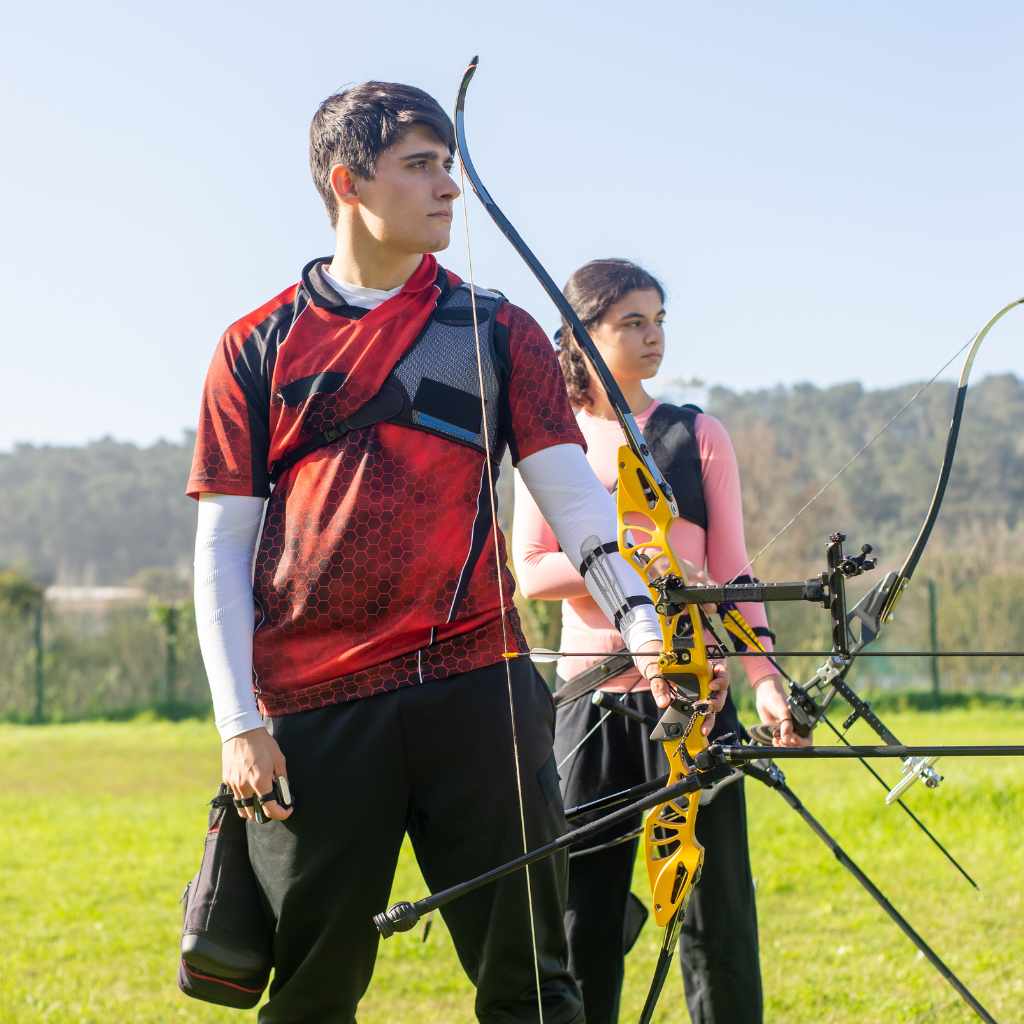
Field archery requires specific gear to shoot accurately and enjoy the experience. The right equipment helps you aim better and stay comfortable outdoors. This section covers the essential gear needed for field archery.
Choosing The Right Bow
Select a bow that fits your strength and skill level. Recurve bows are common for beginners and offer good control. Compound bows provide more power and accuracy but need practice. Try different bows to find one that feels right in your hands. Make sure the bow’s draw weight is comfortable for you.
Selecting Arrows And Tips
Arrows must match your bow’s draw length and strength. Choose arrows made of carbon or aluminum for durability and straight flight. Arrow tips vary based on targets; field points are standard for target shooting. Broadheads are sharp and used for hunting, not field archery. Check arrow spine stiffness to ensure proper flight.
Must-have Accessories
Accessories improve your shooting experience and safety. A finger tab or release aid protects your fingers during shots. Arm guards prevent the bowstring from hitting your arm. A quiver holds your arrows securely and keeps them handy. Carry a bow stringer to safely string and unstring your bow. Consider a rangefinder to measure shooting distance precisely.

Perfecting Your Stance And Posture
Perfecting your stance and posture is key to shooting well in field archery. A good stance helps you stay steady and shoot accurately. It also reduces fatigue and improves consistency. Small changes in your posture can make a big difference in your aim and power.
Focus on balance and comfort. Your body should feel natural but firm. Practice standing in different positions to find what works best for you. A solid foundation sets the stage for every shot you take.
Foot Placement Techniques
Start with your feet shoulder-width apart. This width offers strong balance. Point your toes slightly outward for more stability. Keep your weight evenly spread on both feet. Avoid leaning too far forward or backward.
Position your lead foot slightly ahead of the other. This stance helps control your body sway. Try to keep your heels flat on the ground. If your feet slip, your shot will suffer. Adjust your foot angle to match the shot angle.
Body Alignment Tips
Align your shoulders with your target. Keep them relaxed but straight. Your hips should face the same direction as your shoulders. Avoid twisting or leaning your torso.
Stand tall but not stiff. Keep your spine straight. A slight bend in your knees helps absorb movement. Your head should be level and eyes focused on the target. Good alignment supports a smooth draw and release.
Mastering The Draw And Anchor
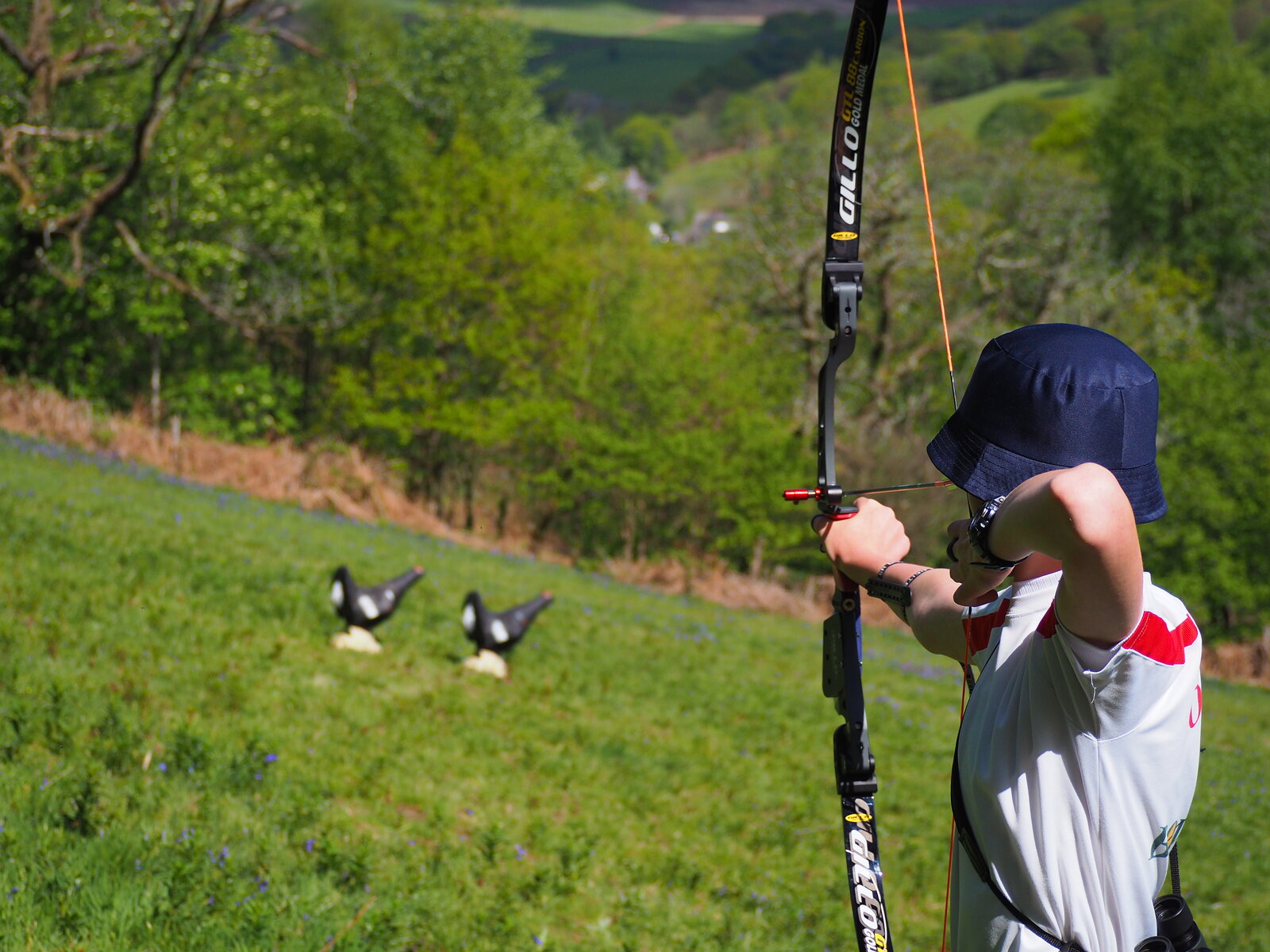
Drawing the bow and finding the right anchor point are key steps in field archery. These actions affect your aim and shot consistency. Practicing these steps builds muscle memory and focus. Proper technique reduces strain and improves accuracy. Let’s explore how to draw smoothly and keep your anchor consistent.
Smooth Drawing Methods
Start with a relaxed grip on the bow handle. Pull the string back slowly using your back muscles. Avoid jerky or fast movements. A smooth draw keeps the bow steady and reduces shaking. Breathe evenly as you draw. This helps calm your body and mind. Practice drawing to the full length of your draw smoothly. Stop at the same point each time before releasing.
Consistent Anchor Points
Anchor points are spots on your face where your hand or string touches during the draw. Use the same spot every time. Common points include the corner of your mouth or under your chin. A steady anchor point keeps your aim accurate. Check your anchor point before each shot. Small changes in anchor position cause big aim errors. Practice in front of a mirror to find a comfortable anchor point. Keep your head and body steady while holding the anchor.
Aiming Strategies For Accuracy
Aiming is key to shooting well in field archery. Accurate shots come from clear focus and good technique. Learning how to aim improves your chances of hitting the target. It also helps you adapt to different shooting conditions.
Using Sights Effectively
Sights help aim by showing where the arrow will go. Adjust your sight to match the distance and wind. Keep your eye steady on the sight pin or bead. Practice aligning your sight with the target every time you shoot. Small changes in sight position can make big differences.
Check your sight before each shot. Make sure it is clean and not loose. Use the correct sight setting for each target distance. Avoid rushing your aim; take time to line up the shot well.
Reading The Target And Environment
Study the target shape and colors before shooting. Notice any shadows or light that may affect your view. Trees, branches, or uneven ground can change how you aim. Adjust your position to get the clearest line to the target.
Feel the wind direction and strength. Wind can push your arrow off course. Aim slightly to the side to balance the wind’s effect. Learn to judge distance by eye to pick the right aim point. Practice in different weather to build skill.
Controlling Your Release And Follow-through
Controlling your release and follow-through is key in field archery. These two steps affect your arrow’s flight and accuracy. A smooth release sends the arrow straight. A steady follow-through keeps your aim true after the shot.
Focus on these skills to improve your shooting. They build consistency and confidence. Small changes make big differences in your score.
Release Techniques For Precision
Hold your bowstring firmly but not too tight. Tension should feel natural and steady. Avoid jerking or flinching during release. Let your fingers open smoothly to let the string go.
Practice a clean release with each shot. This keeps your arrow stable and on target. Use your back muscles to help pull the string. This adds power without losing control.
Maintaining Steady Follow-through
After releasing, keep your bow arm steady. Do not drop or move it quickly. Hold your position until the arrow hits the target. This helps your body stay aligned and balanced.
Focus on your breathing to stay calm. A steady follow-through reduces errors. It shows discipline and control in your shooting style.

Adapting To Field Conditions
Field archery challenges your skills beyond just aiming. You face nature’s changes. Trees, hills, wind, and weather all affect your shot. Adapting to these conditions improves accuracy and confidence. Learn to read the environment and adjust your technique.
Handling Different Terrain
Terrain changes your stance and balance. Uphill shots need more strength. Downhill shots need more control. Uneven ground can make aiming harder. Find stable footing before shooting. Bend your knees slightly for balance. Use your body to steady the bow. Adjust your aim based on the slope angle. Practice on different surfaces to build skill.
Adjusting For Wind And Weather
Wind pushes your arrow off course. Watch the leaves or grass for wind direction. Aim slightly upwind to counter the push. Stronger wind means bigger adjustments. Rain can make your bow slippery. Keep your hands dry and grip firm. Cold weather may stiffen your muscles. Warm up well before shooting. Sunlight can cause glare in your eyes. Use a visor or sunglasses to reduce glare.
Training Drills To Improve Accuracy
Improving accuracy in field archery takes practice and focused training. Simple drills help build better aim and consistency. Practicing regularly trains muscles and sharpens focus. Small improvements add up to better performance in the field.
Distance Shooting Exercises
Practice shooting at different distances to build control. Start close, then move farther away step by step. This helps your eyes learn to judge distance well. Focus on keeping your stance steady each shot. Change targets often to simulate real field conditions.
Focus And Breathing Practices
Calm breathing improves concentration and steadies your aim. Take deep breaths before and during each shot. Breathe out slowly as you release the arrow. Clear your mind and focus only on the target. Repeat this to build calm and steady shooting habits.
Common Mistakes To Avoid
Shooting field archery requires skill and focus. Many beginners make mistakes that hurt their accuracy. Avoiding these common errors helps improve your shooting and enjoyment.
Inconsistent Form
Consistent form is key to good shooting. Changing your stance, grip, or draw length can cause poor shots. Practice the same steps every time you shoot. Keep your body steady and your movements smooth. This helps your muscles remember the correct way to shoot.
Ignoring Environmental Factors
Field archery often happens outdoors. Wind, light, and terrain affect your arrow’s path. Not paying attention to these can lead to missed targets. Watch the wind direction and strength before shooting. Adjust your aim for sun glare or shadows. Stay aware of uneven ground to keep balance.
Frequently Asked Questions
What Equipment Do I Need For Field Archery?
You need a bow, arrows, a quiver, armguard, and finger tab or release aid. Choose equipment based on your skill and preferences for better accuracy.
How Do I Improve Accuracy In Field Archery?
Focus on consistent stance, proper anchor points, and smooth release. Practice regularly on varied terrain to adapt to changing shooting conditions.
What Are The Best Techniques For Shooting Uphill Or Downhill?
Aim slightly above the target when shooting uphill and slightly below when downhill. Adjust your sight and stance to maintain balance and accuracy.
How Do I Choose The Right Target Distance In Field Archery?
Select distances based on your skill level and course layout. Beginners should start closer and gradually increase distance to build confidence.
Conclusion
Field archery offers fun and challenge in nature’s calm setting. Practice your stance, aim, and breath to improve each time. Remember to stay patient and enjoy every shot you take. Keep learning from each experience and adjust your technique gently.
Shooting in varied terrain builds skill and confidence slowly. Stay safe and respect the environment always around you. This sport grows with your focus and steady effort. Keep your gear ready and enjoy the peaceful hunt. Field archery can bring joy and calm to your day.