Mathews Quiver vs Hoyt Quiver: Which Fits Better?
Mathews quivers fit and balance best on Mathews bows, while Hoyt quivers usually feel cleaner on Hoyt bows; if I cross brands, I check mount spacing, hood clearance, and front-end weight first. A bad match adds rattle, tips the bow forward, and makes a treestand hold feel worse than it should. I’ll compare fit, noise, balance, price, and the hunting setups where each quiver makes more sense.
Mathews quiver vs Hoyt quiver: what actually decides the winner
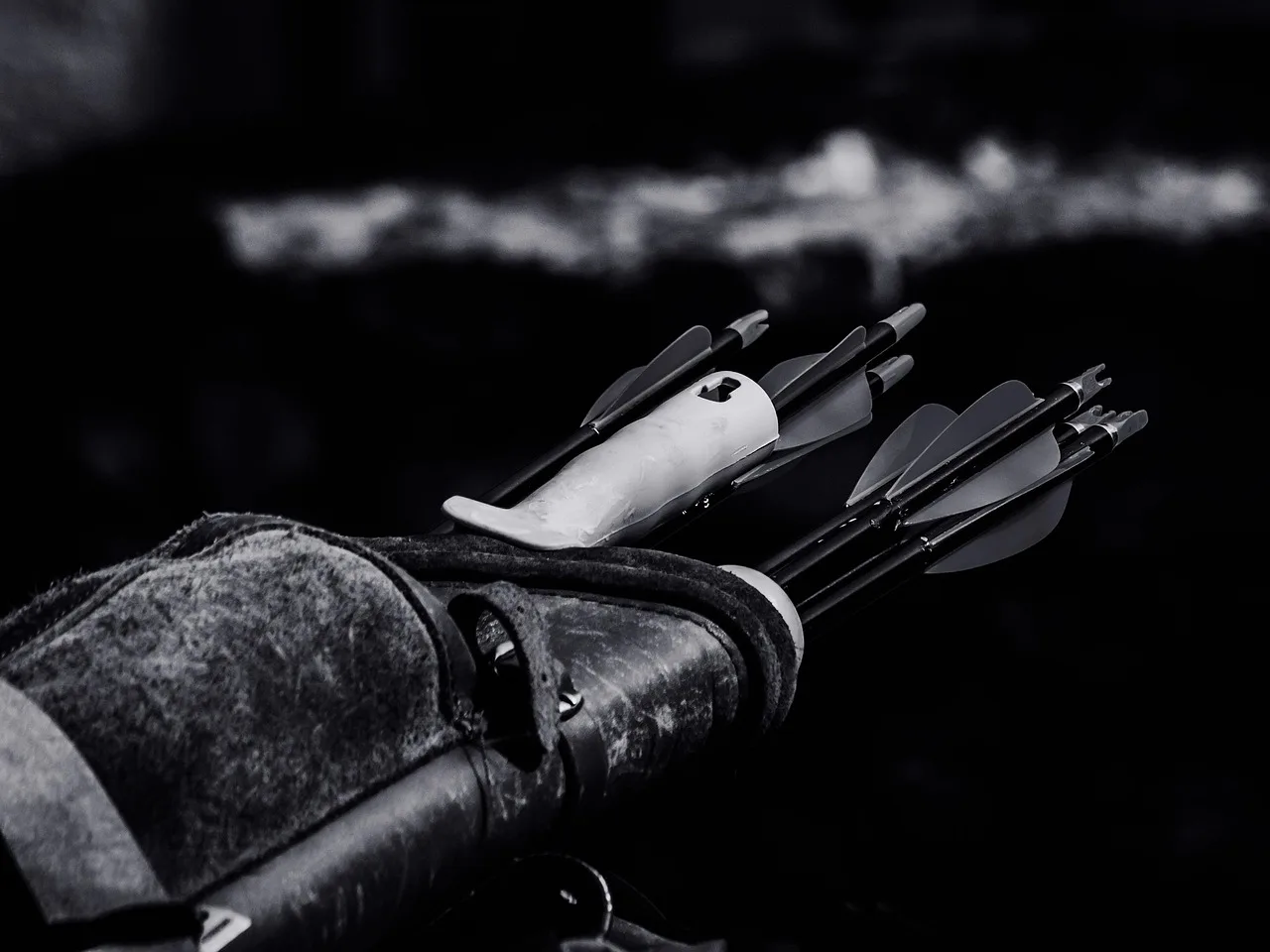
The real trade-off: mount fit, balance, and hunting style
I treat a quiver as part of the bow setup, not a logo badge. The big question is whether the mount sits rigidly, how much weight it adds to the front of the bow, and whether you need quick removal in the field.
That is where the Mathews Quiver vs Hoyt Quiver choice gets real. If the quiver and bow are built to work together, you get less fuss, less noise, and fewer clearance headaches with fixed-blade broadheads.
Where brand loyalty matters, and where it does not
Brand loyalty matters most when it lines up with fit on the bow in hand. Hoyt and Mathews are both decades-old bow brands, and both use binary cam systems today, but that does not mean every branded accessory behaves the same on every bow.
On my own rigs, I care more about how the quiver locks, how it changes bow balance, and whether it clears my rest and sight. I learned that lesson the hard way when my first compound was set 10 lb too heavy; I flinched for a month before I backed the limb bolts out.
| Decision factor | Mathews Quiver | Hoyt Quiver | Winner |
|---|---|---|---|
| Mount style and compatibility | Bow-mounted LowPro system tied to the Mathews accessory ecosystem | Bow-mounted hunting quiver category with Hoyt-branded fit and removal style | Tie, if matched to the right bow |
| Removal speed | LowPro Detachable Quiver favors quick off-bow use | Hoyt-branded quivers vary by setup, but detachable styles also favor fast removal | Detachable style, whichever brand you choose |
| Balance effect | LowPro Fixed Quiver keeps weight on the bow for steady carry | Depends on the mount and quiver design, but the front-end mass still matters | Tie, based on fixed vs detachable choice |
| Noise and rattle risk | Strong when the mount is rigid and the hood is tight; weak if the interface is loose | Same rule: good fit stays quiet, poor fit rattles | Tie |
| Broadhead clearance | LowPro shape aims to manage fixed-blade broadheads and arrow retention | Depends on hood depth, arrow spacing, and bow-side clearance | Tie, after test fit |
| Best hunting scenario | Strong for Mathews bows, especially when you want ecosystem consistency | Strong for Hoyt bows, especially when the shop fit confirms clean clearance | Tie |
Mount style and compatibility
Mathews builds the LowPro Quiver around its own accessory system, and Mathews lists both a LowPro Detachable Quiver and a LowPro Fixed Quiver. Hoyt quivers sit in Hoyt’s hunting quiver category and are intended as bow-mounted accessories with Hoyt-style fit and removal behavior.
The practical point is simple: brand-matched fit is common, but it is not automatic across bows. Mount spacing, bracket shape, and how the quiver nests against the riser matter more than the name on the hood.
Removal speed and field convenience
Detachable quivers win when you want the arrow pack off the bow in seconds. That matters in a treestand, because a quieter bow hand and less protruding gear can make the setup easier to manage on a tether, hook, or hanger.
Fixed quivers win when you want to leave the quiver on all day. I prefer that for stalking and long walks because I am not taking gear on and off, and I am not creating extra noise every time I reattach it.
Balance effect and quiver weight
Quiver weight changes the feel of the bow more than most hunters admit. Any front-of-bow mass affects stability at full draw, how tired the bow feels after a long carry, and how steady the pin picture looks when you settle in.
A fixed quiver adds that weight all the time. A detachable quiver gives you the option to remove it before the shot window, which can help if your bow already feels nose-heavy.
Rattle risk and noise control
Rattle usually comes from play in the mount, an arrow that does not seat well, or a hood that lets the shaft shift. A rigid mount with good tension is quieter than a loose brand match that “looks right” but moves under load.
Mathews leans hard into noise reduction with the LowPro line, and that makes sense on a hunting bow. Hoyt quivers can be quiet too, but the same field rule applies: the mount must lock cleanly, or noise shows up when you climb, draw, or brush against cover.
Broadhead clearance and arrow retention
Fixed-blade broadheads expose fit problems fast. If the hood depth is wrong, if the blades sit too close to the riser, or if the arrow retention is weak, you can end up with contact where you do not want it.
That is why I always check hood depth and blade clearance with the exact heads I hunt. A quiver can look fine in the shop and still bump a blade when the bow is torqued at full draw.
According to Mathews Archery — Mathews sells a LowPro Detachable Quiver at $249.99.
Which quiver is quieter on the bow?
The quieter quiver is the one that mounts tighter, holds arrows without movement, and stays stable when you walk, climb, or draw. In practice, a fixed quiver often stays quieter in the field because it is not coming off and going back on, but a well-fit detachable quiver can be just as calm when it locks up solidly.
What creates noise: hood contact, mount play, and arrow movement
Noise usually starts with contact points. A hood that bumps the riser, a bracket with tiny movement, or arrows that tap inside the hood will turn into a sound you hear on a cold morning.
I notice that most when I have broadheads installed. Fixed blades do not forgive sloppy retention.
Why detachable quivers can add noise during removal
Detachable quivers are handy, but the act of taking them off can make noise. That is not a deal-breaker for a stand hunt, but it matters if you are trying to move softly through brush or take one off inside a blind without clanking hardware.
When a fixed quiver stays quieter in the field
Fixed quivers usually stay quieter on all-day carries and spot-and-stalk hunts because nothing changes once the bow is set. If the mount is rigid and the arrows are secure, that constant setup can be the calmest option over a long day.
Does a Mathews quiver fit a Hoyt bow?
Sometimes yes, but not by assumption. A quiver from one bow setup may fit another only if the mounting points, bracket shape, and clearance line up well; otherwise you may get noise, poor alignment, or interference with other accessories.
Why matching brand does not always mean universal fit
Cross-brand fit sounds simple until you look at the hardware. Mathews lists the LowPro in its own accessory ecosystem, while Hoyt quivers are built around Hoyt-branded bow-mounted fit and removal style, so the interfaces are not something I would guess on.
What to check on the mount before buying
- Check bracket spacing against your bow’s quiver bosses or attachment points.
- Confirm the hood clears the riser, cables, rest, and sight at full draw.
- Test arrow retention with your actual fixed-blade broadheads.
- Shake the bow and listen for play before you buy.
When a pro-shop test fit avoids an expensive mistake
I always want the bow in hand before I call a quiver “compatible.” A pro-shop test fit is the easiest way to catch a mount issue, because a few minutes on the counter can save you from buying the wrong bracket, hood, or replacement part later.
What is the difference between fixed and detachable quivers?
A fixed quiver stays on the bow, while a detachable quiver can be removed when you want a slimmer setup or a little less weight. Fixed models help with stable carry and simple setup; detachable models help when you want fast removal for the shot or for transport.
Fixed quiver advantages for stalking and all-day carry
For spot-and-stalk, I like a fixed quiver when the bow feels balanced with the extra front weight. It keeps the arrows protected, avoids repeated mounting noise, and means I am not handling another part every time I stop and move.
Detachable quiver advantages for treestands and blind setups
Detachable quivers make sense when space is tight or when you want the bow as slim as possible at the shot. In a treestand or ground blind, pulling the quiver off before the animal enters range can make drawing and maneuvering easier.
How arrow count and broadhead type affect the choice
If you carry multiple arrows and fixed-blade broadheads, the hood and retention matter more. The more arrows you stack on the front end, the more you feel the weight, so your preference for fixed or detachable changes with your hunting style and how long you expect to carry the bow.
How much does a Mathews quiver cost?
Mathews lists the LowPro Detachable Quiver at $249.99 and the LowPro Fixed Quiver at $249.99. That is the starting number, not the full setup cost, because fit, shipping, and any accessory changes can push the total higher.
Mathews LowPro quiver and the accessory ecosystem
Mathews has a dedicated Quivers category under accessories, and that matters because the line is built to sit inside the Mathews system rather than as a generic add-on. Mathews also offers free shipping over $99 in the Lower 48, which can soften the final cost if you are ordering with other gear.
Total setup cost: mount, hood, shipping, and extras
If you compare only sticker price, you miss the real bill. Add the quiver, any mount or hardware changes, possible shipping, and the cost of a replacement hood or retention part if your first fit is off.
How much does a Hoyt quiver cost?
Hoyt-branded quivers are priced by the specific hunting quiver model and the shop that sells it, so I would compare the full setup rather than the name alone. The better question is whether the Hoyt mount, hood, and fit save you money by working the first time.
How Hoyt-branded quiver pricing usually compares
Hoyt quivers often compete on fit and compatibility more than on a single headline price. Lancaster Archery groups quivers under Quivers, Belts & Carriers and also has a Hunting Quivers category, which is how most buyers end up sorting choices anyway.
Price should follow function, not brand pride
Outdoor Life says Hoyt and Mathews are both decades-old brands, and The Shooting Gears notes that the right choice depends on fit, draw cycle, goals, and budget. That matches what I see in the shop: a quiver is worth the extra money only if the mount and balance are right for your bow.
Which quiver is better for treestand hunting?
For treestand hunting, I usually give the edge to a detachable quiver if you want fast removal and less bulk at the shot. If you prefer to leave the bow fully dressed and calm while you climb, a fixed quiver can be the better call as long as the balance still feels right.
Treestand use and broadhead protection
In a stand, broadhead protection matters because the bow often rests in tight places. A quiver that keeps the heads covered, does not snag the stand, and comes off quietly when needed is the one I trust more than the one with the louder brand name.
Ground blind use and space management
Ground blinds can favor detachable quivers too, because long bows and wide hoods eat up space. If you hunt from a blind with your bow leaned in close, a narrower profile helps you keep the limbs, sight, and quiver from fighting each other.
Spot-and-stalk use and carry fatigue
Spot-and-stalk usually points me toward a fixed quiver if the bow still feels balanced. Carry fatigue matters on long walks, and a quiver that stays secure without extra mounting noise is often the calmer choice.
Are branded quivers worth paying extra for?
Yes, when the brand-specific fit is real and the bow stays quieter and cleaner on the shot. No, when you are paying for branding alone and still need to solve rattle, clearance, or balance problems after the fact.
When the extra cost makes sense
Branded quivers make sense when they match the bow’s mounting system, sit tighter, and protect your broadheads better than a generic option. That is especially true if you already run a Mathews or Hoyt setup and want the accessory to behave like part of the bow.
When a cheaper option is the smarter buy
If the cheaper quiver fits better on your actual bow, it wins. I would rather save money and get a cleaner mount than pay more for a quiver that adds rattle or interferes with the rest.
Choose Mathews if… / Choose Hoyt if…
Choose Mathews if your bow already lives in the Mathews accessory system, you want the LowPro Detachable Quiver or LowPro Fixed Quiver at the $249.99 price point, or you care most about a setup tuned for noise reduction and bow-mounted consistency. Choose Hoyt if your Hoyt bow test-fits better, the mount sits cleaner, or the balance feels better with the Hoyt-branded hunting quiver you can actually hunt with.
- Choose Mathews if you want a LowPro fit on a Mathews bow.
- Choose Mathews if you prefer fixed or detachable options inside one accessory system.
- Choose Hoyt if your Hoyt bow gives you better hood clearance and less rattle.
- Choose Hoyt if your shop fit test shows cleaner balance with the Hoyt mount.
Quick decision checklist before you buy
- Mount the quiver on the exact bow you hunt.
- Check for riser, rest, and sight clearance at full draw.
- Shake the bow and listen for movement.
- Test with your real broadheads, not field points.
- Decide whether you need fast removal or all-day carry.
Frequently asked questions
Which is better, a Mathews quiver or a Hoyt quiver?
The better quiver is the one that fits your bow cleanly, stays quiet, and matches how you hunt. I would choose Mathews for a Mathews setup and Hoyt for a Hoyt setup unless a pro-shop test shows a clear edge for the other brand on balance, clearance, or noise.
Does a Mathews quiver fit a Hoyt bow?
Sometimes it can, but I would never assume cross-brand fit. Check the mount spacing, hood clearance, and arrow retention with your actual bow before you buy, because a sloppy fit can create rattle or interference with the rest and sight.
What is the difference between fixed and detachable quivers?
A fixed quiver stays on the bow all the time, so it is better for stable carry and fewer handling steps. A detachable quiver comes off quickly, which is useful for treestands and blinds when you want less bulk at the shot or while climbing.
How much does a Mathews quiver cost?
Mathews lists the LowPro Detachable Quiver at $249.99 and the LowPro Fixed Quiver at $249.99. I would still budget for shipping, any extra hardware, and a fit check, because the cheapest-looking purchase can turn costly if the mount is wrong.
How much does a Hoyt quiver cost?
Hoyt-branded quiver pricing depends on the specific model and shop. I would compare total setup cost, not just the sticker price, because a quiver that fits right the first time is usually cheaper than one that needs extra parts or replacement hardware.
Which quiver is quieter on the bow?
The quieter quiver is the one with the tighter mount and the least arrow movement. A fixed quiver often stays quieter in the field, but a detachable quiver can be very quiet too if it locks down solidly and does not rattle when you move.