Are Coast Guard Ships Armed For Combat?
The U.S. Coast Guard’s primary mission is maritime safety and security, not combat. While its ships are equipped with defensive armament, they are not classified or designed as combat warships. Their weapons are mainly for law enforcement, self-defense, and non-lethal interdiction.
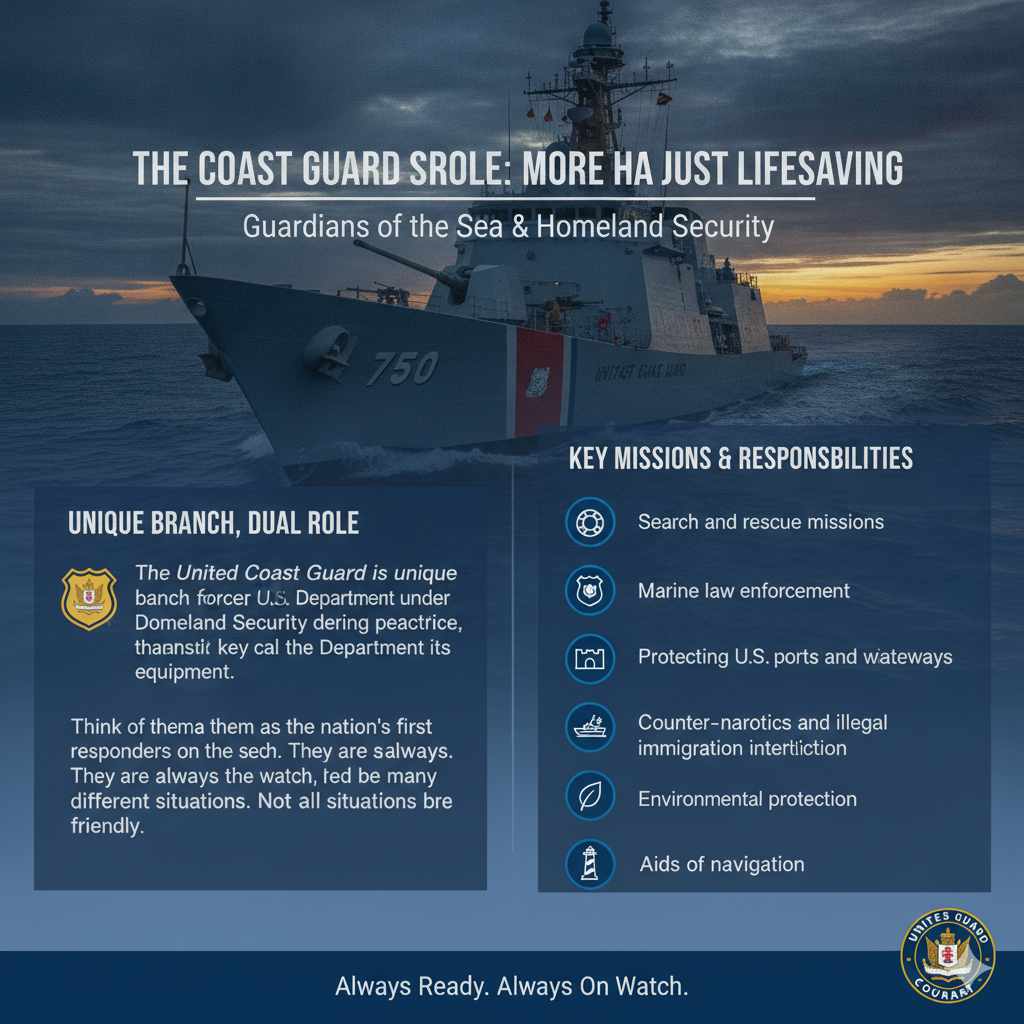
The Coast Guard’s Role: More Than Just Lifesaving
The United States Coast Guard is a unique branch of the U.S. armed forces. It operates under the Department of Homeland Security during peacetime. In times of war, it can be transferred to the Department of the Navy. This dual role is key to understanding its equipment.
Its main jobs include:
- Search and rescue missions
- Marine law enforcement
- Protecting U.S. ports and waterways
- Counter-narcotics and illegal immigration interdiction
- Environmental protection
- Aids to navigation
Think of them as the nation’s first responders on the sea. They are always on watch. This requires them to be ready for many different situations. Not all situations are friendly.
Understanding Coast Guard Armament
So, do Coast Guard ships have guns? Yes, they do. But what kind of guns and why? It’s important to know their purpose.
Small Caliber Machine Guns (SCMGs)
Many Coast Guard vessels carry .50 caliber machine guns. These are often seen mounted on various parts of the ship. They are very effective for warning shots and disabling targets.
Automatic Cannons
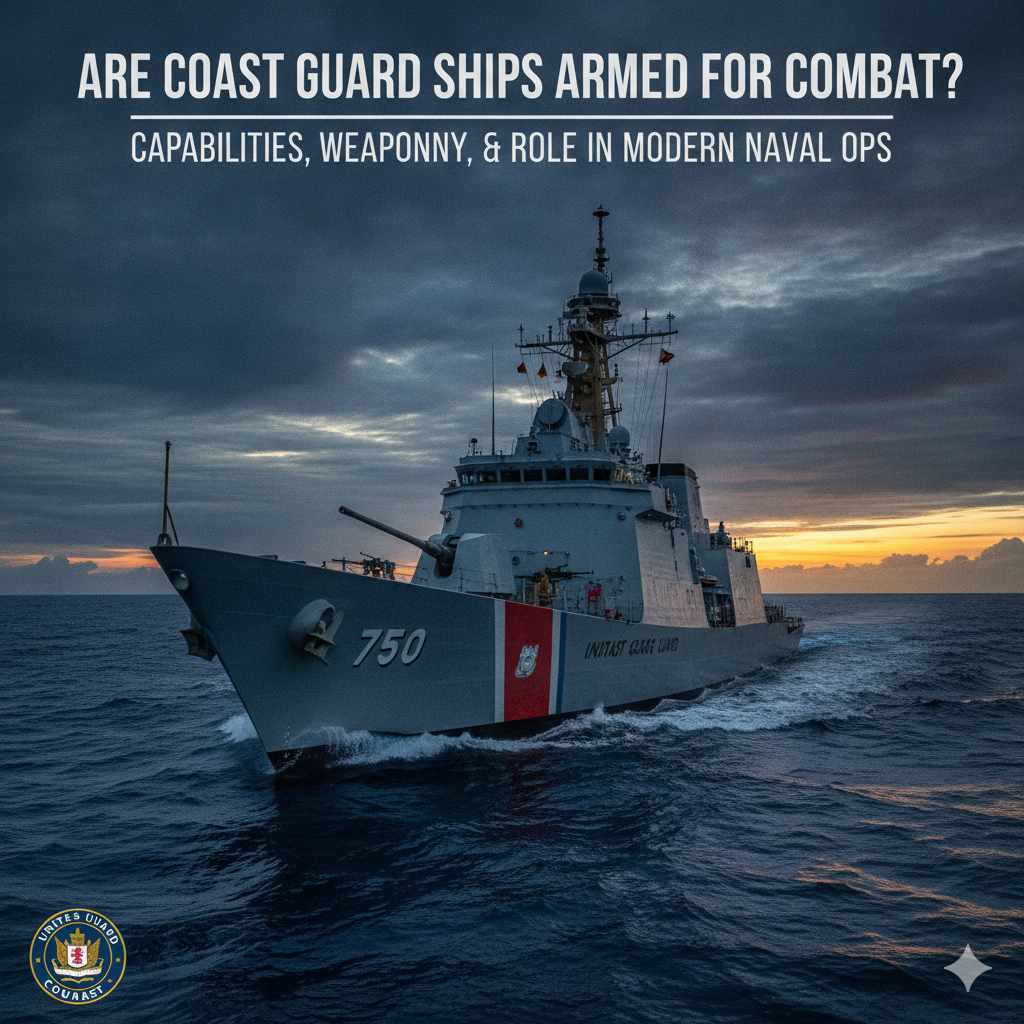
Some larger cutters, like the Legend-class National Security Cutters, are equipped with more significant weaponry. This can include 25mm chain guns. These are more powerful than machine guns. They are used for more serious interdictions.
Non-Lethal Systems
The Coast Guard also uses less-than-lethal options. These might include devices that emit bright lights or loud sounds. They can also use water cannons. These are used to deter vessels without causing severe harm.
The “Why” Behind the Guns
The armament on Coast Guard ships is designed for specific tasks. It’s not for engaging enemy fleets. It’s for enforcing laws at sea.
Imagine a suspect vessel fleeing from law enforcement. The Coast Guard might need to use warning shots. They might need to disable the suspect’s engines. They might need to deter an attack on their own crew. The guns provide these capabilities.
Distinguishing Coast Guard from Navy Ships
This is where the confusion often starts. Navy warships are built for direct combat. They carry heavy artillery, missile systems, and advanced defensive suites. Their mission is to engage and destroy enemy forces.
Coast Guard ships, on the other hand, are built for law enforcement and security. Their armament reflects this. They are meant to stop, board, and investigate vessels. They need to protect themselves if faced with aggression.
Consider the difference in their typical operating environments. Navy ships might operate in hostile waters. They face potential attacks from other navies. Coast Guard cutters often operate closer to home. They deal with smugglers, pirates, and illegal fishing operations.
Real-World Scenarios: When Armament is Used
Let’s look at some real situations where Coast Guard armament plays a role.
Interdicting Drug Smugglers
Drug trafficking organizations often use fast boats. These boats might try to outrun the Coast Guard. They may also be armed themselves and fire on the Coast Guard. In these cases, the Coast Guard uses its weapons defensively. They might fire warning shots. They might disable the engines of the fleeing vessel. This is law enforcement, not warfare.
Smuggler Interdiction: A Quick Look
The Situation: A small, fast boat is spotted heading towards U.S. waters. It’s known to be involved in drug smuggling.
The Coast Guard Response: A cutter and helicopter are dispatched. They try to stop the boat. The suspect boat tries to flee at high speed.
Use of Armament: If the suspect boat ignores commands to stop, or if they pose a threat, the Coast Guard may use its machine guns. A shot might be aimed at the boat’s engines. This stops the pursuit safely.
Piracy and Maritime Security
In certain parts of the world, piracy is a serious threat. Coast Guard vessels might be involved in international patrols to combat piracy. Here, their armament is crucial for self-defense. They might need to repel pirate attacks. This is still often about protecting themselves and other vessels, not engaging in offensive combat operations.
Boarding Operations
When the Coast Guard boards a vessel, they don’t know what they’ll find. The crew might be hostile. They might be involved in illegal activities. The armed crew members provide security during these boarding operations. This ensures the safety of the boarding team.
The Psychological Impact of Armament
Even if not intended for direct combat, the presence of guns has an effect. It signals authority and capability. A vessel with machine guns is taken more seriously. This can deter illegal activities. It can make potential adversaries think twice.
Debunking Myths: Are They Warships?
It’s a common misconception. People see a vessel with guns and immediately think “warship.” While the Coast Guard is an armed service, its vessels are not warships in the traditional sense.
Myth: Coast Guard ships are warships.
Reality: Coast Guard ships are law enforcement and security vessels. They are armed for self-defense and interdiction, not fleet-on-fleet combat.
Myth: They carry heavy artillery like naval destroyers.
Reality: Their armament is typically smaller caliber and suited for law enforcement tasks.
The Evolution of Coast Guard Armament
Over the years, the types of weapons the Coast Guard uses have evolved. As threats at sea have changed, so have the tools to counter them.
In the past, smaller craft might have had only handguns for crew. Larger cutters might have had basic machine guns. Now, with increased threats from fast boats and potential aggression, their armament has become more sophisticated. This includes better defensive capabilities.
Experience from the Deck: What It Feels Like
I remember being on a cutter once, not too far from the coast. We were on a routine patrol. Suddenly, we got a report of a suspicious vessel. It was moving fast and wasn’t responding to hails. The atmosphere on board changed instantly.
The crew members who were assigned to man the machine guns moved to their stations. They didn’t look scared, but focused. There was a quiet tension. You could feel the professionalism. They were ready, but they hoped they wouldn’t need to use their weapons. The captains were calm, directing the approach. This wasn’t a firefight scenario, but a tense moment of law enforcement. The ability to defend ourselves and stop the vessel was paramount. Thankfully, the other boat eventually stopped. But the readiness was real.
Technology and Coast Guard Ships
Modern Coast Guard vessels are equipped with advanced technology. This includes radar, sonar, and communication systems. These systems help them detect and track vessels. They also help them identify potential threats. The armament is integrated with these systems. This allows for precise targeting if needed.
The Legal Framework: When Force is Authorized
The use of force by the Coast Guard is governed by strict rules. These rules are in place to ensure that force is only used when necessary. They are also there to ensure that it is used proportionally.
The U.S. Coast Guard operates under U.S. law. This includes laws about the use of force. They also adhere to international maritime laws. This is especially true when operating in international waters. The goal is always to resolve situations peacefully.
Training and Readiness
Coast Guard personnel undergo rigorous training. This includes weapons training. They practice using their weapons in various scenarios. This ensures they are proficient and can react appropriately. They learn to assess threats and use the right level of force.
This training covers both lethal and less-than-lethal options. It emphasizes de-escalation whenever possible. But it also prepares them for situations where force may be unavoidable.
International Coast Guards: Similarities and Differences
While we’re focusing on the U.S. Coast Guard, other countries have similar maritime forces. Their armament and missions can vary. Some countries integrate their coast guard more closely with their navy. This can mean more combat-oriented vessels.
However, the core mission of most coast guards remains consistent: maritime safety, security, and law enforcement. This usually means their armament is focused on these tasks.
Future of Coast Guard Armament
As technology advances, so will the capabilities of Coast Guard vessels. We might see more sophisticated non-lethal weapons. We might also see improvements in defensive systems. The focus will likely remain on effective law enforcement and self-defense. It’s unlikely they will become offensive combat platforms like navy ships.
What This Means for You
If you’re out on the water, seeing a Coast Guard vessel means help is nearby. It also means someone is enforcing the rules. Their armament is there to ensure your safety and the security of our waters. They are equipped to handle threats, but their primary role is protection and aid.
When is Armament Used?
Armament on Coast Guard ships is used in specific situations:
- Self-defense: If the vessel or crew is attacked.
- Law Enforcement: To stop fleeing vessels or disable them.
- Deterrence: To prevent illegal activities through a show of force.
- Warning Shots: To signal a vessel to stop or change course.
It is never used lightly. Every action is carefully considered.
Are There Different Weapons for Different Ships?
Yes, absolutely. Smaller patrol boats might have just one or two machine guns. Larger National Security Cutters have more substantial armament. This includes the 25mm cannons and multiple machine guns. The size and mission of the vessel determine its weapons.
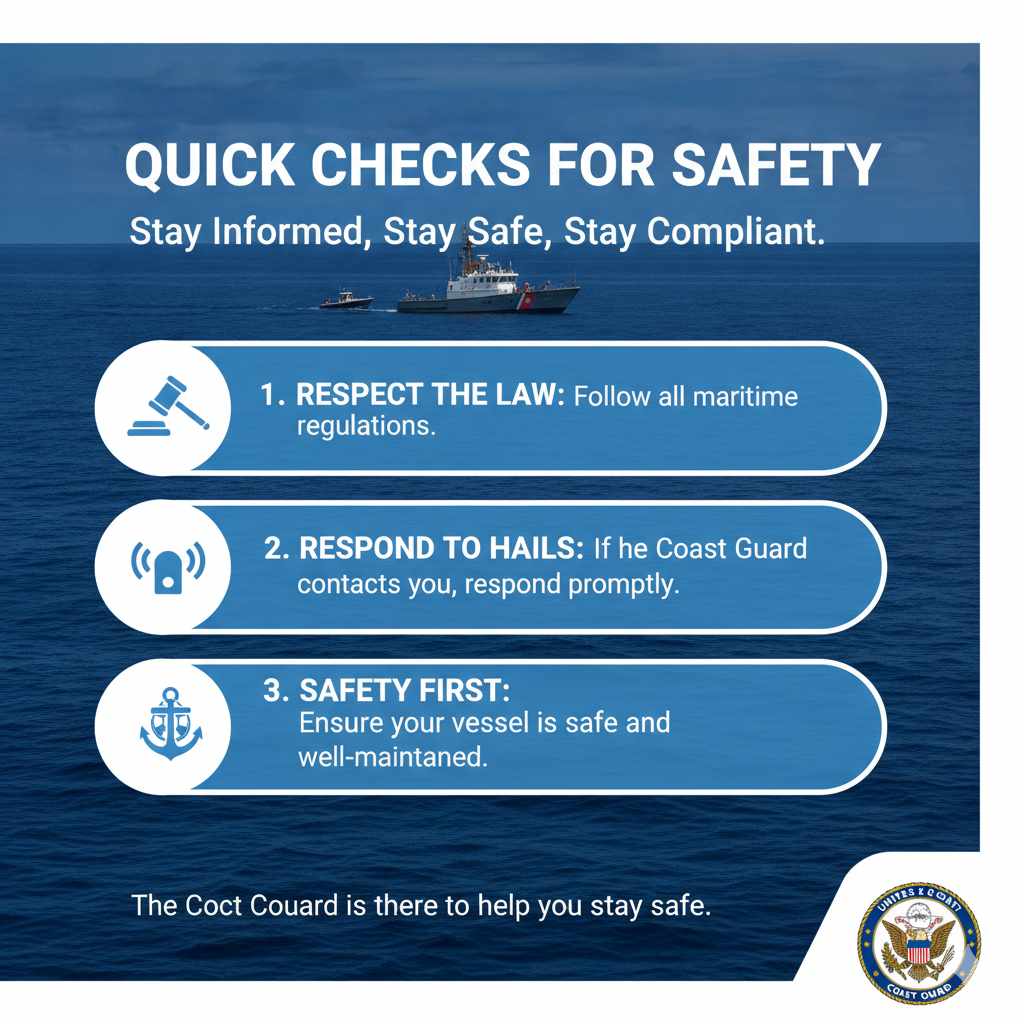
Quick Checks for Safety
If you are a boater, understanding Coast Guard capabilities is important.
- Respect the law: Follow all maritime regulations.
- Respond to hails: If the Coast Guard tries to contact you, respond promptly.
- Safety first: Ensure your vessel is safe and well-maintained.
The Coast Guard is there to help you stay safe.
Coast Guard Ship Roles: A Quick Scan
| Vessel Type | Primary Armament | Main Role |
|---|---|---|
| Patrol Boat | .50 Caliber Machine Guns | Law Enforcement, Coastal Patrol |
| Medium Endurance Cutter | .50 Caliber Machine Guns | Interdiction, Search & Rescue |
| National Security Cutter | 25mm Cannon, .50 Caliber Machine Guns | Maritime Security, Homeland Defense Support |
Frequent Questions
Are Coast Guard ships considered military vessels?
Yes, the U.S. Coast Guard is one of the five branches of the U.S. armed forces.
It operates under the Department of Homeland Security in peacetime and can be transferred to the Department of the Navy during wartime. This makes them a military service, but their primary operational role is law enforcement.
Can a Coast Guard ship fire on a civilian boat?
The Coast Guard can use force, including firing warning shots or disabling fire, on civilian vessels when necessary for law enforcement. This is governed by strict rules and is typically done if a vessel refuses to stop, poses a threat, or is engaged in illegal activity like smuggling. Their goal is always to use the minimum force required.
What is the difference between a Coast Guard cutter and a Navy warship?
The main difference is their mission and design. Navy warships are built for offensive and defensive combat against other navies. Coast Guard cutters are designed for maritime law enforcement, search and rescue, and homeland security missions.
While both are armed, the type and scale of armament differ significantly, with Navy ships carrying much heavier weaponry.
Do Coast Guard personnel carry firearms?
Yes, Coast Guard personnel, especially those involved in boarding operations or security details, are armed. They carry handguns and other personal firearms for their protection and to carry out their law enforcement duties. This is part of their overall readiness to enforce U.S.
laws at sea.
Are Coast Guard ships ever involved in actual combat operations?
During wartime, the Coast Guard can be integrated into naval operations. In these situations, their vessels might be used in support of combat missions. However, their primary armament is still generally not designed for direct, sustained combat against heavily armed enemy warships.
What are the main threats the Coast Guard’s armament is designed to counter?
The armament is designed to counter threats like fast-moving drug smuggling vessels, pirate attacks, illegal fishing operations, and potentially hostile maritime law violators. It’s geared towards interdiction, self-defense, and enforcing maritime laws, rather than engaging in large-scale naval warfare.
Conclusion
The armament on Coast Guard ships is a crucial part of their ability to perform their vital duties. They are not warships built for battle, but highly capable law enforcement vessels. Their guns and other weapons are tools for safety, security, and enforcing the law. Understanding this distinction helps appreciate the unique and essential role the U.S. Coast Guard plays.