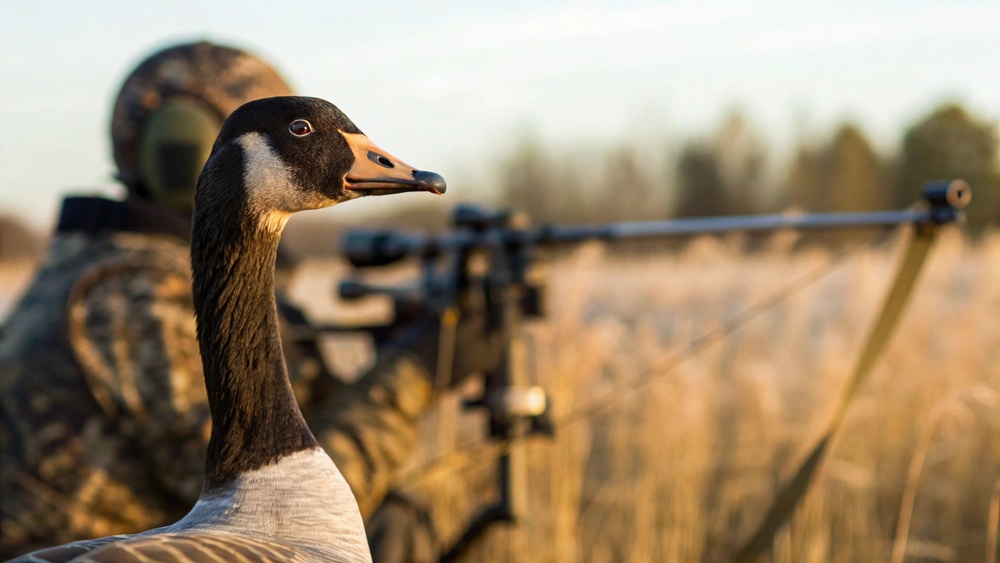
Is Duck Hunting With a Bow Legal? Laws Every Hunter Should Know
Hunting is a tradition that stretches back thousands of years. For many, it’s not just about the harvest, but about the challenge, skill, and connection to nature. Duck hunting is popular across the United States, with shotguns being the standard tool. But some hunters wonder: is duck hunting with a bow legal? And even if it is, is it practical or ethical? This article breaks down the legal status, regulations, practical realities, and ethical questions around hunting ducks with a bow. If you’re considering this unique challenge, here’s what you need to know.
The Basics Of Duck Hunting With A Bow
Duck hunting with a bow means using either a traditional bow, recurve, longbow, or compound bow to shoot arrows at flying or swimming ducks. Unlike shotguns, which fire a spread of pellets, bows shoot a single arrow. This requires much more accuracy and timing.
Most waterfowl hunters use shotguns because hitting a fast-moving bird with an arrow is extremely hard. However, some hunters want the extra challenge or enjoy bowhunting in general and wonder if it’s even allowed by law.
Legal Status Across The United States
The legal status of bowhunting for ducks is not simple. In the U.S., hunting laws are managed by each state, but federal rules also apply to migratory birds like ducks. The Migratory Bird Treaty Act (MBTA), enforced by the U.S. Fish and Wildlife Service, sets the basic framework.
Federal Laws And Duck Hunting
The MBTA protects most waterfowl species. Federal regulations define legal hunting methods, seasons, bag limits, and equipment. According to the U.S. Fish and Wildlife Service, legal methods for taking migratory game birds include shotguns and falconry, but bows and arrows are also mentioned, with some restrictions.
However, the regulations often state that bows must be “legal under state law,” so state rules are the final word.
State Regulations: A Mixed Picture
Each state sets its own rules for hunting methods. Some allow bowhunting for waterfowl, while others ban it outright. The differences can be confusing, so always check your local laws before hunting.
Here’s a comparison of several states and their stance on bowhunting for ducks:
| State | Is Bowhunting Ducks Legal? | Special Restrictions |
|---|---|---|
| Arkansas | No | Only shotguns allowed for waterfowl |
| Oregon | Yes | Bows must meet minimum draw weight; broadheads required |
| Texas | No | Shotguns only for migratory game birds |
| Alaska | Yes | Statewide, but check for local restrictions |
| Illinois | No | Prohibits all archery for waterfowl |
| Kansas | Yes | Must use arrows with barbless broadheads |
Warning: Laws change often. For up-to-date rules, check the official state wildlife agency website or the U.S. Fish and Wildlife Service.
Why Some States Ban Bowhunting For Ducks
States that ban bowhunting for waterfowl usually give reasons like:
- Low effectiveness: Most hunters cannot reliably hit ducks in flight with arrows, leading to wounding.
- Ethical concerns: Higher chance of injuring, not killing, the bird.
- Safety: Arrows can travel far and are less visible than shotgun pellets, creating risks in crowded hunting areas.
Credit: www.battlbox.com
Practical Challenges Of Bowhunting Ducks
Even if legal, hunting ducks with a bow is much harder than with a shotgun. Here’s why:
Hitting A Moving Target
Ducks fly fast, often 40 to 60 miles per hour, and change direction quickly. Shotguns fire a spread of pellets, increasing the chance of hitting. With a bow, you have a single arrow and must judge the bird’s speed, distance, and angle.
In my experience, even skilled archers struggle to hit a moving duck. Most successful bowhunters aim for ducks on the water or standing, not in flight.
Equipment Considerations
Bowhunting for ducks requires special gear. Here’s how it compares to shotgun hunting:
| Equipment | Bows | Shotguns |
|---|---|---|
| Ammunition | Arrows with broadheads; sometimes with line attached | Non-toxic shot shells |
| Effective Range | 10, 25 yards (very close) | Up to 40 yards (with spread) |
| Reload Speed | Slow (one arrow at a time) | Fast (multiple shells in seconds) |
| Skill Required | Very high | High, but less than bow |
| Wounding Risk | High if not accurate | Lower if hit well |
Pro Tip: If you try bowhunting ducks, use brightly colored vanes or attach a retrieval line to your arrow. Arrows are easy to lose in water or mud.
Arrow Types And Accessories
You can’t use just any arrow for ducks. The best choices are:
- Broadheads: Required in most states for ethical kills.
- Blunt tips: Sometimes used for small, close-range birds.
- Retrieval lines: Attached to arrows to pull them back from water.
Using the wrong arrow type can break the law or cause unnecessary suffering to the bird.
Ethics And Effectiveness
Many hunters and wildlife agencies question whether bowhunting ducks is ethical. Here’s why:
Wounding Rates
With a shotgun, a clean kill is likely if the shot is accurate. With a bow, even a slight miss can wound rather than kill, especially if the duck is flying. Wounded ducks often escape, leading to suffering and waste.
Some studies (such as those by state wildlife agencies) have found that wounding rates are much higher with bows than with shotguns for waterfowl. This is why some states and hunting groups discourage or ban the practice.
Recovery Issues
Even if you hit a duck, finding it can be hard. Ducks may fly or swim away after being struck by an arrow. In thick reeds or open water, recovery rates can be very low.
Example: A bowhunter hits a mallard at 20 yards, but the bird flies 100 yards before dropping. By the time the hunter gets there, the duck is gone, lost in the weeds.
Fair Chase And Challenge
Some hunters argue that bowhunting ducks is the ultimate challenge, requiring stalking skills, patience, and accuracy. If done at close range with the right equipment, it can be as ethical as any other method. However, for moving targets, the risk of wounding is much higher.
How To Find Out If Bowhunting Ducks Is Legal In Your Area
Because laws change, you must always check before hunting. Here’s how to confirm the rules:
- Visit your state’s wildlife agency website. Look for the section on hunting regulations or migratory game birds.
- Check the latest hunting guide or booklet. Agencies publish these before each season.
- Call the local game warden or conservation officer. They can answer specific questions.
- Check federal rules for your region on the U.S. Fish and Wildlife Service website.
- Ask experienced local hunters. Clubs and forums often discuss changes in rules.
Warning: Never assume that what’s legal in one state is legal in another. Penalties for illegal hunting methods can include heavy fines, loss of hunting privileges, or even criminal charges.
Tips For Bowhunting Ducks (if Legal)
If you live in a state where bowhunting ducks is allowed, here are some practical tips to increase your chances and stay safe:
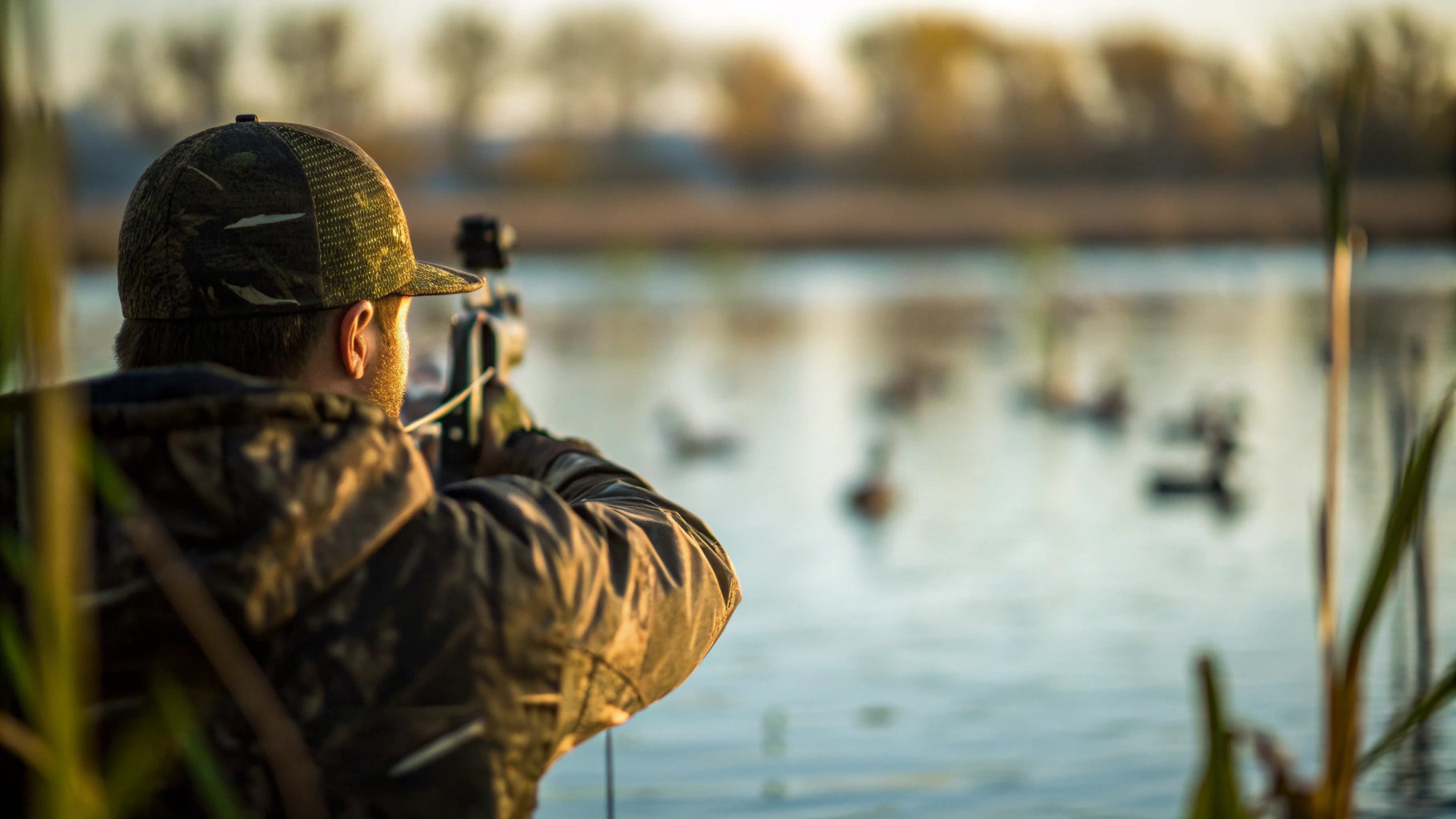
- Hunt over decoys. Set up decoys to bring ducks close, then take your shot when they land or swim nearby.
- Use a blind. Conceal yourself near water edges to stay hidden.
- Practice at short range. Most shots will be under 20 yards.
- Aim for the head or neck. This increases the chance of a quick, ethical kill.
- Retrieve arrows quickly. Use floating arrows or attach a line.
- Bring a dog if possible. A well-trained retriever can help recover wounded ducks.
- Use high-visibility arrows. They’re easier to find in water and grass.
- Check your broadheads. Make sure they’re sharp and legal for waterfowl.
- Respect bag limits and report your harvest. This helps with conservation.

Credit: www.youtube.com
Penalties For Illegal Bowhunting
Breaking hunting laws is serious. Penalties for using illegal methods (like a bow in a shotgun-only state) can include:
- Fines: Often hundreds or thousands of dollars.
- Loss of license: Your hunting privileges may be suspended.
- Confiscation: Gear and game can be seized.
- Criminal charges: In some cases, especially for repeat offenders.
Hunters are responsible for knowing and following the law.
Common Misconceptions About Bowhunting Ducks
Many people misunderstand the rules and practicalities. Here are a few myths:
- “If it’s legal for deer, it’s legal for ducks.” False. Waterfowl rules are stricter and often different from big game laws.
- “Bowhunting is always more ethical.” Not always true, especially for fast-moving birds.
- “Few people do it, so it must be allowed.” Low numbers don’t mean legality; check your state rules.
- “I can use any arrow or broadhead.” Most states require specific types for ducks.
International Perspective
Hunting ducks with a bow is rare outside North America. In Europe, for example, most countries ban bowhunting for all birds. Australia and New Zealand also have tight restrictions.
If you plan to hunt ducks abroad, research local laws carefully.
Bowhunting Ducks Vs. Other Methods
How does bowhunting compare to other duck hunting methods? Here’s a quick overview:
| Method | Legality (US) | Effectiveness | Ethics | Popularity |
|---|---|---|---|---|
| Shotgun | Legal everywhere (with license) | High | Generally ethical if accurate | Most common |
| Bow | Legal in a few states | Low (for flying birds) | Controversial | Very rare |
| Falconry | Legal with permit | Very specialized | Considered ethical | Extremely rare |
Credit: www.battlbox.com
Why Would Someone Bowhunt Ducks?
Despite the challenges and legal hurdles, a few hunters choose bows for ducks. Their reasons include:
- Personal challenge: Testing skill and patience.
- Tradition: Bowhunting connects to ancient ways.
- Quietness: Bows are silent, causing less disturbance.
- Preference: Some hunters simply love archery.
However, these hunters are a tiny minority. Most duck hunters use shotguns for both practical and ethical reasons.
What To Do If You Want To Try Bowhunting Ducks
If you’re interested in bowhunting ducks, here’s a responsible approach:
- Research your state’s regulations. Don’t trust hearsay.
- Contact wildlife officials. Ask specifically about migratory birds and archery.
- Take a hunter safety course. Many states require it, and it covers legal and ethical issues.
- Start with stationary targets. Practice on decoys before hunting live birds.
- Join a local hunting club. Experienced members can offer advice and sometimes share changes in laws.
- Report your harvest. This helps with conservation and research.
Pro Tip: If you’re not sure about the law, don’t risk it. Choose a method that is clearly legal and ethical.
The Future Of Bowhunting Ducks
Will bowhunting for ducks become more common? Probably not. Advances in archery technology make it easier to hit targets, but the ethical and legal issues remain. Wildlife agencies often focus on reducing wounding rates and ensuring humane harvests. Unless new technology or research changes these concerns, bowhunting for ducks will likely stay rare and tightly regulated.
Frequently Asked Questions
Is It Legal To Hunt Ducks With A Crossbow?
Some states allow crossbows for hunting big game, but for ducks, crossbows are usually banned under waterfowl regulations. Always check your state’s rules. Some jurisdictions treat crossbows like firearms, while others ban them for all migratory birds.
Can I Use A Bow For Duck Hunting During Any Waterfowl Season?
Not always. Even in states where bowhunting is legal for ducks, there may be special seasons or zones. Sometimes, archery hunting is only allowed during certain times or in specific areas to avoid conflicts with shotgun hunters.
What Kind Of Broadhead Should I Use For Ducks?
Use small, sharp broadheads designed for birds. Many states require barbless broadheads for waterfowl. Avoid large, expandable broadheads meant for deer, as they can cause unnecessary damage or be illegal.
Are There Any Special Licenses Needed To Bowhunt Ducks?
Yes. You need a state hunting license, a federal duck stamp, and often a state waterfowl stamp. Archery-specific permits may also