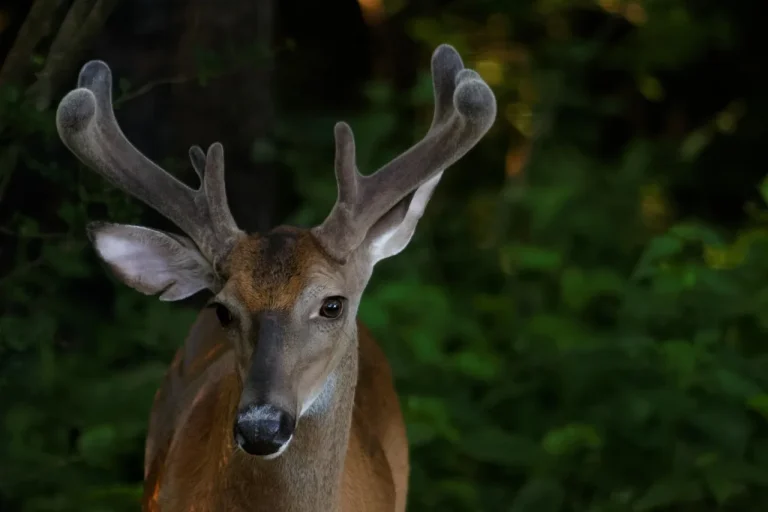
Mobile Saddle Hunting Tactics for the Rut
Use a mobile saddle setup to hunt the first morning movement, then relocate fast whenever wind, thermals, or fresh doe sign shift. A common move is to relocate within 100 to 300 yards to the next likely funnel, but terrain, access, and fresh sign can make a shorter or longer move better. If you sit on dead air too long, bucks often slip through the next cover edge after you. This piece explains rut sign, wind and thermal checks, and how to reposition without losing daylight.
Why saddle hunting helps in the rut

Rut movement is brief and directional. Bucks cruise edges, cut between doe bedding and feeding cover, and check funnels that change with wind and thermals. A saddle lets a hunter leave one tree, move to another, and keep the same system instead of committing to a fixed stand that may be wrong by midmorning.
That matters most on pressured public land where deer see heavy human traffic and avoid obvious setups. A light pack-in system can weigh well under 20 pounds, and that speed helps a hunter shift to fresh sign before the next movement window closes.
What a saddle changes in a rut setup
A tree saddle is a wearable tree hunting system. Single-panel and two-panel variants both keep the hunter attached to the tree with an integrated or separate fall-arrest setup, and both can stay comfortable for long sits if the tree choice and tether height are right.
The big advantage is usable tree access. A saddle can expand shot options when the tree, tether position, platform setup, cover, and shooting side all line up, which can matter when a buck circles a doe bedding edge or passes on the far side of cover. The tree itself becomes concealment.
What you’ll need
- Tree saddle. Single-panel or two-panel, with integrated or separate fall-arrest setup.
- Tree tether. A climbing-rated rope for the tree, used once you are in position, with a prusik or mechanical adjuster.
- Lineman’s rope. The ascent and setup rope that keeps hands free and connects to both sides of the saddle or harness.
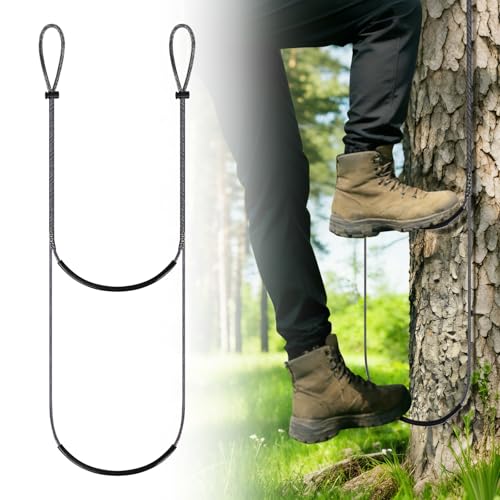
- Climbing sticks. Three to four portable strap-on climbers; an aider can extend reach where legal.
- Platform. A dedicated foot platform or top-of-stick platform for footing and shot angles.
- Quality locking carabiner. Manufacturer-approved, load-rated component for life support and a clean connection point.
- Pack. Keep the total system compact so the walk-in stays quiet and fast.
How do you plan a rut saddle move?
Plan the move around deer activity, not the clock alone. The first sit should target morning travel, usually where bucks check downwind edges after first light. If sign goes cold, wind shifts, or thermals turn against the setup, relocate to the next likely doe-to-buck funnel rather than forcing the tree to work all day.
- Check sign first. Look for fresh rub lines, tracks, scrapes, and doe bedding edges before choosing the tree. A fresh sign pocket is worth more than a “good-looking” tree with no current movement.
- Pick the first funnel. Choose the morning route that lets bucks cruise with cover between them and open ground. If the area is pressured public land, stay on the edge that other hunters usually miss.
- Set an exit move. Decide the second tree before you climb. If wind turns or thermals flip, move to the next staging area, not across the whole property.
- Recheck at midday. Use a topo app or map to compare bedding edges, saddles, creek crossings, and points. A midday reset often works better than waiting through a dead setup.
Suppose a hunter starts the morning over a scrape line off a creek crossing, then sees wind pulling across the trail by 9 a.m. The better move is not to sit lower and hope. Shift to the next downwind edge of the bedding cover where a cruising buck can scent-check without exposing himself.
Reading sign before you commit
Fresh sign should match the time of day. Morning travel usually leaves a narrow trail from bedding to cover. Midday sign often stacks near bedding edges, not deep in bedding itself. Evening sign can shift toward food entry routes as temperatures cool and air begins to drain downhill.
If the sign is old, scattered, or surrounded by blown-out access trails, keep moving. Rut hunting rewards the setup that matches current traffic, not the prettiest tree on the map.
How do you climb and set up from a saddle?
Use the lineman’s rope during ascent, then switch to the tree tether once you are in the tree. Climbing sticks are the common choice, usually three to four sticks, and they can be paired with an aider when legal. That combination is the standard mobile route for a fast rut reposition.
- Clip in the lineman’s rope. Connect it to both sides of the saddle so it stays centered and keeps hands free while climbing. Keep tension enough to stay balanced, not so tight that it pulls you off the trunk.
- Climb with sticks. Strap on each stick in sequence and keep the stack quiet. Three to four sticks is the practical range for most rut moves, especially when speed matters more than height.
- Set the tether. Once at hunting height, move the climbing-rated tree tether into place and adjust it with a prusik or mechanical adjuster. This is the critical safety connection in the tree.
- Add the platform. Use a dedicated platform or top-of-stick platform to square your feet. Better footing helps when a buck appears on the far side and the shot angle changes fast.
- Check the shot lane. Rotate around the trunk before settling in. A saddle can expand shot options, but the usable angle still depends on the tree, tether, platform, cover, and where you can safely shoot from.
A common first-timer mistake is climbing too high because “more height is safer.” In the rut, a mid-height setup often works better when the tree has leaves, limbs, or trunk shape that blocks the deer’s view. Too high can also put the hunter into faster air movement and make the setup harder to hold in a crosswind.
How do thermals change your tree choice?
Thermals matter because air moves with the terrain, not just the forecast. In some places air may rise as the ground warms, while in shaded hollows, cloud cover, or variable terrain the pattern can stall, swirl, or drain the other way. That means the same tree can be strong at dawn and poor by late afternoon if the scent path now feeds straight into bedding or a travel lane.
Morning rise and evening sink
On a ridgeline or hill shoulder, thermals can pull scent uphill as the sun warms the ground. In the evening, cooling air can drain downhill and carry scent into low spots. A rut saddle setup should match that shift, or the hunter gets blown out from the wrong side.
Topography-driven airflow can create swirl zones where a tree looks perfect on paper but fails in the field. If wind and thermal directions fight each other, or if escape cover is poor, the better choice is to move before deer pattern the stand.
Topography, wind, and escape cover
Use terrain to predict buck travel, then choose a tree that hides movement on the likely approach side. A saddle works best where the trunk blocks view and the surrounding cover lets a buck pass without seeing the silhouette. It is weaker in open, swirling low spots with no clear exit cover.
That is where moving pays off. A better tree two ridges over is often worth more than a marginal tree held through the whole day.
Rut saddle setup decision table
| Wind direction | Thermal condition | Terrain type | Deer sign | Recommended climb method | Recommended setup height band | Go/no-go notes for morning, midday, and evening rut sits |
|---|---|---|---|---|---|---|
| Quartering into bedding edge | Morning rise | Creek crossing or bench | Fresh tracks and rub line | Three sticks with platform | 12 to 18 feet | Morning: Go if the access stays quiet. Midday: Move if tracks dry up. Evening: No-go if rising air pushes scent toward bedding. |
| Steady crosswind | Stable air | Point or saddle in terrain | Scrapes and cruising sign | Four sticks with aider | 15 to 20 feet | Morning: Go for first movement. Midday: Go if fresh sign remains hot. Evening: Go if the trail stays downwind of your tree. |
| Wind shifting downhill | Evening sink | Valley edge or drain mouth | Doe bedding exit trails | Three sticks and top-of-stick platform | 10 to 16 feet | Morning: No-go if sink starts early. Midday: Go after a reset to the next funnel. Evening: Go only if scent drains away from the approach. |
| Light or swirly wind | Thermal crossover | Low dip with poor escape cover | Old sign only | Do not climb | N/A | Morning: No-go. Midday: No-go unless sign changes. Evening: No-go; relocate to a cleaner funnel. |
Common mistakes
One mistake is treating the saddle as a fixed all-day setup. Rut hunting punishes stubbornness. If wind, thermals, or new sign change, the setup should change too.
Another mistake is overcommitting to a poor tree with no escape cover. A saddle can hunt many trees, but not every tree is a good rut tree. Swirl zones, open approaches, and dead sign should be treated as exit signals.
Some hunters also overpack. A light mobile setup is the point. If the system becomes bulky, the move slows down and the best midday relocation window gets lost.
If that did not work, move to the next most likely funnel and reduce the climb to only what is needed. Keep the two-rope system, sticks, platform, and tether, but skip extra weight that does not help with the next sit.
Prevention is simple: pre-mark two backup trees for each primary area, one for morning conditions and one for evening conditions. That makes a second move faster when the first tree goes cold.
Frequently asked questions
What is the best saddle hunting setup for rut hunting?
A strong rut setup is a saddle, a climbing-rated tether, a lineman’s rope, three to four climbing sticks, and a stable platform. A quality locking carabiner is non-negotiable. If the hunt will likely require a second move, keep the total system light enough to leave quickly and climb again.
When should you move a saddle setup during the rut?
Move when fresh sign shifts, the wind flips, or thermals begin to carry scent into the travel lane. A practical move is often about 100 to 300 yards to the next funnel or bedding edge, but a shorter or longer relocation can make more sense depending on the terrain and current sign. Do not wait for deer to blow out the area before relocating.
How do thermals affect saddle hunting in the rut?
Thermals can change with terrain and weather, so the same tree can be strong in one part of the day and weak in another. Use that shift to choose a morning tree on an uphill pull and an evening tree where cooling air drains away from the approach. If the air swirls, the setup usually loses value.