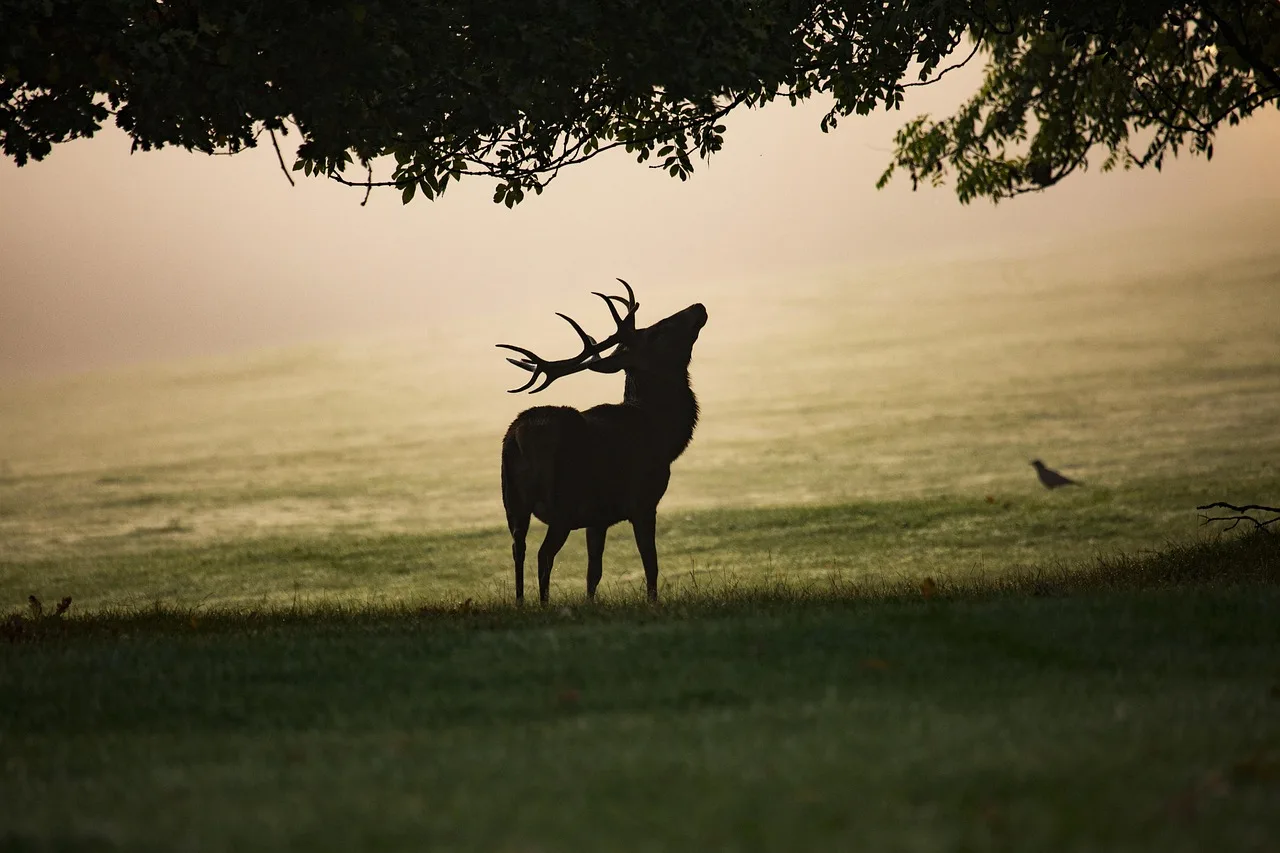
Can You Still Call Rutting Bucks After Pressure?
If pressure is light and the buck still uses a normal daylight route, calling can still be worth a try; after about two or more hunter encounters, calling usually risks educating him, so it is often better to go silent and hunt the exit or bedding edge. Bad calling can push a rutting buck nocturnal, tighten his pattern, or make him avoid the area altogether. This guide shows when to call, when to stop, and how pressure changes the best setup.
When calling works versus when it backfires



Yes, but only in the right window. Rut calling still works when a buck is moving, still checking doe travel, and has not linked grunts or antler noise to danger. Once repeated hunter encounters stack up, calling turns risky and often does more to teach the deer than to pull him in.
When calling still works
Calling is most useful when a buck is cruising, daylight-active, and still willing to investigate. A short grunt sequence or a brief rattling setup can make sense when sign shows fresh movement and no heavy stand pressure. The goal is to sound like another deer in the rut, not to make noise for its own sake.
That matters because rut calling is strongest when bucks are receptive. When pressure is light, a deer may still cut across open ground, check a scrape line, or swing through a travel corridor before dark. In that situation, a restrained call can add realism without pushing him out of range.
When calling likely backfires
Calling likely backfires once a buck starts linking sound with danger. If he has already been bumped by hunters, heard repeated calling from the same stand, or shifted to nocturnal movement, more sound can often confirm suspicion. Mature bucks do not need much convincing to abandon a risky route.
Pressured bucks put safety first when the rut is not in swing, and many hold close to dense cover until late. After that shift, a loud rattling sequence or repeated grunts can make the setup feel crowded. The buck may circle downwind, stall short of the opening, or leave without showing himself.
When to stop and go quiet
Go quiet when the buck has already been pressured into bedding cover, safe edges, or dark movement. Silence works better than more calling when fresh hunter sign is heavy, trails are blown out, or the deer only shows after shooting light. At that point, the shot window usually comes from stand placement, not sound.
Say a target buck still crosses a field edge around the same time on several mornings in a row, then disappears after a couple of nearby gunshots. The better choice is not more grunt calling. It is a quiet setup on the approach route or the edge nearest cover, because the buck is already showing a pressure response.
How hunting pressure changes buck behavior
Hunting pressure changes where bucks move, when they move, and how they react to calling. More human activity usually pushes them toward safer bedding, thicker cover, and darker movement. That shift shows up fast in pressured country, especially where rifle season adds more noise, more access, and more daylight disturbance.
Daylight movement and caution
As pressure rises, daylight movement usually tends to drop first. Bucks still travel, but they often do it later and with more caution. They may avoid open lanes, skip obvious trails, and hold tight to cover until legal light is nearly gone.
That is why a buck that once answered a grunt call in midmorning may ignore the same sound after a few encounters. The rut can still pull him around, but pressure changes how far he is willing to expose himself before dark.
Bedding shifts and safer cover
Pressure pushes mature bucks into secluded bedding areas with dense vegetation and difficult access. Those beds are often overlooked because they are tucked into rough ground, thick cover, or spots that require a long walk to reach quietly. Aerial imagery helps identify those hidden pockets before boots ever hit the ground.
Protected areas matter here too. Wildlife reserves, conservation areas, and posted property can create safe zones that mature bucks use as cover. When that safe ground sits next to huntable land, the edge often becomes more important than the center of the property.
Why mature bucks react first
Mature deer usually react before younger bucks because they have already learned what danger looks and sounds like. In pressured country, finding a 3 1/2-year-old buck can be difficult because older deer tend to choose low-risk routes and beds first. They do not need much pressure before they change patterns.
Central and southern Maine are a good example of heavy pressure country. In areas like that, the deer that survive long enough to reach maturity often behave like veterans: tight to cover, selective about movement, and quick to abandon a noisy setup.
What signs show a buck is too pressured to call?
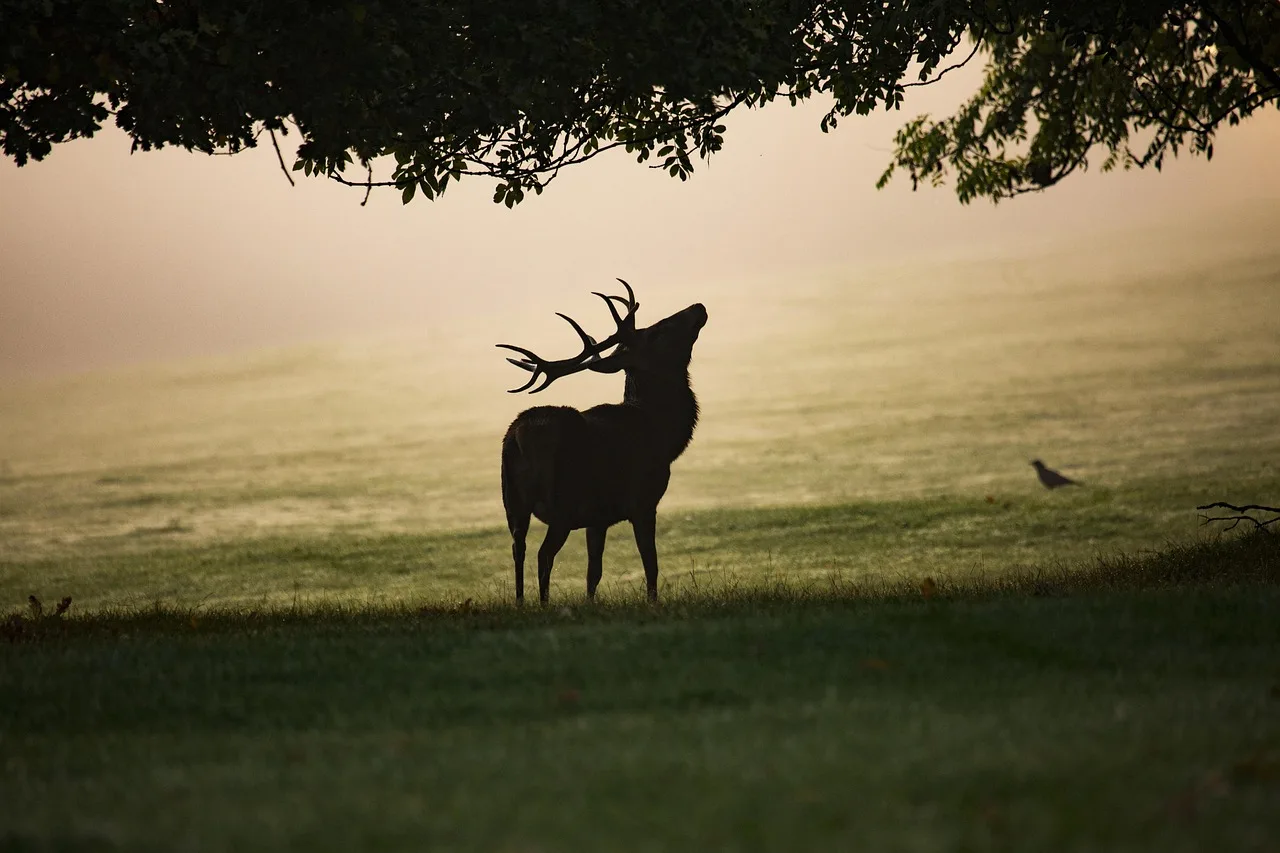
A buck is too pressured to call when the sign shows he has already adjusted to hunters instead of the rut. The clearest clues are blown-out trails, delayed daylight movement, stand pressure, and repeated human traffic near bedding or travel routes. At that point, sound usually works against the hunter.
Blown-out trails and exit sign
Heavily used exits with churned leaves, fresh boot tracks, and scattered deer tracks can signal that hunters and deer are sharing the same route. That pressure often causes a buck to switch to a quieter exit, a thicker lane, or a later movement time. If the trail looks worked over, calling there is often too much.
A common first-timer mistake is using a loud grunt sequence on a trail that already has fresh boot tracks and no midday deer sign. The deer that once used that line may still live nearby, but the pressure signal says he has learned to avoid obvious noise and daylight exposure.
Fresh sign with no daylight use
Fresh tracks, rubs, and scrapes do not automatically mean a buck is callable. If that sign appears while daylight sightings disappear, the deer may still be active, but only after dark. That is a poor calling setup because sound will not fix a buck that has already shifted out of legal light.
The better question is not whether the buck is there. It is whether he is still moving on a normal daylight route. If not, the call may simply confirm that the area is being hunted hard.
Stand pressure and repeated hunter traffic
Repeated hunter traffic is one of the fastest ways to shut down calling. When a buck sees trucks, fresh stands, ground scent, and human entry paths, he often relocates toward safer bedding or edges. After about two or more encounters, the odds of a buck responding aggressively to sound often drop sharply.
That is why calling should change with pressure. A short, single grunt may still work early. Loud, repeated calling near a stand that has been burned several times usually makes the buck more cautious rather than less.
When should you use grunt calls, rattling, or no call?
Use grunt calls first when pressure is low to moderate and the buck is still moving. Use rattling only when the deer is actively cruising or showing interest in other bucks. Use no call when pressure has already moved him into bedding cover, safe edges, or a pattern of late-night movement.
Grunt calls in lower pressure situations
Grunt calls are the most flexible choice because they can sound like another buck checking the area without creating too much commotion. Short, spaced grunts often work better than long sequences. They fit situations where the buck is still receptive but not fully committed to a noisy confrontation.
If the deer is cruising and the setup is calm, a grunt call can trigger a check-in. If the area already feels hunted, even a soft grunt may be one cue too many. That is why pressure level matters more than the call itself.
Rattling when bucks are still cruising
Rattling is best when bucks are actively searching and the woods still feel open enough for them to investigate. It is less useful once the deer has become cautious. In pressured country, rattling often works only if it is brief, infrequent, and matched to visible buck movement.
Picture a buck cutting a funnel at first light and checking doe sign. A short rattling sequence may pull him off his line. If he has already been bumped from the same funnel twice, the same noise can send him around the edge instead.
No-call setups for bed-to-feed edges
No-call setups often work better than sound on the edge of bedding cover, especially near known exit routes. The buck may already be moving the way you want him to move. Adding calls can spook him before he reaches the opening.
This is where stand placement matters more than volume. A quiet ambush near the bedding edge or property boundary can intercept a pressured buck before he slips into darkness.
Pressure-call checklist
Use this checklist to match the deer sign with the pressure signal and the best action. The goal is simple: call when the buck is still receptive, go light when he is alert, and stop calling when pressure has already changed his behavior.
| Deer sign | Recent hunting pressure signal | Best action |
|---|---|---|
| Fresh tracks on a daylight trail | No fresh human traffic, quiet access | Use a short grunt sequence |
| Fresh rubs and scrapes near open cover | Light pressure, deer still using normal route | Try light rattling once, then wait |
| Blown-out trail with boot tracks | Heavy hunter traffic in the last few days | Go silent and hunt the edge |
| Daylight movement on camera or glass | No stand intrusion, limited disturbance | Call lightly if the buck is cruising |
| Doe group feeding near cover | Moderate pressure, rut activity still active | Use a soft grunt, avoid rattling hard |
| Buck tracks leading into thick bedding cover | Repeated hunter encounters near travel route | No call; set up on the exit or boundary |
| Fresh sign with no daylight sightings | Likely nocturnal shift after pressure | Stop calling and adjust timing or location |
| Sign near a protected area edge | Safe zone pressure on the hunted side | Set up close to the property line, then go quiet |
Check the pressure signal. Look for boot tracks, truck access, open trails, and how recent the disturbance appears. If the sign shows repeated human use, treat the area as a no-call setup.
Match the buck’s mood. If the deer is cruising, a grunt may fit. If he is moving but alert, keep the call light. If he is bedding tight or moving only after dark, stop calling altogether.
Choose the quietest effective tool. Grunt first, then rattling only when bucks are still actively searching. Skip decoys in high-pressure spots unless visibility is good and the deer still seems curious; otherwise the added visual can feel unnatural.
Reposition to the edge. When calling is no longer working, shift to the bedding edge, exit lane, or boundary route. That keeps the deer in a predictable funnel without relying on sound to pull him back.
Where to hunt pressured bucks instead of calling them
When calling stops working, the better move is often to hunt where pressured bucks must travel. Bedding areas, protected borders, and property lines can all funnel deer movement. The closer a setup is to the safe edge, the less likely it is that the buck needs to hear a call at all.
Bedding areas and their edges
Bed locations matter because pressured deer spend more time there and less time in open country. Focus on secluded, difficult-to-access bedding with dense cover, then identify the downwind exits and preferred travel lines. That is where a silent setup can beat a noisy one.
Start with aerial imagery, then confirm on foot. That combination helps separate likely beds from random cover and makes the stand choice more precise.
Protected areas and property lines
Protected areas can hold mature bucks because they offer security from hunting pressure. Wildlife reserves, conservation areas, and posted property often create the calm side of the line, and bucks will use that security to stage just outside legal danger.
Many states require hunters to gain permission from landowners to hunt their land, so access planning matters before any boundary setup. Stand locations should be as close as possible to the property line when legal and safe access allow it, because pressured deer often cross there before dark.
Maine hunting pressure as an example
Central and southern Maine get hit hard by hunting pressure, and rifle season is a major pressure period there. In that kind of country, a mature buck may behave like a ghost, especially if he has already learned which routes bring danger.
That is why a 3 1/2-year-old buck can be difficult to find in those areas. The better plan is usually not more calling. It is tighter access, quieter entry, and a stand positioned near the best safe edge.
Frequently asked questions
Can you still call rutting bucks after hunting pressure increases?
Yes, but only while the buck still uses a normal daylight route and has not linked calling with danger. After repeated hunter encounters, calling is more likely to educate him than to pull him in. At that point, a quiet setup near the exit or bedding edge works better.
Do pressured bucks still respond to grunt calls during the rut?
Sometimes, but the response drops as pressure rises. A pressured buck may still react to a short grunt if he is cruising and curious, yet he often becomes suspicious after repeated encounters. The more the sound matches hunting pressure, the less likely he is to commit.
Should you stop rattling when a buck has been pressured?
Yes, if the deer has already shifted into a cautious pattern. Rattling can still work on cruising bucks, but it often becomes too much once a buck has been bumped, patterned by hunters, or pushed toward safer bedding. Quiet hunting on the edge is usually better.
How do you call rut bucks in heavily hunted areas?
Use less volume, fewer sequences, and more patience. Start with a soft grunt, then wait. If the buck is alert but not spooked, one short rattling setup may help. In heavily hunted areas, the best call is often no call at all.
What signs show a buck is too pressured to respond to calling?
Blown-out trails, fresh boot tracks, no daylight sightings, and movement that shifts to late dark are strong warnings. If the buck is still there but only acts at night, calling will not fix the pattern. That is the point to stop and hunt the edge instead.
When does calling become less effective during the rut?
Calling becomes less effective as soon as repeated encounters change the buck’s behavior. The rut may still be active, but pressure can make him tighter to cover and less willing to expose himself. Once that happens, the value of sound drops and the value of stand placement rises.