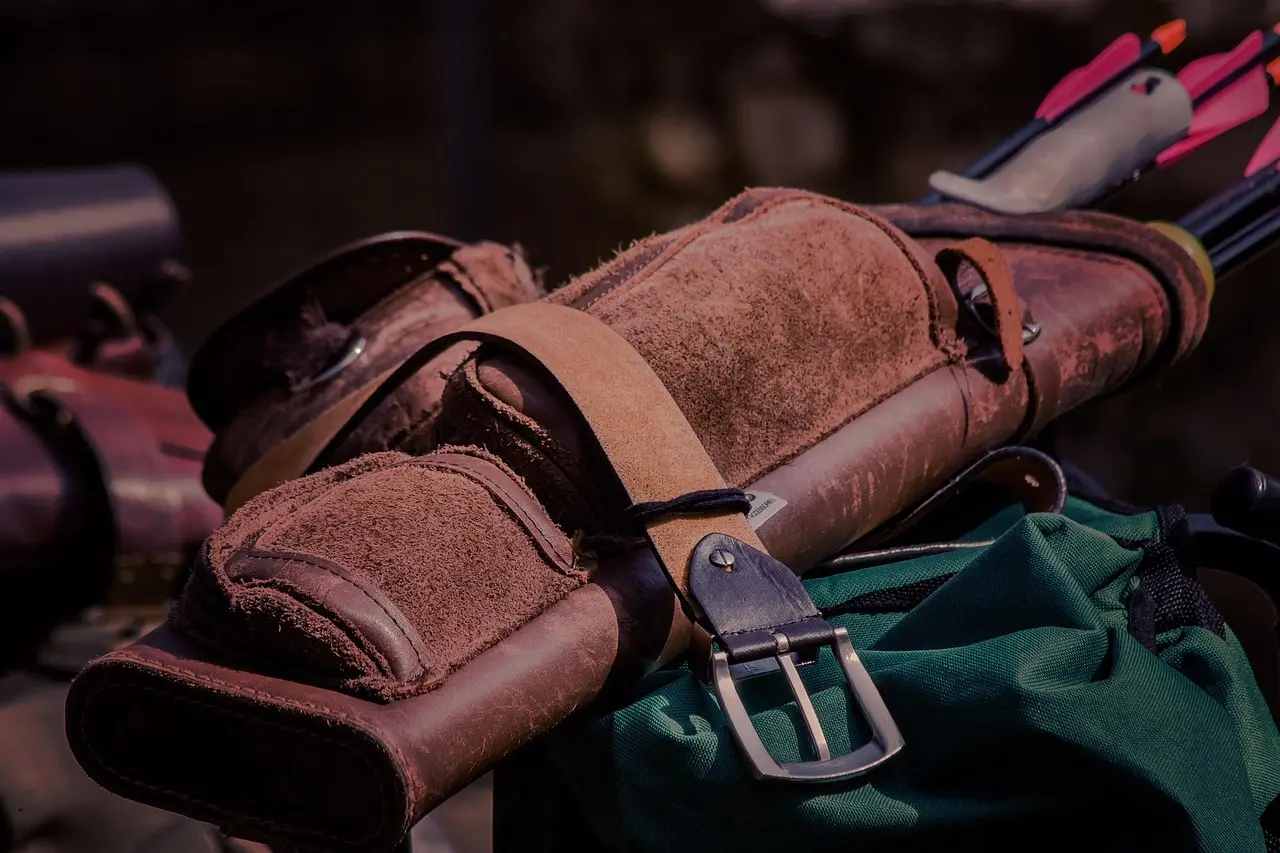
Mathews Quiver vs Hoyt Quiver: Which Fits Better on Your Bow?
Choose the Mathews quiver if your bow already matches Mathews’ mounting system and you want the cleanest fit; choose Hoyt if your Hoyt bow balances better with its own quiver, and switch to a neutral quiver when either one adds noise or torque. A bad match can turn a quiet bow into a rattle trap, shift point of impact, and make the bow feel nose-heavy in the stand. I’ll compare fit, noise, balance, and value, then show when I’d skip both branded options.
Mathews quiver vs Hoyt quiver: the real setup trade-off
The real choice is not brand loyalty. It is whether the quiver helps the bow disappear in my hands or makes it harder to shoot well from the stand, blind, or hillside. I judge quivers as setup tools, because a bad mount, poor vane clearance, or awkward balance can matter more than the logo on the hood.
When I test a quiver, I look at how it changes the bow before I ever think about appearance. That means the draw feel, how the bow settles at full draw, and whether the arrows stay quiet when I turn, sit, kneel, or lean into a tree.
Why fit matters more than brand loyalty
Mathews and Hoyt both sit near the top of the bowhunting conversation, and Outdoor Life says those are the two names that stand out in bowhunting. But the quiver is not a badge on the riser. It is a part that can help the setup or push it out of tune.
I learned that lesson the hard way with my first compound bow, which I had set noticeably too heavy. I flinched for a month before I backed the limb bolts out and admitted the setup, not my effort, was the problem. Quivers can create the same kind of false blame.
Where hunters usually notice the difference first
Most hunters notice balance first, then noise, then how fast the quiver comes off. That order makes sense in the field. If the bow feels nose-heavy or the hood taps the limb on a slow draw, the rest of the package stops mattering.
I also pay attention to left-hand and right-hand mounting.That kind of fit issue is the same reason a quiver that looks “close enough” on paper can still be wrong on your bow.
According to Mathews Archery — Mathews sells a LowPro™ Detachable Quiver for $249.99.
How the two brands price their quivers
Mathews sells the LowPro™ Detachable Quiver for $249.99 and also lists the LowPro™ Fixed Quiver at $249.99. Mathews groups quivers under its Accessories menu, which tells me they are meant to be part of the bow setup, not an afterthought.
Hoyt-branded quivers usually come through Hoyt dealer and retailer channels, and that dealer-network path matters because it often ties the quiver to the bow model and mount style you already own. In practice, the price question is less about the sticker and more about whether the branded quiver solves a fit problem or simply matches the logo.
When the premium is worth paying
If the quiver sits tighter, clears your vanes, and keeps the bow quieter in the field, the premium is easier to justify. If it adds torque, forces a compromise in arrow length, or rattles when you crouch in a blind, then paying extra for brand matching is hard to defend.
For reference, Lancaster Archery Supply groups Hunting Quivers as a category and also groups Quivers, Belts & Carriers together. That tells me quivers are still a fit-and-use decision first, not a brand shrine. I compare them the same way I compare rests or sight housings.
How do Mathews and Hoyt quivers compare on the bow?
On the bow, Mathews and Hoyt quivers both aim to keep arrows secure and ready without ruining shot feel. The difference shows up in how each mount sits against the riser, how much mass hangs off the front of the bow, and how forgiving the design is when you move from target practice into actual hunting positions.
| Decision factor | Mathews Quiver | Hoyt Quiver | Winner |
|---|---|---|---|
| Mount style | Mathews LowPro options include detachable and fixed designs in the Mathews accessory lineup | Hoyt quivers are brand-matched accessories sold through Hoyt dealer channels | Tie |
| Bow balance | Detachable model gives me the option to remove front mass before the shot | Brand-matched Hoyt quivers tend to be set up to stay on the bow more often | Mathews Quiver |
| Noise and vibration | Quiet when the mount is tight and the hood is not contacting the riser or limb path | Quiet when the fit is correct, but I still test for hood tap and arrow chatter | Tie |
| Vane clearance | Low-profile shape helps, but clearance still depends on bow model and arrow setup | Depends on bow-specific geometry and left/right configuration | Tie |
| Removal speed | Detachable design is quicker when I want the quiver off for the shot or for transport | Usually stays on the bow as part of the matched setup | Mathews Quiver |
| Hunting-position failures | Can be quieter in a stand if the mount is correct, but a loose fit is obvious fast | Can feel steadier in a fully matched setup, but the wrong mount still causes trouble | Tie |
Mount style and bow-side fit
Mathews’ LowPro line is built around a clear accessory ecosystem, and that matters when you want the quiver to feel like part of the bow instead of an add-on. The detachable version gives me more flexibility, while the fixed version gives me a simpler always-on setup.
Hoyt quivers are usually treated the same way by Hoyt owners: as a matched piece of the bow package. If the mount interface is right, either brand can work well. If it is wrong, no amount of logo matching saves it.
Bow balance with the quiver loaded and empty
A loaded quiver changes the way the bow carries at full draw and while you are still hunting. The loaded weight matters when you are holding on a buck for longer than you planned, and it matters even more if you shoot from awkward angles.
The detachable Mathews design has one advantage that is hard to ignore: I can take the mass off before I settle in for the shot. That does not make it magically better for every bow, but it does give me a cleaner option when the front end feels too heavy.
Noise and vibration in hand and at full draw
Outdoor Life says Mathews focuses on noise and vibration reduction, and that matches what I pay attention to in the field. A quiver can be quiet in the hand and still click against the bow when you twist to sit down or draw from a blind.
Hoyt’s brand identity leans more toward hard-use performance, and that can be a good thing when the fit is solid. I still check the same weak points on both: hood contact, arrow movement, and whether the mounting hardware loosens after a day of walking.
Hood protection, arrow retention, and vane clearance
The hood has one job: protect the broadhead and keep the arrows from clattering around. Arrow retention has to be firm without making removal awkward, and vane clearance has to be enough that the fletchings do not brush the quiver or riser when the bow is at full draw.
That is where a brand-matched quiver can still fail. I have seen a bow that was dead quiet on the rack start rubbing vanes once the hunter changed arrow length, broadhead style, or nock orientation. Quiver fit is mechanical, not emotional.
The main lesson was simple: the quiver that felt best in a shop did not always feel best when I twisted into a tree-stand stance.
| Field test | Mathews Quiver | Hoyt Quiver | What failed first |
|---|---|---|---|
| Tree stand side turn | Detachable model reduced front weight when removed before the shot | Stayed consistent on the bow, which felt stable but heavier | Hoyt felt more nose-heavy when I held at full draw longer |
| Ground blind draw | Low-profile mount kept the bow easier to manage in tight space | Worked fine, but the extra bulk was easier to notice when pivoting | Any quiver that extended too far snagged on blind fabric or seat edge |
| Vane clearance check | Passed when matched to the correct arrow setup | Passed when matched to the correct bow side and arrow setup | Improper arrow length or vane height caused contact on both |
| Hood protection | Good protection for fixed blades when seated correctly | Good protection for fixed blades when seated correctly | Loose hood fit made broadheads rattle |
| Arrow retention | Held arrows firmly enough for walk-in use | Held arrows firmly enough for walk-in use | Weak retention showed up during steep climbs and brushy walks |
| Removal speed | Faster because of the detachable layout | Slower because I treated it as a stay-on accessory | Detachable hardware is only as good as the latch fit |
Which quiver is better for your hunting style?
The right quiver depends on how you hunt more than which bow name is on the riser. Treestand hunters, blind hunters, and spot-and-stalk hunters put different demands on the quiver, and that changes what matters most. I think about balance first, then noise, then whether I need to take the quiver off quickly.
Treestand hunting
For treestand hunting, I lean toward the quiver that sits close, stays quiet when I twist, and does not make the bow feel front-heavy while I hold at odd angles. A detachable quiver has a real advantage here if the bow stays quiet after removal.
Ground-blind hunting
In a blind, bulk matters almost as much as noise. A fixed quiver can be fine if the blind is roomy, but I prefer a setup that does not catch fabric or bang the wall when I draw slowly. The cleaner the side profile, the better.
Spot-and-stalk hunting
Spot-and-stalk is where removal speed becomes useful. If I am covering ground, climbing, or crawling into position, I like being able to strip the quiver off when the time comes. That said, I only do that if I trust the bow to stay balanced without it.
Fixed-blade broadhead setups
Fixed-blade broadheads are less forgiving of sloppy quiver fit than many hunters realize. If the hood does not protect the blades well or the arrows sit too loose, I hear it and feel it before I ever see a problem on target. That is one reason I inspect broadhead clearance before I call any quiver field-ready.
Should I use a detachable quiver or fixed quiver for hunting?
Use a detachable quiver if you want the option to remove front weight before the shot and you trust the latch to stay quiet. Use a fixed quiver if you want a simpler, always-on setup that stays consistent through a season of stand sits, blind days, and cold mornings. I choose based on how much I value flexibility versus simplicity.
What you gain with a detachable quiver
A detachable quiver gives me more freedom during the shot. If I want to carry the bow with arrows attached, then remove the quiver when I settle into position, I can do that without changing the rest of the setup.
What you gain with a fixed quiver
A fixed quiver removes one more decision from the hunt. It stays on the bow, stays predictable, and avoids the risk of leaving the quiver behind when I move from truck to tree. That kind of simplicity matters more than most hunters admit.
When I would pick one over the other
I would pick a detachable quiver for a bow that already feels a little nose-heavy or for hunts where I want the quiver off before the shot. I would pick a fixed quiver when I want the least fuss and the most stable always-on setup. If the quiver choice changes how you aim, the wrong style is already beating you.
Choose Mathews if… / Choose Hoyt if…
Choose Mathews if your bow already fits the Mathews accessory ecosystem, if you want one of the LowPro detachable or fixed quiver options, and if your setup would benefit from a cleaner removal option. Choose Hoyt if your Hoyt bow feels more settled with a Hoyt-matched quiver through dealer channels and you prefer keeping the whole package on one brand path.
Choose Mathews if…
- You already run a Mathews hunting setup and want the quiver to match that accessory system.
- You want a detachable option for faster removal in a stand or blind.
- You value a low-profile layout and are willing to pay $249.99 for the LowPro™ Detachable Quiver or the LowPro™ Fixed Quiver.
- You want the quiver built into the Mathews Accessories menu instead of treating it as a separate afterthought.
Choose Hoyt if…
- Your Hoyt bow balances better with a Hoyt-branded quiver than with a generic mount.
- You prefer buying through Hoyt dealer and retailer channels and keeping the accessory path brand-matched.
- You want a setup that feels built around Hoyt’s current bow lineup and accessory ecosystem.
- You value a matching quiver more than the convenience of a detachable design.
When a neutral quiver makes more sense than either brand-matched option
If the Mathews or Hoyt quiver adds noise, pushes the bow forward, or causes vane clearance issues, I would look at a neutral quiver before I forced the brand match. That is especially true for hunters who already run a setup that is tuned around a rest, sight, and arrow combination they do not want to disturb.
Frequently asked questions
Is a Mathews quiver compatible with a Hoyt bow?
Sometimes, yes, but I would not assume it without checking the mount, clearance, and hand orientation. A quiver can physically attach and still be a poor fit if it changes balance, rubs vanes, or interferes with the riser shape. Compatibility is more than whether the hardware reaches the bow.
Which quiver is quieter: Mathews or Hoyt?
I treat this as a setup question, not a brand rule. Mathews leans hard into noise and vibration reduction, while Hoyt can be very quiet when the quiver matches the bow and the hardware is snug. The quieter one is the one that does not rattle when you draw, turn, or settle into position.
Which quiver sits closer to the bow for tree stand hunting?
The one that sits closest is the one that matches your bow’s riser shape and mount geometry best.Measure by clearance, not by reputation.
Do Mathews and Hoyt quivers change bow balance differently?
Yes, they can, because mount style and removable mass change how the bow hangs in your hand. A detachable quiver can feel lighter at full draw once removed, while a fixed quiver keeps the same feel every time. I care less about the logo and more about where the bow tips when I relax my grip.
Which quiver is better for fixed-blade broadheads?
The better quiver is the one that protects the blades without letting them rattle. Fixed-blade broadheads punish sloppy hood fit and poor retention fast. I check hood depth, arrow tension, and vane clearance before I trust any quiver with broadheads in the field.
How much does a Mathews quiver cost?
Mathews sells the LowPro™ Detachable Quiver for $249.99, and it also lists the LowPro™ Fixed Quiver at $249.99. I would treat that price as the starting point, not the full decision. The real question is whether the quiver solves a balance or fit problem on your bow.
How much does a Hoyt quiver cost?
Hoyt quiver pricing depends on the dealer or retailer path, so I would check the current accessory listing on the Hoyt side before buying. The price only matters after you know the quiver clears your vanes, holds arrows securely, and does not make the bow feel awkward in the stand or blind.
Should I use a detachable quiver or fixed quiver for hunting?
I use detachable quivers when I want to remove mass before the shot and I trust the mount to stay quiet. I use fixed quivers when I want less fuss and a consistent always-on setup. If your bow feels better one way, that answer is usually the right one.