Restrictions on Archery Targets in Johnston County?
Quick Summary: Generally, personal archery target practice on private land in Johnston County follows local zoning rules, but public land use often has specific regulations. Always check with the Johnston County Planning Department or local Sheriff’s Office before setting up a range to ensure compliance and safety.
Welcome, fellow archer! Are you excited to set up your new target in Johnston County but feeling a little nervous about local rules? That is one of the most common questions beginners have. Finding a safe place to practice shouldn’t be a frustrating treasure hunt.
Many new archers worry about local laws turning a fun afternoon into a legal headache. The good news is that practicing archery safely is usually possible, but requirements differ greatly between your backyard and public areas.
We are here to clear up the confusion. This guide will walk you through exactly where and how you can set up those targets legally and safely in Johnston County, North Carolina. Let’s start by looking at when and where you can legally shoot.
Understanding Archery Target Regulations in Johnston County, NC
When you buy that shiny new target, your first thought should be, “Where can I shoot this?” In Johnston County, like most places, the rules often depend on where you are shooting—is it private versus public property? Regulations are primarily focused on safety and preventing stray arrows.
Private Property: Your Backyard Range Possibilities
For many of us, the easiest place to practice is right at home. However, just because you own the land doesn’t mean you can shoot anywhere. County ordinances usually govern how close structures and property lines can be to your shooting area.
Reviewing Johnston County Zoning Ordinances
Johnston County’s land use is governed by specific zoning codes. These codes dictate what activities are permissible in different zones (like Rural Residential, Commercial, etc.). While the codes might not specifically say “No Archery Target,” they often have rules about:
- Setbacks: How far structures, property lines, and roads must be from any activity involving projectiles.
- Discharge of Projectiles: Even if not explicitly for firearms, rules regarding firing any projectile often apply to archery safety zones.
It is always a wise move to look up the relevant sections on setbacks for your property type. You can often find basic guidance through the Johnston County Planning and Inspections Department website. They are the experts on what is allowed based on your specific address zoning.
Key Safety Considerations for Backyard Setup
Even if zoning allows it, responsible archery demands a safe setup. If you are setting up targets in your yard, these steps ensure you follow general best practices:
- Backstop is Everything: Never shoot toward an area where an arrow could accidentally travel past your target and travel off your property. A proper, thick backstop (like stacked hay bales or professional foam targets) is non-negotiable.
- Distance Check: Ensure your effective maximum shooting distance fits entirely within your secure property lines. If your property is small, foam blocks are safer than large 3D targets that might let an arrow slip through.
- Neighbor Communication: A quick, friendly chat with the neighbors goes a long way. Letting them know you’ll be practicing (and confirming they have no issue) builds goodwill and prevents unexpected calls to the Sheriff’s Office.

Public Land: Where Archery Practice Might Occur
Practicing archery on public lands—like county parks, state forests, or open hunting areas—is often more regulated than private land. These areas have clear rules to ensure public safety and protect natural resources.
State and Federal Lands (e.g., State Forests)
If you are practicing within designated wildlife areas or state forests that allow archery practice, the rules are set by the North Carolina Wildlife Resources Commission (NCWRC) or the US Forest Service, depending on the specific location. These areas often require specific safety lanes or designated archery ranges.
Always check the current regulations published by the NCWRC. For instance, state forests often permit target practice only in areas specifically designated and signed for that purpose. Sticking an arrow into a tree outside a designated target area is usually strictly forbidden and can lead to fines.
Municipal Parks and Open Fields
Most town parks within Johnston County (e.g., Benson, Smithfield, Clayton) have specific rules prohibiting the discharge of any projectile, including arrows, unless the park specifically hosts a designated, managed shooting range.
Action Step: If you find a large, open field owned by a municipality, do not assume you can shoot. You must contact the Parks and Recreation department for that specific town to ask permission. Using targets casually in a public park is almost always against local park rules.
The Crucial Role of the Johnston County Sheriff’s Office and Local Ordinances
When in doubt about safety or local ordinances, your local Sheriff’s Office or the relevant county department is the final authority. They enforce county ordinances regarding noise and safety, which can sometimes impact target practice, especially if you are using heavy bows that create startling sounds or if your practice area is near residential zones.
When to Call for Clarification
If your situation is complex—maybe you own acreage bordering a neighborhood, or you are looking at a very large setup—making a proactive call demonstrates responsibility.
Here is a quick guide on who handles what:
| Authority | Primary Concern |
|---|---|
| Johnston County Planning Dept. | Zoning restrictions, setbacks, land use legality. |
| Local Town/City Hall (Parks Dept.) | Rules regarding public parks and municipal grounds. |
| Johnston County Sheriff’s Office (Non-Emergency) | Enforcement of public safety and projectile discharge complaints. |
Remember, this is about being a good community member. No one wants an arrow landing where it shouldn’t. A quick phone call is much easier than dealing with a complaint later.
Choosing the Right Target for County Restrictions
The type of target you use can influence how compliant you are with local safety rules. Some targets offer more security than others, which is very important when area size is a concern.
Target Types and Their Safety Implications
Here is a quick breakdown of common beginner targets and how secure they are:
- Bag Targets: Excellent for broadheads and field points. Arrows stop quickly, usually preventing pass-throughs on a solid shot. They are ideal for smaller yards if your backdrop is secure.
- Field Points/Stump Targets: Best for easy, low-impact practice. They stop arrows very effectively but might not be sturdy enough for very high-poundage bows unless they are specifically designed for it.
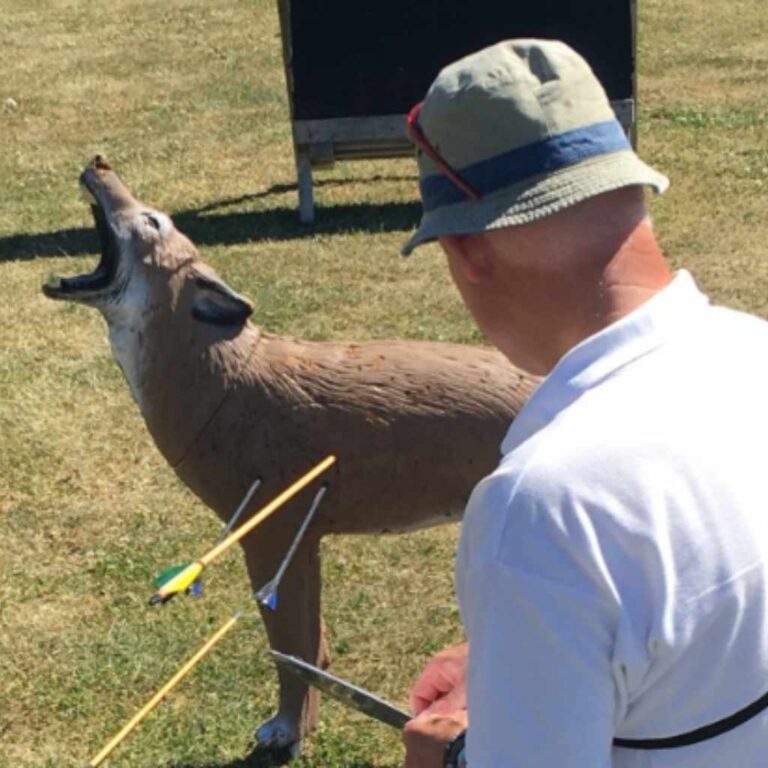
- 3D Targets (Foam Animals): Fun for hunting practice, but they can sometimes allow arrows to pass through the foam, especially if the foam is old or if the bow is extremely fast. These require a very solid backstop behind them.
If you are practicing in a tight space due to setback rules or close neighbors, always opt for the highest stopping power target you can afford. When in doubt, use layered materials like heavy tarps over plywood behind your main target.
Step-by-Step: Setting Up Your Safe Archery Zone in Johnston County
Follow these steps to ensure your target setup is both practical and compliant with general local safety expectations across Johnston County.
- Verify Property Ownership and Type: Confirm that you have the legal right to shoot on the property (you own it, or have explicit written permission from the owner).
- Check Zoning Setbacks: Call the Johnston County Planning Office. Explain you are setting up a private archery practice zone on private property and ask for the setback requirements related to projectile lines or structures.
- Assess the Environment: Walk the entire potential range. Is the ground level? Are there any low spots where an arrow hitting the ground could potentially ricochet or travel unpredictably? Clear all debris.
- Establish the Shooting Line: Mark a clear line where you must stand. Never shoot past this line for safety. Ensure this line provides plenty of clear space between you and the target butt.
- Install Primary Target: Place your chosen target (bag, foam, etc.) securely so it will not tip over when hit.
- Build a Mandatory Backstop: This is the most important safety layer. Build a backstop structure that is thicker than your longest potential shot trajectory. This should block any arrow that misses the target center mass. Use compressed straw, stacked dirt berms, or commercial archery netting/foam.
- Create an Arrow Retrieval Zone: Mark the area in front of the target as the retrieval zone. No one should ever cross the shooting line into the target area until the range is declared “safe” and shooting has stopped.
- Conduct a Range Safety Check: Before shooting with anything other than a practice arrow, observe the entire area from the shooting line. If you can see anything you do not want to hit (a neighbor’s shed, a road, a pet area), STOP and adjust your lines or backstop.
Safety First: Why Regulations Exist (Even for Arrows)
While an arrow doesn’t have the same immediate danger profile as a firearm, it travels fast, far, and can cause significant property damage or serious injury if it hits something unintended. Regulations are often put in place because property lines frequently run closer to homes and roads than we realize.
The Power of an Arrow
It’s easy to underestimate a modern bow, especially if you are using a high-poundage compound bow. Even a properly aimed, missed arrow can travel surprising distances. For example, a 50-pound hunting bow can send a hunting arrow well over 250 yards, though accuracy drops off steeply. In a residential setting, even a shorter miss can create a major hazard.
As a beginner, focusing on form and control is key. If you are practicing at 10 yards and your arrow blows through your target and hits the fence, you need to upgrade your stopping power immediately, regardless of county rules.

Frequently Asked Questions (FAQ) for Johnston County Archers
Q1: Can I set up an archery target in my front yard in a residential area of Johnston County?
A: In most cases, yes, provided your entire shooting corridor (including the backstop) is safely contained within your property lines and complies with all local zoning setback rules. If you are close to the street or property line, confirm setbacks first.
Q2: Are there specific county-run public archery ranges in Johnston County?
A: Currently, Johnston County does not list publicly advertised, county-managed archery ranges for general public use in the same way some specialized facilities exist. You will need to check for designated ranges within state or private facilities, or utilize private property safely.
Q3: Do I need a permit to practice archery on my own private land?
A: Generally, no specific permit is required just for shooting arrows on your own property in an area zoned for residence, provided you abide by general safety ordinances and setback requirements. However, always call Planning if you plan a large, permanent setup.
Q4: What do I do if a neighbor complains about noise or perceived danger from my target practice?
A: Remain calm and immediately cease shooting. Approach the neighbor politely. If the issue persists, you may need to involve the non-emergency line of the Sheriff’s Office so they can review the specific local codes regarding projectile discharge near residences.
Q5: Can I shoot at targets inside Johnston County parks?
A: No, unless the specific park explicitly has a marked and maintained archery range. Most general use parks prohibit the discharge of any projectile, including arrows, for public safety reasons.
Q6: If I use a very safe target, like a hay bale, does that override zoning laws?
A: No. Target safety is separate from land use regulations. While a hay bale is safe for stopping an arrow, county zoning ordinances dictate where you are allowed to perform that activity (the setback rules) regardless of how safe your equipment is.
Finding Designated Archery Resources Near Johnston County
If your backyard range is too small, or if you simply prefer a professional range atmosphere, expanding your search just outside the county lines can open up great opportunities. Many established ranges are run by local clubs or sporting goods stores and offer excellent, regulation-compliant shooting lanes.
Benefits of Using a Commercial Range
For beginners, established ranges offer several advantages:
- Guaranteed Compliance: They have already navigated the permitting and zoning requirements.
- Safety Protocols: They enforce strict rules (like range officers) that ensure everyone remains safe.
- Equipment Rental: Often, they rent equipment if you are still trying out different bows.
When looking outside Johnston County, search for established archery clubs in Wake County or Harnett County, as many local archers travel slightly for the best facilities. Always check their current operating hours before visiting, as club hours can change frequently.
Conclusion: Shoot Safely, Shoot Often
Navigating local regulations doesn’t have to stop you from enjoying your new archery hobby. In Johnston County, the pathway to safe target practice relies heavily on two things: ensuring you are on the right type of property (private land is usually less restricted than public) and meticulously checking property line setbacks.
Your primary steps remain clear: If practicing at home, prioritize your backstop and confirm with the county Planning Department about zoning constraints. If utilizing public space, assume no shooting is allowed unless there are explicit signs permitting it.
By taking these proactive steps, you ensure your practice sessions are safe, fun, and fully compliant with local expectations. Now that you know the essentials, it’s time to grab your bow, set up that target responsibly, and enjoy watching your accuracy soar!