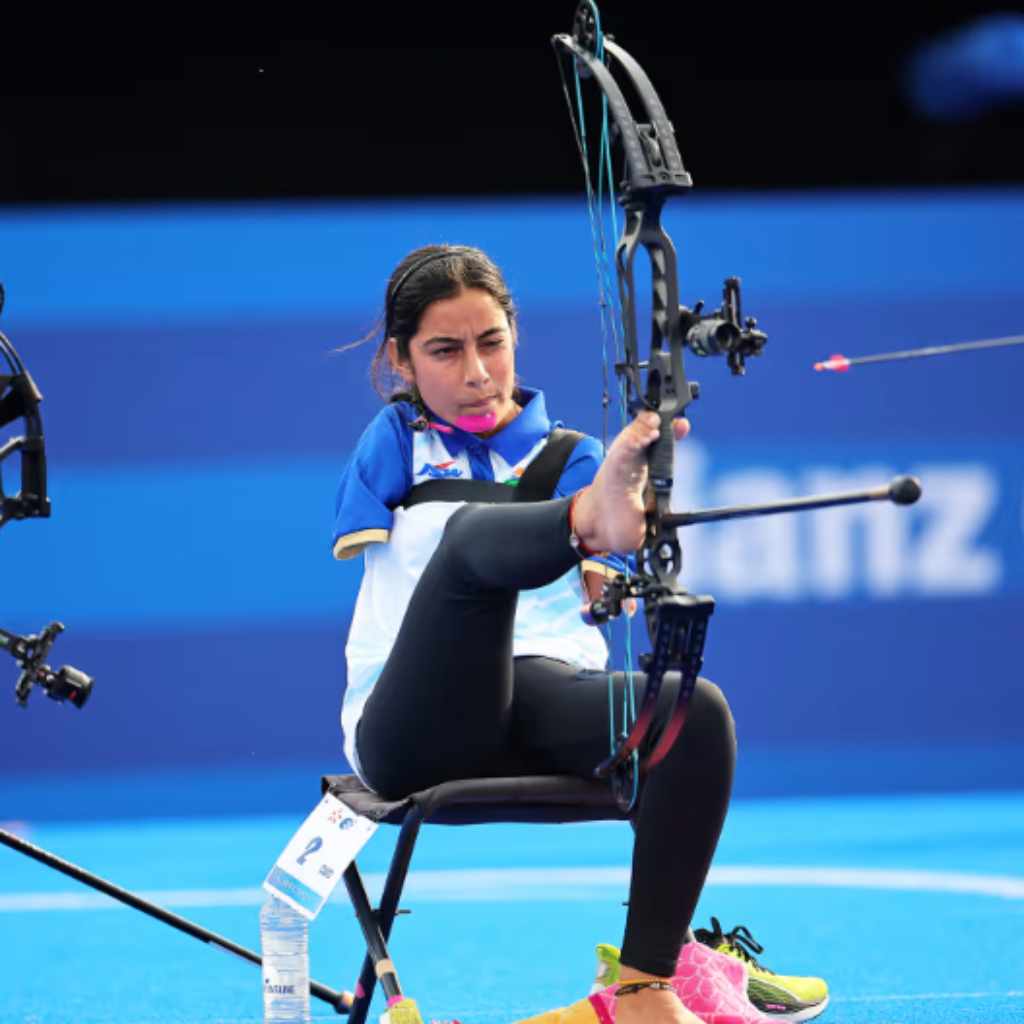
Are Paralympic Archery Targets Closer Than Olympic?
Quick Summary: Paralympic archery targets are set at the same distance as Olympic targets for most standing divisions (70 meters). Wheelchair and seated archers often shoot from shorter, specific distances based on their classification to ensure fair competition and focus on their specialized skill.
Are The Paralympic Archery Targets Closer Than The Olympics? A Beginner’s Guide
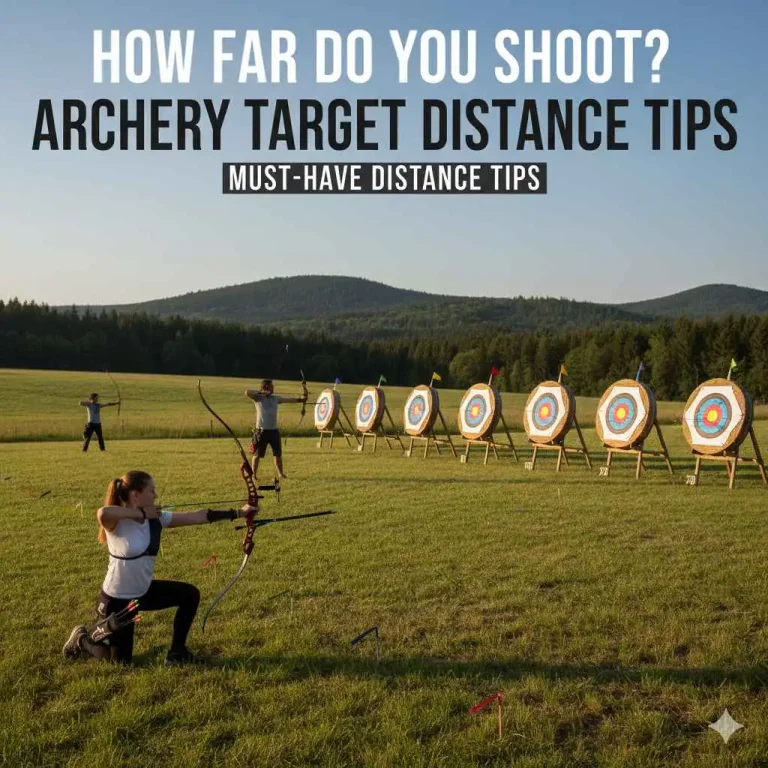
Welcome to the range! If you are new to archery, or just starting to watch competitive shooting, you might wonder about the setups for different athletes. It is very common to ask: are the Paralympic archery targets closer? The answer actually depends on the event and the athlete’s classification. Understanding this helps us appreciate the incredible skill involved in every shot. Don’t worry about confusing rules; we will break down these distances simply. We are here to make sure you understand exactly how far the lines are drawn for these amazing archers. Let’s explore the distances that define Paralympic success today.
Understanding Archery Distances: Olympic vs. Paralympic Standards
When you look at sports on television, the distances can seem tricky to track. For most beginners, knowing the standard target range is the most important first step. In competitive target archery, which includes both the Olympics and many Paralympic events, the distance is fixed to promote consistency across the globe.
The Standard Olympic Distance
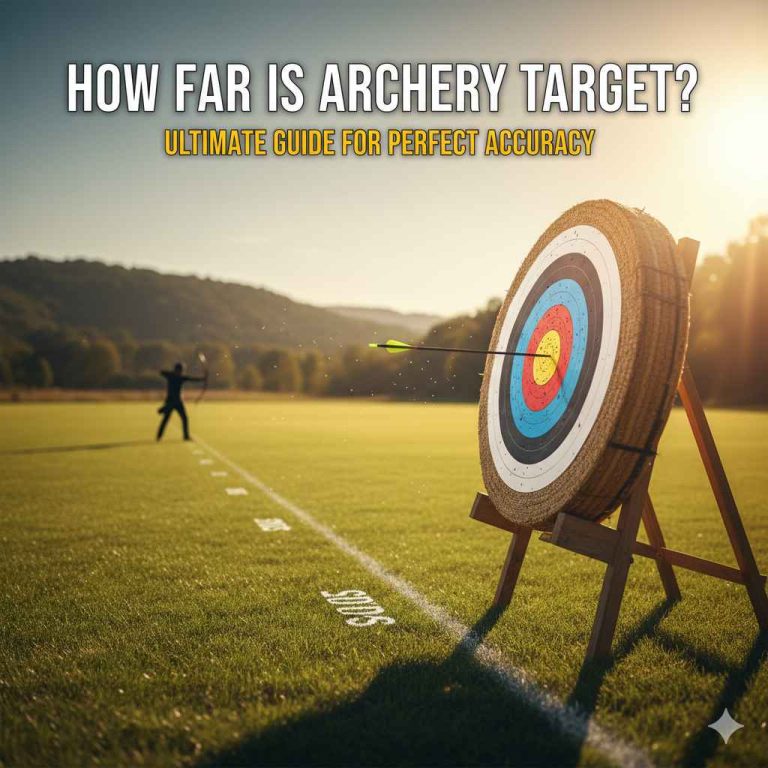
For able-bodied archers competing in the Olympic Games (Recurve and Compound disciplines), the standard target distance is very specific: 70 meters (about 76.6 yards). This distance has remained the global benchmark for high-level outdoor target archery for years.
The Paralympic Setup: It’s Not Always Shorter
This is where things get interesting. Many people assume that if an athlete is using a wheelchair or has a physical impairment, the target must automatically move closer. However, this is generally not the case for all events. The rules are designed to test the archers’ skill at the same level as their Olympic counterparts whenever possible.
The key determinant is the athlete’s classification, not just whether they are competing in the Paralympic Games.
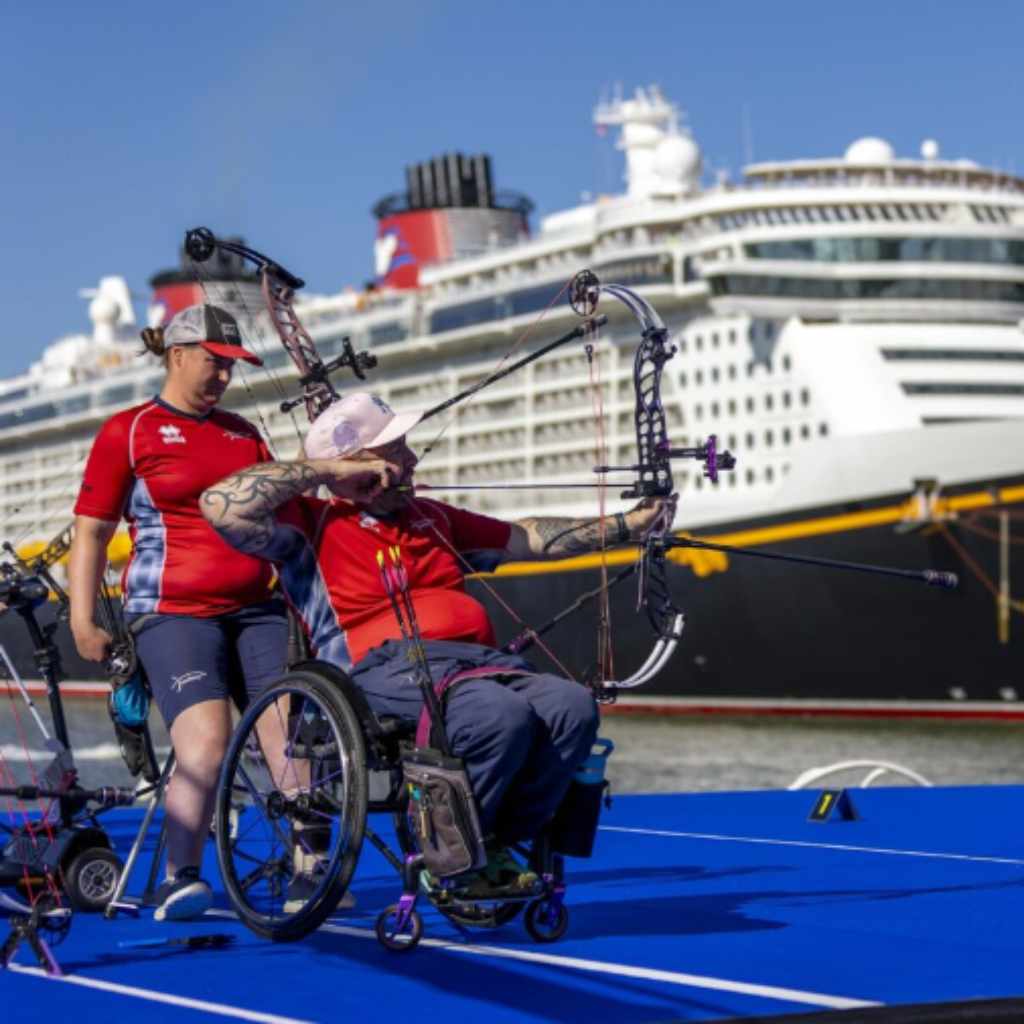
Paralympic Archery Classifications Explained Simply
The International Paralympic Committee (IPC) uses a detailed classification system to group athletes based on how their impairment affects their ability to perform the sport. This ensures fair competition. For archery, these impact how an athlete shoots stationary, kneeling, or from a wheelchair.
Open vs. Integrated Events
In Paralympic archery, athletes compete in specific classes:
1. Open Class (Recurve/Compound): Athletes in this class shoot standing, just like Olympic archers.
2. Wheelchair Class (Recurve/Compound): Athletes shoot seated in a wheelchair.
3. // W1 Class (Recurve/Compound): Athletes who have a more significant impairment, often affecting both arm and leg function, and use specialized equipment or seating setups.
The rules adjust the distance based on what the competition aims to measure—pure skill at a set distance, or skill adapted to a seated position.
Target Distances in Paralympic Archery: The Proven Facts
Here is the crucial takeaway regarding the question: are the Paralympic archery targets closer?
| Archery Discipline/Classification | Standard Distance (Meters) | Approximate Yards | Shooting Position |
|---|---|---|---|
| Olympic Standard (Recurve/Compound) | 70 meters | 76.6 yards | Standing |
| Paralympic Open Class (Standing) | 70 meters | 76.6 yards | Standing |
| Paralympic Recurve/Compound (Wheelchair/Seated) | 70 meters | 76.6 yards | Seated/Wheelchair |
| Paralympic W1 Class (Recurve/Compound) | 50 meters | 54.7 yards | Seated/Minimal support use |
As the table clearly shows, the answer is often no. For the standing Paralympic divisions (Open Class), the distance matches the Olympic standard of 70 meters.
The main difference occurs in the W1 classification, where the target is brought in to 50 meters. This adjustment recognizes the higher degree of physical challenge faced by these athletes, allowing them to focus on the fine motor control required for aiming, rather than compensating for extreme range with very specialized equipment aids.
Why 70 Meters is Maintained
Maintaining the 70-meter distance for the standing and most wheelchair classes proves a vital point: Paralympic archers are competing at the same perceived difficulty level as their Olympic counterparts on the target face. They are demonstrating world-class precision across the exact same challenging distance.
Equipment Differences That Don’t Involve Distance
While the distance might be the same, the equipment used by archers with disabilities might look different. This is not about making the shot easier; it is about enabling the athlete to perform the shot safely and consistently.
Risers and Stabilizers
Archers in wheelchairs or seated positions might use highly customized seating or supports. However, the bow specifications (draw weight, arrow spine) must still adhere to strict World Archery rules as much as possible.
Release Aids and Anchoring
One area where adaptations are more common relates to how the string is released. Archers who have difficulty using fingers often use mechanical release aids. In para-archery, specialized mounting systems or unique ways of anchoring the bowstring might be used if an impairment prevents a standard chin or jaw anchor point. This ensures consistency without compromising the required skill of aiming.
To learn more about the official target faces and scoring rings used in international competitions, you can check the detailed regulations provided by World Archery (the international governing body for the sport). They govern both Olympic and Paralympic rules closely.
Setting Up Your Practice Range for Success
As a beginner, you don’t need to worry about 70 meters yet! But understanding these professional distances gives you great goals for the future. Whether you shoot recurve or compound, starting close and moving back slowly is the best way to build muscle memory safely.
Recommended Practice Distances for Beginners
Forget the 70 meters for now. Your goal should be hitting the center consistently when you can barely feel muscle fatigue.
Here is a simple pathway to building your range skills:
- Phase 1: Close Control (5–10 Yards/Meters): This is your foundation. Focus only on form. Can you repeat your stance, anchor, and release exactly the same way ten times in a row? Don’t worry about the score.
- Phase 2: Grouping (15–20 Yards/Meters): Once your form feels automatic, move out slightly. Now, try to place five arrows touching each other in the center. This step teaches you sight adjustments.
- Phase 3: Distance Introduction (30 Yards/Meters): This is a challenging but great next step for most recreational archers. At this range, wind and slight form errors start to show up.
- Phase 4: Advanced Goal (50+ Yards/Meters): If you are shooting competitive compound or recurve bows, 50 meters is a great personal milestone before tackling the full 70 meters.
Safety Check: Target Distance and Backstops
Remember, the first rule of archery is safety. Always ensure that the distance you are shooting at is appropriate for your equipment and that you have a safe backstop (like an approved target butt that can stop your arrows) before you begin shooting. Never shoot at a target you cannot confidently stop.
Why Distance Matters for Skill Assessment
Why do the elite divisions stick to meters that seem so far away? It comes down to precision under pressure.
Archery targets are standard sizes. The gold center (the X-ring) is very small—only 12.2 cm in diameter at 70 meters!
When you shoot at 70 meters, tiny errors in alignment translate to large misses on the target face. The target essentially magnifies your mistakes. By setting the distance the same for standing and many seated archers, officials ensure that victory goes to the athlete with the best repeatable aiming process, regardless of how they physically anchor the bow.
The Challenge of the W1 Class at 50 Meters
For the W1 class utilizing the 50-meter distance, the goal is to level the playing field. These athletes often use adaptive shooting frames or have very limited upper-body mobility. Shooting at 70 meters might require equipment aids (like specialized magnifying scopes or massive draw weight reduction) that could shift the focus away from pure archery skill. By moving to 50 meters, they test high-level precision over a distance where their specific physical adaptation still demands extreme focus and consistency.
Equipment Considerations for Different Shooting Styles
If you are interested in Para-Archery and have questions about your own equipment setup, you should know that governing bodies are very clear about what is allowed. Consistency in equipment keeps the focus on the athlete’s ability.
For example, the World Archery rulebook details very specific limits on how bows can be modified. You can find comprehensive guides on equipment specifications on official sporting organization websites, which detail everything from bow length to the size of the string used. This adherence ensures that when you see an archer hit the gold at 70 meters, you know they achieved it within the same framework as every other competitor in that class.
For instance, if looking at the technical specifications for competition gear, reference to organizations like the National Archery in the Schools Program (NASP) for general beginner tips, or look up World Archery Technical Rules for high-level specifics, provides a clear picture of standardization.
Recurve vs. Compound in Para-Archery
Both bow types are used in the Paralympics, and they follow different international rules regarding sight systems.
Recurve Bows
- Must use a simple single-pin mechanical sight.
- Vision is crucial, as the sight must be free of magnification aids beyond the standard target lens rule.
- This is usually the choice for standing archers or those who can maintain good upper body control.
Compound Bows
- Allowed to use magnifying scopes (peep sights and scope magnification).
- These sights help archers compensate for minor parallax errors at long distances.
- Compound archers typically use a mechanical release to draw the string, which is a highly consistent method.
In both cases, the challenge level is set primarily by the distance and the requirement for perfect shot execution, not by reduced range.
Drills to Improve Your Precision, No Matter the Distance
Whether you are aiming for 10 meters or 70 meters, improving your shot process is what yields results. Here are three essential drills that transfer between all levels of archery.
Drill 1: The Blank Bale Anchor Check
This drill completely removes aiming frustration and focuses purely on form.
1. Move so close to your target (a blank face, no target rings!) that you cannot miss the boss (the target butt). This might be 3 to 5 meters away.
2. Draw your bow, set your anchor point, and hold.
3. Without looking at the target, simply execute your release.
4. The Goal: Focus only on feeling that your stance, anchor, and follow-through are identical every single time. If your anchor point shifts even slightly, you will notice the arrow flies differently; correct it immediately.
Drill 2: The Grouping Challenge
This drill tests your ability to keep your aiming errors the same.
1. Move to your comfortable practice distance (Start at 15 meters).
2. Shoot 5 to 10 arrows, focusing intensely on your sight placement for each one.
3. The Goal: Look at the resulting group. Are all the arrows clumped together, even if they missed the gold? If the group is spread wide, your form is inconsistent. If the group is tight but off-center, your sight needs adjustment.
Drill 3: The Shot Cycle Hold
Para-archers, especially those with physical limitations, must master the timing of their shot cycle. Beginners need this control too.
1. Draw the bow to your full anchor point.
2. Hold steady for a count of five seconds.
3. Execute your release smoothly.
4. The Goal: This builds the necessary back tension and focus required to hold steady while aiming, which is crucial when you finally move out to 70 meters where the target appears much smaller.
Dispelling Myths About Para-Archery Distances
It is easy to create misconceptions when watching sports you don’t fully understand. Let’s clarify a few common myths about distances in Paralympic archery.
Myth 1: All Para-Archery Targets Are Shorter
As we have proven, this is false. The 70-meter distance is the standard for the majority of classifications, including standing and many wheelchair events. Shortening the distance is the exception, not the rule.
Myth 2: Shorter Distances Mean Less Skill is Required
Competitors in the W1 class shooting at 50 meters are not showing less skill; they are demonstrating incredible mastery within a physically demanding context. A 50-meter shot for a W1 archer often requires more physical precision and adaptation than a 70-meter shot for a standing archer might require due to the nature of their impairment.
Myth 3: Paralympic Archers Use Cheaper/Less Precise Equipment
Paralympic equipment is often incredibly specialized and expensive. Every piece is fine-tuned to allow the athlete to perform within the strict ruleset established by World Archery. Precision is paramount at any distance.
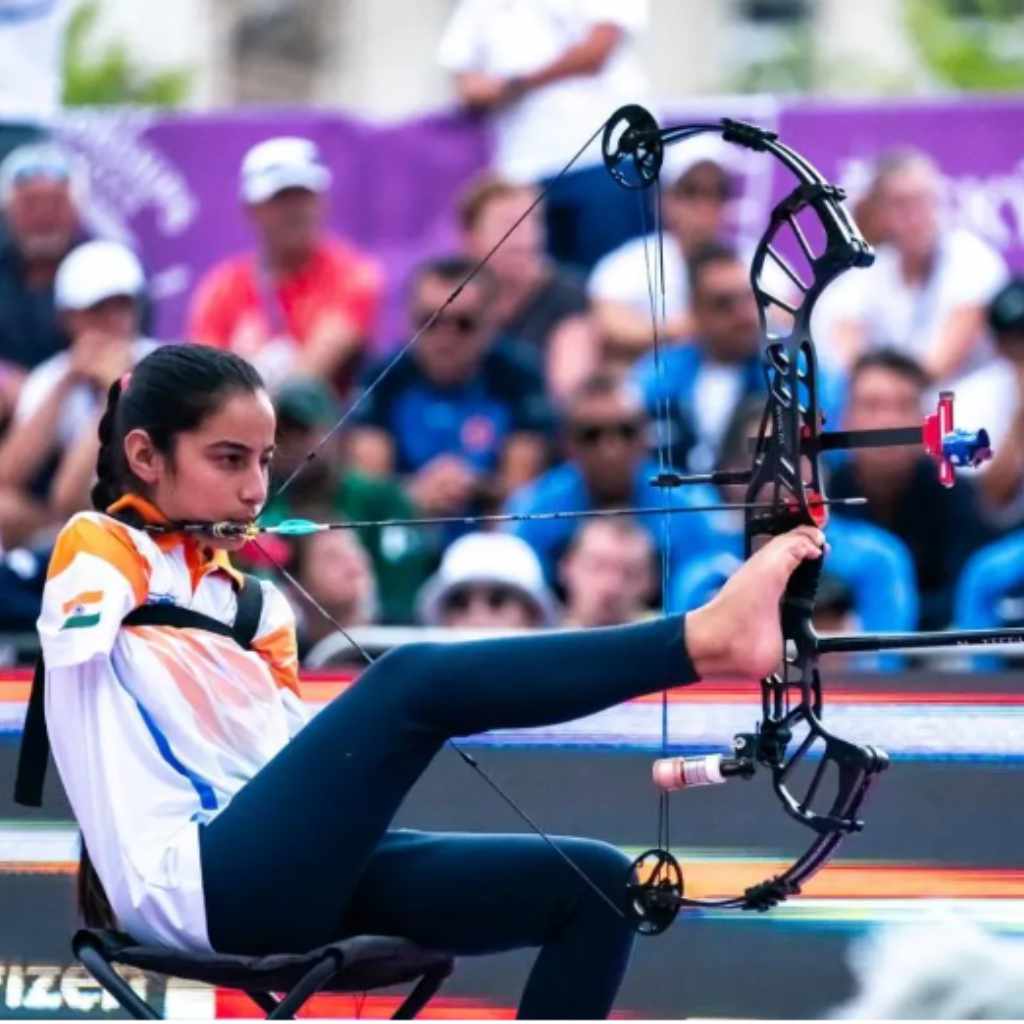
Conclusion: Celebrating Skill at Every Range
So, are the Paralympic archery targets closer? For most events, definitively no—they mirror the challenging 70-meter Olympic standard. Where adjustments are made, such as the 50-meter distance for the W1 class, these changes are carefully calculated to ensure fair competition that highlights the athlete’s unique archery skill set, not their impairment level.
As you continue your own archery journey, remember that whether you are shooting at 10 yards or 70 meters, the real secret to hitting the gold is refining your personal shot process. Focus on form, practice those key holds, and enjoy the challenge that archery brings! Keep practicing safely, and perhaps one day you’ll be aiming for those international standards too.
Frequently Asked Questions (FAQ) for Beginners
Q1: What is the actual target face size for a 70-meter Paralympic competition?
The target face size used for the 70-meter events (Olympic style) is the standard 122 cm diameter face. The gold scoring area (the 10-ring, including the X-ring) measures 12.2 cm across.
Q2: Do Compound archers shoot at the same distance as Recurve archers in the Paralympics?
Yes, in the same classification (e.g., Open Class or Wheelchair classes), both Recurve and Compound archers shoot from the exact same distance, which is usually 70 meters.
Q3: How does the 50-meter W1 distance compare in difficulty to the 70-meter distance?
While 50 meters is physically closer, the W1 classification requires archers to perform highly complex tasks with limited physical movement. The difficulty lies in achieving absolute consistency despite significant physical challenges, making it a skill assessment equal to the challenge of distance for others.
Q4: Are the 10-ring sizes different between Olympic and Paralympic targets?
No. If the distance is the same (70 meters), the target face, including the size of the 10-ring, is identical according to World Archery rules, ensuring a level playing field for precision.
Q5: Can a standing Paralympic archer use a magnifying scope on their sight?
No. Similar to the Olympics, standing Paralympic archers (Open Class) must use standardized single-pin sights without magnification aids, focusing on natural vision alignment.
Q6: What is the closest target distance used in professional target archery?
The closest standard distance used in elite international target archery is 50 meters, specifically for the W1 classification in the Paralympic Games, as described above.