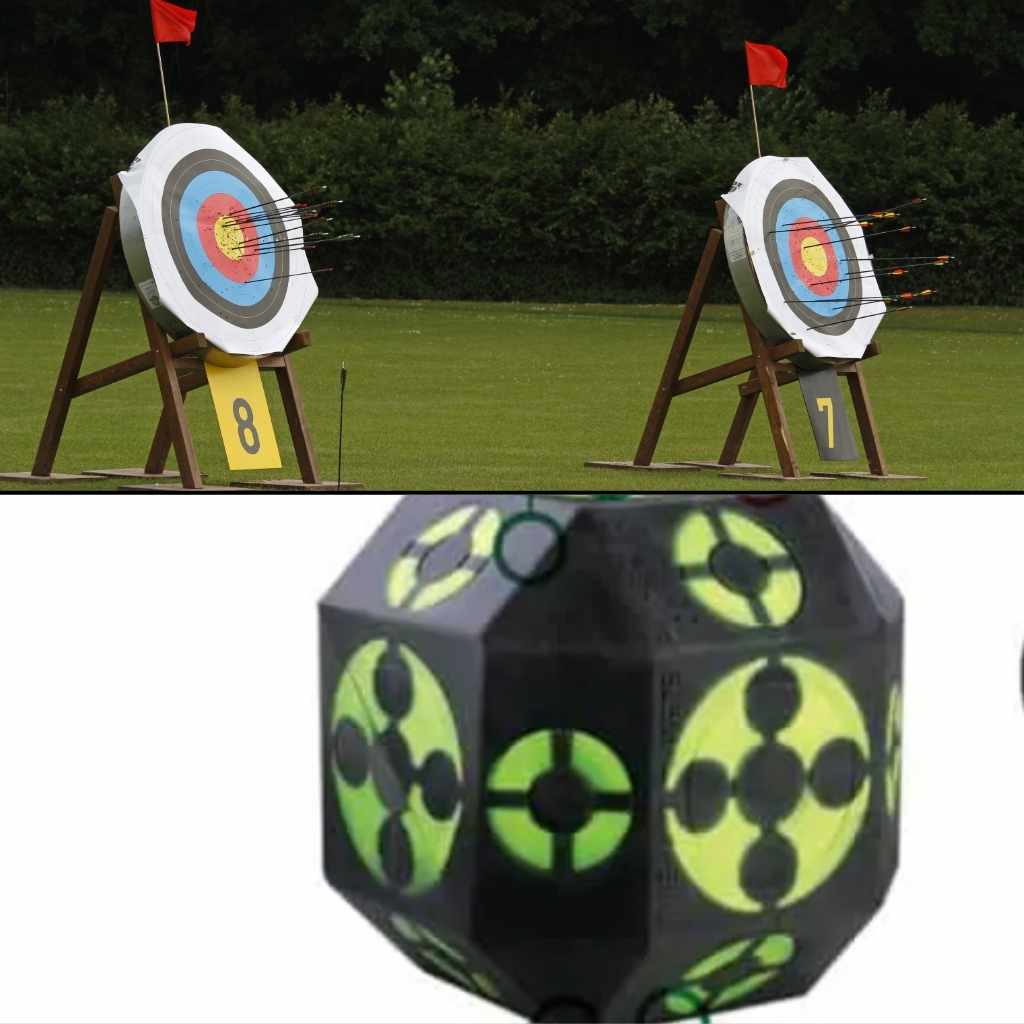
Bag Vs Block Archery Target: Proven Best Choice
Bag vs Block Archery Target: For beginners, the layered, self-healing BALE/BLOCK target is often the best starting choice for easy arrow stopping and longevity. However, the BAG target excels in portability and multi-shot stopping.

Morrell
Morrell Yellow Jacket Stinger Archery Bag Target…
- Field Point Target Bag: Morrell Yellow Jacket Stinger measures 20 inches long, 12 inches wide, and 20 inches tall for backyard pra…
- Easy Arrow Removal: Arrows pull out smoothly, so you spend more time shooting and less time wrestling shafts from the target, whet…
- Two Shooting Sides: Two shooting sides and 10 bullseyes give you multiple zones to work on accuracy, form, and grouping as you get…
As an Amazon Associate I earn from qualifying purchases.
For a related target setup, Bag Vs Foam Archery Target: Essential Showdown gives readers another practical build or practice option.
For a closely related bow or archery topic, What Channel Is Olympic Archery On: Essential gives readers a useful next step.
For a related target setup, How Points in Archery Target – to Effortless Scoring gives readers another practical build or practice option.
For a related target setup, How Far Do You Shoot From Archery Target: Must-Have gives readers another practical build or practice option.
For a related target setup, How High Is Archery Target? Must-Have Tips for Accuracy gives readers another practical build or practice option.
For a closely related bow or archery topic, How Tall Should an Archery Backstop Be? gives readers a useful next step.
Welcome, new archer! Choosing your very first target can feel like a big decision. Will your arrows stop safely? Will the target last long enough for you to practice? It is easy to get confused when looking at the two main types: the soft Bag Target and the rigid Block Target. These choices are incredibly important because they affect your practice time, how often you replace equipment, and most importantly, your safety. Don’t worry about the technical differences right now. I’m Salman, and I’m here to break down exactly what you need to know. We will compare them side-by-side, look at what materials they use, and help you confidently pick the proven best choice for your shooting style today.
Bag Vs Block Archery Target: Understanding the Basics
When you look at archery targets, you will almost always see two major styles: the bag or the block. Both do the same essential job—stop your arrow safely—but they do it in very different ways. Think of it like choosing between a thick cushion (the bag) and a dense stack of cardboard (the block). Understanding the simple structure of each one is the first step to making a smart buy.
What Exactly is an Archery Bag Target?
A bag target is just what it sounds like: a tough, heavy-duty fabric shell filled with loose, compressed material.
The Anatomy of a Bag Target
The goal of a bag target is simple: absorb the energy of the arrow slowly.
- Outer Shell: Usually made from very tough, UV-resistant vinyl or canvas. This part holds everything together.
- The Stuffing (The Fill): This is the secret sauce! Most modern bag targets are filled with either field-dress material (like shredded poly material, often layered woven strips) or highly compressed cloth scraps.
- Stopping Power: Arrows slide between these loose fibers. The friction slows the arrow down until it stops completely.
Bag targets are known for being very forgiving on your arrows. Since the material gives way easily, the tips and shafts usually come out clean without much damage. This is great for archers using lighter bows (like beginners or youth setups).
What Exactly is an Archery Block Target?
A block target looks more like a solid brick or cube. It is built for endurance and offers a very firm stopping experience.
The Anatomy of a Block Target
Block targets are engineered using many layers of material stacked tightly together.
- Layered Material: The key feature is the tight, stacked layers of polyethylene foam, woven polypropylene, or specialized synthetic fabrics. These layers are often stacked horizontally or vertically.
- High Compression: The materials are pressed together with extreme force, creating a dense surface.
- Stopping Power: Instead of weaving around loose material, the arrow must force its way through these tight layers, which quickly transfers the kinetic energy.
Because the surface is so dense and rigid, block targets are often preferred by shooters using high-poundage bows (like those often used for bowhunting practice) because they provide consistent resistance. They are also easier to score on due to their flat, stable surface.
Bag Vs Block Archery Target: The Head-to-Head Comparison
To truly find the “best choice,” we need to see how they perform in the key areas that matter most to a practicing archer: stopping power, field-point longevity, and ease of use.
Stopping Power and Arrow Removal
This is arguably the most crucial factor. How easily does the arrow go in, and how hard is it to pull out?
With a bag target, the arrow slides in smoothly. Pulling the arrow out feels easy, often requiring just a slight wiggle. On the downside, if the bag gets too worn or if you are shooting very powerful bows, the arrow might pass right through the center (this means the bag needs to be turned or replaced).
With a block target, stopping is very firm, especially when new. You feel a solid thud. Arrow removal can sometimes be tougher, especially if you are shooting higher poundage bows or broadheads (though beginners should stick to field points). You often have to twist the arrow slightly as you pull it out to break the friction seal.
Durability and Lifespan
How long until you need to buy a new one?
Bag targets wear out by getting soft in the middle. Once most of your shots land in the same spot, the material compresses permanently, and you’ll start losing stopping power there. You prolong the life by rotating the bag frequently (to a new face or side).
Block targets wear out by the layers separating or by the face becoming too damaged to accept clean arrow entry. However, many high-quality block targets are designed to be “self-healing” on the outer layer, and you can often stop shooting on one side and flip the block to a new side, extending the life significantly.
Portability and Setup
How easy is it to move your target to the range or backyard?
Bag targets win easily on portability. They are generally lighter and often have handles sewn into the top. You can toss them in the trunk, set them down, and start shooting immediately. They are great for casual backyard practice.
Block targets are very dense and heavy due to the compressed layers. While they are stable, moving a large block target around frequently can be a workout.
Cost and Value
Generally, the price range is similar depending on brand and size, but the value proposition differs based on lifespan. A cheap bag that needs frequent replacement might cost you more in the long run than a slightly pricier, high-density block that lasts three times as long.
Quick Comparison Table: Bag vs. Block
Here is a fast summary to help you decide based on your priorities:
| Feature | Bag Target | Block Target |
|---|---|---|
| Best For | Casual, light practice; portability. | Consistent, high-volume, or high-poundage practice. |
| Arrow Removal | Very easy. | Firm to difficult, can require twisting. |
| Longevity Strategy | Requires constant rotation of faces/sides. | Flip to new side once one face is worn. |
| Best Field Point Life | Excellent; less wear on tips/fletchings. | Good, but very dense material can wear shafts faster. |
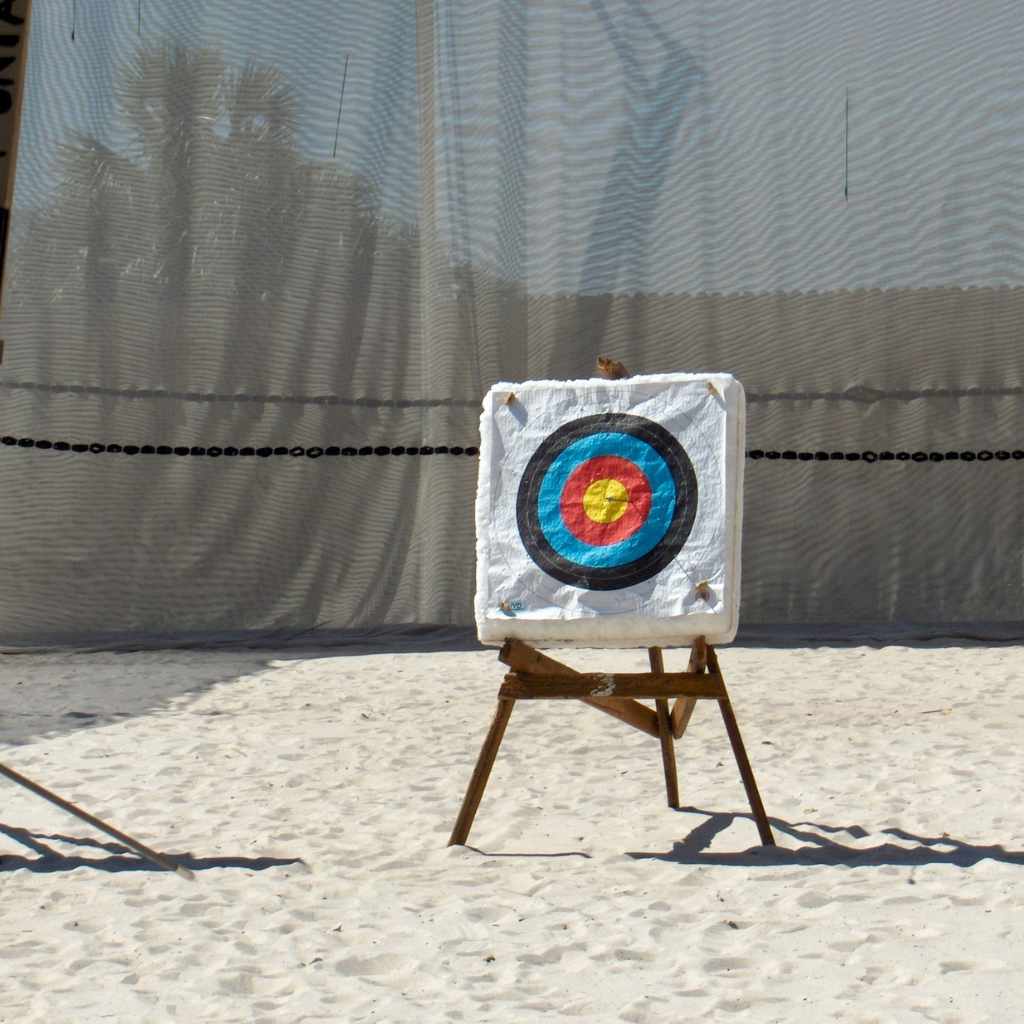
The Verdict: Proven Best Choice for Beginners
If you are just starting out with archery—maybe you just bought your first recurve or lightweight compound bow—the Block Target often presents the most proven, reliable, and beginner-friendly choice, provided you choose a model specifically designed for easy arrow removal (often called “self-healing” layered foam blocks).
Why? Because consistency builds confidence.
1. Predictable Stops: A new block gives you a solid, consistent stopping force, which helps you focus on form, not worry about an arrow punching clear through.
2. Durability: Beginners often miss the center area frequently. A block target, with its ability to be flipped or rotated frequently, handles inconsistent shooting better over the long term than a highly concentrated hot spot on a bag.
3. Scoring Visibility: Block targets often have printed aiming dots on their flat faces, making it easy to see where you hit instantly.
However, if your main priority is portability or you are shooting a very low-poundage bow (like a youth bow), the Bag Target is an excellent runner-up.
Deep Dive: Choosing the Right Material for Your Draw Weight
The “best” choice is heavily dependent on the power of your bow, measured in draw weight (pounds). A target that works perfectly for a 20 lb youth bow might be shredded instantly by a 55 lb hunting setup.
Target Recommendation Based on Draw Weight
- Beginner/Youth (Under 30 lbs): Both bag and block targets work well. A high-quality woven bag offers the easiest arrow removal, which is fantastic for building initial confidence.
- Intermediate (30 lbs to 45 lbs): This is where the layered Block Target really shines. Its density provides the firm resistance needed to stop arrows effectively without sacrificing too much arrow life. Look for a multi-sided block that explicitly states it handles up to 45 lbs.
- Advanced/Hunting Practice (45 lbs and up): You absolutely need a high-density, specifically engineered material. For field points, many serious archers move to a dedicated “bag-in-a-frame” or a very high-end, compressed cube block, sometimes even specialized layered foam targets that stop hunting arrows without requiring a separate target butt behind them.
A key resource for understanding how your equipment interacts with targets is maintaining safe shooting distances. Organizations like the National Archery in the Schools Program (NASP) emphasize safe target selection based on equipment specifications. Always check the manufacturer’s recommendations for maximum draw weight. You can learn more about safe shooting practices from established safety guidelines.
Optimizing Your Bag or Block Target for Maximum Life
No matter which style you choose, you want it to last as long as possible! A target that lasts longer means more time shooting and less money spent replacing gear.
Tips for Extending Bag Target Life
Bag targets usually require more active maintenance to keep them functional:
- Rotate Constantly: If you shoot the exact center every time, the bag is doomed in a week. Always shoot the top half, then the bottom half, then the left or right side. Once one side is heavily used, flip the entire bag over.
- Keep it Dry: Exposure to constant sun and rain will break down the outer fabric and warp the inner material, leading to soft spots. Store it in a garage or shed when not in use.
- Avoid Broadheads: Never shoot broadheads (hunting tips) into a bag target unless the manufacturer explicitly states it is a broadhead target. Broadheads will rip the internal fabric and ruin the bag quickly.
Tips for Extending Block Target Life
Block targets are generally hardier, but they still need care to maintain their solid stopping power:
- Shoot a Clean Face: Always use clean field points. Dirt, mud, or metal shavings stuck on your tip will act like sandpaper and shred the foam layers faster.
- Rotate Faces: Most good blocks have 3 or 4 distinct faces. Use one face until it loses consistent stopping power or is visually shredded, then flip or rotate to the next unused face.
- Use Only Field Points: Just like bags, broadheads are usually off-limits unless the block is specifically labeled for them, as they tear the foam structure apart on exit.
The Role of Target Backing (Safety First!)
This is the most critical safety lesson for any beginner archer: No target is 100% fail-safe.
Whether you choose a bag or a block, you must set it up correctly to stop any arrow that might miss the intended target face. This is called “backstop safety.”
Essential Backstop Materials
You need something behind your primary target that is designed to catch arrows that fly through the primary target material—which they will do eventually, especially as the target wears down.
- Layered Material: The best safety backing is using another, older, softer target slightly behind your main one.
- Sandbags or Dirt Mound (If Outdoors): A large, dense pile of loose dirt or sand is excellent for absorbing an errant shot. Do not aim near concrete or wood fences when practicing outdoors.
- Commercial Backstops: You can purchase specialized, large mats or netting designed to stop arrows. These are common for competitive ranges but can be expensive for backyard use.
When setting up, ensure you have a minimum of 5 to 10 feet of safe, empty, soft material behind your target. Even the best block target can be defeated by a lucky or glancing shot, so safety backing is non-negotiable.

FAQ: Beginner Archery Target Questions Answered
Here are the common questions I hear from archers just starting their journey.
Q1: Can I use broadheads on a bag target?
A: Generally, no. Standard bag targets should only be used with field points. Broadheads (hunting tips) tear through the internal material, causing massive internal damage and ruining the target very quickly. Some specialty bags are made for broadheads, but they are much more expensive.
Q2: Are block targets harder on my arrows than bag targets?
A: Sometimes, yes. Because block targets are so dense and solid, they create more friction when the shaft exits. This can sometimes lead to slightly premature wear on the shaft or fletchings compared to the softer, yielding material of a bag. However, modern layered blocks are engineered to minimize this.
Q3: How often should I shoot my target to keep it “fresh”?
A: For both types, the key is rotation. If you shoot 50 arrows into the exact same spot on a block face, that spot is “dead.” You must rotate to a new, unused face or side before the previous spot starts failing to stop impacts consistently. This might mean rotating after every practice session.
Q4: What is the difference between woven and layered bag targets?
A: Woven bags use tightly woven strips of fabric that the arrow must pass between. Layered bags often use compressed, non-woven textiles. Layered bags tend to stop better at higher speeds, while woven bags often have easier arrow removal.
Q5: Do I need a target if I am shooting foam-tipped practice arrows?
A: Yes, absolutely! While foam tips are lighter and safer than traditional field points, they still contain energy. They need a dedicated target material—like a bag or block—to absorb the impact safely. Never shoot foam tips at walls or hard surfaces.
Q6: Can I make my own DIY target for a recurve?
A: Yes, many beginners start with DIY targets made from stacking old carpets, rugs, or cardboard boxes. These are very cheap but require constant checking for safety and rarely provide the consistent stopping power of a commercial block or bag, especially as draw weight increases.
Q7: Which target is better for learning how to score (target acquisition)?
A: The Block Target is usually superior here. Its flat, rigid surface makes it easier to see exactly where your arrow landed, helping you immediately correlate your sight picture with the result on the target face.
Making Your Final Decision: Focus Forward
Understanding the bag vs block Archery Target debate is mostly about balancing friction (stopping power) against ease of use (arrow removal).
As your trusted guide, Salman, I encourage you to focus on what supports your current learning goals:
If you are focused on consistent aiming practice and using medium-to-heavy draw weights, the Block Target provides the reliable structure you need. Flip it, rotate it, and enjoy the solid feedback it gives you shot after shot.
If you are focused on casual practice, maximum portability, and want the absolute easiest arrow pull possible, the Bag Target is your friend.
Remember, the best target is the one that gets used safely and consistently. Both options, when used correctly with proper backstops, will help you develop excellent form. Invest in good quality—avoid the cheapest option—and you will find that either choice will significantly improve your skills faster than anything else you can buy for your bow!
Related pick: Check today's price on Amazon