Bag Vs Foam Archery Target: Essential Showdown
Bag vs foam archery targets offer different stopping powers and repair options. Bag targets are typically better for consistent stopping (especially with higher pound bows) and easy field repair, while foam cores excel at stopping very high-speed arrows quietly and often last longer if not shot in the same spot constantly. Choosing depends on your bow’s power and your budget.
Highwild
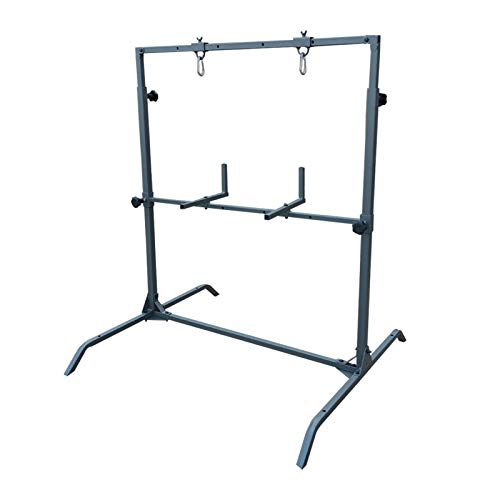
Highwild Archery Target Stand for Bag Targets…
- ▶ ADJUSTABLE top and bottom bars with 4 HANGING POINTS each -- to fit more SIZES and TYPES of Archery Target.
- ▶ CARABINER HOOKS allow easy removal of target, WING BOLTS on them are used to hold target in place.
- ▶ Features a STABILIZER that provides extra support in the back of your target to prevent tipping.
As an Amazon Associate I earn from qualifying purchases.
Welcome to the range! If you’re new to archery, choosing your first target can feel like a big decision. You want something safe that stops your arrows without breaking the bank or requiring constant repairs. Two main types usually catch your eye: the fabric bag target and the solid foam block. Which one is right for you? Don’t worry; it’s a very common question, and we’re going to break down the “bag vs foam archery target” showdown in a way that makes perfect sense.
By the end of this guide, you will know exactly which target matches your practice style, bow weight, and budget. Let’s get your practice sessions safer and more fun!
The Essential Showdown: Bag vs Foam Archery Targets
Selecting the right target is crucial for both the safety of your equipment and the longevity of the target itself. A target that can’t stop your arrow is dangerous. A target that wears out too fast is expensive. We will look closely at the construction, performance, and maintenance of both major options.
Understanding the Bag Target: Soft, Stop, and Simple
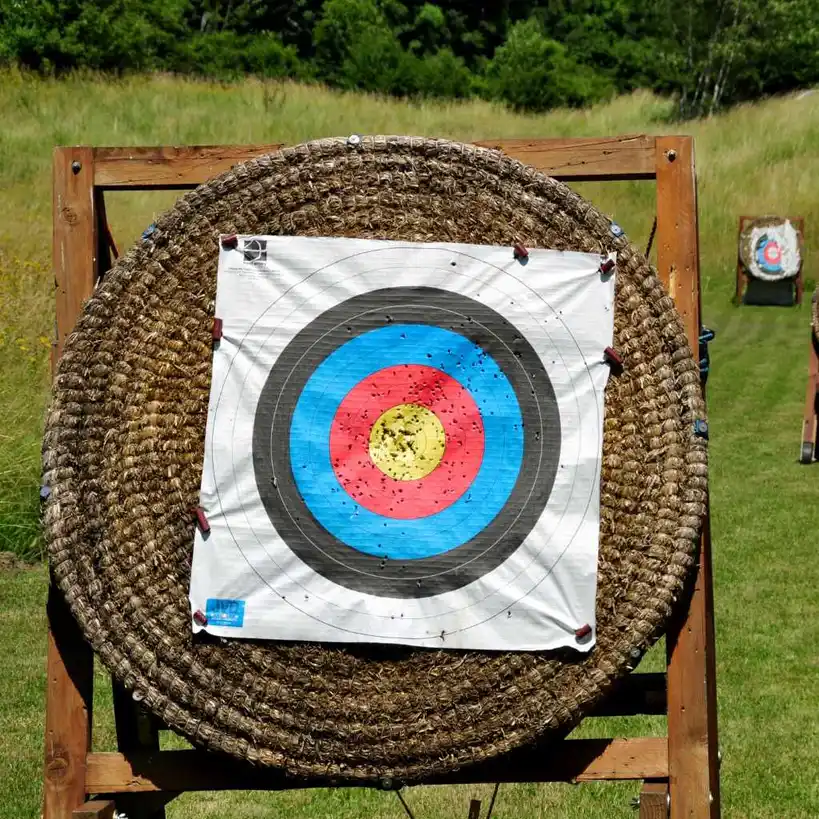
Bag targets look simple: they are heavy fabric bags filled with either layers of shredded, compressed cloth, plastic bags, or specialized padding materials. They are popular because they are relatively light and very easy to move around your practice area.
How Bag Targets Work
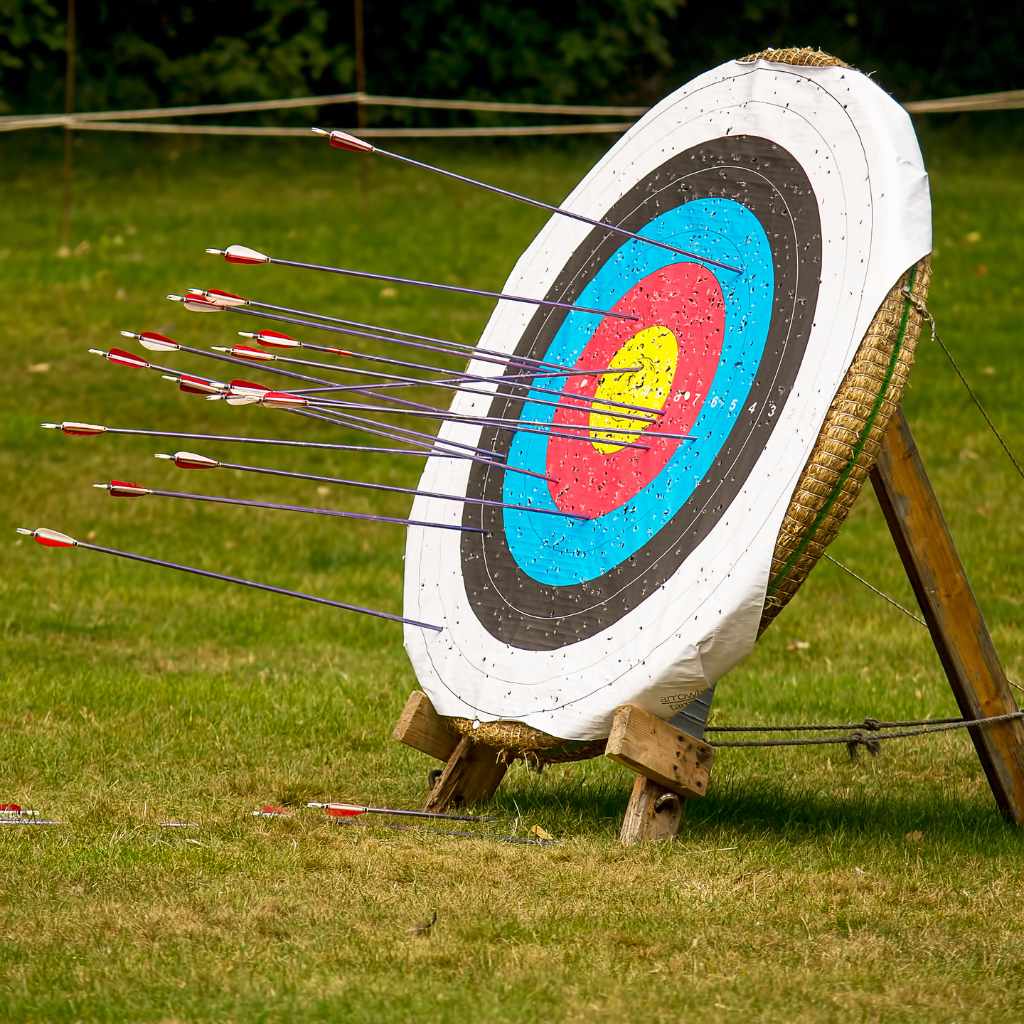
When an arrow hits a bag target, the loose, layered material inside gives way slowly. This friction gradually absorbs the arrow’s kinetic energy, pulling the arrow to a stop without instantly damaging the fletchings (the fins on the back of the arrow).
Pros and Cons of Bag Targets
Here is a quick look at what makes bag targets great, and where they might fall short for some shooters.
- Easy Arrow Removal: This is often cited as the biggest advantage. Arrows slide out with very little effort, which is great for rapid practice sessions.
- Portability: They are generally lighter than large foam blocks, making them perfect for backyard shooting or carrying to the field.
- Good for Shorter Shots: They perform excellently for backyard distances (e.g., 10 to 30 yards).
- Easily Repairable: If the fabric tears, you can often open the bag and replace the internal stuffing yourself, saving money.
- Stopping Power Limits: High-speed, high-poundage bows (like modern compound bows over 60 lbs) can sometimes shoot completely through thinner bag targets if they are not filled densely enough.
- Weather Sensitivity: If the fabric gets wet and stays wet, the internal material can mold or degrade faster than solid foam.
- Fletching Wear: While easier to remove than a dense foam block, the abrasive nature of the internal material can sometimes wear down fletchings over many shots if the target is old or low quality.
Understanding the Foam Target: Dense and Durable
Foam targets come in several styles, but the most common for general practice is the solid block or cube made of closed-cell foam layers compressed tightly together. These are the workhorses of many archery ranges.
How Foam Targets Work
Foam targets stop arrows through extreme compression. The dense material forces the arrow shaft to stop almost instantly. This requires a very strong arrow shaft, especially with high-poundage bows, as the sudden stop can sometimes cause cheaper carbon arrows to crack or splinter if the foam is too hard or the shot is too powerful for the target rating.
Pros and Cons of Foam Targets
Foam targets are known for their durability, but they come with trade-offs, especially for beginners.
- Superior Stopping Power: High-density foam blocks can easily stop the fastest modern compound bows without letting the arrow pass through.
- Longevity (If Used Correctly): If you consistently aim at different spots, a high-quality foam block can last for thousands of shots.
- Quiet Shooting: Foam absorbs impact very quietly compared to the slight ‘thud’ or rustling sound of a bag target.
- Weather Resistance: Most modern foams handle rain and sun much better than fabric bags, provided they aren’t left submerged in water.
- Difficult Arrow Removal: This is the biggest frustration. Arrows stick tight. Removing broadheads (hunting tips) from foam is often extremely difficult and risks damage to the head or the shooter.
- Requires Turning/Rotating: If you shoot the same spot repeatedly, you create a large hole that the arrow will simply pass through next time. This requires you to turn or replace the core frequently.
- Heavier Weight: Large, dense foam blocks can be heavy and cumbersome to move around.
- Cost of Replacement: While the outer sleeve might last, replacing the inner foam core or the entire block can be expensive.
Head-to-Head Comparison: Bag Vs Foam Archery Target
To make this decision easier, let’s compare the two side-by-side based on factors most important to a beginner archer: stopping power, ease of use, and maintenance.
Key Comparison Factors Table
| Feature | Bag Target | Foam Target |
|---|---|---|
| Best For Arrow Speed | Low to Medium Pounds (Recurves, lower compounds) | Medium to High Pounds (Fast compounds) |
| Arrow Removal Ease | Very Easy | Difficult (Requires significant pulling force) |
| Maintenance Needed | Refilling/Repacking inside if shooting out holes. | Constant rotation to avoid deep holes. |
| Durability Outdoors | Moderate (Sensitive to prolonged moisture) | High (If made with UV-resistant material) |
| Broadhead Compatibility | Generally Not Recommended (Can slice fabric) | Acceptable if rated for it, but removal is hard. |
Choosing for Your Bow Type: The Critical Calculation
The most crucial factor in the bag vs foam archery target debate is the strength of your bow. This measurement is called “draw weight” (how much force it takes to pull the string back to full draw). Beginners often start low, but if you plan on shooting a powerful compound bow, target choice matters immensely for safety.
1. For Beginners with Recurves or Traditional Bows (Under 40 lbs)
If you are shooting a simple wooden or fiberglass recurve bow, or a traditional longbow, your arrow speed is relatively low. You have the most flexibility here.
Recommendation: A high-quality, medium-density bag target is often the best starting point. It allows for easy arrow removal, which builds confidence quickly, letting you get hundreds of shots off in an afternoon without fighting to retrieve arrows.
2. For Intermediate Archers with Compound Bows (40–60 lbs)
This is where things get tricky. Many modern, lighter-compound bows can push 300 feet per second (fps). A standard, lightweight bag target might not stop these arrows completely, risking damage to your backstop or surrounding environment. A standard foam block starts to become a better option.
Safety Note: Always check the manufacturer’s recommended maximum speed rating for any target. For instance, organizations like the National Archery in the Schools Program (NASP) often have strict guidelines for target durability to ensure safety during high-volume training.
3. For Experienced or Hunting Archers (Over 60 lbs, or using Broadheads)
If you are practicing with hunting weight bows or using broadheads (which have cutting edges), you absolutely must use a target specifically designed for that purpose. Bag targets are generally a no-go for broadheads as they will shred the exterior fabric instantly. Dense foam or layered mat targets (which are a specialized, very dense form of foam) are necessary.
Actionable Tip: If you plan to shoot broadheads, look only at layered foam targets rated for FPS above 350, or specialized layered foam ‘dot’ targets known for accepting broadheads safely.
Practical Usage Deep Dive: How to Maximize Your Target’s Life
Whether you choose bag or foam, how you use it directly determines how much money you save over time. A target is an investment; treat it right!
Maximizing Your Bag Target’s Life
The enemy of the bag target is repetitive shooting in the same spot. Always strive for variety.
- The “Grid” System: Imagine your target as a tic-tac-toe board. Aim for one square at a time. After you’ve filled all nine squares, turn the bag 90 degrees and start a new grid on the opposite side.
- Check for Sagging: Over time, the internal stuffing settles, creating low spots that are easy to hit. Pick up the bag and shake it vigorously every 50-100 shots to redistribute the padding evenly.
- Keep it Dry: Never leave your bag target out in heavy, continuous rain. If it gets soaked, bring it under cover or indoors (in a well-ventilated area) to dry completely before shooting it again.
Maximizing Your Foam Target’s Life
Foam targets need discipline. The harder you shoot into the same dent, the faster that area becomes weak and useless.
- The “Coverage Spread”: Always aim for an entirely fresh, unused surface. Do not shoot into a hole from your previous session, even if it’s tempting because the shot feels good. Treat the entire face like virgin territory.
- The “20/80 Rule”: If you notice you are hitting the same general 20% area of the face 80% of the time (maybe because that is the easiest place to aim), force yourself to shoot only the other 80% for your next session.
- Turning Strategy: If you have a cube or block target, turn it to a new clean side after every 100-200 shots, depending on your volume. Mark which sides you have used.
- Using Target Covers: Some high-end foam targets come with sleeves or target faces that are designed to be replaceable. If yours has one, use it! Replacing a $20 face cover is much cheaper than buying a new block.
What About Specialty Targets? (Dots, Mats, and Throw Targets)
While bag and foam dominate the beginner market, you might see other options. It’s good to know what they are, especially if you are looking for a travel target.
Layered Mat Targets
These are often considered the best of both worlds for stopping power, though they are usually heavier and more expensive. They consist of multiple, separate, highly compressed layers of foam or synthetic material held together by straps or webbing. They stop arrows extremely well and are often excellent for broadheads.
Throw Targets (The Field Point Practice Aid)
These are designed to be thrown onto the ground. They are typically made of stacked foam rings or a durable cloth that keeps the arrow resting on the ground or wrapped around a spine when hit. Useful for simulating 3D hunting scenarios where you shoot at odd angles, but they are expensive and not ideal for your main practice target.
The 3D Style Silhouette Targets
These targets are shaped like animals (deer, turkey, etc.). They generally have replaceable foam cores that you insert into a durable outer shell. They are fantastic for practicing realistic shot placement but are usually the most expensive option and often require specialized replacement cores.
To learn more about safe shooting practice and range etiquette, consulting resources from established organizations is always helpful. For example, the National Field Archery Association (NFAA) provides excellent training materials regarding safe target use in outdoor settings.
Beginner Safety Check: Arrow Retrieval and Bow Care
Safety on the range goes beyond choosing the right target material. It involves how you retrieve those arrows and how you care for your bow.
Retrieving Arrows Safely from Your Target
This is where the bag vs foam choice impacts safety directly.
If you have a Bag Target:
- Keep your feet planted firmly behind the target base.
- Hold the target steady with one hand (if necessary).
- Grasp the arrow shaft firmly close to the target face.
- Pull straight back with a smooth motion. Avoid jerking sideways, which can damage the fletchings or your wrist.
If you have a Foam Target:
- Foam requires a firm stance. Plant your feet wide.
- Grip the arrow an inch or two from the target surface.
- Pull with controlled, steady force, moving straight along the path the arrow entered. Do not pull up or down hard until the arrow has cleared the surface compression.
- Broadhead Warning: If shooting broadheads into foam, use pliers or protective gloves for removal if the arrow is stuck hard, to avoid deep cuts.
Target Choice and Bow Maintenance
The impact on your bow is subtle but real:
- Hitting Foam Too Hard: If your arrow stops too abruptly in very hard foam (especially with a high-speed compound), the excessive shock travels back up the arrow shaft. Over hundreds of shots, this shock can stress the limbs or cams of your compound bow.
- Bag Target Absorption: A bag target tends to dissipate energy slightly more gradually, reducing the harsh shock transferred back to the bow system, making it arguably gentler on the bow hardware over extremely high volume practice.
FAQ: Solving Beginner Target Questions
Q1: Which target material is quieter for backyard shooting?
Foam targets are generally quieter. They absorb the impact with a dull thud. Bag targets often make a noticeable rustling or slicing sound as the arrow weaves through the internal filler material.
Q2: Can I use my hunting broadheads on a bag target?
No, this is highly discouraged. Broadheads have sharp edges that will slice the fabric covering and the internal stuffing immediately, destroying the bag quickly and making the target unsafe for field points afterward.
Q3: What is the cheapest option for a beginner?
A small, entry-level bag target or a DIY foam target (where you compress old carpet scraps or flattened cardboard between two heavy pieces of wood) is usually the cheapest initial investment. However, the DIY option has very limited stopping power.
Q4: How do I know if my bag target needs refilling?
A bag needs refilling or repacking when you notice the arrow is slowing down too much, sticking halfway in, or—worst case—passing all the way through. When it seems too soft in the middle, it’s time to shake it up or add more filler material.
Q5: Is a foam target safe if I accidentally shoot through it?
If your arrow shoots completely through any target, you have a major safety issue. This means your backstop (the area behind the target) is not rated to stop the arrow. You need a solid safety plan involving a dense material like stacked tires or thick timbers behind your target setup, especially with faster bows.
Related pick: Check today's price on Amazon