Carpet Vs Carboard Archery Target: Proven Best
Quick Summary: For beginners, layered cardboard targets are often the most budget-friendly and effective choice for stopping arrows safely at short ranges. However, high-density, layered carpet targets offer superior durability and easier arrow removal, making them the proven best long-term investment for consistent practice and archer confidence.

MOLFUJ
MOLFUJ Archery Targets Paper, 20pcs/50pcs Bow and…
- STANDARD VERSION: Experience the ultimate archery target practice with our 10 ring target face. Includes 20 pcs archery paper targ…
- CLEAR TARGET: Easy to view and track your progress, our target is designed to enhance your accuracy and performance. Perfect for b…
- High-Quality PAPERS: Made from wood-free printed paper, it offers exceptional durability and sturdiness. Get excellent value for y…
As an Amazon Associate I earn from qualifying purchases.
Carpet Vs Cardboard Archery Target: The Proven Best Choice for Beginners
Welcome to your archery journey! Choosing the right target is a big step, but it can feel confusing with so many options available. You want something safe, that stops your arrows without damage, and doesn’t cost a fortune. Right now, you might be wondering: what is better for my new bow—a simple stack of cardboard or a sturdy carpet target? Don’t worry; this is a common question for every new archer. We will break down the good, the bad, and the best for your specific needs, zeroing in on safety and ease of use. Let’s figure out which target will help you build your skills confidently, starting today!
Why Target Choice Matters for New Archers
As a beginner, your primary goals when shooting are safety and building consistent form. The target you choose directly impacts both. A good target must stop your arrow quickly and cleanly. If an arrow bounces out or requires a huge struggle to remove, it slows down your practice and can cause frustration or even unsafe situations.
Here is why this comparison is critical for someone just starting:
- Arrow Longevity: You want your arrows to last. Poor targets can damage shafts or break arrow points.
- Stopping Power: The target must be dense enough to stop arrows from recurves or lighter bows safely, especially considering safety zones outlined by organizations promoting safe archery participation.
- Practice Flow: Removing arrows easily lets you get more shots in quickly, which improves muscle memory and skill development.
We will look closely at the two main DIY/budget options: layered cardboard and layered carpet.

Cardboard Archery Targets: The Budget Champion
Cardboard may seem too simple, but when stacked correctly, it works surprisingly well for low-poundage bows used by many beginners. It’s often the go-to choice when learning to shoot in the backyard on a tight budget.
Pros and Cons of Cardboard Targets
Cardboard is appealing because you can often source the material for free or very cheaply.
Advantages (Pros)
- Extremely Affordable: You can often get large sheets from recycling bins or local businesses.
- Good Stopping Power (When layered): A thick stack can stop lighter arrows (under 30 lbs draw weight) effectively.
- Easy to Replace: When one side wears out, you just rotate the block. When it’s totally shot out, you build a new one.
Disadvantages (Cons)
- Short Lifespan: Cardboard breaks down quickly, especially in wet weather.
- Difficult Arrow Removal: This is the biggest frustration. Arrows often get stuck between the layers due to moisture or compression, requiring pulling and sometimes damaging the shaft.
- Inconsistent Performance: Depending on the type of cardboard (e.g., single-wall vs. double-wall), stopping power can vary wildly.
- Weather Susceptibility: Rain destroys cardboard targets quickly, turning them saggy and useless.
How to Build a Basic Cardboard Target Block
To get the best performance from a cardboard target, preparation is key. You are aiming to create dense, alternating layers.
Tools You Will Need:
- Plenty of sturdy, flat cardboard boxes (double-wall corrugated is best).
- A long, sharp utility knife or box cutter.
- Strong strapping tape or heavy-duty packing tape.
- A clear, flat space to work.
Step-by-Step Assembly:
- Gather and Flatten: Collect as many boxes as possible and flatten them completely. Remove all excess packing tape and staples.
- Cut Uniform Pieces: Decide on the final size of your target face (e.g., 18 inches by 18 inches). Use your knife to cut all the cardboard pieces to this exact size. Uniformity makes stacking easier.
- Create Alternating Layers: Stack the pieces. For maximum stopping power, stack them so the corrugation (the wavy lines inside the cardboard) runs perpendicular (at a 90-degree angle) to the layer below it. This cross-hatching grips the arrow shaft better.
- Compress: This is vital. The stack must be tight. Use clamps, or strap it tightly together using heavy-duty tape wrapped completely around the block many times—top, bottom, and sides. The tighter it is, the better it stops arrows.
- Test Safely: Start shooting at a safe, close distance (maybe 10 yards) to ensure it stops your arrows before moving further back.
Carpet Archery Targets: The Durability Upgrade
Carpet targets, often called “field cloth” or “bag targets” when made professionally, use layers of dense synthetic carpet stitched or wrapped tightly together. For many intermediate archers, this is where the real long-term fun begins.
Pros and Cons of Carpet Targets
When built correctly, carpet provides a fantastic, resilient surface that lasts significantly longer than cardboard.
Advantages (Pros)
- Excellent Arrow Removal: Because carpet fibers yield and then spring back slightly, arrows slide in and out with minimal resistance. This is a huge confidence booster!
- Superior Durability: Properly packed carpet can withstand hundreds (even thousands) of shots, especially when rotated regularly.
- Weather Resistance: Synthetic carpets handle moisture much better than cardboard, though they should still be kept dry when not in use.
- Consistent Stopping: The friction created by dense carpet fibers slows the arrow down very predictably across the entire face.
Disadvantages (Cons)
- Higher Initial Cost/Effort: You have to source the right type of carpet and spend significant time cutting and wrapping it very tightly.
- Weight: A fully constructed carpet target can be heavy to move around.
- Requires Specific Materials: Low-quality carpet or thin shag won’t work; you need dense, low-pile, synthetic carpet remnants.
How to Construct a DIY Carpet Target Block
Building a carpet target requires getting your hands on dense carpet remnants, usually from flooring stores or construction leftovers.
Essential Materials:
- Dense, low-pile, synthetic carpet remnants (avoid thick shag or natural fibers like wool for this purpose).
- A strong plywood backer board (for rigid support).
- Heavy-duty ratchet straps or strong clamping system (to compress layers).
- Heavy-gauge needles and strong nylon thread (for sewing the final cover/shape, if opting for a true bag design).
Construction Steps for a Compressed Carpet Block:
- Cut Carpet Squares: Cut the carpet remnants into squares slightly larger than your desired target face (e.g., 20×20 inches if you want a 18×18 finished target). Ensure the carpet backing faces outward on alternating layers.
- Assemble the Layers: Start stacking. Like the cardboard, alternating the direction of the pile (the fuzzy side) helps create resistance throughout the depth of the target.
- Extreme Compression: Place the entire stack between two pieces of smooth plywood (the backer board). Use heavy-duty ratchet straps to cinch the plywood layers together as tightly as physically possible. The goal is to squeeze out all air and make the target rock solid. This compression is the secret to stopping power.
- Strap or Wrap: While compressed, wrap the entire block extremely tightly with heavy-duty packing tape or construction strapping to hold the shape once the straps are loosened slightly.
- Allow to Set: Let the block sit compressed for several days before shooting to allow the friction and pressure to set the layers firmly. (Note: Professional bag targets skip the compression phase by using durable outer bags that are filled/tightened via internal tension systems.)
Head-to-Head Comparison: Carpet vs. Cardboard
To make the decision easier, let’s put the key measurable factors side-by-side. This comparison focuses on the typical experience a beginner will have.
| Feature | Cardboard Target (Well-Made) | Carpet Target (Well-Made) |
|---|---|---|
| Initial Cost | Very Low (Often Free) | Medium (Cost of Carpet/Straps) |
| Arrow Removal Ease | Difficult to Moderate (Prone to sticking) | |
| Durability/Lifespan | Low (Sensitive to humidity and low shot count) | High (Can handle many shots, rotates well) |
| Stopping Power (Low Draw Weight) | Good (If stacked tightly) | Excellent (Consistent friction) |
| Weather Resistance | Poor (Absorbs moisture rapidly) | Fair to Good (Synthetic material sheds water better) |
| Best Use Case | Temporary, emergency, or extremely short-range practice (5-10 yards). | Consistent, long-term practice for developing form (10-25+ yards). |
The Proven Best Choice: Which Target is Right for You?
When we talk about the “proven best,” we have to consider both the immediate budget and the long-term practice goals.
The Verdict for True Beginners (Under 30 lbs Draw Weight)
If you have just bought your first youth bow, a recurve under 25 pounds, or are just setting up a shooting lane for the first time and need zero upfront cost, cardboard is the best place to start.
It fulfills the most basic requirement: stopping the arrow safely enough for very close practice. Use cardboard to dial in your stance and anchor point before you invest more heavily in gear. You can find great resources on safe archery techniques, often supported by national outdoor organizations like the National Archery in the Schools Program (NASP), which emphasizes starter gear safety.
The Verdict for Dedicated Beginners (30 lbs+ Draw Weight or Long-Term Goals)
If you are committed to shooting three or more times a week, or if your bow pulls 30 pounds or more, the carpet target is the proven best long-term solution.
The frustration relieved by easy arrow removal alone often justifies the cost difference. Easy retrieval means faster practice cycles, which directly equals faster skill improvement. A carpet target, even a DIY one, offers reliable stopping power and excellent visibility for your arrow groups. This consistency helps you trust your aim, which is crucial for building confidence.
Beyond Cardboard and Carpet: Considering Foam
While we are comparing cardboard and carpet, it’s important to briefly mention the third, commercial option many archers eventually graduate to: foam targets.
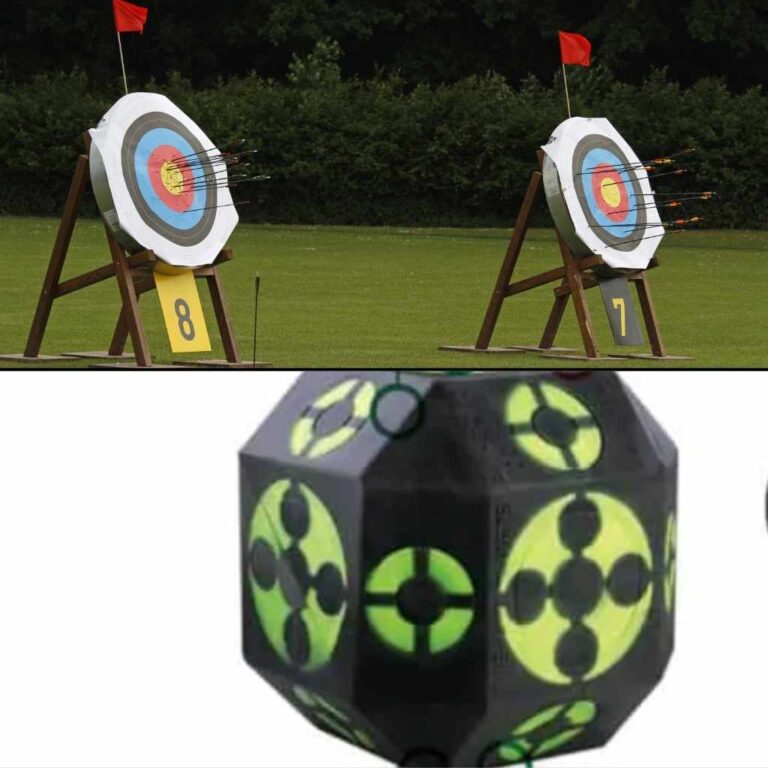
Commercial foam targets (often made of layered, dense yellow or black foam blocks) are what you commonly see at commercial ranges. They are designed specifically for archery.
When to Move to Foam:
- Higher Draw Weights: If you are using modern compound bows or traditional bows over 45 lbs, layered foam offers superior stopping power and safety compared to even the best DIY carpet block.
- Pin Point Accuracy Focus: Foam faces are generally flatter and hold up better when aiming for small spots on the target face.
- Convenience: They require zero construction time and are ready to shoot right out of the box.
Foam is usually the most expensive option initially but often provides the best overall experience in terms of arrow retrieval and durability, especially for compounds, which generate significantly more kinetic energy than beginner recurves.
Safety First: A Critical Note on Target Use
No matter which target you build, safety must come first. Archery is generally very safe when practiced correctly, but never become complacent about where your arrow is going.
Key Safety Rules for Homemade Targets:
- Backstops are Mandatory: You must have a backstop behind your target. This could be a hillside, a thick wood pile, or a dedicated archery curtain. Never shoot toward a home, street, or where pets/people might unexpectedly wander.
- Inspect Equipment: Before every session, check your arrows for cracks, especially near the nocks or fletchings. A damaged arrow can break upon release, posing a serious risk. Organizations like the National Field Archery Association (NFAA) stress regular equipment inspection.
- Check Target Wear: Regularly inspect the front face of your target. If you see areas where arrows are passing through easily, stop shooting at that area immediately until you rotate or repair the block.
Making the Most of Your Practice Sessions
Once you have your target set up, the goal is maximizing the quality of your practice time.
Setting up practice efficiently helps cement good habits. Here’s a simple routine:
- Warm-up Phase (10 Shots): Stand very close (maybe 5 yards). Focus ONLY on your anchor point and release quality. Forget about hitting the bullseye. Smoothness matters now.
- Form Building Phase (20 Shots): Move back to your comfortable distance (10-15 yards for beginners). Focus on breath control and holding your bow arm steady until the arrow lands. This phase benefits most from easy arrow removal (the carpet advantage).
- Grouping Phase (10 Shots): Select a small aiming spot, perhaps the size of a quarter. Try to put all your arrows into the tightest cluster possible.
If you are using cardboard, take an extra moment after every 5 shots to reposition the block to a fresh, unused section. This maximizes the lifespan of your free material!
Frequently Asked Questions (FAQ) for New Archers
Q1: Can I use old hay bales instead of cardboard or carpet?
A: Yes, hay bales work very well and stop arrows easily, both for field points and broadheads. However, they degrade very quickly when left outdoors and can attract insects or rodents. They are a great temporary solution but not a durable long-term choice.
Q2: How far away should I shoot when starting out?
A: For beginners with low-poundage bows, start at 5 to 10 yards. This distance allows you to focus entirely on your shooting form and the feeling of a good release without worrying about the arrow dropping too much or missing the target entirely.
Q3: Will my arrows wear out faster in a carpet target than a cardboard one?
A: Generally, no. Arrows tend to wear out faster in poorly structured cardboard because the cardboard edges can shave the shaft material upon removal, or the friction causes excessive pulling. Carpet lets the arrow slide out more smoothly, often preserving the arrow shaft better.
Q4: Do I need an extra backstop if I am only shooting 15 yards?
A: Absolutely. Even at 15 yards, an arrow can easily pass through a worn spot on a DIY target, especially if you are using a compound bow. Always use a secondary, heavy-duty backstop (like heavy tarps or heavy wooden utility boards) behind your main target.
Q5: What weight of carpet is best for DIY targets?
A: Look for commercial-grade, low-pile synthetic carpeting remnants. You want the material to be very dense with a tight weave. Thin, plush, or high-shag bedroom carpeting will not provide the necessary friction to stop arrows effectively.
Q6: How do I protect my DIY target from rain?
A: Always store your targets in a dry place, like a garage or shed, when not in use. If you must leave them outside temporarily, covering them completely with a heavy, waterproof tarp will significantly extend their life, especially the cardboard option.
Conclusion: Building Confidence One Shot at a Time
Choosing between a carpet and a cardboard archery target really boils down to your current budget versus your commitment to the sport.
For the absolute novice who needs to dip their toes in the water affordably, cardboard is your friend. It lets you learn the basic motions safely without a big financial commitment. Just be prepared for the occasional frustrating arrow retrieval!
However, if you feel the thrill of archery and plan to practice weekly, making the effort to build or purchase a dense, high-quality carpet target is the proven, superior investment.** The reduced time spent fighting stuck arrows translates directly into more quality practice time, helping you ingrain that good form faster and more easily.
Remember, the target is just the tool. Stay safe, focus on smooth execution over immediate results, and enjoy the satisfying thud of a well-placed arrow. Happy shooting!
Related pick: Check today's price on Amazon