Best Archery Chronograph for Beginners (2026 Picks)
The best archery chronograph for beginners is an affordable, easy-to-use device that accurately measures arrow speed, helping you fine-tune your bow and understand your equipment for better accuracy and consistent performance.
“Why is my arrow not flying straight?” It’s a question many archers, especially beginners, ask themselves. Sometimes, the answer lies in how fast your arrow is actually traveling. An archery chronograph is your secret weapon for unlocking this information!
It’s a fantastic tool to help you dial in your bow, making your shots more accurate and predictable. Don’t worry if it sounds technical; I’ll break down everything you need to know, making it simple and fun. Let’s discover how a chronograph can elevate your archery game, so you can hit those targets with confidence!
Why You Need an Archery Chronograph
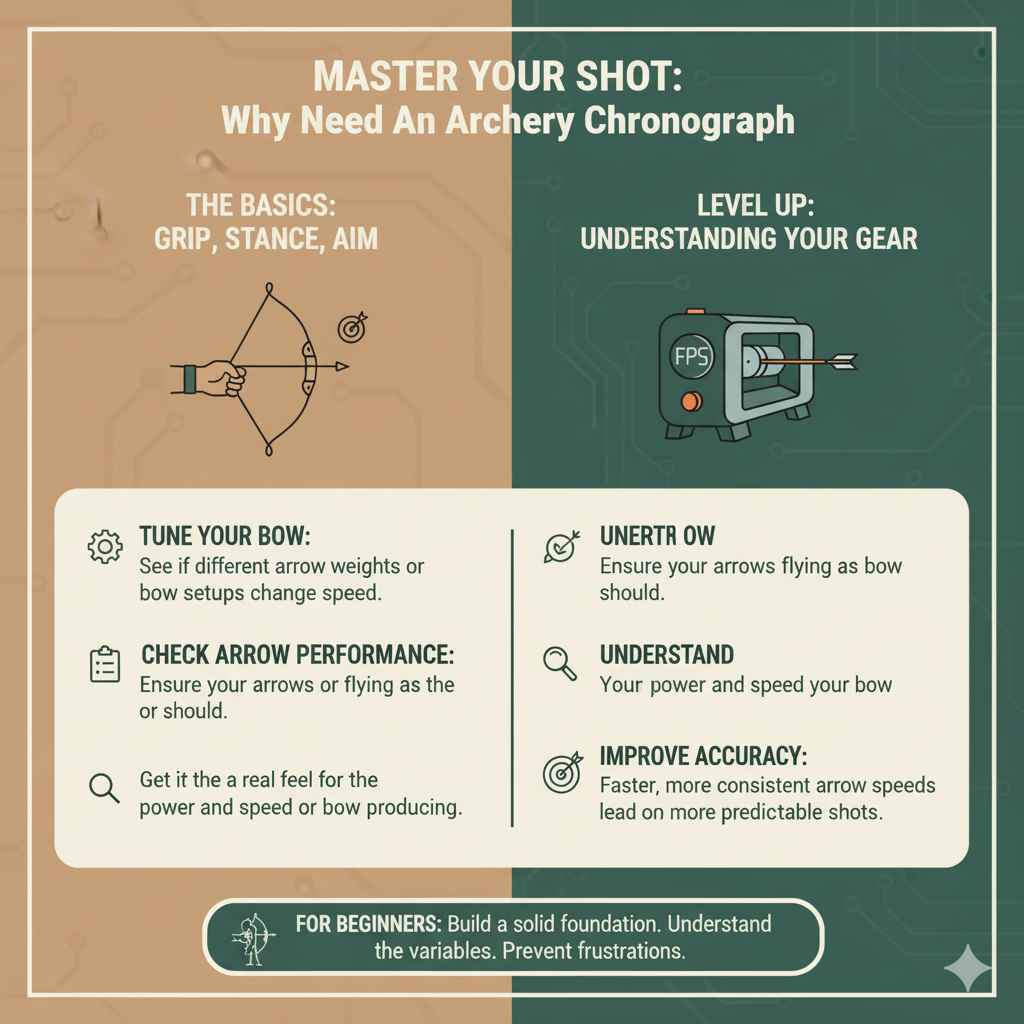
When you’re starting in archery, your main focus is probably on your grip, stance, and aiming. These are super important! But as you get more comfortable, you’ll want to understand how your gear works together. That’s where an archery chronograph shines. It’s a device that measures the speed of your arrow as it leaves the bow.
Think of it like this: If you’re baking, you need to know the oven temperature to get your cookies just right. Similarly, to get your arrows flying consistently, knowing their speed is a game-changer. This information helps you:
- Tune Your Bow: See if different arrow weights or bow setups change the speed.
- Check Arrow Performance: Ensure your arrows are flying as they should.
- Understand Your Equipment: Get a real feel for the power and speed your bow is producing.
- Improve Accuracy: Faster, more consistent arrow speeds lead to more predictable shots.
For beginners, using a chronograph early on can prevent common frustrations and build a solid foundation for improving your archery skills. It’s not just about speed itself, but about understanding the variables that affect your shot.
Understanding How an Archery Chronograph Works
At its heart, an archery chronograph is designed to catch your arrow as it zips past. Most beginner-friendly chronographs use a simple, reliable technology.
The Basics of Speed Measurement
You’ll typically see two main types of chronographs in the archery world:
- Optical Chronographs: These are the most common for archery. They have two or more optical sensors (like little cameras or light beam detectors) spaced a known distance apart. When your arrow passes the first sensor, it starts a timer. When it passes the second sensor, it stops the timer. Since the device knows the distance between the sensors and the time it took the arrow to travel that distance, it can easily calculate the speed (Speed = Distance / Time).
- Doppler Radar Chronographs: These are more advanced and sometimes found in outdoor setups. They use radar to track the projectile’s movement and calculate its velocity. They are often more expensive and can be overkill for a beginner just getting started.
For most aspiring archers, an optical chronograph is the perfect choice. They are affordable, easy to set up, and give you the precise data you need.
Setting Up Your Chronograph
Setting up is usually straightforward, regardless of the brand:
- Placement: You’ll need to position the chronograph at a safe distance in front of your bow, usually between 5 to 15 feet, to measure the arrow’s speed right after it leaves the riser. Make sure it’s securely placed so it won’t tip over.
- Alignment: The sensors need to be aligned with the path your arrow will take. Some have guide rods or specific markings to help you get this right.
- Power: Most run on batteries, so ensure they are charged or fresh.
- Testing: Many chronographs have a test function or a way to calibrate them. Follow your device’s manual carefully.
It’s crucial to refer to your specific chronograph’s manual, as setup can vary slightly between models. Safety first: always ensure your shooting lane is clear and you’re shooting at a safe backstop!
Key Features to Look For in an Archery Chronograph
When you’re shopping for your first archery chronograph, focus on what really matters for a beginner. You don’t need all the bells and whistles, but a few key features will make your experience much better.
Accuracy is Paramount
The most important thing is that the chronograph is accurate. You want reliable numbers to base your adjustments on. Look for devices known for their precision. Reputable brands generally offer good accuracy for their price point.
Ease of Use
As a beginner, you want something you can set up and start using quickly without a steep learning curve. This means:
- Simple Controls: Buttons that are easy to understand and operate.
- Clear Display: A screen that shows the speed in large, easy-to-read numbers. Many display feet per second (fps), which is standard for archery.
- Quick Setup: Minimal assembly and straightforward placement.
Portability and Durability
You might want to take your chronograph to the range or even on a camping trip. Consider:
- Size and Weight: Is it easy to carry?
- Build Quality: Does it feel sturdy enough to withstand being used outdoors? Many come with protective carrying cases.
Additional Features (Nice-to-Haves)
While not essential for beginners, these can be useful:
- Data Storage: The ability to save multiple shots to review later. This helps if you’re testing several arrow types or bow tunes.
- App Connectivity: Some modern chronographs can connect to your smartphone via Bluetooth to record and analyze data.
- External Display Options: For easier viewing from a distance.
Focus on accuracy and ease of use first. You can always upgrade later if your needs change!
Top Beginner-Friendly Archery Chronographs
Choosing the “best” can depend on your budget and specific needs, but here are a few types of chronographs that are well-loved by archers for their performance and ease of use, making them excellent choices for beginners. I’ll focus on general categories and popular features you’ll find.
Popular Models and Brands
Brands like Caldwell, Shooting Chrony, and MagnetoSpeed each offer models that are popular in the archery community. For beginners, devices that are easy to set up and read are key. For example, the Caldwell Ballistic Precision Chronograph is often recommended for its balance of price, features, and ease of use. Shooting Chrony offers reliable and straightforward models.
What to Expect in Different Price Ranges
When you’re starting out, you don’t need to break the bank. Here’s a general idea of what you might find:
| Price Range | Typical Features for Beginners | Pros | Cons |
|---|---|---|---|
| $50 – $100 | Basic optical sensors, clear LCD display, battery-powered, essential speed readings (fps). | Very affordable, simple to operate, good for basic speed checks. | May lack data storage, less durable build, can be sensitive to lighting conditions. |
| $100 – $150 | Improved optical sensors, potentially better build quality, some models might offer basic data logging, often include carrying cases. | Good balance of price and performance, reliable for most beginner needs, often more durable. | Still might lack advanced features like extensive data analysis or smartphone integration. |
| $150+ | More advanced optics, robust construction, significant data storage, potential for smartphone app connectivity, sometimes offer bracket systems for easier bow mounting. | Highly accurate, feature-rich, can track shot strings and averages, useful for serious tuning. | Can be overkill for a brand new archer, higher cost. |
For most beginners, a chronograph in the $100-$150 range hits the sweet spot. It provides reliable performance without unnecessary complexity or cost. Remember to look for reviews and compare specifications!
Top Archery Chronograph Picks
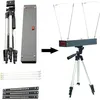
QKVCX High-Precision Shooting Speed Meter with Tripod
A tripod-mounted chronograph that reads arrow velocity in FPS/MPS, giving a steady, repeatable setup for testing different arrow and bow combos.
- Best for: Archers who want a stable, repeatable setup for real bow-tuning sessions
- Why we picked it: The included tripod keeps readings consistent shot to shot, unlike handheld units
- Main drawback: Bulkier to pack and set up than a compact handheld model
Compare more options
 Option 1 Ballistic Precision Chronograph Velocity Speed Tester
|  Option 2 Xuhal Ballistic Chronograph (Multi-Sport)
|  Option 3 Kqimris Ballistic Precision Chronograph
|
As an Amazon Associate we earn from qualifying purchases.
How to Use Your Chronograph for Better Archery
Once you have your chronograph, it’s time to put it to work! Using it correctly will give you valuable insights into your archery performance.
Step-by-Step Guide to Measuring Arrow Speed
Here’s how to get started:
- Safe Setup First: Choose a safe shooting area with a reliable backstop (like a large target butt or a dedicated archery range). Ensure the area is clear of people and obstructions.
- Position the Chronograph: Place your chronograph a short distance (typically 5-15 feet) in front of your bow. Make sure it’s stable and level on a flat surface. Consult your chronograph’s manual for the recommended distance.
- Align Your Arrow Path: Some chronographs have guide rods or a screen to help you align your arrow’s flight path directly through the sensors. Ensure your arrow will pass through the sensor area without hitting the chronograph itself.
- Power On and Calibrate: Turn on your chronograph. If it has a calibration or test mode, follow the instructions in the manual to ensure it’s ready.
- Draw and Shoot: Draw your bow to your normal anchor point and shoot an arrow towards the chronograph setup. Aim to shoot through the center of the sensor area.
- Record the Speed: The chronograph should display the arrow’s speed, usually in feet per second (fps). Note this number down.
- Shoot Multiple Arrows: To get a good average and understand consistency, shoot at least 3-5 arrows. Note down each speed.
- Analyze the Data: Look at the speeds. Are they consistent? If you’re shooting different arrows, how does the speed change?
Interpreting Your Results
What do those numbers tell you?
- Consistency is Key: If your speeds are very close for each shot (e.g., within 5-10 fps of each other), your bow is likely tuned well, and your shooting is consistent. Large variations could indicate issues with your bow’s tune, arrow spine, or shooting form.
- Bow Speed: Knowing your bow’s general speed helps you choose the right arrows and understand its capabilities. For example, a faster bow might allow you to shoot lighter arrows or heavier arrows while maintaining good speed.
- Arrow Weight vs. Speed: If you change arrow weight, your speed will change. Lighter arrows are generally faster, and heavier arrows are slower but often fly more stable and have more kinetic energy. The chronograph helps you quantify this difference.
- Tuning Your Bow: If changing your arrow rest, nocking point, or other bow components significantly affects arrow speed between shots, it could be a sign of tuning issues.
Visit the USA Archery website for great resources on archery technique and equipment tuning.
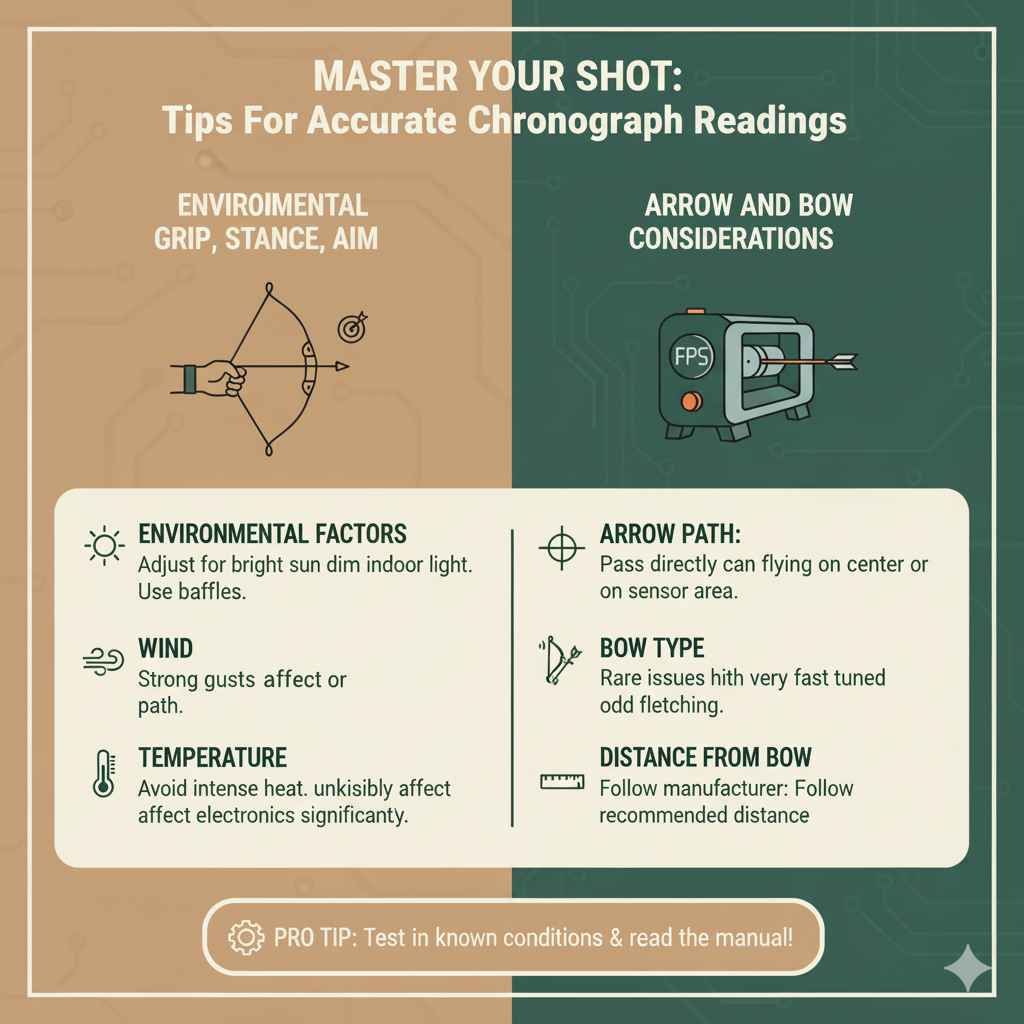
Tips for Accurate Chronograph Readings
Getting accurate readings from your chronograph is essential for it to be a useful tool. A few simple tips can help ensure your numbers are reliable.
Environmental Factors
Conditions can affect how your chronograph performs:
- Lighting: Optical chronographs rely on light beams or sensing changes in light. Bright sunlight or very dim indoor light can sometimes interfere with sensors. Many modern chronographs have adjustable sensitivity or baffles to help with this. If you’re having trouble, try a different location or adjust the chronograph’s position relative to the sun.
- Wind: While not usually a direct issue for the chronograph itself, strong winds can affect your arrow’s flight and potentially cause it to miss the sensors.
- Temperature: Extreme temperatures are unlikely to affect the electronics significantly in most consumer-grade chronographs, but it’s good practice to keep your device out of direct, intense heat for extended periods.
Arrow and Bow Considerations
How you shoot also matters:
- Arrow Path: Ensure your arrow passes directly through the center of the sensor area. A slight glancing blow or passing too close to an edge might not be read correctly.
- Arrow Type: Some very fast arrows or arrows with odd fletching might cause readings to be less consistent. This is rare for typical hunting or target arrows but good to be aware of.
- Bow Vibration: Excessive bow vibration can sometimes interfere with sensitive optical sensors, though this is less common with well-tuned bows.
- Distance from Bow: Always follow the manufacturer’s recommended distance. Too close, and the arrow might be too fast for the sensors to register properly or even damage the unit. Too far, and external factors begin to influence the arrow more.
Always test your chronograph in known conditions if possible and read the full manual. Understanding its limitations helps you get the most from its readings.
Frequently Asked Questions (FAQ)
What is the most important thing to consider when buying an archery chronograph as a beginner?
For a beginner, the most important factor is ease of use and accuracy. You want a chronograph that is simple to set up, has a clear display, and provides reliable speed readings without a steep learning curve.
Do I really need an archery chronograph if I’m just starting?
While not strictly essential for your very first few shots, an archery chronograph is highly recommended as you progress. It’s a valuable tool for learning about your equipment, improving consistency, and understanding how to tune your bow for better accuracy.
How far in front of the bow should I place the chronograph?
This varies by model, but typically, it’s between 5 to 15 feet (about 1.5 to 4.5 meters) in front of the bow. Always check your chronograph’s user manual for the manufacturer’s specific recommendation.
Can I use my archery chronograph to measure the speed of other projectiles?
Many optical chronographs designed for arrows can also measure the speed of airgun pellets or paintball markers, as long as the projectile passes through the sensors correctly. However, firearms require specialized, more robust chronographs due to muzzle blast and higher velocities. Always check your chronograph’s specifications.
What is a good average arrow speed for a beginner’s bow?
Arrow speeds vary greatly depending on the bow’s draw weight, draw length, arrow weight, and cam system. For a typical beginner compound bow (around 40-50 lbs draw weight) with a standard arrow, speeds might range from 200 to 250 feet per second (fps). For a beginner recurve bow, speeds might be lower, perhaps 150 to 200 fps. The chronograph will give you YOUR bow’s specific speed.
How does arrow weight affect speed, and how can a chronograph help me understand that?
Lighter arrows generally fly faster, while heavier arrows fly slower but carry more momentum and kinetic energy. Your chronograph allows you to test this directly. For example, you can shoot the same bow with a lighter arrow and record its speed, then switch to a heavier arrow and record its speed. This quantifiable difference helps you make informed decisions about which arrow setup is best for your needs (e.g., speed for target shooting vs. momentum for hunting).
Are all archery chronographs equally accurate?
No, accuracy can vary between models and brands. More expensive chronographs often use higher-quality sensors and better internal processing for greater precision. However, even affordable beginner models from reputable brands can be very accurate for the purpose of tuning and understanding your bow when used correctly.
Conclusion
Picking out the best archery chronograph doesn’t have to be overwhelming. By focusing on accuracy, ease of use, and understanding basic features, you can find a tool that will truly help you improve your archery journey. Whether you’re aiming for tighter groups on paper targets or getting your hunting bow dialed in, knowing your arrow’s speed is a crucial piece of the puzzle.
Getting a chronograph can seem like a technical step, but as we’ve seen, it’s designed to be simple and incredibly helpful. It’s an investment in your skill, allowing you to understand, tune, and ultimately enjoy your bow more. So, take the plunge, get yourself a reliable chronograph, and start unlocking your archery potential. Happy shooting!