Best Peep Sight Options for Target Archery (2026): we compared
For target archery, many archers use a smaller peep for most indoor and calm-light setups, a slightly larger peep for dim range light, and a specialty clarifier peep only when the scope lens calls for it. Pick the wrong size and the sight ring blurs, the aiming point shifts, and low-light holding gets harder. This guide compares aperture size, aperture style, and material by bow ATA, sight housing, and lighting so you can choose cleaner ring clarity.
Quick comparison
| Product | Badge | Best for | Price | ||
|---|---|---|---|---|---|
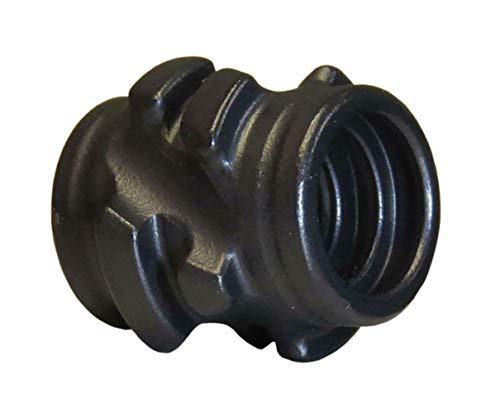 | Hamskea Archery Solutions 1/8" Raptor Hunting Bow Sight PeepHamskea | Also great | 1/8 in · all-metal · dual-angle | $19.99 Price as of 9 Oct 2026 | View |
 | SOPOGER Archery 37/45 Hooed Degree Peep Sight Kit 6X 8XSOPOGER | Upgrade pick | 37/45° · clarifier kit · black | $24.99 Price as of 9 Oct 2026 | View |
 | TRUGLO Centra Peep Pro Durable Lightweight EffectiveTRUGLO | Budget pick | 1/8 in · CNC aluminum · angled | $5.99 Price as of 9 Oct 2026 | View |
 | G5 Meta Pro Anti-Glare Archery Peep Sight, Green, 1/4 InchG5 Outdoors | Our pick | 1/4 in · anti-glare · green | $12.99 Price as of 9 Oct 2026 | View |
Use this comparison to narrow the field fast. The right peep for target archery keeps the sight ring crisp at full draw without making the image so dark that the aiming point disappears.
Top pick: an adjustable angled peep for most target compound bows, because it handles changing light, shorter ATA bows, and different scope housings better than a fixed setup.
📊 Total Peep target model weighs 6.6 grains. Source: Total Peep Peep Sight for Target Archery.
How we chose
The selector below uses a few target-archery filters, including aperture range, bow fit, alignment angle, and material finish. It also accounts for maintenance, because high-volume target shooting changes strings and rotations more often than casual use.
- Aperture range and ring clarity: tighter holes for a narrower aiming window, wider holes for more light.
- Bow fit and rotation compatibility: especially ATA, draw length, and groove angle.
- Material and finish: aluminum or composite, plus matte or anti-glare treatment.
- Maintenance needs: replacement triggers such as wear, cloudy edges, and rotation drift.
What size peep sight is best for target archery?
For target archery, the best peep size is the smallest one that still gives a bright, round sight picture at full draw. That usually puts many target setups in the 1/32″ to 3/32″ range for precision, with larger apertures used when the range is dim, the scope housing is large, or glasses cut into the usable field of view.
Small apertures for tighter aiming
Smaller apertures make the target ring look cleaner because they narrow the view and help the eye center the sight more precisely. The tradeoff is direct, less light gets through. In target archery, that can be a problem on indoor lines with weak lighting or outdoors under clouds.
Sports Gear Lab says target shooters align three points of reference. That is why a peep that is too large can feel loose, while one that is too small can make the ring hard to read.
Larger apertures for brighter sight pictures
Larger apertures pass more light and widen the view. Common larger options include 1/8″, 3/16″, and 1/4″. They help when the target face, scope housing, or lens already makes the sight picture busy, or when the line is dark enough that a tiny hole turns the ring into a dim blur.
Sports Gear Lab also lists a 7/32-inch peep option and a 3/16-inch peep option. Those sizes favor brightness and easy alignment, not the tightest possible visual tunnel.
When glasses or sight housing size change the choice
Glasses wearers often need a slightly larger peep than expected because the lens stack can narrow the usable field. A larger scope housing can push the same way. If the housing edge starts crowding the peep circle, move up one step before shrinking the aperture any further.
Suppose a shooter uses a large target scope and finds that a 1/16″ peep makes the housing edge hard to frame. Moving to a 3/32″ or 1/8″ aperture often brings back a cleaner ring without turning the sight picture into a washed-out circle.
Quick picks
- Best for mixed target use: an adjustable peep with interchangeable inserts.
- Best for short ATA bows: an angled peep with a 35-degree or 40-degree groove.
- Best for durability: an aluminum peep with matte or anti-glare treatment.
- Best for a cleaner target setup: a tubeless peep.
Best adjustable peep: best for mixed target use
This style fits archers who shoot indoors and outdoors, or who change light conditions often. Interchangeable inserts make it easier to move between tighter and brighter apertures without buying a second peep. That matters when one bow has to cover practice nights, indoor leagues, and outdoor rounds.
Color-coded inserts can help when setup changes need to be obvious at a glance. Black, red, and green cores are useful when you want to separate training setups or track which insert belongs to which light condition. The drawback is complexity: more parts mean more chances for setup errors, and clarifier systems can add another variable if the bow is not already tuned well.
SOPOGER’s kit is the most flexible of the group on paper because it includes multiple apertures and clarifiers. The tradeoff is that it fits best with archers who are comfortable swapping parts and checking alignment often.
Best angled peep: best for short ATA bows
An angled peep helps when the string angle at full draw is steep, which is common on shorter ATA bows. It reduces the need to crane the head into alignment and can make the sight picture feel more natural when the bow is compact and the draw length is long for that frame.
String-groove angle matters here. A 35-degree groove and a 40-degree groove are common fit points for compound bows, and the right one depends on how the string sits at full draw. The closer the groove matches the actual string angle, the less the peep wants to rotate away from center.
This Hamskea model stands out because it combines dual 35- and 40-degree grooves with light baffling and an all-aluminum body. The drawback is that it is still a fixed 1/8″ aperture, so archers who want a tighter target tunnel or an even brighter sight picture will need a different size.
Best aluminum peep: best for durability
Aluminum is the safer choice for archers who want a stiff body, stable groove shape, and better long-term wear resistance. For target use, that matters because repeated shots, serving wear, and frequent string changes can slowly change how a peep sits in the string.
Matte finish and light baffling are worth attention. Reflection off a shiny peep can wash the aiming ring in bright indoor light, especially when overhead lighting hits the bow at an angle. A darker, anti-glare surface usually gives a cleaner sight picture than polished metal.
TRUGLO’s Centra Peep Pro is a straightforward choice for an archer who wants a durable 1/8″ angled peep without extra parts. The drawback is that it is less flexible than an insert system and not as open to fine tuning for different indoor and outdoor conditions.
Best tubeless peep: best for a cleaner target setup
Many target archers prefer tubeless peeps because they avoid the extra tube hardware and the added complexity that comes with it. A cleaner string setup usually means fewer things to snag, less clutter near the anchor, and fewer parts that can age unevenly.
Tube-style peeps are older or more complex than tubeless setups, and Sports Gear Lab notes that tube peeps attach to the bow’s cross cables. That can help rotation in some cases, but it also adds parts and maintenance points. For target archery, tubeless is usually the cleaner choice unless a specific setup needs the tube.
G5 Outdoors’ Meta Pro is a simple 1/4-inch option with anti-glare coating and a convex groove that helps reduce string wear. The drawback is obvious for target work: 1/4″ is bright and easy to see, but it is not the tightest aiming window for precision-minded shooters.
Bow-and-distance selector for peep aperture size
This selector ties aperture choice to bow ATA, lighting, and distance. It is not a universal rule, but it is a practical starting point for target archers who want a clearer ring without making the peep too dim.
| Setup | Bow ATA | Recommended aperture range | Why it fits |
|---|---|---|---|
| Indoor target | 28" to 34" | 3/32" to 1/8" | Indoor light is usually steady, so a smaller hole can sharpen the sight ring without going too dark. |
| Indoor target | 35" to 40" | 1/8" to 3/16" | Longer ATA bows often present a friendlier string angle, so a slightly larger aperture keeps the picture bright. |
| Outdoor target | 28" to 34" | 1/16" to 3/32" | Outdoor daylight often supports a tighter aperture, but cloud cover can make anything too small feel dim. |
| Outdoor target | 35" to 40" | 3/32" to 1/8" | A little more light helps when the sight housing is large or the round runs into changing weather. |
| Mixed use | Any target bow | Interchangeable inserts from 1/16" to 1/8" | Swappable apertures make it easier to adapt to indoor practice, outdoor scoring, and different lens setups. |
Sports Gear Lab lists the Total Peep target model in 1/32″, 3/64″, 1/16″, and 3/32″ sizes, and says it is compatible with bows from 28″ to 40″ ATA. It also weighs 6.6 grains, which is useful to know for archers who watch string weight carefully.
How to verify ring clarity at full draw
- Set the bow to full draw and anchor normally.
- Look through the peep and center the scope housing.
- Check whether the housing edge is round, evenly lit, and easy to find.
- If the ring looks fuzzy, step up one aperture size.
- If the ring looks bright but loose, step down one size.
- Repeat the check under indoor light and, if possible, under cloud cover outdoors.
A common first-timer mistake is choosing a tiny aperture because it sounds precise, then discovering the sight picture is too dim to read on a gray indoor line. Another mistake is using a very large peep because it feels easy, then losing the clean edge of the target ring.
How do I choose a peep sight for a compound bow used for target shooting?
Choose a target peep by matching aperture size to light, body angle to ATA, and material to how often the bow changes strings. For most compound target bows, start with a tubeless or angled aluminum body, then move the aperture size up or down until the ring stays clear at full draw.
Match aperture size to sight housing and light
If the scope housing is large or your indoor line is dim, do not start too small. A 1/16″ or 3/32″ aperture is often easier to live with than a 1/32″ or 3/64″ hole that turns the pin into a dark blur. For brighter setups, a 1/8″ or 3/16″ peep can still hold a clean ring.
Match body angle to ATA
Short ATA bows create steeper string angles, which can make a straight peep harder to line up cleanly. An angled body helps the peep sit more naturally at full draw and reduces the odd-looking distortion that can show up when the aperture is forced to rotate off center.
Choose the right material and finish
Aluminum is the best all-around material when durability matters. Polyamide or composite bodies are lighter, but they usually give up some stiffness and long-term wear resistance. A matte finish and internal light baffling matter more than many archers think because they cut reflections that can wash out the ring in bright lanes.
Think about rotation angle and maintenance
A 35-degree groove or a 40-degree groove should match the bow’s string angle well enough to keep the aperture centered at anchor. High-volume target shooters should also watch for wear on the groove, cloudy edges, and rotation drift after a string change. Those are common reasons a peep stops holding the same picture from week to week.
Sports Gear Lab notes that some peeps have reflective coating or illumination. That can help visibility, but it does not replace correct aperture size or proper rotation fit.
Should I use a small or large peep sight for indoor shooting?
For indoor shooting, a small peep is better only if the lane light is good enough to keep the ring readable. If the range is dim, a larger aperture is usually the smarter pick because it keeps the sight picture bright and reduces strain on the aiming eye.
Indoor target archery is where many archers overshoot on precision and end up with a peep that is too dark. A 3/32″ or 1/8″ aperture is a common starting point. Move larger when the scope housing looks heavy in the circle, or smaller only when the picture stays bright enough to hold cleanly.
Are interchangeable peep inserts worth it for target archery?
Yes, interchangeable inserts are worth it for target archery if the bow sees different lighting, multiple disciplines, or changing lens setups. Swappable apertures make one peep do more work, which is useful when indoor leagues, outdoor practice, and cloudy days all call for different sight pictures.
They are less useful for archers who shoot one environment almost every time. In that case, a fixed aperture with the right groove angle and finish may be simpler and just as effective. The added parts only help if they solve a real setup change.
Does an angled peep help with short axle-to-axle target bows?
Yes. An angled peep usually helps short axle-to-axle bows because the string angle at full draw is steeper and the aperture needs to sit more naturally in front of the eye. That reduces neck strain, improves alignment consistency, and can keep the target ring from looking clipped or oval.
Short ATA bows can also magnify rotation problems. If the groove angle does not match the string path, the peep may twist enough that the shooter sees the aperture edge instead of a clean circle. That is where a 35-degree or 40-degree groove becomes a real fit decision, not a spec-sheet detail.
What materials are best for a target archery peep sight?
Aluminum is the best all-around material for target archery because it balances stiffness, wear resistance, and finish quality. Composite or polyamide bodies can be lighter, which some archers like, but they usually give up some durability and edge stability over time.
Finish matters as much as raw material. A matte finish with light baffling and reduced front and rear reflection is preferred in bright target settings. Glossy surfaces can bounce light into the eye and make the sight picture feel less settled.
Sports Gear Lab lists an oval peep in its top peep sights, which is another reminder that body shape can change how the aiming reference appears. Shape is secondary to clarity, but it still matters when the scope housing needs to sit in a predictable frame.
Should target archers avoid tube peep sights?
Most target archers should avoid tube peep sights unless they have a specific setup reason to use one. Tube-style peeps are older or more complex than tubeless designs, and the extra tube can add maintenance, routing, and safety concerns without giving a cleaner target picture.
Sports Gear Lab notes that tube peeps attach to the bow’s cross cables. That can help control rotation, but it also adds another part that can wear or shift. For a target bow, a tubeless peep is usually the cleaner and simpler choice.
Tube peeps still make sense in a few setups where alignment support matters more than simplicity. The tradeoff is that the system becomes more complex, and target archers usually feel that complexity during setup, not after the score card is filled out.
What peep sight options work best in low light on the range?
In low light, larger apertures usually work best because they pass more light and keep the sight picture readable. A 1/8″, 3/16″, or even 1/4″ peep can be easier to use when the line is dark, the sky is overcast, or the range lighting is uneven.
A smaller target aperture may still be correct if the bow has excellent light transmission and the sight housing is compact. But once the ring starts dimming enough that the eye hunts for the edge, the peep is too small for that condition. Brightness comes first when visibility falls off.
Which one should you buy?
If the bow is short ATA, start with the Hamskea 1/8″ Raptor Hunting Bow Sight Peep because its dual 35- and 40-degree grooves make alignment easier at full draw. If the setup is indoor-only and you want a clean, simple sight picture, the TRUGLO Centra Peep Pro is the straightforward pick. If the bow changes light conditions often, the SOPOGER kit is the most flexible. If glare is the main complaint, the G5 Meta Pro is the easiest anti-glare option, though its 1/4″ opening is larger than many precision-minded target archers prefer.
For a 28" to 32" target compound, a smaller aperture from 1/16" to 3/32" usually makes sense. For a 35" to 40" bow, a 3/32" to 1/8" opening often gives a better mix of brightness and ring clarity. If the archer wears glasses or uses a large scope housing, step up before the sight picture turns muddy.
Maintenance matters too. Replace or re-evaluate a peep when the groove shows wear, the aperture edge turns cloudy, the peep starts rotating past anchor, or a string change changes the alignment enough that the ring no longer centers the same way.
Frequently asked questions
What peep sight size is best for target archery?
The best target size is usually the smallest aperture that still gives a bright, round ring at full draw. For many setups that means 1/32″ to 3/32″ for tighter aiming, then 1/8″ or larger when the light is weaker or the sight housing needs more room.
Should I use a small or large peep sight for indoor shooting?
Indoor shooters should start with a moderate aperture, not the tiniest one. A smaller peep can sharpen the aiming reference, but if the lane is dim it quickly becomes too dark. Many indoor target setups work better with 3/32″ or 1/8″ than with a very small hole.
Are interchangeable peep inserts worth it for target archery?
Yes, especially for archers who shoot both indoor and outdoor rounds or who use different lens setups. Interchangeable inserts let the aperture change with the condition, which is useful when a fixed peep is either too dim one day or too open the next.
Does an angled peep help with short axle-to-axle target bows?
Yes. A short ATA bow creates a steeper string angle, and an angled peep usually sits more naturally at anchor. That can reduce distortion and make the ring easier to center, provided the groove angle matches the actual string path closely.
What materials are best for a target archery peep sight?
Aluminum is usually the best choice because it is stiff and durable, which helps keep the groove shape consistent over time. Composite bodies are lighter, but many target archers prefer the feel and wear resistance of aluminum, especially when the bow gets frequent string changes.
Should target archers avoid tube peep sights?
Usually yes. Tube peeps are more complex, and Sports Gear Lab notes they attach to the bow’s cross cables. That extra hardware can help in some cases, but tubeless peeps are typically cleaner, simpler, and better suited to target archery’s preference for a tidy sight picture.