How Much Is a Bow Peep Sight? Part and Install Cost
A bow peep sight often costs around $10 to $40 for the part, but the installed price can be much higher after labor, serving, and tuning; a bad first choice can add more to fix. If the peep height, size, or serving tie-in is wrong, I lose time, chew up strings, and can miss clean shots. I’ll break down part prices, install labor, serving work, tuning, and the cost of correcting a bad setup.
This guide is part of our Peep sights for archery: complete guide series.
How much is a bow peep sight?

A basic peep sight is cheap on its own, but that sticker price does not tell the full story. In my shop, the part is only the starting point. Once I add installation, serving work, and a little tuning time, the bill moves fast, especially if the first peep size does not fit the bow or the shooter.
Typical price ranges by peep type
For most beginner and intermediate archers, the part price is usually modest. Tubeless peeps often cost more than simple tube-style parts, and adjustable peep systems can cost more again because you are paying for extra hardware. Specialty Archery also sells peep-related product lines and accessories, and that wider category usually pushes the total up.
| Peep type | Part cost | Install cost | Serving/tuning add-ons | Common re-buy risk |
|---|---|---|---|---|
| Basic fixed tubeless peep | $10 to $20 | $20 to $40 | $10 to $25 | $10 to $20 if size is off |
| Tube peep | $10 to $18 | $25 to $45 | $10 to $30 | $10 to $18 if tube or routing fails |
| Adjustable or specialty peep | $20 to $40 | $25 to $50 | $15 to $35 | $20 to $40 if aperture choice misses the mark |
| Second attempt after a bad fit | Another $10 to $40 | Another $20 to $40 | Another $10 to $25 | Total extra: $20 to $60 |
What the sticker price misses
The part price misses time. It misses string work. It misses the cost of correcting a peep that sits too high, twists at full draw, or leaves the sight housing partly blocked. I have seen archers spend less on the peep itself than they spend fixing a wrong first choice.
What is a bow peep sight, exactly?
A bow peep sight is a small opening in the string that gives me a rear alignment point, so I can line up the front sight or sight housing at full draw. Peep sizes are measured by the peep’s internal diameter, and that opening controls how much of the sight picture I can see.
How a peep sight works as a rear alignment reference
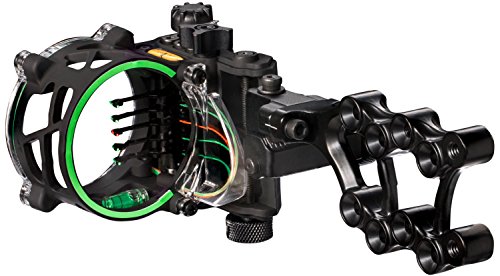
The job is simple. You draw the bow, look through the opening, and line up the front sight. One method is centering the sight pin inside the peep. Another is aligning the entire sight housing within the peep. Both work, but the right choice depends on your bow setup and your eye. I use the opening like a rear window, and I match the front sight to it.
Why internal diameter matters
Peep size is measured by internal diameter, not by the outer body. Reported sizes run from 1/32 inch to 1/4 inch. Smaller openings give a tighter sight picture and more control around the pin. Larger openings give a wider field of view. Hunters often prefer 3/16 inch and 1/4 inch because low-light visibility matters when a deer steps out late.
A peep is also tied to your anchor point and draw length. Peep rotation depends partly on both. That is why I never treat sizing as a chart-only decision. There is no exact formula for choosing a peep size.
What affects peep sight price the most?
Price depends most on peep design, the amount of setup work, and whether the first choice fits the bow. Fixed and adjustable peeps do not cost the same. Tube and tubeless setups do not cost the same either. Brand, material, and included hardware matter too, but fit problems drive the bill higher fastest.
Fixed vs adjustable aperture designs
A fixed aperture is simpler and usually cheaper. Adjustable designs cost more because they give you more sizing control. That control can be useful if you move between hunting and target work, or if your sight housing and anchor position demand a more exact opening.
I like adjustable options when a bow is still in transition. If a shooter is still settling on anchor point, bow hand pressure, or sight setup, I would rather have a little room to correct the picture than buy a second peep a week later.
Tube vs tubeless peep sight cost differences
Tube peeps were used to keep the peep turned into line at full draw. Tension on the tube would pull the peep into position. They can still work, but they add another piece to maintain and can create extra wear points.
Tubeless peep sights have become increasingly popular because modern string materials handle rotation better than older strings did. In many cases, a tubeless peep ends up cheaper over time because you are not buying tube parts or dealing with tube-related fixes as often.
Brand, material, and included hardware
Some peeps come ready to install with hardware that saves time. Others need more serving work. If the package includes extra inserts, angle choices, or aperture options, the price rises. I pay attention to what comes in the box because missing parts turn a small job into a second trip.
How much does it cost to put a peep sight on a bow?
Installing a peep usually costs more than the peep itself. A pro shop may charge a modest install fee, but serving, re-serving, and tuning often add to it. If the peep has to be moved after the first shot cycle, the second install can cost more than the first because more string work is involved.
Installation cost at a pro shop
A simple add-in is cheaper than a full re-service. If the string is already worn, the shop may suggest a larger fix rather than a quick tie-in, and that changes the total fast.
Serving, re-serving, and tuning add-ons
Serving holds the peep in place. If the bow needs the serving opened up, re-tied, or tightened after the peep is set, that is extra labor. Tuning time matters too. A peep that sits right at rest can still rotate wrong once the bow is shot a few times, so I budget for adjustment work.
- Check draw length and anchor before choosing the peep.
- Match the internal diameter to the sight housing and your eye.
- Install and shoot the bow at full draw, not just at rest.
- Watch for rotation, blocked sight picture, or poor anchor alignment.
- Correct serving or swap size before you call it done.
When a second install costs more than the first
The second install costs more when the first peep is simply wrong. I have seen that after a shooter wanted a smaller opening for precision, then could not see enough of the sight housing in poor light. I have also seen the opposite. A larger peep looked easy at the bench and felt sloppy at anchor.
A wrong peep can do the same thing, just at a lower price point.
What peep size should I buy for hunting or target shooting?
Hunting peeps are usually larger because field of view and low-light visibility matter more than a tiny sight picture. Target peeps are often smaller because precision matters more than brightness. The right internal diameter also depends on draw length, anchor point, string geometry, and the size of your bow sight housing.
Hunting peep size and low-light visibility
For hunting, I lean toward a size that lets me find the housing quickly and still see clearly when the woods darken. The common hunting peep sizes are 3/16 inch and 1/4 inch. Those sizes give a practical balance between clarity and visibility for most whitetail setups I see.
If the bow has a big multi-pin sight housing, a tiny peep can feel cramped. If the hunter uses a single-pin sight, the same peep may feel easier to center. That is why I match the peep to the sight, not just to a number in a catalog.
Target peep size and precision focus
Target shooters often want a smaller opening because it can sharpen the sight picture and cut down clutter around the pin. Some shooters also pair peeps with clarifiers or verifiers when the goal is a cleaner view through the lens or aperture. That setup is more exact, but it can cost more and take longer to tune.
How bow setup variables change the right size
Bow setup variables change everything. Draw length changes how the peep sits. Anchor point changes what your eye sees. String geometry changes rotation behavior. Switching to a left-hand bow based on left-eye dominance can often tighten groups. That kind of change proves the point: eye position matters.
Real cost breakdown from shop installs
This is the kind of budget I use when I quote a peep job for a beginner or intermediate shooter. The ranges below reflect shop-style work I have seen hold up when the setup is straightforward and the bow does not need a bigger repair.
| Shooting style | Peep type | Part cost | Install and tuning | Common mistake cost | Likely total |
|---|---|---|---|---|---|
| Whitetail hunter | Fixed tubeless | $10 to $20 | $30 to $55 | $0 to $20 | $40 to $95 |
| Low-light hunter | Larger tubeless or adjustable | $15 to $40 | $35 to $60 | $10 to $25 | $60 to $125 |
| Target archer | Smaller fixed or specialty | $15 to $35 | $25 to $50 | $10 to $30 | $50 to $115 |
| Wrong first choice | Any type | Another $10 to $40 | Another $20 to $40 | Another $10 to $20 | Extra $40 to $100 |
Do you need a peep sight on a bow?
Not every bow needs a peep sight right away. A peep helps most when you use a sight and want consistent rear alignment. Beginners with simple setups, some traditional setups, or archers still learning anchor and form may shoot better without rushing into one. The right answer depends on the bow and the goal.
When a peep helps most
If you are shooting a compound bow with a front sight, a peep usually makes aiming more repeatable. It gives your eye the same rear reference every time. That matters when you hunt from a stand, shoot small target faces, or want repeatable groups under pressure.
When a beginner may not need one right away
If you are still learning to hold anchor consistently, a peep can become another thing to manage. I often tell new shooters to get their draw weight, anchor point, and release control sorted first. My first compound setup taught me that too much at once slows progress.
Some beginners also shoot simple bows or traditional setups where a peep is not part of the system. In that case, forcing a peep into the build does nothing useful and can add cost without improving accuracy.
Frequently asked questions
what peep size should I buy for hunting
For hunting, I usually start by looking at low-light visibility and sight housing size. The common hunting peep sizes are 3/16 inch and 1/4 inch. Those give a usable field of view for many hunters, but draw length and anchor still matter a lot.
what else costs money when installing a peep sight
Besides the peep itself, you may pay for labor, serving work, re-serving, and tuning time. If the first size is wrong, you may also buy a second peep. That is why the cheapest part on the shelf is not always the cheapest way to finish the job.