3 Best Peep Sight Aperture Sizes for 3D Archery: we compared
For many 3D archers, a 1/8-inch peep can be a reasonable starting aperture. Use a larger peep for low light or longer draw lengths, and a smaller one for bright conditions and shorter anchors. Pick too small, and the sight picture turns slow and dim. Pick too large, and center shots can lose precision at longer peep-to-sight gaps. This guide compares common peep sizes and shows how to match them to draw length, light, and target distance.
This guide is part of our Peep sights for archery: complete guide series.
Which peep size is best for 3D archery?
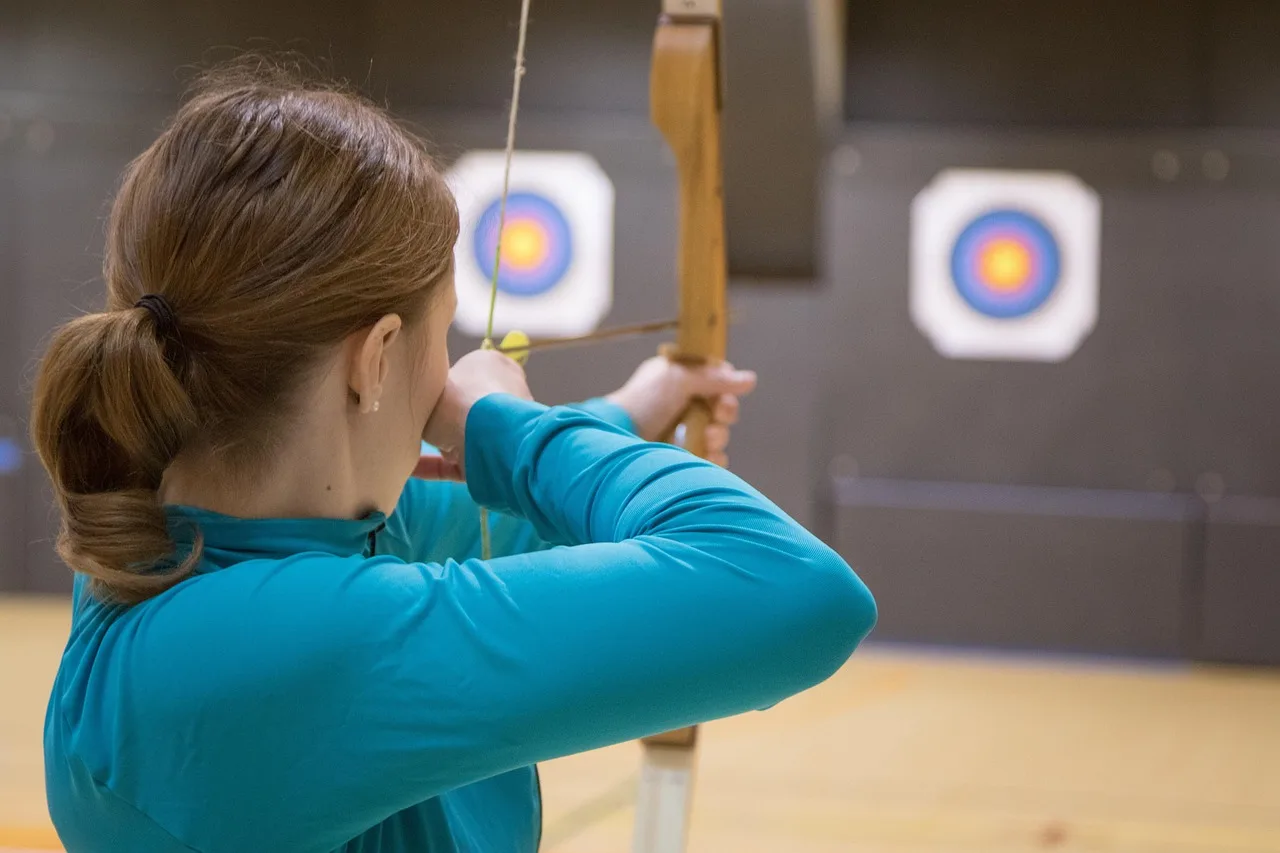
For most 3D archers, 1/8-inch is the safest starting point because it balances pin clarity with usable light. It works well across mixed-distance courses, where one target may sit in open sun and the next in shade. That middle ground matters more in 3D than in indoor target shooting.
3D courses punish extremes. A peep that is too small can turn a shaded lane into a dim tunnel. A peep that is too large can make the sight picture feel vague when longer target distances demand cleaner pin alignment. That is why the best choice is usually a middle aperture first, then a size change only if the setup clearly calls for it.
Quick comparison
| Product | Badge | Best for | Price | ||
|---|---|---|---|---|---|
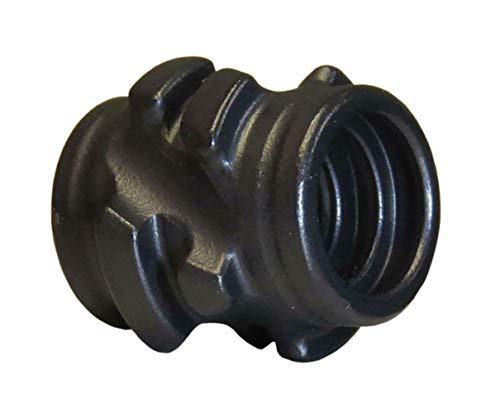 | Hamskea Archery Solutions 1/8" Raptor Hunting Bow Sight PeepHamskea | Upgrade pick | 1/8" aperture · Dual angle grooves | $19.99 Price as of 10 Oct 2026 | View |
 | 37/45 Degree Hooded Peep Sight Compound Bow Peep SightLinkboy Archery | Also great | Hooded 37/45° · 6x Clarifier Lens | $26.69 Price as of 10 Oct 2026 | View |
 | TRUGLO Centra Peep Pro-Series 3/16 Sight BlackTRUGLO | Our pick | 3/16" aperture · Angled Design | $8.05 Price as of 10 Oct 2026 | View |
 | SOPOGER Archery Peep Sight 3/16 Tube for Compound Bow WithSOPOGER | Budget pick | 3/16" Tube · 2-Pack Kit | $7.99 Price as of 10 Oct 2026 | View |
 | TRUGLO Versa Durable Lightweight Effective Versatile EasilyTRUGLO | Pair with it | Versa Peep · 9 Inserts | $13.59 Price as of 10 Oct 2026 | View |
Use this as a quick filter before you tune. The best size depends on how your bow sits at full draw, not on a single universal rule.
Smaller apertures tighten the sight picture and make the pin window easier to control. Larger apertures pass more light and widen what you can see. The right answer in 3D is the one that keeps both your pins and the target ring easy to read.
How we chose
The selection framework here is based on four checks: visibility versus precision, draw length and string angle, lighting conditions, and distance-dependent pin float control. Clarifier compatibility matters too, because a hooded peep with a clarifier can change how usable a smaller opening feels.
3D archery also gets its own rules. Unlike hunting, where the target is often close and the lane is short, 3D courses mix open shots, shaded lanes, and uneven footing. That variation makes one-size advice weak.
Core tradeoff: visibility vs precision
A smaller peep reduces the amount of sight picture you see, which can tighten the apparent center and help pin alignment. A larger peep gives more light and more field of view, but it can make the pin-to-bull relationship feel looser at longer distances. The goal is not maximum light or minimum opening. It is the best balance for your setup.
1/8-inch peep: best for most 3D archers
- Dual 35° and 40° string groove angles
- Aerospace anti-glare technology for reduced glare
- All-aluminum construction prevents wear
The Hamskea 1/8-inch Raptor is the safest all-around choice for most 3D setups. It fits archers who want a clean sight picture without making shaded targets hard to read, and its all-aluminum body is a practical pick for durability and rust resistance.
Its strongest use case is a standard compound setup with moderate draw length and mixed course lighting. Dual 35° and 40° string groove angles make fit more flexible, and the aerospace anti-glare design helps cut nuisance reflections. The drawback is simple: if your draw is long and your course has heavy shade, 1/8 can start to feel a little tight.
When 1/8-inch starts to miss
If the sight picture feels slow to acquire or the pins disappear in woods light, move larger before you move smaller. A 1/8 peep can also feel cramped when a steep string angle already limits the amount of light passing through the aperture.
3/32-inch peep: best for bright, balanced sight pictures
- Angled design promotes consistent aiming
- CNC-machined aluminum withstands extreme weather
- Versatile fit for various compound bows
TRUGLO’s Centra Peep Pro-Series in 3/16 is a good example of the slightly larger, easier-to-see class that many archers use for bright outdoor 3D. In this range, the appeal is fast target pickup and enough light for mixed lanes without turning the sight picture into a blur.
This style suits moderate draw lengths and open courses where light stays steady. The angled design helps consistency, and CNC-machined aluminum is a plus for weather resistance. The drawback is the tradeoff: larger peeps are easier to see through, but they can reduce pin precision when the shot gets long.
Where 3/32-inch fits in practice
Think of 3/32 as the middle ground between tighter and brighter. It can work well for archers who want a little more field of view than 1/8, but it is not the best answer for dim woods or very long peep-to-sight spacing.
1/16-inch peep: best for tight pin control in good light
1/16-inch is the smaller end of the common 3D range, and it makes sense when the course is bright and your anchor is compact. It can help clean up pin float at longer distances because the smaller opening reduces how much of the sight picture your eye has to manage.
The drawback shows up quickly in shade. In low light, 1/16 can become too dim for fast target acquisition. If the lane drops light under trees, or if dawn and dusk are part of your shooting window, this size becomes a liability unless the rest of the setup is built around it.
Where 1/16-inch becomes a problem
A common first-timer mistake is choosing a tiny peep for “more accuracy” and then finding that the pin housing looks dark and slow. If the peep picture feels like a tunnel, the aperture is likely too small for the light level or draw length.
3D peep-size decision table

The table below gives a practical decision framework for 3D archery. Match draw length, lighting, and distance together, because those three variables interact. A long draw can increase apparent light through the peep, while a steep string angle can push you toward a larger opening.
Use the “best fit / avoid” column as a fast filter. The setup notes point to clarifier use and hooded peep choices when the peep size alone is not enough.
| Draw length band | Light condition | Distance range | Best fit / avoid | Setup notes |
|---|---|---|---|---|
| Short draw | Bright sun | Close to mid 3D | Best fit: 1/16 or 3/32 Avoid: 1/8 if you want a tighter picture | Shorter draw reduces the apparent opening, so a slightly larger aperture often keeps the sight picture bright enough. |
| Short draw | Shade or woods | Mid to long 3D | Best fit: 3/32 or 1/8 Avoid: 1/16 and smaller | If the lane stays dark, a hooded peep with a clarifier may help more than shrinking the aperture again. |
| Short draw | Dawn or dusk | Any 3D distance | Best fit: 1/8 or larger Avoid: 1/16 and 3/64 | Low light plus short draw often makes tiny apertures too dim for a usable sight picture. |
| Medium draw | Bright sun | Close to long 3D | Best fit: 1/8 or 3/32 Avoid: 1/16 unless pin float is the main issue | This is the broadest working zone. Start at 1/8, then move only if the sight picture feels too open or too dark. |
| Medium draw | Shade or woods | Mid to long 3D | Best fit: 1/8 Avoid: 1/16 and smaller | For mixed-light courses, 1/8 usually stays bright enough without losing too much precision. |
| Medium draw | Dawn or dusk | Long 3D | Best fit: 3/16 or 1/8 with clarifier Avoid: 1/16 | A clarifier can preserve pin clarity when the peep must stay larger for light transmission. |
| Long draw | Bright sun | Long 3D | Best fit: 1/8 or 3/32 Avoid: 3/16 unless the sight picture is too tight | Longer draws often send more light through the peep, so a smaller opening can stay usable in bright conditions. |
| Long draw | Shade or woods | Mid to long 3D | Best fit: 1/8 or 3/16 Avoid: 1/16 and smaller | Long draw helps, but heavy shade can still wash out a tiny aperture. A hooded peep may reduce glare and improve contrast. |
| Long draw | Dawn or dusk | Any 3D distance | Best fit: 3/16 with clarifier or 1/8 Avoid: 3/64 and 1/16 | When light is the limiting factor, a clearer larger aperture often beats a tiny peep that is hard to read. |
Failure cases to watch for
Too small an aperture causes two common failures: the sight picture gets dim, and the pin housing becomes hard to center quickly. Too large an aperture can also fail, but in the opposite direction. It gives up some precision and can make the pin float feel wider at long range.
Should I use a smaller peep for long-distance 3D targets?
Sometimes, yes. A smaller peep can help at long distance because it narrows the apparent sight picture and can make pin alignment feel cleaner. But if the opening becomes too small for the light on that course, the benefit disappears fast. Precision only helps when you can still see clearly.
Longer 3D targets often expose pin float and small aiming errors more than close targets do. That is why some archers move from 1/8 to 3/32 or 1/16 for bright long-range lanes. The limit is shade. In dim woods, a smaller aperture can slow the shot enough to hurt practical accuracy.
Is a larger peep better in low light or shaded woods?
Usually yes, within reason. A larger peep passes more light and makes the target and pins easier to read when the course is shaded or the session runs into dusk. The downside is reduced precision, so the biggest peep is not always the best peep.
In shaded woods, a 1/8 or 3/16 opening often works better than a tiny aperture that turns the sight picture gray. If the peep gets larger, a hooded design and clarifier can help keep the center clean. That matters more than simply widening the opening again.
How does draw length affect peep aperture size?
Draw length changes how much light reaches your eye through the peep and how large the sight picture appears at anchor. A longer draw often creates a more open feel, while a shorter draw can make the peep look tighter and dimmer. That is why draw length should be checked before anything else.
As a general fitting rule, short draw archers often end up one step larger than long draw archers in similar light. For example, a short draw in the woods may need 1/8 where a long draw in sun can run 3/32 or smaller. The exact result depends on anchor consistency and string angle too.
Draw length and field of view
When draw length is shorter, the peep-to-sight distance often gives less apparent brightness. That can make a small aperture feel even smaller. When draw length is longer, the extra light may let you step down one size without losing sight-picture usability.
Which peep size works best for a bow with a steep string angle?
A steeper string angle often favors a larger aperture because the geometry can reduce the usable sight picture at anchor. If the angle is steep enough, a tiny peep can feel cramped even in good light. A slightly larger opening keeps the picture readable.
Flat-string setups can usually run smaller apertures more comfortably because the eye-to-peep relationship is easier to manage. For steep angles, start at 1/8 and only step smaller if the setup stays bright and the pin float still feels controlled.
Do clarifiers or magnifiers change the peep size I should choose?
Yes. A clarifier changes how clearly you see the pins through a magnified scope housing, so it can let you run a smaller or more precise-feeling aperture without making the picture unusable. Common clarifier options include 4X, 6X, and 8X in hooded peep systems.
That does not mean the peep should always get smaller once a clarifier is added. If the light is poor, the aperture may still need to stay larger. A hooded peep with a protective brim can also help reduce glare and protect the internal clarifier.
When clarifiers matter more than aperture size
If pins look fuzzy but the sight picture is still bright, the problem may be optical, not aperture-related. In that case, clarifier choice can matter more than moving from 1/8 to 1/16. An adjustable peep kit with multiple inserts gives more room to tune both issues.
How do I balance field of view versus pin clarity for 3D archery?
Start with 1/8-inch, then check two things: can you see the target clearly enough, and do the pins stay centered without forcing the eye to hunt? Field of view matters on 3D courses because footing, light, and target placement change from station to station.
If you shoot close and mid-range targets in bright light, you can often afford a smaller peep for tighter pin alignment. If the course includes woods, tunnels of shade, or low dawn light, prioritize field of view first. Precision only matters if the peep is bright enough to use well.
A common setup mistake
Picture a medium-draw bow with a 1/16 peep on a shaded 3D lane at 45 yards. The sight picture turns dim, the peep feels slow to find, and the shot breaks late. In that case, moving back to 1/8 usually helps more than chasing a “smaller is better” rule.
What aperture sizes come in common adjustable peep kits?
Common adjustable peep kits often include multiple inserts so one body can cover several setup styles. The kit described here says it includes five inner core sizes and five aperture options, which gives more room to tune for draw length, light, and target distance without changing the whole peep body.
The broader market usually centers on 1/8, 3/32, 1/16, 3/64, and 1/32. For 3D archery, that spread is useful because it covers the bright end, the balanced middle, and the low-light end. The catch is that smaller apertures become hard to use fast if the course is dark.
Which one should you buy
Choose by draw length first, light second, and target distance third. If you shoot a medium draw on mixed 3D courses, a 1/8 peep is the most practical start. If your lanes are bright and long, 3/32 or 1/16 can tighten the picture. If your course has shade or dusk shooting, move larger before you move smaller.
If you want one system that covers several conditions, an adjustable peep with a hooded body and clarifier options is the safest buy. The Linkboy Archery hooded kit stands out because it is framed as an adjustable peep sight kit, uses aluminum alloy, includes a brim to protect the internal clarifier, and offers 4X, 6X, and 8X clarifier magnification options. Its drawback is that more parts mean more setup decisions, so it is less plug-and-play than a simple fixed peep.
Suppose your bow has a steep string angle and you shoot mixed-light 3D courses. Start at 1/8, then only widen if the sight picture is dim or the clarifier makes pin detail too soft. That approach keeps you from solving one problem by creating another.
Hamskea Raptor Hunting Bow Sight Peep: best for a simple 1/8-inch setup
This is the cleanest choice for archers who want a fixed 1/8-inch starting point. The all-aluminum body is a plus for durability, and the dual 35° and 40° string groove angles make it easier to fit into different compound setups. It suits shooters who want fewer moving parts.
Its main drawback is that fixed 1/8 means less tuning range than an adjustable kit. If your course regularly swings between bright sun and dim woods, you may outgrow it faster than a multi-insert system.
Linkboy Archery 37/45 Degree Hooded Peep Sight: best for adjustable low-light tuning
- Includes 5 inner core sizes
- 6x clarifier lens for improved sight pin visibility
- CNC aluminum alloy is lightweight and durable
This kit is the strongest fit for archers who want multiple aperture choices in one hooded package. It includes five inner core sizes, a 6X clarifier lens, and 37/45° peep sight angle options. The lightweight, durable aluminum alloy body also fits the durability and rust-resistance brief well.
The honest drawback is complexity. More options help tuning, but they also raise the chance of choosing the wrong insert if the setup process is rushed. It is a better fit for archers who are willing to spend time matching peep, clarifier, and string angle together.
TRUGLO Centra Peep Pro-Series 3/16 Sight Black: best for bright, forgiving sight pictures
This 3/16 peep works best for archers who value a bright, easy-to-catch sight picture on outdoor 3D courses. The angled design promotes consistency, and the CNC-machined aluminum build is a practical choice for weather exposure. It can be useful when a slightly larger opening makes the target easier to read.
The drawback is precision tradeoff. A 3/16 peep gives up some of the tight sight-picture control that many 3D archers want at longer distances. If the lane is bright and the target is far, it can still work well; if the course is dim, it may be too open without a clarifier strategy.
SOPOGER Archery Peep Sight 3/16 Tube: best for budget tube-style use
- Includes two peep sights and buckles
- High-impact rubber and plastic construction
- Unique inclined design for alignment
This is a simple tube-style option for archers who want a low-cost 3/16 setup and prefer a straightforward alignment aid. The package includes two peep sights and buckles, and the inclined design is meant to help with alignment. For basic outdoor use, that is a practical package.
The drawback is material quality. High-impact rubber and plastic are less confidence-inspiring than aluminum alloy for long-term wear resistance. It is best for basic use, not for archers who want the cleanest optical setup for demanding 3D shots.
TRUGLO Versa Durable Lightweight Effective Versatile Easily Attached Hunting Archery Peep Sight: best for insert-based tuning
- Includes 9 interchangeable customizing inserts
- CNC-machined aluminum for rugged durability
- Multiple aperture options included in package
This is the most flexible choice for archers who want multiple aperture options in one package. The kit includes 9 interchangeable customizing inserts, CNC-machined aluminum, and a versatile setup that can support different field-of-view needs without buying a full new peep every time.
The drawback is the same one that comes with flexibility: more inserts mean more decisions. It is a strong match for archers who want to tune size by course conditions, but less ideal for someone who only wants a single fixed answer and no extra parts.
Frequently asked questions
What peep sight aperture size is best for 3D archery?
For most 3D archers, 1/8-inch is the best starting point because it balances pin clarity and light transmission. It works across mixed light better than tiny apertures, while still giving more precision than larger openings. Adjust from there based on draw length, distance, and course light.
Should I use a smaller peep for long-distance 3D targets?
Often yes, if the course is bright enough. A smaller peep can make the pin picture feel tighter and cleaner at longer range. The catch is low light. If the target lane is shaded, going too small can make the sight picture dim and slow.
Is a larger peep better in low light or shaded woods?
Usually yes. A larger peep passes more light and makes the pins easier to see in shade, woods, or dusk. The tradeoff is reduced precision. If the opening gets too large, the sight picture can feel loose at longer distances.
How does draw length affect peep aperture size?
Draw length changes how much light reaches the eye and how large the sight picture appears. Shorter draw lengths often need slightly larger apertures to stay bright, while longer draw lengths can usually run smaller sizes without losing as much visibility.
Which peep size works best for a bow with a steep string angle?
A steeper string angle often favors a larger aperture, because the sight picture can feel cramped at anchor. Start at 1/8-inch and only go smaller if the picture stays bright and easy to center. A flat-string setup can usually support smaller openings more comfortably.
Do clarifiers or magnifiers change the peep size I should choose?
Yes. Clarifiers, especially 4X, 6X, and 8X options in hooded systems, can improve pin visibility and change how usable a given aperture feels. They do not remove the need to match peep size to light and draw length, but they can keep a smaller setup practical.