Specialty Archery Peep Sight Review: Fit and Setup Guide
Specialty Archery peep sights are my first pick for hunters and glasses wearers who need a precise fit, and I’d start with a 1/8-inch peep for most hunting bows unless your anchor, draw length, or sight housing demands more light. I have seen a poor peep choice blur pins at first light, make shooters tip their head, and turn a tuned bow into a guessing game. I’m covering which Specialty Archery peep sizes fit real draw lengths, dim woods hunts, and common bow setups.
This guide is part of our Peep sights for archery: complete guide series.
Verdict

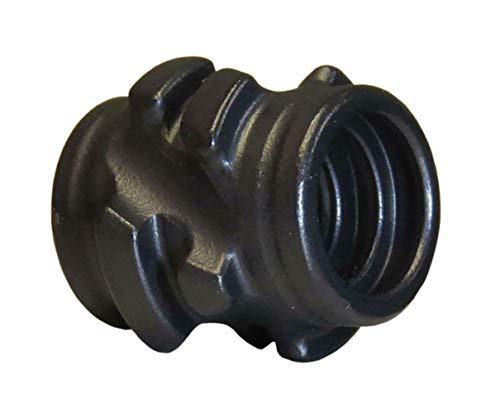
My verdict is simple: Specialty Archery peep sights are a strong buy when setup compatibility matters more than price. They reward a bow that is already close to right, and they punish sloppy fit less than a cheap one-size peep does. If your anchor is repeatable, your string angles are matched, and you know if you need a sharper target image or more light, this brand makes that call easier.
Pros and cons
- Pros: Better setup matching than most budget peeps.
- Pros: Good choice for hunters who want less glare and a cleaner sight picture.
- Pros: Easier to pair with glasses or a clarifier when the aperture choice is right.
- Cons: The wrong aperture can feel too dark fast.
- Cons: Incorrect groove angle can leave you chasing twist and alignment drift.
- Cons: Some installs are not a casual no-tools job.
Who it’s for
This is for compound archers who care about fit, not brand buzz. Hunters, target shooters, and glasses wearers get the most from it when they match peep size, string angle, and sight housing size to the bow instead of guessing.
It is not for someone who wants the cheapest part in the bag, or for a bow that still needs string work, timing work, and anchor help all at once. I have watched too many archers blame the peep when the real issue was their setup.
According to wolvesbite.com — TRUGLO Centra Peep Pro-Series is 3/16 inch.
Specs at a glance
| Spec | What to look for | Why it matters |
|---|---|---|
| Brand | Specialty Archery | Known for setup-sensitive peep choices |
| Aperture size | Common peep diameters vary by light and aiming style | Smaller apertures tighten the sight picture; larger ones let in more light |
| String groove angle | Match the groove angle to your bow fit | Better alignment, less twist, less string abuse |
| Material | Compound-bow peep construction | Material choice affects wear, feel, and durability |
| Anti-glare design | Reduced reflection around the opening | Helps hunters keep a cleaner sight picture in bright or low sun |
| Compatibility | Compound bows | Meant for bows that use a string-mounted peep |
| Installation method | Often easier with a bow press | String separation and safe placement matter |
The setup details matter more than the label on the package. I have watched archers buy a peep by brand, then learn the bow wanted a different aperture, a different groove angle, or a clearer path through the sight housing.
Who it is for
Specialty Archery is best for hunters who shoot at legal light, target shooters who want a cleaner aiming reference, and glasses wearers who need the peep and sight to work together instead of fighting each other. It also fits archers who have had peep twist trouble and want a more deliberate fix.
It is less attractive if you are still changing draw length, anchor point, or string timing. A peep cannot rescue a bow that is not settled.
Hunters who shoot in changing light
Hunters get the most value when the peep opens enough to find the pin at dawn, but still keeps the sight picture clean at the edge of legal light. That balance is why I start most hunting talks with aperture size and string angle, not price.
Target archers who want a clearer aiming reference
Target shooters often want a smaller, cleaner opening and a clarifier if the front sight and target image need help staying crisp. If your sight housing is large and your anchor is solid, a tighter setup can feel very precise.
Glasses wearers and clarifier users
Glasses can change head position, eye relief, and how forgiving the peep feels. If the image looks fuzzy or you have to hunt for the center, a clarifier can help in the right setup, but only if the peep size and housing pairing make sense.
Shooters trying to stop peep twist
If your peep rotates or refuses to stay square, string groove angle is often the first thing I check. The peep may be fine. The fit may not be.
What works

Specialty Archery peep sights work when the build matches the bow. I like them because the decision path is clearer than with many generic peeps: aperture size for light and clarity, groove angle for fit, and optional clarifier use for finer aiming.
Low-light visibility and glare control
For hunting, anti-glare design matters. Light bouncing off the peep can make the opening feel busier than it should, especially when you are shooting into a gray woods line or toward a bright gap in the timber. A subdued surface keeps the sight picture calmer.
That said, glare control is not magic. If the aperture is too small for your anchor and sight housing, the bow can still feel dark even with a well-made peep.
Field of view versus target clarity
Small apertures tighten the picture. Larger apertures give you more light and a wider view of the housing and pin stack.
That is why I do not recommend guessing by brand alone. A 1/8-inch style peep can be perfect for one shooter and too dim for another depending on anchor distance, sight housing size, and how much daylight they actually shoot in.
Alignment stability on the right setup
When the string groove angle matches the bow, the peep settles in with less effort. That means less hunting for the circle and less head movement. The bow feels calmer at full draw, which is what most archers really want.
I have seen this most clearly with shooters who changed from one bow length to another. A short rig asks more from the groove angle than a longer one does. If the fit is off, twist shows up quickly.
String wear and long-term fit
String wear matters, even if people ignore it. A peep that sits wrong in the string can rub harder, shift more, and age the serving faster than it should. A proper fit is part performance and part maintenance.
The best setups do not feel dramatic. They feel boring, and that is a compliment.
What does not
The main drawback is that the wrong configuration fails in obvious ways. A peep that is too small can look dark at legal shooting light. A clarifier can make a target image fuzzy if the sight picture and aperture are not matched. A bad groove angle can bring twist back every session.
When the aperture feels too dark
If you hunt in heavy cover or shoot late, a small opening may feel like you are peering through a keyhole. That is not a product defect. It is a fit problem. The fix is usually aperture size, not more force at anchor.
Fuzzy image issues with the wrong clarifier
Clarifiers help only when the peep, lens, and target distance work together. If the image is soft, do not assume the clarifier is broken. It may be the wrong power, or the sight housing may be too small for the combination you chose.
Fit problems from the wrong groove angle
Short axle-to-axle bows are less forgiving than longer bows. If the groove angle does not match the string path, you will see tilt, rotation, or a peep that never seems to return to center the same way twice.
Cases where installation is not simple
Some bows need a bow press, and some should go to a shop even if you own one. If you do not already understand string separation, serving tension, and peep rotation, this is not the place to improvise.
Which Specialty Archery peep sight should you choose?
Choose the peep size by light first, then by sight housing and aiming style. Small apertures suit bright lanes and target work. Mid-size peeps give hunters a better balance. Larger openings help in darker woods and for archers who want a less cramped view, especially with glasses.
Small apertures for bright lanes and target work
Smaller openings make the front sight picture feel tighter. That can help when your sight housing is easy to pick up and you want a precise aiming window. I prefer this direction for controlled target sessions and bright field conditions.
Mid-size apertures for hunting balance
Mid-size peeps are where many hunting bows land. They usually give enough light for woods shooting without making the picture loose. If you hunt from a stand and your anchor is consistent, this is often the safest first try.
Large apertures for darker woods and glasses users
Larger openings are forgiving. They let more light through and can be easier for glasses wearers who need extra room to find the center without moving their head around. The downside is less visual snap around the target.
How sight housing size changes the choice
A large sight housing can make a peep feel smaller than it is. A compact housing can do the opposite. I always want the shooter to look through their actual hunting sight, not a guess, before choosing the aperture.
Selection matrix: size, angle, and clarifier
This is the part most buyers need. The right peep is not one part. It is a combination. Match aperture size, string groove angle, and clarifier use to the bow, the draw, and the light you actually shoot in.
| Bow setup | Suggested aperture size | Groove angle | Clarifier use | Why this combo works |
|---|---|---|---|---|
| Whitetail hunting in dim woods | Mid-size to larger | Match the bow’s string path closely | Usually no | Keeps the pin visible at legal light without making the image too tight |
| Target bow with a large sight housing | Small to mid-size | Consistent string alignment | Yes, if you want a sharper aiming point | Cleaner reference for distance work and tighter sight picture |
| Glasses wearer on a compound | Mid-size to larger | Angle matched to avoid tilt | Sometimes | More room for head position and less strain to center the circle |
| Low-light hunting rig | Larger end of your comfortable range | Match carefully | Usually no | Prioritizes visibility when the woods get dark fast |
| Short axle-to-axle bow | Mid-size or larger | Angle choice matters more | Rarely needed | Short bows are less forgiving and show twist sooner |
| Longer axle-to-axle bow | Small to mid-size | More forgiving, but still match well | Only if the image needs sharpening | Longer geometry often gives more room to tune the sight picture |
How does Specialty Archery compare with Hamskea, G5, and TRUGLO?
Specialty Archery wins when you care most about fit and setup control. Hamskea is the strongest comparison for hunters who want dual angle options and a strong anti-glare approach. G5 and TRUGLO are worth a look when your priority is a clean sight picture at a different price or material preference.
Fit and adjustment options
Hamskea is a practical rival because it offers dual string groove options, and the Hamskea peep uses 35 and 40 degrees with a TEFLON-like coating. That makes it a smart alternative for archers who want more angle choices out of the box.
Specialty Archery still makes sense when you want to dial your peep around your exact setup rather than buy the broadest option first.
Low-light performance
For hunters, the anti-glare story matters. Hamskea’s anti-glare setup and baffled interior design are built for that problem, while G5’s convex interior and circular aperture approach are aimed at cleaner sight definition. TRUGLO’s Centra Peep Pro-Series is 3/16 inch and uses CNC-machined aluminum, which puts it in a more straightforward, practical lane.
Clarity for target shooters
G5’s design goal is a perfect circular aperture, and that matters to target shooters who want a tidy reference. If you are sensitive to the shape of the opening and like a consistent front ring, that style can feel very natural. Specialty Archery still has the edge when glasses or anchor quirks demand a more tailored fit.
Value for hunters
If you want the most setup-specific hunting result, Specialty Archery is strong. If you want a known dual-angle hunting option with anti-glare features and a coating that protects the string, Hamskea is the easier side-by-side recommendation. TRUGLO tends to be the plain, functional choice when you do not need as much tuning complexity.
Can you install one without a bow press?
Sometimes, but I would not count on it. A bow press is often the safer path because it lets you separate the string, position the peep in the middle of the string, and reduce the risk of serving damage or accidental movement. A helper can be enough on some bows, but not all.
When a press is needed
If the peep has to be inserted into the serving, if the string needs to be spread, or if the bow is under enough tension that the string will not open safely, use a press. That is the normal case for many compound setups.
Safer install path
- Confirm your draw length and anchor before you move anything.
- Check whether the peep sits centered at full draw.
- Use a press if the string cannot be separated safely by hand.
- Install the peep in the middle of the string.
- Draw and inspect for twist, tilt, and string wear.
Signs the string needs a pro setup
If the peep rotates badly, the bow string looks uneven, or the peep never comes to level after a few shots, stop and let a shop tune it. That is especially true on new strings or on a bow that already needs timing work.
Should you buy it
Yes, if your bow is close to tuned and you want a peep setup that rewards careful matching. Specialty Archery is the better buy for archers who know their draw, know their sight housing, and care about what happens at legal light. It is less appealing if you want a plug-and-play part with no tuning thought.
My final pick by setup is straightforward. For hunting, start with a mid-size or larger aperture and a groove angle that matches your bow. For target work, go smaller if your sight picture stays bright. For glasses, lean larger before you reach for a clarifier. For short bows, pay extra attention to twist.
Frequently asked questions
Is the Specialty Archery peep sight worth it for hunting?
Yes, if your priority is a clean, consistent sight picture in changing light. It is worth it when the aperture size and groove angle match your bow. If you mostly shoot in bright conditions and do not care about fine fit, a simpler peep may be enough.
What size Specialty Archery peep sight should I choose?
Choose the smallest size that still gives you a usable sight picture in the light you actually hunt or shoot in. I start hunters in the middle range, then move larger if the bow feels too dark at anchor. Target shooters can usually go smaller.
How does a Specialty Archery peep sight affect low-light aiming?
It can help or hurt depending on the aperture. A well-matched peep makes it easier to find the pin without rushing your shot. A peep that is too small can look dim at legal light and force you to lift your head or strain your eye.
Does Specialty Archery make a tubeless peep sight?
Specialty Archery is known for peep and aligner-style components, and tubeless systems are a real option in this category for archers who want a cleaner setup. The key question is not the label alone. It is whether the alignment stays stable on your bow.
Which Specialty Archery peep sight works best with glasses or a clarifier?
A larger aperture is usually the safer starting point for glasses wearers, because it gives your eye and frame more room to line up. If the target image still needs sharpening, then a clarifier may help, but only after the aperture and housing are matched first.
How do I stop peep sight twist with a Specialty Archery setup?
Start by matching the groove angle to your bow and confirming the peep is centered in the string. If twist still shows up, the issue may be string length, serving wear, or draw-length mismatch. On short bows, small setup errors show up fast.
What is the difference between Specialty Archery and other peep sight brands?
Specialty Archery is the pick when fit control matters most. Hamskea offers strong anti-glare features and dual groove choices, G5 leans toward a crisp circular sight picture, and TRUGLO gives you a practical aluminum option. The best brand depends on your bow and the light you shoot in.
Can I install a Specialty Archery peep sight without a bow press?
Sometimes, but I would not make that the plan. A bow press makes the job safer and cleaner on most compound bows, especially if the string must be separated. If you are unsure, let a shop do it and save the string from avoidable wear.