How Do You Straighten Wooden Arrows: Proven Essential
Quick Summary: Straightening wooden arrows involves gently heating and carefully bending the shaft to correct minor warps, often using a simple heat source and a guiding jig. This essential skill ensures your arrows fly true, improving your accuracy and archery experience. It’s a straightforward process for maintaining your equipment.

Basbon
Basbon 8 Pcs Wooden Feather Arrows Soft…
- Natural Material: The arrows are crafted from high-quality wood, ensuring durability and a natural aesthetic. The arrowheads are m…
- Size: The wooden arrows measure 17 inches (43 cm) in length, and each package contains 8 feather arrows.
- Archery Toy: The children's toy arrows are compatible with most toy bows and arrows, serving as replacements or additional supply…
As an Amazon Associate I earn from qualifying purchases.
Welcome, fellow archers! Are your wooden arrows not flying as straight as they used to? It’s a common frustration many beginners and hobbyists face. A slightly bent wooden arrow can send your shots wide, impacting your accuracy and overall enjoyment of archery. Don’t worry, though! This isn’t a sign you need a whole new set of arrows. With a little patience and a few simple tools, you can easily learn how to straighten wooden arrows and get them flying true again. It’s a vital skill for any archer who values precision and wants to get the most out of their equipment. Let’s dive into this essential technique, and soon you’ll be confident in keeping your wooden arrows in top shape.
Why Do Wooden Arrows Get Bent?
Wooden arrows are fantastic for their natural feel and classic appeal, but wood is a natural material, and like all natural materials, it has its quirks. Several things can cause a wooden arrow shaft to develop a slight bend or warp:
- Moisture: Wood expands and contracts with changes in humidity. If an arrow absorbs moisture unevenly, it can cause the grain to swell differently, leading to a bend.
- Impacts: Hitting hard objects like trees, rocks, or even a dense target butt can impart stress on the arrow shaft, causing it to bend on impact.
- Storage: Storing arrows improperly, such as leaning them against a wall for extended periods or stacking heavy objects on top of them, can create pressure points that lead to warping over time.
- Manufacturing Variations: Even with the best manufacturing processes, slight inconsistencies in the wood grain can sometimes lead to a natural tendency for an arrow to develop a slight bend.
- Handling: Repeatedly dropping arrows or bending them while nocking or un-nocking can also contribute to minor deformities.
Understanding these causes helps us appreciate why straightening bent wooden arrows is a necessary maintenance skill. It’s not a sign of faulty arrows, but rather a natural part of owning and using wooden archery equipment.

Is Straightening Wooden Arrows Safe for the Arrow?
Yes, straightening wooden arrows is generally safe for the arrow and can significantly extend its usable life, provided it’s done correctly. The key is to be gentle and patient. The method we’ll discuss involves applying controlled, low heat and gentle pressure. This process works by making the wood slightly more pliable, allowing you to guide it back into its original straight form. Overheating, applying too much force, or trying to bend a severely damaged arrow can, however, cause further damage or even break the shaft. So, while the technique itself is safe, careful execution is crucial.
Tools You’ll Need to Straighten Wooden Arrows
You don’t need a professional archery workshop to straighten your wooden arrows. Most of the tools are common household items or inexpensive archery accessories:
- Heat Source: This is your primary tool. Options include:
- A Hair Dryer: This is the safest and most beginner-friendly option. It provides consistent, controllable heat without being too intense.
- A Heat Gun (on a low setting): Use with extreme caution. Always keep it moving and on the lowest setting to avoid scorching the wood.
- A Gentle Lamp (like a desk lamp): Placing the arrow near, but not directly touching, the bulb can also provide sufficient warmth.
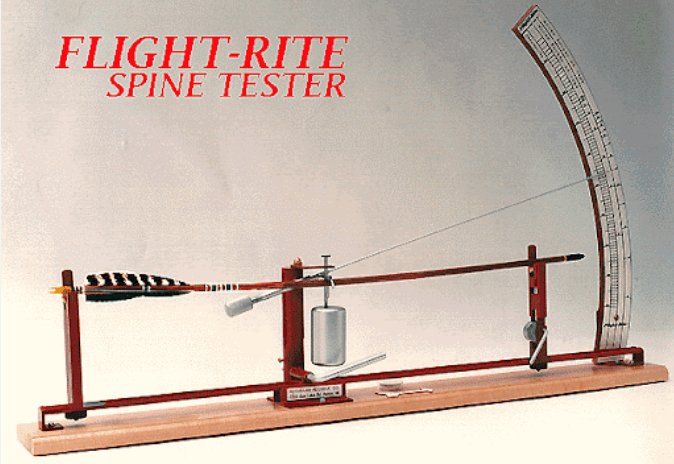
- Arrow Straightening Jig (Optional but Recommended): While you can use your hands, a jig provides consistent, even pressure and support. You can buy specialized arrow straighteners online or at archery shops. Many are designed with rollers or vises that help hold the arrow and apply pressure.
- A Flat Surface: A sturdy table or workbench to work on.
- Gloves (Optional): To protect your hands from heat, especially if using a heat gun.
- A Straight Edge or Another Straight Arrow: To help you gauge the straightness of your arrow as you work.
- A Rag or Soft Cloth: To protect the arrow’s finish and provide grip.
Having these items ready will make the process much smoother and more effective.
How Do You Straighten Wooden Arrows: A Step-by-Step Guide
Now for the main event! Follow these steps carefully to get your wooden arrows back to their prime flying condition. Remember, patience is your best friend here.
Step 1: Identify the Bend
First, you need to find where the arrow is bent. Roll the arrow on your flat surface. Look closely for any sections that don’t roll smoothly or appear to deviate from a straight line. You can also hold the arrow at eye level by both ends and look down its length to spot any wobbles or curves.
Step 2: Prepare Your Workspace
Set up your flat surface. If using a hair dryer, ensure it’s plugged in and within reach. If using a jig, assemble it according to its instructions. Have your straight edge or another straight arrow ready to use as a reference.
Step 3: Apply Gentle Heat
This is the most critical step. Hold the arrow by the ends, or secure it in your jig. Gently warm the bent section of the arrow.
- Using a Hair Dryer: Set it to a medium or high heat setting. Hold it about 3-4 inches away from the shaft. Wave the dryer back and forth along the bent area and a few inches on either side. Don’t focus the heat on one single spot for too long. You want to warm the wood evenly, not cook it. The goal is to make the wood warm to the touch but not so hot that you can’t comfortably hold it with your bare hands.
- Using a Heat Gun (with extreme caution): Set it to its lowest heat setting. Keep it moving constantly, at least 6-8 inches away from the arrow. Wave it back and forth along the bent section. If you feel any part of the arrow becoming uncomfortably hot, immediately move the gun away.
The wood needs to be warm and slightly pliable, not hot or scorched. This process might take a minute or two of gentle heating.
Step 4: Apply Gentle Pressure
Once the arrow shaft is warm and feels slightly flexible, it’s time to apply pressure.
- Without a Jig: Carefully and gently bend the arrow shaft against the curve. Apply just enough pressure to counteract the bend. Don’t force it! You’re guiding the wood, not breaking it.
- With a Jig: If your jig has a mechanism to apply pressure, use it slowly and steadily. If it requires you to manually apply pressure while the arrow is held in place, do so gently.
As you apply pressure, keep checking the arrow against your straight edge or reference arrow. You’re aiming for a straight line.
Step 5: Hold and Cool
Once you feel the bend has been corrected or significantly reduced, hold the arrow in its straightened position. Continue to apply gentle pressure for a minute or two as the wood cools. This helps the wood retain its new, straight shape. If you used a hair dryer, you can switch it to the ‘cool’ setting and direct it at the area you were heating while holding the pressure.
Step 6: Check and Repeat (If Necessary)
Let the arrow cool completely. Then, roll it on your flat surface again to check for straightness. You might find that one application was enough. However, some stubborn bends might require repeating the heating and bending process. If so, repeat steps 3 through 5. Be patient; it might take a couple of tries for particularly stubborn warps.
Step 7: Inspect for Damage
After straightening, carefully inspect the entire shaft for any signs of cracking, splitting, or scorching. Also, check where the nock and fletchings are attached to ensure they were not affected. If you see any damage, it’s best to retire the arrow. A straightened arrow should look and feel sound.
When is an Arrow Too Bent to Straighten?
While most minor bends can be fixed, there are times when an arrow is beyond repair. You should generally discard an arrow if:
- The bend is very sharp (like a kink): This indicates the wood fibers have been significantly stressed, making it prone to breaking.
- There are visible cracks or splits in the shaft: Even if you can straighten the bend, a crack compromises the arrow’s structural integrity, making it dangerous to shoot.
- The bend is severe over a large portion of the shaft: Trying to straighten a deeply curved arrow can weaken it.
- The damage occurred near the nock or fletchings: These areas are critical for flight stability and proper nocking. Damage here is harder to fix and can affect accuracy and safety.
- The wood feels brittle or dry: If the wood seems overly dry and brittle, it might not withstand the bending process without snapping.
Safety is paramount in archery. If there’s any doubt about an arrow’s integrity after attempting to straighten it, it’s always better to err on the side of caution and replace it. According to the U.S. Fish and Wildlife Service, ensuring your equipment is in good condition is a fundamental part of safe hunting and shooting practices.
Alternative Methods and Considerations
While the heat and gentle bending method is the most common and effective for wooden arrows, some archers might encounter other situations or consider alternative approaches. It’s important to note that these are often less recommended or only suitable for specific circumstances.
Arrow Straightening Gadgets
There are various arrow straightening jigs and tools available on the market. Some are simple devices with rollers and a handle to apply pressure, while others are more complex, sometimes even incorporating a heat source. For beginners, a jig can be very helpful as it provides consistent support and pressure, reducing the risk of accidental damage. Popular designs often involve a base with rollers that hold the arrow, and a mechanism for applying controlled bending force. Look for reviews and choose one suited for wooden arrows.
Using a Straightening Block
A simple straightening block can be made from a piece of hardwood with a groove carved into it. You would warm the arrow and then use the groove in the block to help guide the bend. This requires a bit more DIY skill but can be effective. Ensure the groove is smooth and matches the diameter of your arrows.
Ice Baths for Setting the Straightness
Some archers advocate for using an ice bath after straightening. The idea is that heating, bending, and then rapidly cooling the wood helps to “set” its new straight form more effectively. After straightening and holding the bend, quickly immerse the warmed section in ice-cold water for a minute. This is an optional step and not strictly necessary but can be a useful addition to the cooling phase.
Working with Different Wood Types
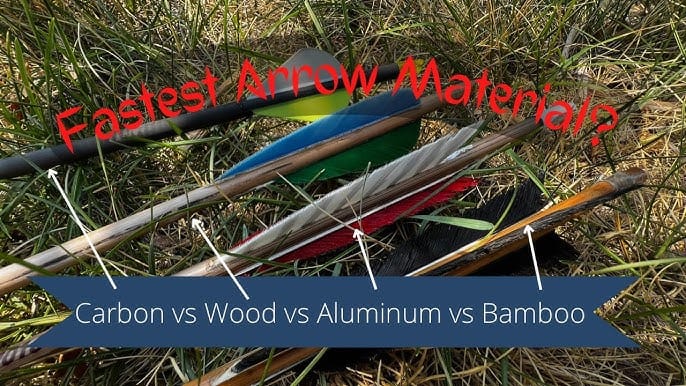
Different wood types used for arrows (like Port Orford Cedar, pine, or douglas fir) can react slightly differently to heat and bending. Cedar is generally more forgiving and easier to straighten due to its natural flexibility. Harder woods might require more patience and slightly more heat, but always proceed with extreme caution to avoid making them brittle or cracking.
What NOT to Do
It’s just as important to know what to avoid. Never try to straighten an arrow by:
- Using direct flame: A lighter or torch will scorch and potentially ignite the wood.
- Bending it sharply or with excessive force: This will break the arrow or create a weak point.
- Submerging in boiling water: While some woodworkers use boiling water, it can over-saturate and weaken arrow shafts, and is much harder to control than warmth.
- Applying heat with a soldering iron directly: This concentrates heat too much in one spot.
Preventative Measures: Keeping Your Arrows Straight
The best way to deal with bent arrows is to prevent them from getting bent in the first place! Here are some tips:
- Proper Storage: Store your arrows vertically in an arrow tube or quiver. Avoid leaning them against walls for long periods, as this can cause them to sag. Don’t pile heavy objects on top of them.
- Careful Handling: Be mindful when retrieving arrows from targets, especially firm ones where they can get lodged. Avoid yanking them out forcefully.
- Inspect Regularly: Before and after each shooting session, quickly roll your arrows on a flat surface to check for any developing bends or damage.
- Mind Your Impacts: Try to shoot into targets that are not excessively hard. If you’re shooting at a backyard target, ensure it’s not leaning against a fence or set up where arrows will hit solid objects behind it.
- Control Storage Environment: If possible, store your arrows in an environment with stable humidity. Avoid extreme dampness or dryness.
Taking these simple preventative steps can significantly reduce the need to straighten your wooden arrows, ensuring they stay in good shooting condition for longer.

Table: Common Arrow Bending Issues and Solutions
| Problem | Description | Recommended Solution | Caution |
|---|---|---|---|
| Minor Bend/Warp | The arrow doesn’t roll perfectly straight, a slight curve is visible by eye. | Gentle heat (hair dryer) and careful pressure. | Do not overheat or bend too forcefully. |
| Kinked Shaft | A sharp, noticeable bend or angle in the shaft. | Attempt gentle straightening, but be aware it may be too severe. | High risk of breaking or weakening the shaft. May be unfixable. |
| Curved Shaft (Gentle) | A long, sweeping curve along a significant portion of the shaft. | Multiple, careful applications of heat and gentle pressure along the curve. | Takes time and patience. May not achieve perfect straightness but can improve accuracy. |
| Shaft Splitting/Cracking | Visible damage to the wood fibers. | Discard the arrow. | Never attempt to straighten a cracked arrow. It’s unsafe. |
| Bent Nock or Fletching | Damage near the ends of the arrow. | Repair or replace nock/fletchings if shaft is straight. If shaft is bent in this area, discard. | Damage here can significantly affect flight dynamics. |
Table: Straightening Wooden Arrows – Pros and Cons
| Pros | Cons |
|---|---|
| Restores arrow straightness and accuracy. | Requires patience and care. |
| Saves money by repairing existing arrows. | Severe bends or cracks cannot be fixed. |
| Extends the lifespan of wooden arrows. | Overheating or too much force can damage the arrow. |
| Develops valuable archery equipment maintenance skills. | Not suitable for carbon or aluminum arrows. |
| Simple process with common tools. | The straightened area might be slightly weaker than the original shaft. |
Frequently Asked Questions (FAQs)
Q1: How do I know if my wooden arrow is truly straight?
The best way is to roll it on a perfectly flat surface. A straight arrow will roll smoothly without wobbling. You can also hold it at eye level and look down its length. Visually comparing it to a known straight arrow is also a good technique.
Q2: Can I use a heat gun to straighten my arrows?
Yes, but you must use it with extreme caution and on the lowest setting. Always keep the heat gun moving, several inches away from the shaft, and never focus the heat on one spot for too long. Overheating will damage the wood. A hair dryer is a much safer option for beginners.
Q3: How much heat is too much heat?
If the wood feels too hot to touch comfortably for more than a few seconds, it’s too hot. You should also watch for any signs of scorching, discoloration, or a “cooked” smell. The wood should become pliable, not brittle or burnt.
Related pick: Check today's price on Amazon