How to Measure Your Hand for an Archery Glove
Measure from the first wrist crease to the tip of your middle finger, then compare that length with your knuckle circumference and size up if you sit between sizes. If the glove is too short or too tight, string feel drops, anchor shifts, and fingertips get irritated. This guide shows which hand measurements matter, how to take them, and how to turn them into a glove size that fits cleanly.
Why archery glove fit matters
Archery glove fit is about the drawing hand, not general fashion sizing. The fit has to protect the three drawing fingers, keep the fingertips clear for clean string contact, and stop the glove from moving as the bow comes to anchor. That is different from buying a casual work glove.
Finger tabs are the standard choice for target archery and Olympic recurve shooting, and World Archery competitions use tabs at every level, including the Olympics. Archery shooting gloves are preferred by traditional bowhunters for field use. A tab gives a smoother release, while a glove covers the three drawing fingers individually.
String feel and fingertip clearance
A glove that ends short on the fingers can press on the fingertips instead of covering them cleanly. That can make the string feel harsh, especially on the middle finger, which often carries the most load. Fit has to leave enough leather or synthetic material over the finger tips without bunching at the joints.
Seam placement matters too. If a seam lands right on the pad of the middle finger or across the first joint, the string will feel uneven. The glove should cover the string fingers fully, but the stitching should stay away from the exact contact path.
Why anchor consistency changes with fit
Anchor consistency changes when the glove shifts on the hand. A loose wrist, a sliding palm, or extra length at the fingertips can move the drawing fingers slightly each time. That small change can alter how the string sits and how the hand meets the face.
Wrist strap or Velcro closure changes that feeling. A secure closure keeps the glove positioned on the hand during the draw, which matters more than a soft, roomy feel. If the closure sits in the wrong place, though, it can interfere with the anchor or press against the wrist bone.
When a glove is better than a finger tab
For recurve and traditional shooting, a glove makes sense when field use, cold weather, or quick wear matter more than the smoothest possible release. For target recurve, a tab is often the cleaner choice. If repeatable string release is the main goal, a tab usually has the edge.
A finger tab is a small leather shield worn over the drawing fingers. A shooting glove covers the three drawing fingers individually. That difference matters because the tab isolates contact better, while the glove adds more material around each finger and can feel warmer or bulkier.
How to measure your drawing hand
Measure the drawing hand, not your off hand. For archery glove sizing, the measurements that matter most are hand circumference, hand length, and palm width. Together they tell you whether the glove will cover the fingers, stay flat across the palm, and sit without moving.
Measure hand circumference
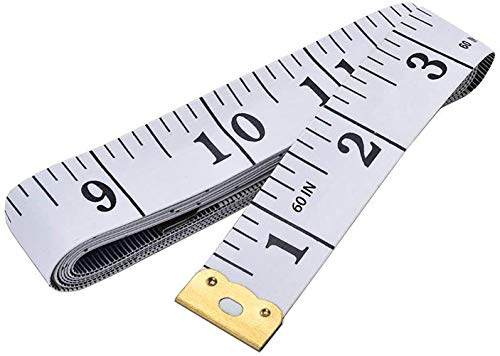
Wrap a flexible tape around the widest part of the palm, just below the knuckles and across the back of the hand, excluding the thumb. EN ISO 21420 is commonly used as a general glove sizing reference, and it helps map the hand to alpha sizes.
Keep the tape level and firm, but not tight. Measure around the widest part of the palm with the fingers relaxed. If the tape crosses the thumb, start again. Thumb inclusion inflates the number and can push the glove size too large for the drawing fingers.
Measure palm width
Palm width is commonly measured across the widest part of the palm, below the knuckles, excluding the thumb. Lay the hand flat and measure from the outer edge of the palm on one side to the outer edge on the other. This helps catch hands that are broad but not especially long.
Use palm width as a cross-check, not the only number. A hand can have a moderate circumference but still need a larger glove if the palm is wide or the fingers are long. That is common with archers who have a long middle finger and a narrow wrist.
Measure hand length
Measure from the first wrist crease to the tip of the middle finger. That length checks fingertip clearance and helps avoid short gloves. If the middle finger is especially long, the glove may need to size up even when circumference looks moderate.
Hand length is often the measurement that generic sizing misses. For archery, it matters because a glove that is short at the fingers can pull seams into the contact area. Measure with the hand straight, not curled, and use the same wrist crease each time.
Archery glove sizing worksheet
Use this text-only worksheet to turn the three measurements into a glove choice. The goal is not a fashion fit. The goal is a drawing glove that covers the fingers cleanly, stays in place, and leaves enough feel for the string.
Three-step sizing method
- Measure hand circumference around the widest part of the palm, excluding the thumb.
- Measure hand length from the first wrist crease to the tip of the middle finger.
- Measure palm width across the widest part of the palm below the knuckles, then compare all three numbers with the brand chart.
EN ISO 21420 uses hand circumference and hand length as general glove sizing references. That helps with the first pass, but archery needs a fit check beyond the standard. A glove can match a chart and still fail if the fingertips are cramped or the closure presses on the anchor side of the wrist.
Fit decision table
| Measurement pattern | What it usually means | Practical glove choice |
|---|---|---|
| Circumference and palm width match, hand length is short | The hand is broad but not long | Choose the measured size if the fingers are fully covered; otherwise move up one size for fingertip clearance |
| Circumference matches, hand length is long | The fingers need more room than the palm does | Size up if the middle finger presses the seam or the fingertip hits the end |
| Hand length matches, circumference is on the high end | The palm may feel tight across the knuckles | Choose the larger size if the glove binds at full draw or the closure pulls sideways |
| All three measurements sit between two sizes | You are between sizes | Use the between-sizes rule set below |
Between-sizes rule set
- Choose the smaller size if you want a snug fit, the fingers are fully covered, and the seams stay off the string-contact pads.
- Choose the larger size if the middle finger touches the end, the wrist pulls the glove off-line, or the closure pinches at anchor.
- If you will wear a liner in cold weather, size for the liner on.
- If leather is the material, expect some softening after break-in.
- If synthetic material is the material, expect less stretch and less shape change over time.
A common first-timer mistake is choosing the smaller size because the glove feels “sporty” off the hand, then finding that the middle finger hits the seam at full draw. For archery, that error usually shows up as fingertip pressure, not just simple discomfort.
How to read glove sizes
Alpha sizes from XS to XL are a practical map, but they are not exact across brands. One maker’s medium can feel like another maker’s large. Use the chart as a starting point, then confirm it against hand length and finger clearance rather than trusting the label alone.
Alpha sizes from XS to XL
Most archery glove lines use alpha sizing because it is easier to shop quickly than numeric glove measurements. The label tells you the general range, but it does not guarantee the fingers will fit the same way from one brand to another. That is why the worksheet above matters.
The Archery Max Handmade Brown Leather 3 Finger Gloves are described as a best overall option for recurve and traditional archers, and the review notes a 9.7/10 rating. The Bear Archery ASG101XL is an XL three-finger shooting glove for traditional bow shooters. The Seektop Archery Gloves come in four sizes, and the sizing advice suggests sizing down if you prefer a snug fit.
What EN ISO 21420 means
EN ISO 21420 is a general glove sizing reference built around hand circumference and hand length. It helps standardize the first sizing pass, but it does not account for string contact, seam placement, or how the glove behaves at full draw. Archery adds those checks.
That matters because a glove can be “correct” on paper and still wrong on the hand. If the middle finger is long, the finger tips may bottom out before the circumference feels tight. If the wrist strap sits high, the glove may also tug against the anchor point.
Why brands still vary
Brands vary because pattern shape, finger cut, leather thickness, and closure design vary. Two XL gloves can fit differently at the fingertips, the palm, and the wrist. That is why a sizing chart can guide the first choice but cannot replace a fit check.
Do archery gloves run small or large? There is no single answer. Some run snug, some roomy, and some are cut long in the fingers. The safest approach is to compare the hand measurements to the brand chart and then check the fingertip clearance and wrist fit.
What changes glove fit
Material, closure design, and cold-weather layering all change how the glove feels on the bow hand. The same measured size can feel correct in one glove and cramped or loose in another. That difference is normal, especially when moving between leather and synthetic models.
Leather versus synthetic materials
Leather can soften and adapt over time, so a glove that starts slightly firm may settle after break-in. Synthetic materials may hold their shape more consistently, but they may also feel less forgiving around the fingertips. That means fit can change after a few sessions.
Do not assume both materials will behave the same way. A leather glove may ease at the knuckles and finger bends, while a synthetic glove may stay closer to its original cut. If the fit is already marginal on day one, the material choice matters.
Wrist strap and Velcro closure
A wrist strap or Velcro closure secures glove position and reduces shifting during the shot. That is helpful for anchor consistency, but it also affects the overall fit feeling. A strap that is too stiff or too wide can press against the wrist or the base of the hand.
Check where the closure lands when the hand is at anchor. If it sits under the arrow hand contact area or pushes against the wrist bone, the glove may feel larger or smaller than the measurement suggests. Closure placement is part of fit, not an afterthought.
Wearing a liner in cold weather
If the glove will be worn over a liner, measure with that liner on. Cold-weather archery changes hand thickness, especially across the palm and knuckles. A glove that fits bare-handed may pinch once a liner is added.
Suppose a traditional archer measures 8.0 inches around the palm without a liner and buys a snug size that fits well in mild weather. Add a thin liner, and the palm can feel tight at full draw. In that case, sizing up once may preserve both warmth and finger clearance.
How should an archery glove fit?
An archery glove should feel close enough to keep the drawing fingers stable, but not so tight that it limits finger bend or pulls at the fingertips. It should stay put during the draw, keep seams off the contact path, and leave the wrist free of pressure from the closure.
Signs the glove is too tight
If the fingertips press into the end of the glove, the middle finger feels pinched, or the palm pulls across the knuckles, the glove is too tight. Another sign is a closure that must be forced to close or leaves a red pressure line after a few draws.
Tightness can also show up as uneven string feel. When the glove is short, the string may ride directly on a seam or on the fingertip, which can irritate the drawing fingers and disturb anchor consistency.
Signs the glove is too loose
If the glove shifts when the bow hand relaxes, the fingers slide inside the stalls, or the wrist strap has to be overtightened just to hold position, the glove is too loose. Extra room can also let the string meet different parts of the fingertips from shot to shot.
Loose fit is not only a comfort issue. It can place the seam in the wrong spot after the draw starts, and that change shows up as inconsistent string feel. A glove should move with the hand, not around it.
Fit checks for the drawing fingers
Check the fit with all three drawing fingers bent as they would be on the string. The glove should cover each finger fully, with no hard pressure at the fingertip and no seam sitting on the string contact pad. The middle finger deserves the closest check because it often shows length problems first.
Picture a recurve shooter whose hand circumference suggests medium, but the middle finger is long enough that the glove seam lands on the fingertip. The glove may feel fine at rest and still fail at full draw. That is why hand length belongs in the sizing decision.
Frequently asked questions
What hand measurements matter for an archery glove?
The three that matter most are hand circumference, hand length, and palm width. Circumference maps to alpha sizing, length protects fingertip clearance, and width helps catch broad palms that may need more room. Together, they give a better fit than small, medium, or large alone.
What size archery glove do I need for recurve shooting?
For recurve shooting, choose the size that covers the drawing fingers fully, stays stable at anchor, and does not crowd the middle finger. If you are between sizes, the larger one often works better for finger clearance, but only if the glove does not become sloppy on the hand.
What if I’m between glove sizes for archery?
If you are between sizes, use the middle finger and wrist fit to decide. Choose the smaller size only when the fingers are fully covered and the seams stay clear of the string path. Choose the larger size if the glove is short, tight, or hard to close with a liner.
Do archery gloves run small or large?
Archery gloves vary by brand and material, so there is no universal answer. Some cut close, some run roomy, and some change a lot after break-in. Use the brand chart, but trust hand length and fingertip clearance more than the label alone.