Leather vs Synthetic Archery Gloves: Fit and Feel Compared
Leather gloves usually fit tighter and hold their shape better once sized right, while synthetic gloves usually give more stretch, dry faster, and need less break-in. Pick the wrong one and you can lose fingertip feel, fight seam pressure, or change how cleanly the string leaves your fingers. I’ve compared stretch, seam feel, fingertip compression, break-in, and weather response on recurve and traditional bows.
Leather vs synthetic archery gloves: the real trade-off
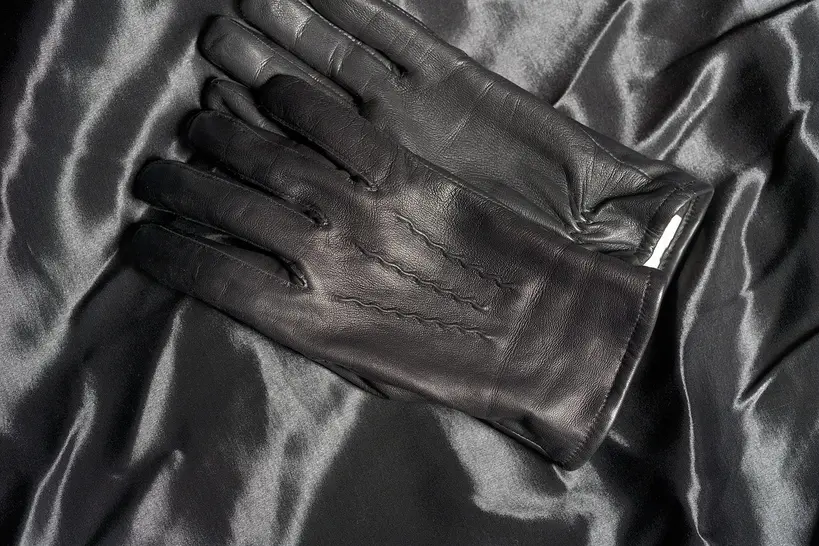
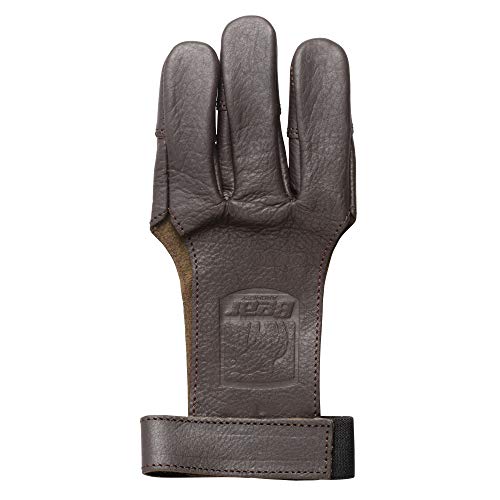

| Decision factor | Leather | synthetic archery gloves: Fit and feel compared | Winner |
|---|---|---|---|
| Fingertip shape and compression | Holds its shape closer to the finger once sized well | Usually gives more stretch and recovery around the fingertips | Leather for shape-holding; synthetic for stretch |
| Seam feel on the shot | Can feel smoother after break-in, but seams can stay noticeable if the cut is off | Seams may move a bit more with hand flex, which can reduce or shift hotspots | Tie |
| Break-in speed | Slower at first, then changes shape with use | Usually ready faster and changes less over time | Synthetic |
| Weather handling | Feels better dry; can stiffen or hold moisture longer | Usually dries faster and resists weather changes better | Synthetic |
| String feedback | Often feels more natural and muted | Can feel a touch more synthetic or less settled, depending on build | Leather |
Fingertip length and compression at full draw
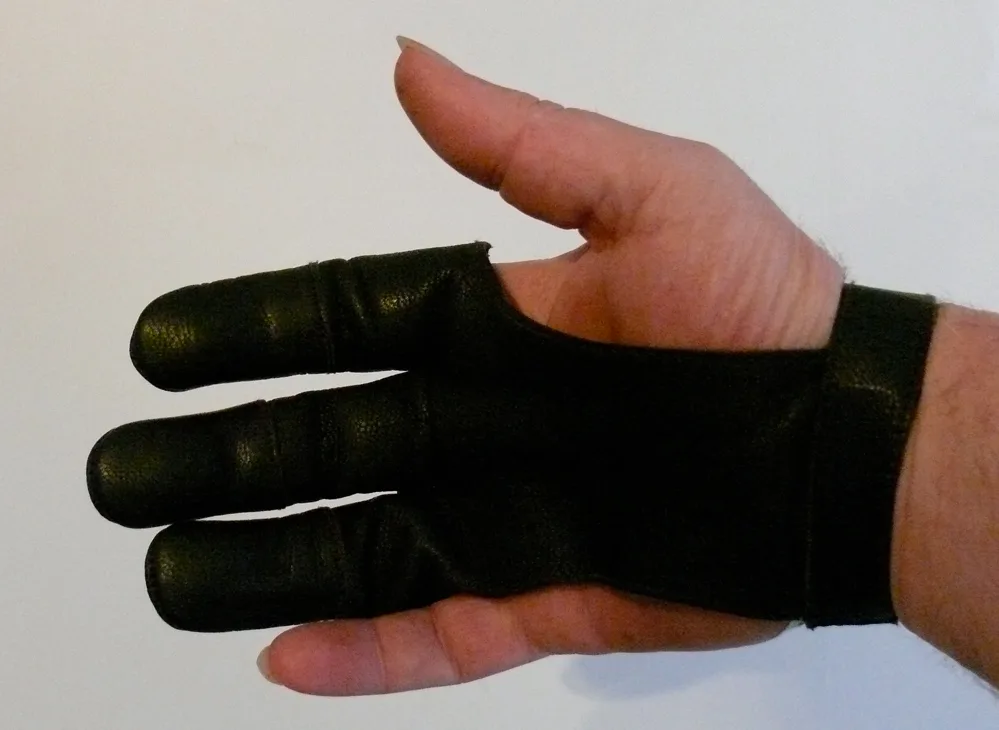
Both materials should cover the drawing fingers without extra material past the fingertips. I check this on a 3-finger shooting glove by making a full draw and watching for folded leather or puckering at the last joint, because extra material there can affect bowstring contact feel.
Leather usually molds closer to the finger after use. Synthetic often gives a bit more forgiveness if one finger is slightly longer than the others, but that same stretch can become slop if the glove starts large.
Seam placement, finger curl, and hotspot risk
Seams matter more than the tag on the glove. If a seam crosses the pad of the index or middle finger, I feel it within a handful of ends, especially on a heavier bow where the string pressure stands out.
Leather tends to settle into the curl of the fingers over time. Synthetic can move more with hand flex, which helps some shooters and annoys others. If you feel a pinch at the first knuckle or the fingertip crease, the cut is wrong.
Wrist stability and the role of a Velcro wrist strap
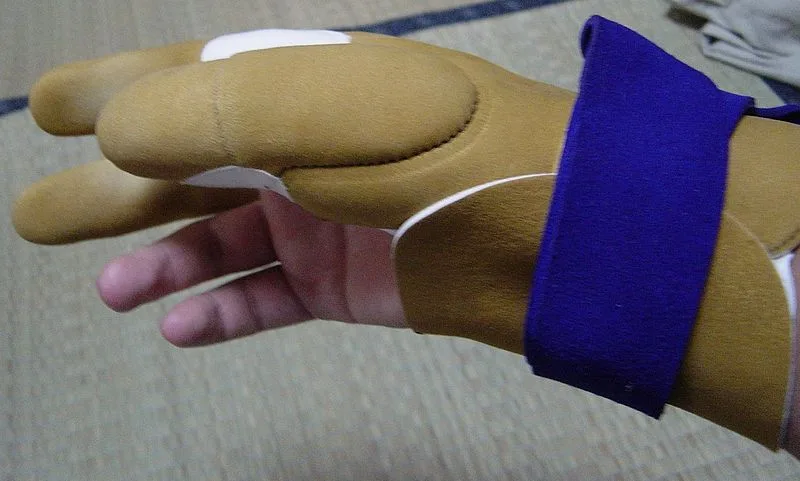
A Velcro wrist strap helps either material stay put during the draw, and that matters more than people admit. If the glove twists while you set the hook, the string contact point changes before release.
I want the wrist to feel locked without cutting off circulation. In my testing, a good strap lets the hand open and close cleanly while helping keep the fingers lined up the same way from first arrow to last.
According to Leather – Wikipedia — Leather making has been practiced for more than 7,000 years. (source)
Which glove feels better on the string?
Leather usually gives the cleaner, more natural string feel because it settles around the fingers and spreads pressure in a way many recurve and traditional archers like. Synthetic can feel sharper or more slippery, but a well-cut synthetic glove can still give solid release consistency if the seams and fingertip length are right.
String feedback and pressure distribution
Bowstring contact feel changes when the material shifts under load. Leather often spreads pressure across the finger pads a little more evenly once broken in, so the string feels less harsh at anchor.
Synthetic materials can keep a more uniform surface early on, which some shooters read as crisp. I’ve found that this helps if the glove is thin and well fit, but it can also make a bad seam feel more obvious.
How each material affects release consistency
Release consistency comes from repeatable contact, not from the marketing label. Leather’s stronger shape memory after break-in can help the same spot of the finger meet the string each shot, which is why many archers describe it as more natural.
Synthetic gloves usually recover faster after the fingers open, so they can feel dependable in damp or sweaty sessions. If the glove is loose, though, that recovery can turn into bounce, and bounce is bad news for clean release.
When a flat tab feel still beats a glove
A finger tab gives a flatter string-contact surface, and that can still beat any glove when you want the most controlled face on the string. Many Olympic recurve archers use cordovan-faced tabs, and that setup uses a plate, spacer, separator, and platform to help keep the contact area consistent.
I’m not turning this into a tab-vs-glove piece. I only mention it because if you want the closest thing to a flat release surface, a tab with a cordovan face material or synthetic face material may beat both glove types.
Which breaks in faster, leather or synthetic?
Synthetic gloves often break in faster than leather gloves. Leather often feels stiff on day one, then changes after a handful of shots, and again after several sessions as the hide relaxes around your fingers.
First session feel versus after 10 shots
On the first session, leather can feel firm at the fingertips and a little boardy across the seams. After a handful of shots, the finger bends should start matching the hand better, if the sizing was close to right.
Synthetic usually feels closer to final form on day one. If the glove is going to work for you, you’ll know sooner, which helps beginners who don’t want to spend a week guessing whether the fit will improve.
How leather changes with use
Leather is a strong, flexible and durable material obtained from tanning animal skins and hides. Leather making has been practiced for more than 7,000 years, and that long history shows up in the way it settles rather than snaps into shape.
The common tanning process includes preparatory stages, tanning, and crusting. Chrome-tanned leather uses chromium sulfate and other chromium salts, while vegetable-tanned leather is tanned using tannins extracted from vegetable matter. In glove use, that translates into different break-in feel and different changes over time.
How synthetic stretch and recovery usually behave
Synthetic glove material is man-made, so it usually starts with more predictable stretch and recovery. That helps if your finger length changes a little from one brand to another, or if you prefer a glove that behaves almost the same after the third end as it did out of the package.
Still, “less break-in” does not mean “no fit work.” A synthetic glove that is too roomy at the fingertips may stay roomy, and that can hurt string sensitivity instead of helping it.
How do leather and synthetic gloves handle weather?
Synthetic gloves often handle weather changes better because they tend to dry faster and stay more consistent in sweat, cold, and light wetness. Leather can feel better in dry shooting, but it may stiffen in the cold or hold moisture longer after a wet session.
Sweat handling in warm weather
If your hands sweat, synthetic often wins on day-to-day comfort. It sheds moisture faster and usually keeps the fingers from feeling soggy halfway through a practice block.
Leather can absorb some sweat and then feel softer, which sounds nice until the fit changes enough to affect fingertip length and seam contact. I notice that most on long summer sessions where grip and draw rhythm start to change.
Cold-weather stiffness and hand feel
Cold makes leather firmer first. That can reduce feel at the string until the glove warms up in use, and the first few arrows may tell you more about the weather than about the glove.
Synthetic material usually stays more consistent in the cold, though some gloves get a little slick when the hand is dry and chilled. If you hunt late season, that steadier response matters more than a soft initial feel.
Wet conditions, drying time, and grip stability
Wet conditions expose the difference fast. Leather can lose its nice hand feel and take longer to return to shape, while synthetic generally dries faster and keeps the wrist strap and fingers more stable.
If I expect rain, snow, or heavy dew, I choose for stability first. A glove that twists or squashes at the fingertips will cost me more arrows than a glove that feels slightly less traditional.
Shot-by-shot fit checklist for leather vs synthetic gloves
This is the checklist to use when comparing gloves shot by shot. It keeps the discussion honest, because a glove can feel fine in the hand and still fail at the release point.
| Test point | What I check | Leather | Synthetic |
|---|---|---|---|
| Fingertip length | Does the material stop at the finger end without folding past it? | Usually settles after break-in | Usually stays closer to first fit |
| Seam hotspot | Do I feel a pinch on the pad or first knuckle? | May soften with use | May shift with hand flex |
| Wrist stability | Does a Velcro wrist strap keep the glove from twisting? | Strong once shaped | Strong if strap tension is right |
| String feedback | Can I feel the string without a harsh bite? | Natural, more muted | Crisper, sometimes less settled |
| Sweat handling | Does the finger surface stay usable after a few ends? | Slower to dry | Usually better |
| Cold-weather stiffness | Does the glove stay pliable in cold air? | Can stiffen first | Usually steadier |
| Break-in change | How different does it feel after several sessions? | Changes more | Changes less |
| Session-end comfort | Does my finger feel better at the last arrow than the first? | Can improve a lot | Usually stays more even |
- Put the glove on and check fingertip length before drawing.
- Set the hook and draw to anchor once, then feel for seam contact.
- Shoot 10 arrows, then note fingertip compression and wrist twist.
- Shoot a full end in the same weather you expect to hunt or practice in.
- Recheck fit after the session when sweat, cold, or moisture has changed the material.
Choose leather if… / choose synthetic if…
Choose leather if you want a glove that feels more traditional, molds to your fingers over time, and gives a more natural string feel once broken in. Choose synthetic if you want faster drying, less break-in, and more predictable behavior in weather. For recurve and traditional archers, the right pick comes down to how soon you need the glove to feel settled.
Choose leather if…
Choose leather if you shoot dry most of the time, prefer a glove that changes shape to match your hand, or want softer string feedback after break-in. I’d also point a beginner toward leather if they are patient and care more about a natural hand feel than instant perfection.
Leather is a good fit for traditional hunting setups too, especially when you want that quieter, more settled contact at anchor. Keep it clean, dry it slowly, and condition it lightly so it does not turn hard.
Choose synthetic if…
Choose synthetic if your hands sweat, you shoot in rain or cold, or you want a glove that is ready faster with less change over time. It also makes sense if you do not want to manage leather care after every wet session.
For higher-draw-weight shooters, synthetic can work well when the glove is cut cleanly and the fingertips stay close to the finger ends. The fit still has to stay put during the shot, or the extra stability disappears.
Frequently asked questions
Are leather archery gloves more comfortable than synthetic gloves?
Often, yes, once they are broken in. Leather tends to mold to the finger shape and can feel more natural on the string, while synthetic feels more immediate and easier to live with in weather. Comfort depends on whether you value shape-holding or quick comfort out of the package.
Do synthetic archery gloves give better feel on the string?
Not always. Synthetic can feel crisp at first, but leather usually gives more natural bowstring contact feel after it settles. If the synthetic glove is a better fit at the fingertips and seams, it may feel better than a poorly cut leather glove.
Which archery glove material breaks in faster, leather or synthetic?
Synthetic breaks in faster. Leather changes more over several sessions and can need a few dozen arrows before it feels settled, while synthetic usually feels close to final form much sooner. That makes synthetic easier for archers who want less waiting and fewer surprises.
Which glove lasts longer in wet or cold weather?
Synthetic usually lasts longer in wet or cold shooting because it resists weather changes and dries faster. Leather can still be durable, but moisture and cold affect feel more quickly. If your practice includes rain, snow, or late-season hunting, synthetic has the steadier behavior.
How should a leather or synthetic archery glove fit?
It should cover the fingers without excess material past the fingertips, and it should not shift during the shot. The wrist strap should hold the glove stable without cutting circulation. If the glove twists, bunches, or pinches at the fingertip, the fit is wrong.
What glove material is better for beginners in archery?
Beginners often do well with synthetic if they want less break-in and faster feedback on fit problems. Leather can be a better teacher for archers who want a traditional feel and are willing to wait for it to settle. Either way, a clean fingertip fit matters more than the material alone.