What is Distance to Target in Competition Archery? Explained Simply
Archery is a sport of precision, focus, and consistency. One detail that often separates beginners from advanced competitors is their understanding of distance to target. This simple concept hides a world of complexity. From Olympic arenas to local club fields, how far the archer stands from the target changes the whole game. Knowing these distances, and how they affect your shot, can make a big difference in your performance and enjoyment of archery.
Many new archers ask, “Why does distance matter so much? ” The truth is, every aspect of your shot, your stance, your aim, your equipment setup, can shift depending on how far you are from the target. The rules for distance are strict in competition, and each discipline has its own standards.
Understanding these distances is essential, not just for following the rules, but for training and strategy.
Let’s explore what distance to target means in competition archery, why it matters, and how it shapes everything from your equipment choice to your mental game.
What Does ‘distance To Target’ Mean In Competition Archery?
At its core, distance to target is the measured space between the shooting line and the center of the target face. In competitive archery, this distance is not random, it is set by the rules of the event, and it must be measured carefully for fairness.
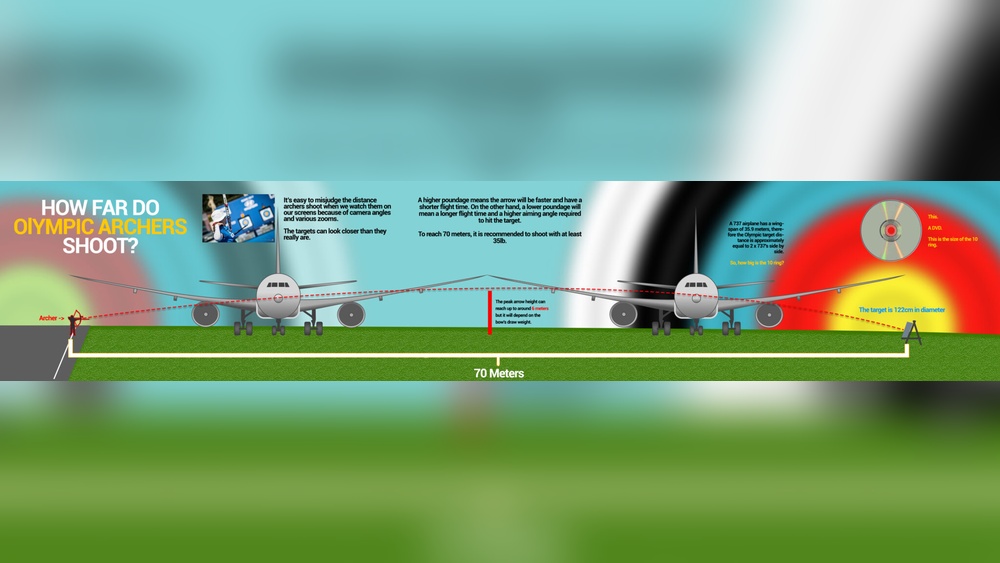
Distances can range from just a few meters for young beginners or indoor events, up to 90 meters for elite outdoor competitions. Every distance brings its own challenges. For example, a shot at 18 meters indoors feels very different from a shot at 70 meters outdoors.
The wind, light, and even the archer’s own heartbeat can become factors at longer distances.
To avoid confusion, competitions often use standardized measurements. Most major events use meters, but some traditional or local events might use yards. Equipment is often set up and tuned specifically for certain distances, and archers must adjust their sights, arrows, and even their mental approach depending on how far away the target is.
Why Does Distance Matter So Much?
Accuracy is more difficult at greater distances. Even a tiny mistake in aim or release can send the arrow way off the center. At 70 meters, a one-degree error can mean a miss entirely, while at 10 meters, it might still land in the scoring zone.
Distance also affects other factors:
- Arrow trajectory: Over longer distances, arrows drop more because of gravity.
- Wind: Longer distances give wind more time to push the arrow off course.
- Lighting: Outdoor distances often mean changing light conditions, which can affect visibility and aiming.
- Mental pressure: Shooting farther can feel more intimidating, especially with a crowd or in competition.
In my experience, many archers who shoot well at short distances struggle when moving back. This is not just because of the physical challenge, but also the increased mental pressure. Confidence and practice at each distance are key.

Credit: startarchery.co.uk
Standard Competition Distances: By Discipline
There are several types of competitive archery, each with their own standard distances. Here’s a breakdown of the most common formats.
Outdoor Target Archery
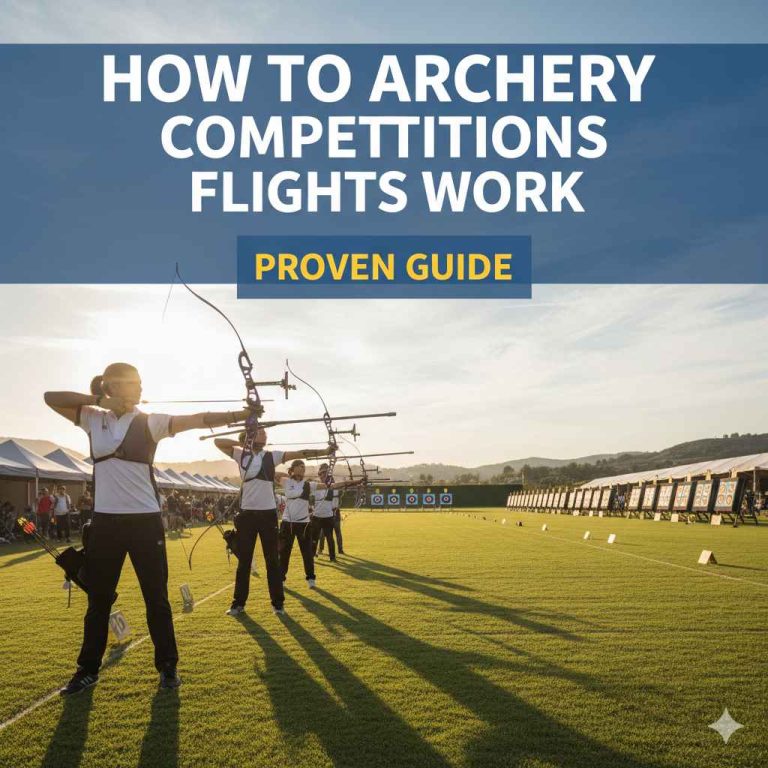
This is the format used in the Olympics and most international events. The two main categories are recurve and compound.
| Category | Common Distances (meters) | Target Size (cm) |
|---|---|---|
| Olympic Recurve (Men) | 70 | 122 |
| Olympic Recurve (Women) | 70 | 122 |
| Compound (World Archery) | 50 | 80 |
| Junior (Under 18) | 60, 40 | 122, 80 |
Olympic events always use 70 meters for recurve shooters, with a 122 cm target. World Archery compound events use 50 meters with a smaller 80 cm target.
Indoor Target Archery
Indoor events are usually held at shorter distances to allow for limited space and less effect from wind or weather.
| Division | Distance (meters) | Target Size (cm) |
|---|---|---|
| All divisions | 18 | 40 |
| Some events | 25 | 60 |
The most common indoor competition is at 18 meters with a 40 cm target. Some events use 25 meters, often for more experienced shooters.
Field Archery
Field archery takes place outdoors, often in wooded or uneven terrain. Distances can be fixed or unknown, adding a challenge of range estimation.
- Marked rounds: Distances are known and posted, usually between 5 and 60 meters.
- Unmarked rounds: Archers must guess the distance, which can range from 5 to 55 meters.
Field archery targets are smaller and placed at different angles, heights, and backgrounds, simulating hunting conditions.
3d Archery
This discipline uses foam animal targets at various distances, often unknown to the archer. Typical ranges:
- Adults: 5 to 50 yards (about 4.5 to 45 meters)
- Youth/Junior: 5 to 30 yards
Archers must judge distance and compensate for the shape and size of the target.
Traditional And Barebow Events
Traditional and barebow archery can have unique distance rules, but often use similar ranges to recurve or field events. Some organizations set maximum distances, such as 30 meters for barebow, while others allow for varied or unknown distances.
How Are Distances Measured And Set?
Precision is critical in archery competitions. Setting the wrong distance, even by a small amount, can change the fairness of the event.
- Tape measures: High-quality, long tape measures are used for official events.
- Electronic range finders: Sometimes used to check, but not always allowed in competition.
- Markers and shooting lines: The shooting line is clearly marked, and targets are set at the required distance from this line.
Officials double-check measurements, and archers can request a re-measure if they think something is wrong.
Pro Tip: Always practice at the exact distance you will compete. Even a small difference (for example, 18 meters vs 20 meters) can affect your sight marks and mental preparation.
Impact Of Distance On Equipment And Technique
Distance to target doesn’t just change how you aim, it can affect your whole setup.
Bow Tuning And Sight Marks
For longer distances, archers need to adjust their bow’s sight (the aiming device) to account for the arrow’s drop. This is called setting a “sight mark.” Each distance has its own mark.
- Closer distances: Sight is set higher.
- Longer distances: Sight is set lower, sometimes close to the arrow.
Some archers keep a notebook with their sight marks for different distances, which helps with fast adjustments during tournaments.
Arrow Selection
Longer distances often require lighter, thinner arrows. These arrows fly faster and are less affected by wind. Shorter distances can use heavier or wider arrows, which may score better if they touch scoring lines.
Stabilizers And Accessories
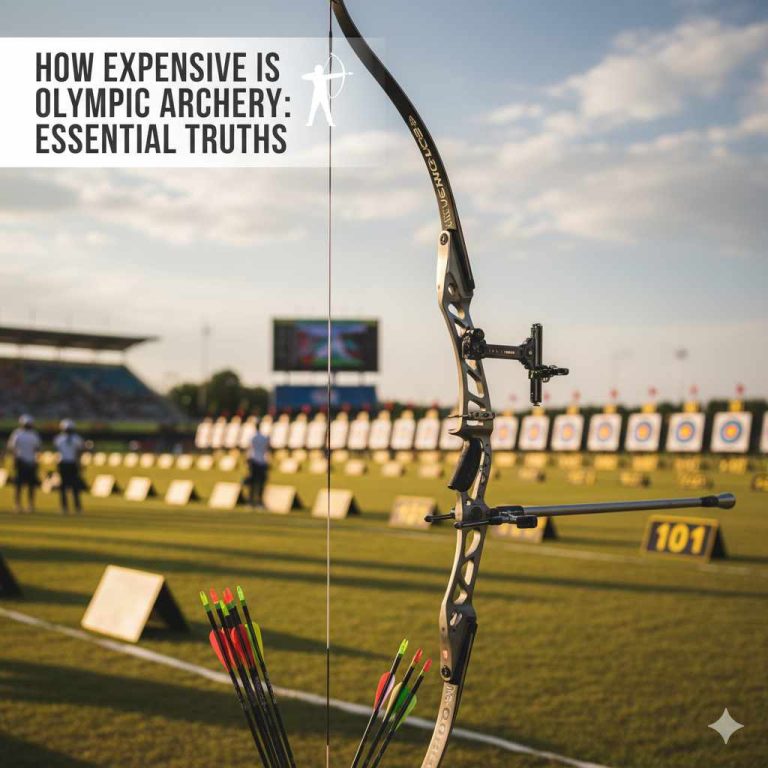
Stabilizers help control the bow’s movement. At longer distances, extra stabilization can help reduce small errors. Some archers use different stabilizer setups for indoor (short distance) and outdoor (long distance) events.
Example: A top-level archer might use a heavy front stabilizer for 70 meters outdoors, but switch to a lighter, shorter setup for 18 meters indoors.
Form And Mental Focus
The farther the target, the more important it is to have a consistent shot process. At short distances, small mistakes might still land in the gold. At long range, every detail counts.
Common Distances In Major Competitions
Understanding the standard distances helps you set training goals and prepare for events. Here’s a quick comparison of distances in popular competition formats:
| Competition | Bow Type | Distance (meters) | Notes |
|---|---|---|---|
| Olympics | Recurve | 70 | Men & women, 122 cm target |
| World Archery Championships | Compound | 50 | 80 cm target |
| National Field Archery Assoc. (NFAA) | All | Up to 80 yards (~73 m) | Varied targets |
| Indoor World Series | All | 18 | 40 cm target |
Each event is carefully measured and monitored to ensure fairness. Knowing these distances gives you a clear training path.
Training Strategies For Different Distances
Practicing at multiple distances is a key part of becoming a skilled competitor. Here’s how to make the most of your training sessions:
Start Close, Then Move Back
Begin at a short distance (like 10 or 18 meters) to build confidence and work on form. Once you can consistently hit the center, move back to the next standard distance.
- Build muscle memory at close range
- Increase distance in small steps (5-10 meters at a time)
- Keep notes on sight marks and groupings
Mix It Up
Practice at both competition distances and “in-between” ranges. This keeps your brain and body adaptable. For example, if your event is at 70 meters, try shooting at 60, 65, and 75 meters as well.
Simulate Competition
Set up your practice area just like a real event. Mark the shooting line, use the correct target face, and time your shots. Pressure practice helps build mental toughness for long distances.
Learn To Judge Distance
If you compete in field or 3D archery, practice estimating unknown distances. Use natural markers (trees, rocks) and check your guess with a rangefinder afterward. This skill is as important as aiming.
Distance Challenges: What Makes Each Unique
Not all distances are created equal. Each range comes with its own set of challenges.
Short Distances (10, 30 Meters)
- Less affected by wind or arrow drop
- Small mistakes less punishing
- Focus is on consistency and grouping
- Useful for building confidence and working on basics
Medium Distances (30, 50 Meters)
- Wind starts to play a role outdoors
- Arrow drop more noticeable
- Equipment tuning becomes more important
- Ideal for intermediate skill development
Long Distances (50, 90 Meters)
- Wind and weather are major factors
- Arrows drop significantly, sight marks crucial
- Mental focus and endurance are tested
- Errors magnified: A small mistake means a big miss
In my own practice, I noticed that shooting at 70 meters felt very different from 50 meters, even though the numbers are close. The longer distance required not just better aim, but better planning and patience.

Credit: lancasterarchery.com
How Weather And Environment Affect Distance
Weather can change the feel of a distance dramatically. Here’s how:
- Wind: Strong wind can push arrows off course, especially at longer distances. Archers must learn to read the wind and adjust their aim.
- Rain: Wet conditions can slow arrows and affect grip.
- Light: Sun glare or low light can make aiming harder.
- Temperature: Cold air is denser and can slow arrows, while hot air allows them to fly faster.
Pro Tip: Always practice in the same weather conditions as your competition if possible. If not, at least learn how your equipment reacts to different temperatures and wind.
Distance To Target In Youth And Adaptive Archery
Not all archers shoot from the same distance. Youth and adaptive categories use shorter, age-appropriate ranges.
- Youth: Distances are set according to age group and ability. For example, a 10-year-old might shoot at 10 or 15 meters, while a 17-year-old junior shoots at 60 meters.
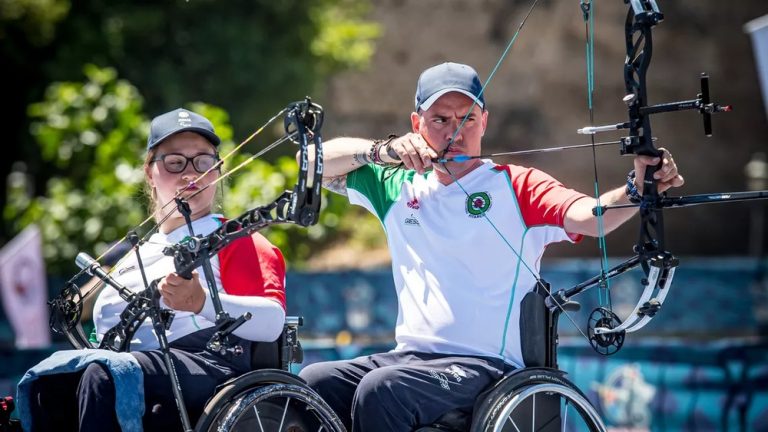
- Adaptive archery: Distances are set to allow fair competition for archers with physical disabilities. These are strictly defined by organizations like World Archery.
This approach keeps competition challenging but fair for everyone.
Common Mistakes When Judging Or Practicing Distance
Even experienced archers sometimes make mistakes related to distance. Here are some to watch out for:
- Ignoring sight marks: Not recording or double-checking sight settings for each distance.
- Practicing only at one range: Limits adaptability and confidence.
- Underestimating wind or environmental changes: Can lead to poor performance at longer distances.
- Using the wrong arrows: Heavier arrows may fly too low at long distances.
- Failing to simulate competition: Practice under pressure is key, especially at official distances.
Pro Tip: Keep a small notebook with your sight marks, arrow choices, and any notes about weather or performance at each distance. This helps you adjust quickly if conditions change.
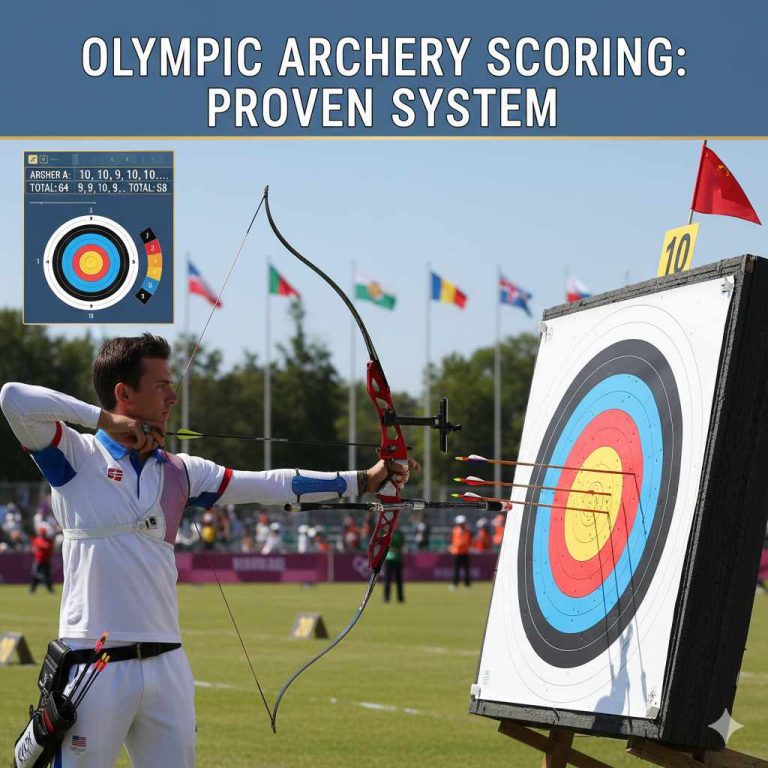
The Role Of Distance In Scoring And Strategy
Distance is not just a rule, it shapes how scores are made and how archers plan their shots.
- Short distances: Often lead to higher scores, as it’s easier to hit the center.
- Long distances: Separate the top competitors from the rest. Consistency matters more than occasional perfect shots.
Some tournaments use multiple distances in the same event, and scores are added up. This rewards archers who are skilled at every range.
Strategic archers may choose equipment or techniques that work best at their strongest distance, while still training to cover weaknesses at other ranges.
Credit: archerygb.org
How To Prepare For A New Distance
If you are new to a particular distance, here’s how to get ready:
- Study the official rules for your event.
- Set up your practice area with accurate measurements.
- Start with large target faces, then switch to the official size as you improve.
- Record your sight marks and groupings.
- Adjust your equipment as needed (sight, arrows, stabilizers).
- Mentally rehearse the shot routine for the new distance.
In my experience, patience is key. It can take several weeks to feel comfortable at a new range, especially longer ones.