Are Hunter Boot Socks Warm In Cold Weather?
Hunter boot socks are designed to add warmth and comfort inside your wellington boots. They are typically made from thicker materials like fleece or wool blends. While they offer more insulation than regular socks, their primary purpose is often boot fit and preventing rubbing, with warmth being a secondary benefit. Their effectiveness in very cold weather depends on the specific sock style and the conditions.
Understanding Hunter Boot Socks: What Makes Them Different?
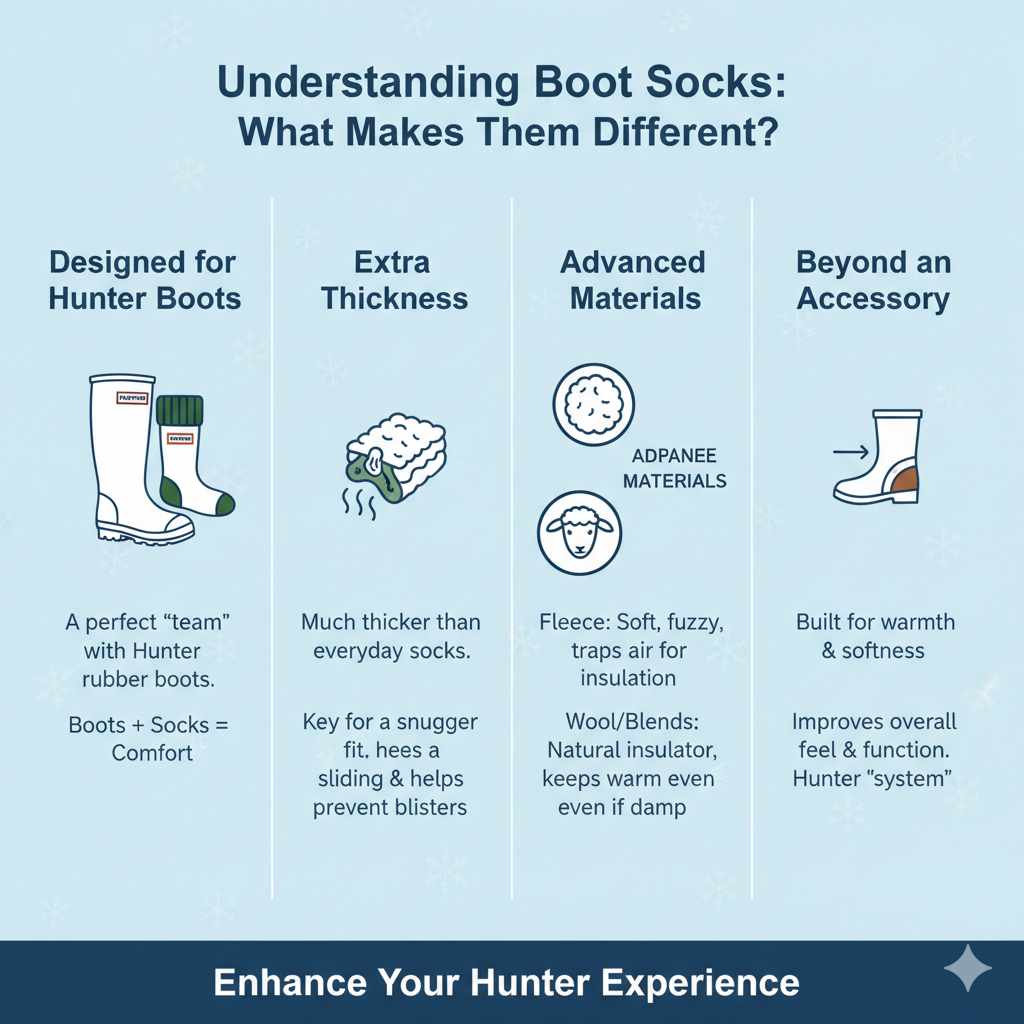
Hunter boot socks are not just any old socks. They are made with a specific purpose in mind. That purpose is to work perfectly with Hunter’s famous rubber boots.
Think of them as a team. The boots keep out water, and the socks make sure your feet stay comfy inside. They are usually much thicker than your everyday socks.
This extra thickness is key to how they perform. It helps fill up the boot a bit, giving you a snugger fit. This snug fit can help stop your feet from sliding around.
That’s important for comfort and also for avoiding blisters.
The materials used are also a big part of the story. Many Hunter boot socks are made from fleece. Fleece is a soft, fuzzy material that traps air.
Trapped air is a great insulator. It acts like a tiny blanket around your feet. Some styles might also use wool or wool blends.
Wool is another natural insulator. It can keep you warm even if it gets a little damp. This is a big plus for outdoor activities.
So, in short, they are built to be thicker and made from warmer materials than thin cotton socks. This makes them feel softer and cozier inside your boots. They are meant to improve the overall feel and function of your Hunter boots.
They are more than just an accessory; they are part of the system.
My First Hunter Boot Sock Experience: A Soggy Misunderstanding
I remember getting my first pair of Hunter boots. They were bright red and looked amazing. I wore them all over town, feeling very fashionable.
The first time I wore them on a really cold, damp day in November, I paired them with my favorite thin wool socks. Within an hour, my feet were absolutely freezing. I was so confused.
I thought my new, fancy boots would keep me warm! I had read online that Hunter socks were a thing, but I figured my good wool socks were enough. That was my mistake.
The next time I planned a long walk on a misty morning, I decided to finally try the official Hunter boot socks. I bought a thick, fleece-lined pair. The difference was night and day.
My feet felt so much warmer and more protected. The fleece lining was super soft, and it really did trap heat. I realized then that these socks weren’t just for show.
They were designed to work with the boots to provide genuine warmth. It was a lesson learned: sometimes, the specific gear is designed for a reason, and it’s worth listening.
The Science of Warmth: How Boot Socks Keep You Cozy
Keeping your feet warm in cold weather is all about insulation. Insulation is how well something stops heat from escaping. In the case of socks, this means stopping the heat from your body from getting out.
It also means stopping the cold from the outside from getting in.
Materials play a huge role here. Fleece, which is a common material for Hunter boot socks, is excellent at trapping air. Think of fleece as a bunch of tiny loops.
These loops create small pockets. These pockets hold air. Air is a poor conductor of heat.
This means heat doesn’t travel through it very easily. So, the more air pockets a sock has, the better it insulates. The soft, fluffy texture of fleece is designed to maximize these air pockets.
Wool is another natural wonder. It has a structure that can trap air very effectively. Even when wool gets wet, it can still retain some of its insulating properties.
This is different from cotton, which loses most of its warmth when damp. This makes wool or wool-blend socks a good choice for damp, cold conditions, like walking through wet fields.
The thickness of the sock is also crucial. A thicker sock means more material between your foot and the outside world. This extra material creates a larger buffer against the cold.
It also means more space for air to be trapped within the fibers. So, a thick fleece or wool sock will naturally be warmer than a thin one.
Finally, how the sock fits matters. A snug fit, but not too tight, is ideal. If a sock is too tight, it can cut off circulation.
Poor circulation means less warm blood reaching your feet. This will make your feet colder. Hunter boot socks are often designed to be a bit roomier or to have a cuff that sits higher.
This allows for that comfortable, snug fit without restricting blood flow. They also fill the space in the boot, preventing cold air from circulating freely around your foot.
Key Materials for Warmth
Fleece: Soft, lightweight, and excellent at trapping air for insulation. Great for general warmth.
Wool: Natural fiber that insulates well, even when damp. Offers good breathability too.
Wool Blends: Combine the benefits of wool with other fibers for added durability or softness.
Are Hunter Boot Socks “Warm Enough” for Real Cold?
This is where things get a bit nuanced. Hunter boot socks definitely add warmth compared to wearing no socks or thin cotton socks in your wellies. They provide a noticeable improvement.
For many people, especially in moderately cold or damp weather, they are perfectly adequate. Think of autumn days, chilly spring mornings, or even mild winter days where you’re just popping out for a bit.
However, for extreme cold, like deep winter conditions with snow and freezing temperatures, they might not be enough on their own. These socks are often made of fleece or a wool blend. While good, they don’t typically have the advanced insulation technologies found in dedicated winter sports socks.
For example, they might not have specialized thermal linings or multi-layer constructions designed for arctic conditions.
Think about it this way: Hunter boots themselves are primarily waterproof and durable. They aren’t inherently insulated for extreme cold unless specifically stated. The socks complement the boots.
If the boots are rated for moderate weather, the socks will enhance that. If you need to brave truly freezing temperatures for extended periods, you might need to layer more. This could mean wearing a very thin liner sock under your Hunter boot sock, or opting for a different type of boot altogether.
The “warmth” also depends on your personal body temperature and how your feet react to cold. Some people naturally have colder feet than others. So, what feels warm to one person might not feel warm enough to another.
Warmth Levels Explained
Moderate Cold (30-50°F / 0-10°C): Hunter boot socks usually provide good warmth.
Chilly/Damp (20-30°F / -5-0°C): They offer noticeable warmth, but might be borderline for long periods.
Extreme Cold (Below 20°F / -5°C): Likely insufficient on their own for prolonged exposure. Consider layering or alternative footwear.
Personal Experience: The Glacier Hike That Wasn’t
I once planned a winter trip to a national park known for its stunning snowy landscapes. I was so excited. I packed my trusty Hunter boots, thinking they’d be perfect for walking through snow-covered trails.
I also packed a pair of my thickest Hunter fleece boot socks, figuring they’d keep my feet as warm as could be. The first day was beautiful. The snow was deep, and the air was crisp.
My feet felt okay for the first hour or so.
But as the day went on, and the temperature hovered around 15°F (-9°C), a familiar numbness started to creep into my toes. By lunchtime, I could barely feel my feet. I had to stop, take off my boots, and try to warm them up by the fire.
It was frustrating because I had invested in what I thought was good gear. What I learned that day is that while fleece is warm, it’s not designed for extreme, prolonged cold like you’d find on a snowy mountain trail. My mistake was assuming “warm boot socks” meant “winter expedition socks.” They are different beasts entirely.
Beyond Warmth: Other Benefits of Hunter Boot Socks
While warmth is a big factor, Hunter boot socks offer other advantages that make them a worthwhile purchase for Hunter boot owners. These benefits contribute to a better overall experience with your wellington boots.
Improved Fit and Comfort: This is a major one. Hunter boots can sometimes feel a bit loose or roomy, especially around the ankle. Wearing the correct Hunter boot socks can fill this space.
This gives you a much more secure and comfortable fit. When your feet are snug in your boots, they move with the boot. This stops friction.
Friction is what causes blisters and sore spots. The thicker material also adds cushioning. This makes walking for longer periods much more pleasant.
Preventing Rubbing and Chafing: The rubber of wellington boots, while great for waterproofing, can sometimes rub against your bare skin or thin socks. This can be very uncomfortable. Hunter boot socks, with their softer materials like fleece or wool, create a barrier.
This barrier protects your skin from the rougher texture of the rubber. It stops that annoying chafing that can happen after a few hours of wear.
Wicking Moisture: While the primary job of the boot is to keep water out, your feet can still sweat. If you’re active, your feet will get warm and produce moisture. Cotton socks are terrible for this.
They hold onto moisture, making your feet cold and clammy. Materials like wool and fleece are much better at wicking moisture away from your skin. They pull the sweat to the outer layers of the sock where it can evaporate more easily.
This keeps your feet drier and, consequently, warmer.
Durability: Hunter boot socks are designed to be robust. They are made to withstand the wear and tear of being worn inside a boot, often for extended periods and in challenging conditions. They are typically reinforced in key areas like the heel and toe to prevent premature wear.
This means you get good value for your money, as they should last for a long time.
Style and Aesthetics: Let’s be honest, they look good too! Hunter offers socks in various colors and patterns. Many have a distinctive cuff that folds over the top of the boot.
This adds a stylish finishing touch. It makes the whole outfit look more put-together. It’s a small detail, but it enhances the overall look.
Quick Scan: Why Choose Hunter Boot Socks?
- Fit Enhancement: Snugger feel, less slipping.
- Blister Prevention: Reduces friction against the boot.
- Cushioning: More comfort on long walks.
- Moisture Wicking: Keeps feet drier and warmer.
- Durability: Built to last with robust materials.
- Style: Adds a fashionable finishing touch.
Real-World Scenarios: When Are They the Best Choice?
Understanding when Hunter boot socks truly shine helps you make the most of them. They aren’t for every single cold-weather situation, but they excel in many common ones.
Everyday Wear in Autumn and Spring: This is perhaps their sweet spot. On cool mornings, damp afternoons, or when there’s a bit of a chill in the air, these socks are fantastic. They add that extra layer of comfort and warmth needed to make your Hunter boots suitable for a full day out and about.
Whether you’re walking the dog, running errands, or just enjoying a crisp walk in the park, they’re ideal.
Gardening and Outdoor Chores: If you spend time in the garden, especially when the ground is wet or the air is cool, Hunter boot socks are a lifesaver. They keep your feet warm and dry while you’re on your feet for hours. The moisture-wicking properties are particularly useful here, as you might be working up a bit of a sweat.
Festivals and Outdoor Events: For events like music festivals or country fairs, where you’ll be on your feet for long stretches and might encounter mud or dampness, these socks are perfect. They provide comfort and warmth, and the stylish cuff adds to the festival vibe. They help you stay comfortable so you can enjoy the event.
Light Winter Walks: On days when the temperature is just below freezing, but you’re not planning an extended expedition into severe cold, Hunter boot socks can be sufficient. They will provide a noticeable warmth upgrade. If you’re going for a shorter walk or have well-insulated boots already, they can do the job.
Complementing Insulated Boots: If you have a pair of Hunter boots that are already insulated for winter, then adding their boot socks is a natural choice. They will boost the overall thermal performance of your footwear. They ensure a good fit with those more insulated models.
The key is matching the sock’s capabilities to the conditions and your activity level. They are designed for comfort and warmth in temperate to cool conditions, with a boost for dampness. They are not designed as standalone thermal gear for extreme arctic survival.
What This Means for You: Assessing Your Needs
So, are Hunter boot socks warm enough for you? It really depends on your specific needs and where you live. Here’s how to figure it out:
Consider Your Climate: If you live in a place with mild winters where temperatures rarely drop far below freezing, then yes, Hunter boot socks will likely provide ample warmth for most situations. If you experience harsh, prolonged winters with deep snow and consistently low temperatures, you might need to think about extra layers or specialized winter socks.
Think About Your Activities: Are you just walking the dog around the block, or are you planning a long hike in the snow? For short periods and moderate activity, these socks are great. For intense, prolonged cold-weather adventures, you might need more.
Listen to Your Body: Pay attention to how your feet feel. If you naturally have cold feet or are particularly sensitive to the cold, you might need more insulation than someone who doesn’t. Don’t be afraid to experiment with layering if needed.
Your Boots Matter: The inherent warmth of your Hunter boots themselves plays a role. Newer models or specific insulated versions might offer more warmth than older, classic designs. The socks work best when they complement the boot’s capabilities.
When It’s Normal: It’s completely normal for Hunter boot socks to make your feet feel significantly warmer and more comfortable than wearing regular socks. It’s normal for them to add a good layer of insulation for autumn and spring. It’s also normal for them to feel much better than going sockless in any boot.
When to Worry (or Add More): If your feet are still freezing after an hour in your Hunter boots with their socks on during a moderately cold day (say, around 30°F or -1°C), then the socks alone might not be enough for you. If you’re planning to spend extended time in sub-zero temperatures, you should definitely consider adding another layer or looking for socks with higher thermal ratings.
Simple Checks for Your Feet
- Feel your feet after 30 mins: Are they comfortably warm or starting to chill?
- Check for dampness: Are your feet sweaty and clammy?
- Assess the weather: What is the actual temperature and wind chill?
- Consider your activity: Are you standing still or moving actively?
Quick Tips for Maximum Warmth
If you want to get the most warmth out of your Hunter boot socks and boots, here are a few simple tips:
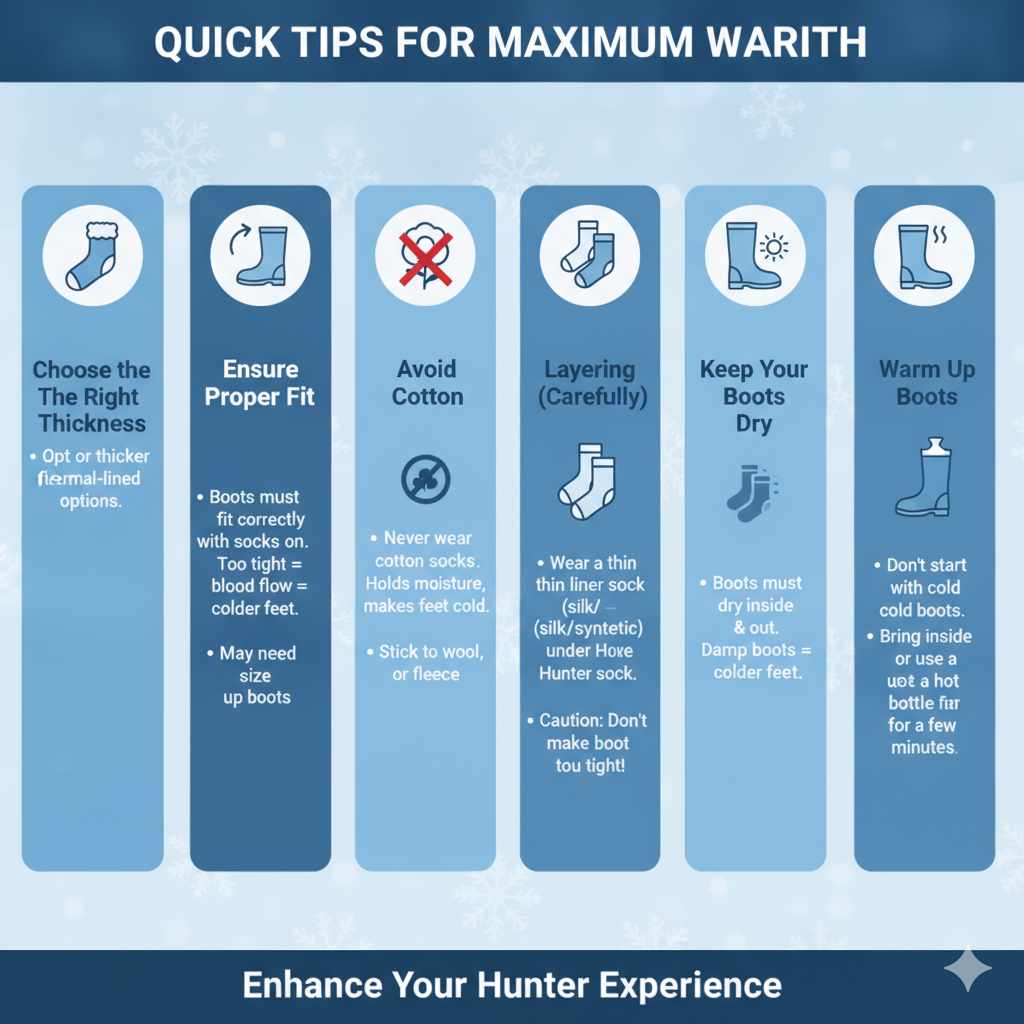
Choose the Right Thickness: Hunter offers socks in different thicknesses. For maximum warmth, opt for their thicker fleece or thermal-lined options. These will provide more insulation.
Ensure Proper Fit: Make sure your Hunter boots fit correctly with the socks on. If the boots are too tight with the socks, it can restrict blood flow. This will make your feet colder.
You might need to size up your boots if you plan to wear very thick socks regularly.
Avoid Cotton: Never wear cotton socks with your Hunter boots, especially in cold or damp weather. Cotton holds moisture and will make your feet very cold. Stick to wool, wool blends, or fleece.
Layering (Carefully): If you need extra warmth, you can try wearing a very thin liner sock (like a silk or thin synthetic blend) under your Hunter boot sock. Be very careful not to make the boot too tight, as this will defeat the purpose and make your feet colder.
Keep Your Boots Dry: Always make sure your Hunter boots are dry inside and out before you put them on. Damp boots will make your feet colder, no matter how warm your socks are.
Warm Up Your Boots: If your boots have been stored in a cold place, they will be cold to start with. Bringing them inside for a bit before you put them on can help. You can even place a hot water bottle inside them for a few minutes.
Quick Fixes & Tips
Pair with Wool: Always choose wool or fleece over cotton.
Size Up for Thick Socks: Ensure boots aren’t too tight with socks.
Keep Boots Dry: A dry boot is a warmer boot.
Layer Wisely: Thin liner socks can help, but don’t over-tighten.
Frequently Asked Questions About Hunter Boot Socks
Are Hunter boot socks waterproof?
No, Hunter boot socks are not waterproof. Their purpose is to add warmth and comfort inside your waterproof Hunter boots. While materials like wool and fleece can handle some dampness, they do not provide a waterproof barrier.
Can I wear regular socks with my Hunter boots?Yes, you can wear regular socks. However, wearing thin socks, especially cotton ones, can make your feet colder in chilly weather and may not provide the best fit. Hunter boot socks are designed to enhance the fit and warmth specifically for their boots.
How do I wash my Hunter boot socks?
Check the care label on your specific socks. Generally, most Hunter boot socks can be machine washed on a gentle cycle with cold water. It’s best to air dry them to maintain their shape and material integrity, as high heat can damage fleece and wool.
Are Hunter boot socks good for snow?
They can offer some warmth in light snow or for short periods. However, for deep snow or extended time in very cold conditions, they may not be warm enough on their own. Consider thicker thermal socks or layering if you’ll be in harsh snowy environments.
Do Hunter boot socks help prevent sweating?
Yes, many Hunter boot socks, especially those made from wool or fleece blends, are good at wicking moisture away from your skin. This helps keep your feet drier and more comfortable, which in turn helps maintain warmth.
What is the warmest type of Hunter boot sock?
Hunter typically offers different styles. Their thicker fleece-lined boot socks or those marketed as “thermal” or “winter” socks are usually the warmest options. Always check the product description for material composition and intended warmth level.
Should I size up my Hunter boots if I wear thick socks?
It’s often recommended to wear the socks you intend to use with your boots when trying them on. If you plan to wear thick Hunter boot socks regularly, you might need to size up your boots to ensure a comfortable, non-restrictive fit. Too tight a fit will reduce warmth.
Final Thoughts on Staying Warm
Hunter boot socks are a fantastic addition for anyone who loves their wellington boots. They significantly improve comfort and add a valuable layer of warmth. While they might not be your go-to for an arctic expedition, they are excellent for everyday wear, damp days, and moderate cold.
By understanding the materials and their purpose, you can ensure your feet stay cozy and happy.