Bamboo Arrow Shafts Review: Is Bamboo Worth It?
Bamboo arrow shafts are worth buying for traditional and recurve setups only when shaft size, spine, and node pattern match your bow and arrow length closely enough to reduce sorting and breakage. Poor matching can mean weak flight, split ends, and wasted money. This guide shows when bamboo makes sense for recurve, longbow, target, and hunting arrows.
Verdict

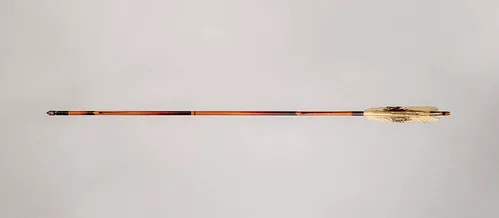
For the right setup, bamboo can be a solid choice. For a mismatched setup, carbon or a better-graded wood shaft is usually the safer buy because it cuts tuning friction and replacement rate. The main advantage is stiffness-to-weight and traditional feel; the main cost is prep time, especially with node inspection, point prep, and nock work.
Specs at a glance
| Spec | What to look for | Why it matters |
|---|---|---|
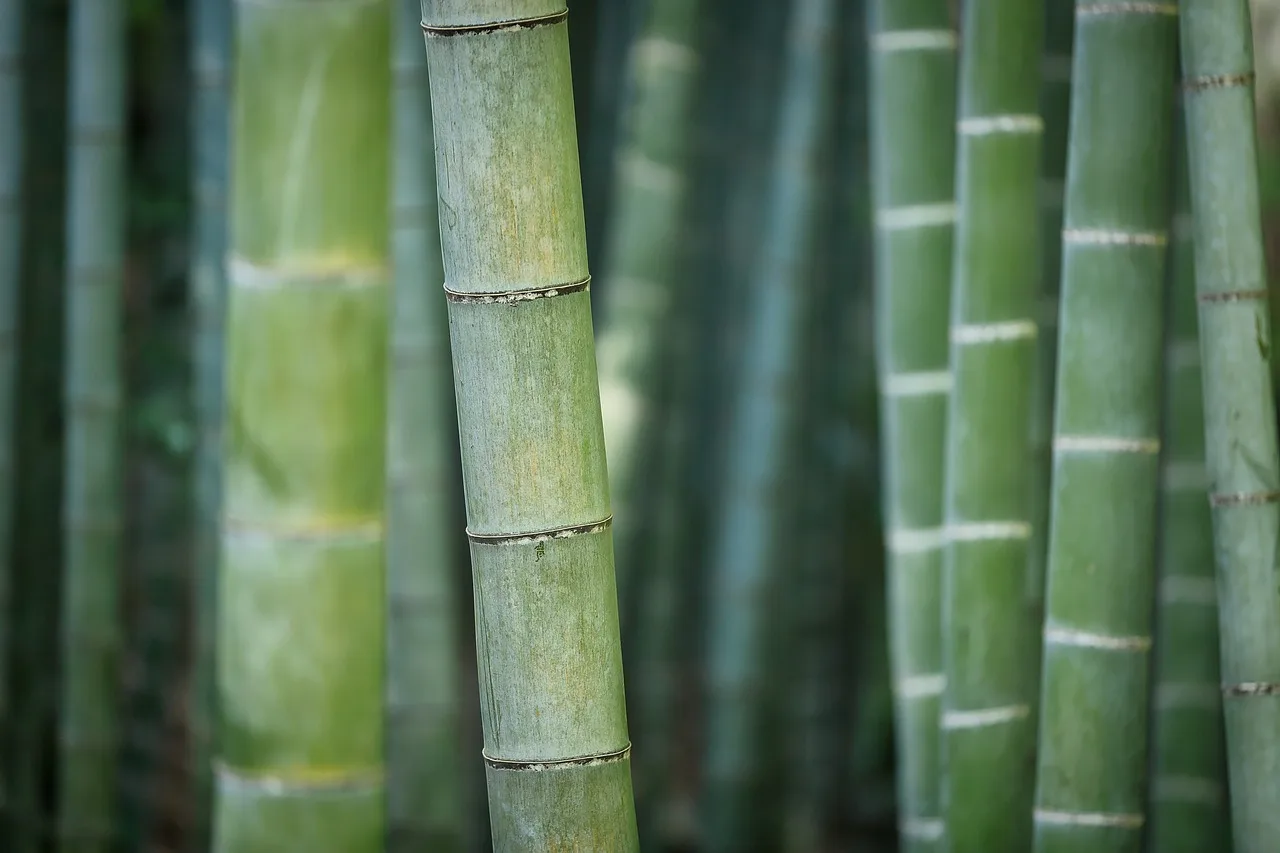
| Material | Tonkin bamboo | Traditional shaft material with naturally tapered diameter; check straightness and nodes before use. |
| Spine | ASTM deflection in inches | GradeOne gives 0.430-0.470 inches for 45-55 lbs at 28 inches, with shorter arrows needing stiffer shafts. |
| Diameter | About 7 mm, 7.5 mm, or 8 mm | Thicker-end diameter affects nock and point fit; tolerance matters more than the label alone. |
| Length | 30-34 inches; 33-inch and 36-inch listings are common | Longer arrows generally need stiffer spine. |
| Weight | 33-inch shafts listed at roughly 250-600 grains depending on spine | Heavier shafts and point weight change tune and trajectory. |
| Point prep | 4 mm drilled internal prep | Supports internal point fit; epoxy or hot melt is used in preparation, and hollow bamboo may benefit from dowel filling. |
| Nock prep | Self-nock or tapered nock | Self-nocks need binding; fit must match shaft diameter. |
Who it
Bamboo shafts fit traditional archers who are willing to sort shafts, check nodes, and spend time on point and nock prep. They suit recurve and longbow shooters who want a stiffer, heavier shaft and do not mind extra setup work to get consistent flight.
They are a weaker choice for beginners who want simple, repeatable assembly with fewer surprises. They also suit hunting arrows better than many casual target setups when the shaft is properly graded, because a well-matched bamboo shaft can hold up well in traditional equipment while still being repairable.
Pros and cons
- Pros: traditional shaft material; can work well with recurve and longbow setups; available in heavier builds; useful when you want a natural shaft with a stiffer feel.
- Cons: more sorting than carbon; node placement can create split risk; moisture can shift straightness; point and nock prep take more time; diameter spread can make fit inconsistent.
Say your recurve is 45 pounds at 28 inches and your arrow length is 30 inches. A shaft in the 0.430-0.470 inch deflection neighborhood is more plausible than a much softer shaft, because shorter arrows generally need more stiffness. The wrong spine here shows up as weak flight and poor clearance, not as a minor trim issue.
Suppose a 33-inch shaft has multiple off-center nodes near both ends. That is a bad buy even if the price looks good, because the point zone and nock zone are the places where bamboo can split first. A cleaner shaft with one centered node near the nock end is the safer choice.
What works
Bamboo works best when the shaft is sorted for straightness, node placement, diameter, and dryness before any point or nock work begins. Tonkin bamboo’s naturally tapered shape can suit traditional bows, but only if the shaft is inspected and the thicker end is oriented correctly for the head end.
For tuning, the important detail is not that bamboo is “traditional.” It is that the spine, measured as deflection in inches, has to match both draw weight and arrow length. GradeOne’s 0.430-0.470 inch recommendation for 45-55 lbs at 28 inches gives a practical reference point, and longer arrows generally need even more stiffness.
Pros of proper bamboo selection
- Can reduce tuning friction when the shaft, point weight, and bow are matched well.
- Can handle hunting and target use if the spine and diameter are appropriate.
- May feel more forgiving in traditional setups than some low-quality wood shafts.
What does not?
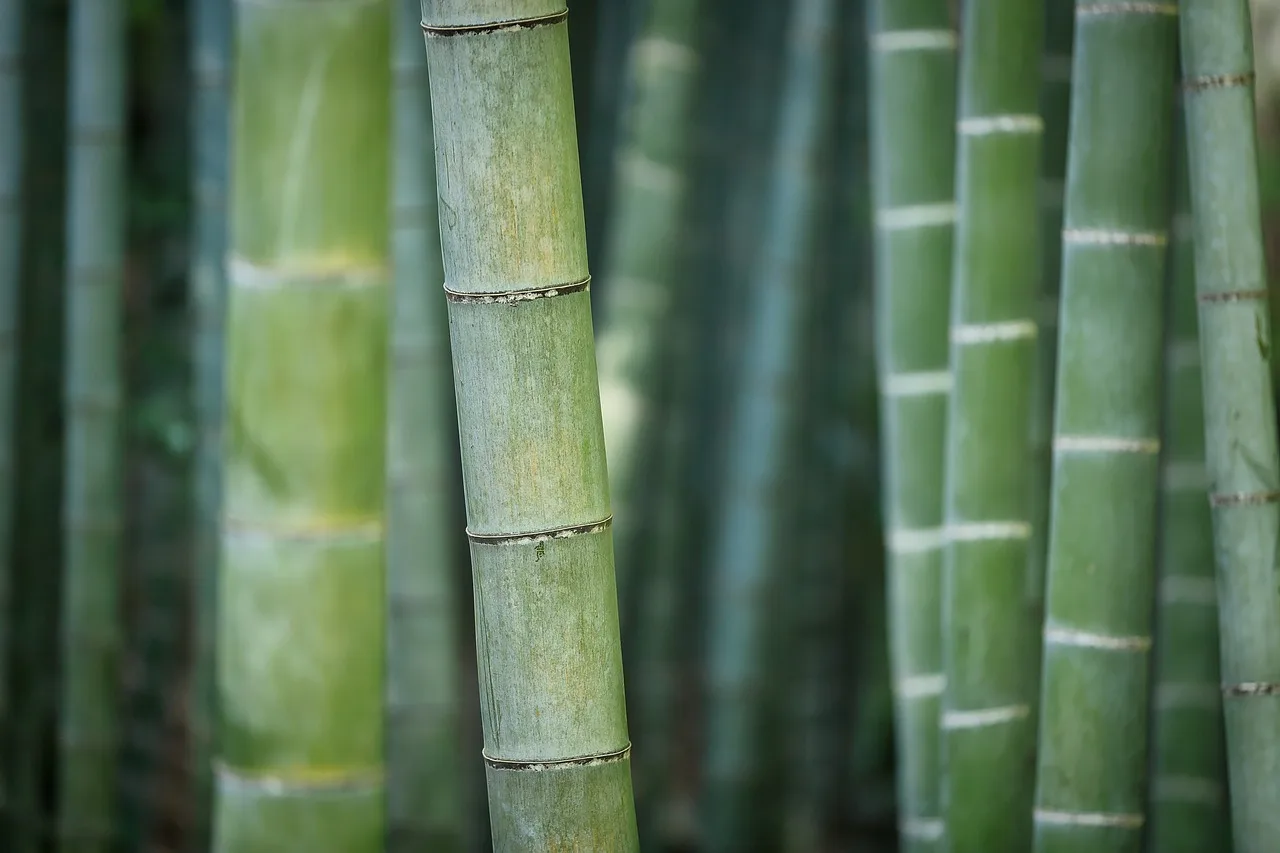
Bamboo becomes a poor buy when the seller provides little control over node location, diameter spread, or moisture condition. Multiple nodes or an off-center node near the point or nock zone raise split risk. Stored damp, bamboo can warp or develop micro-fractures that show up later as spine shifts.
Prep time is the other weak point. A shaft may need drilling, internal fill, point seating, nock shaping, binding, and finish work before it is ready. That burden is acceptable for a careful builder, but it is a real cost for anyone expecting carbon-like consistency.
Cons to watch
- Node-related split risk at the point or nock end.
- Moisture sensitivity during storage and seasoning.
- Variation in diameter and spine from shaft to shaft.
- More prep labor than carbon or many factory wood shafts.
Bamboo shaft decision matrix
This matrix ties the bow setup to a bamboo spec instead of treating spine and diameter as generic labels. Use it as a screening tool, then check the actual shaft for straightness, nodes, cracks, and fit before buying.
| Bow setup | Arrow length | Intended use | Bamboo shaft spec recommendation | Risk flags |
|---|---|---|---|---|
| Recurve, 35-45 lbs | 30-31 inches | Target or light hunting | Mid-stiff shaft, about 7 mm to 7.5 mm thicker-end diameter, clean straight grain, one centered node near nock end | Off-center nodes, wide diameter spread, damp storage history, loose nock fit |
| Recurve, 45-55 lbs | 31-33 inches | Hunting or field | Stiffer shaft near the 0.430-0.470 inch deflection zone, usually 7.5 mm to 8 mm thicker-end diameter | Multiple nodes, weak point-end wall, point prep not drilled cleanly, spine drift from moisture |
| Longbow, 45-60 lbs | 32-34 inches | Traditional hunting | Stiffer shaft, often 7.5 mm to 8 mm thicker-end diameter, with clean node spacing and good straightness | Off-center node near the point, split-prone end grain, poor nock taper match |
| Higher-draw traditional setup, 65 lbs and up | 32-34 inches | Serious hunting or heavy setup | Heavier 8 mm to 8.7 mm and heavier thicker-end diameter is listed for 65# and more shafts; inspect every shaft carefully | Moisture sensitivity, wide spine spread, end-crush risk, more prep time than the setup may justify |
Bamboo arrow shafts review checklist
| Check | Pass | Fail |
|---|---|---|
| Straightness | Shaft rolls cleanly without obvious bend | Visible warp or kink |
| Nodes | One centered node near the nock end, or a node pattern that does not crowd the ends | Multiple nodes in weak zones or an off-center node near point or nock |
| Surface condition | Clean finish, no cracks, no crush marks | Splits, deep checks, or rough damage |
| Diameter fit | Point and nock prep match the shaft diameter | Loose, sloppy, or forced fit |
| Moisture control | Dry, stable storage history | Damp storage or visible moisture damage |
Cost to build estimate per arrow
Price alone does not tell the full story. Sarmat lists 33-inch bamboo shafts at 2.2 USD, 39-inch shafts at 2.8 USD, and 55-inch shafts at 4 USD. If a shaft needs a point, internal prep, and one or two failed attempts during tuning, the real cost rises above the bare shaft price.
| Component | Example cost |
|---|---|
| 33-inch shaft | 2.2 USD |
| Point option | 85 grains or 100 grains |
| Prep materials | Adhesive, drilled prep, and possible 4 mm dowel fill |
| Practical build cost | Shaft price plus point and prep material, with replacement risk if the shaft fails inspection |
For a simple estimate, a 33-inch shaft at 2.2 USD plus a point and prep material means the shaft itself is only the floor of the cost. A builder who must discard a shaft for node placement, warping, or poor fit should count that loss too. That is why bamboo can be cheap on paper and expensive in practice.
Alternatives
Gold Tip Hunter XT is the safer comparison for shooters who want consistency first. Based on the product listing and buyer feedback patterns common to this category, it should appeal to archers who want less sorting and faster setup than bamboo, but it gives up the traditional shaft material and some of the heavier, natural feel. A drawback is the higher entry price.

PYMUST 30in Carbon Arrow Shafts are a budget carbon option with a bamboo-grain look. That makes them relevant for archers who want easier tuning and less moisture concern than bamboo, while still keeping a traditional appearance. The drawback is simple: they are not bamboo, so they do not answer the same material preference.

SHARROW 30 Inch Carbon Arrows Shaft is another low-cost carbon path for DIY builders. It is useful when you want a more predictable shaft and lower maintenance burden than bamboo, especially for repeatable target setups. The tradeoff is less traditional material character and less room for the bamboo-specific shaft behavior this guide covers.
Should you buy it?
Bamboo is worth buying if your bow setup already points toward a stiffer traditional shaft and you are willing to inspect nodes, dry storage, and fit before assembly. It is not worth it if you want fast, low-variance building or if your only goal is cheaper arrows with fewer failures.
Buy bamboo when you want recurve or longbow arrows, especially for hunting or traditional field use, and you are prepared for more prep time. Skip it when you need maximum consistency, high-volume builds, or a beginner setup where the cost of bad spine matching would erase the price advantage.
Frequently asked questions
Are bamboo arrow shafts worth it for a recurve bow?
Yes, if the shaft spine, diameter, and length fit the bow well and you are willing to inspect nodes and straighten the build. Bamboo makes the most sense on recurve setups where a stiffer traditional shaft is desirable and the extra prep time is acceptable.
What spine should bamboo arrow shafts be for my draw weight?
Use the bow weight and arrow length together, not draw weight alone. GradeOne gives 0.430-0.470 inches for 45-55 lbs at 28 inches, and longer arrows generally need stiffer shafts. That means a 33-inch arrow often needs a stiffer shaft than a 27-inch arrow from the same bow.
How do bamboo shafts compare with wood shafts for durability?
Bamboo can be durable when the shaft is sorted well, but it is more sensitive to node placement and moisture than many buyers expect. Wood can also vary a lot, but bamboo’s main failure points are split-prone nodes, prep errors, and storage conditions, not tradition or finish alone.
Do bamboo arrows need special point inserts or nock prep?
Often, yes. Bamboo shafts can be drilled to a 4 mm hole for internal point and nock preparation, and hollow shafts may benefit from a 4 mm dowel fill with Titebond 3. Self-nocks need binding, and the nock fit must match the shaft diameter closely.
What diameter bamboo shaft should I buy for hunting arrows?
For hunting arrows, diameter should track the draw weight and shaft thickness at the point end. The same source lists 7.5-8 mm thicker-end diameter for 45-60# shafts and 8-8.7 mm and heavier for 65# and more. Pick the size that matches the bow and the planned point fit.
How do I keep bamboo arrow shafts from warping or splitting?
Start with dry, straight shafts and store them away from moisture. Air-drying is preferred, because moisture and poor storage can lead to warping and micro-fractures. Avoid shafts with bad node placement, and do not force a point or nock fit that crushes the wall.
Are bamboo arrow shafts good for beginners?
They can be, but only for beginners who are comfortable checking shafts carefully and doing more prep work. A new archer who wants fewer variables will usually have an easier time with carbon. Bamboo is better for beginners who already want a traditional build and accept more sorting.
What should I check before buying bamboo arrow shafts?
Check straightness, node placement, diameter consistency, surface cracks, dryness, and the likely fit of point and nock parts. A single centered node near the nock end is preferable. Multiple or off-center nodes are a warning sign, especially near the point or nock zone.
Can bamboo shafts handle higher draw weights?
Yes, but only with the right diameter and a careful inspection standard. The same source says 65# and more shafts can be 8-8.7 mm and heavier. Higher draw weight raises the cost of a bad shaft, so the inspection bar should be stricter, not looser.