Pine Arrow Shafts Review: Are They Worth Buying Today?
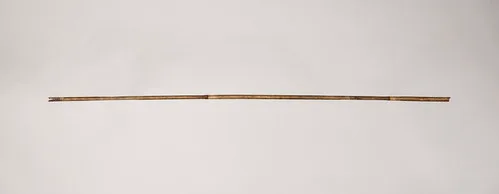
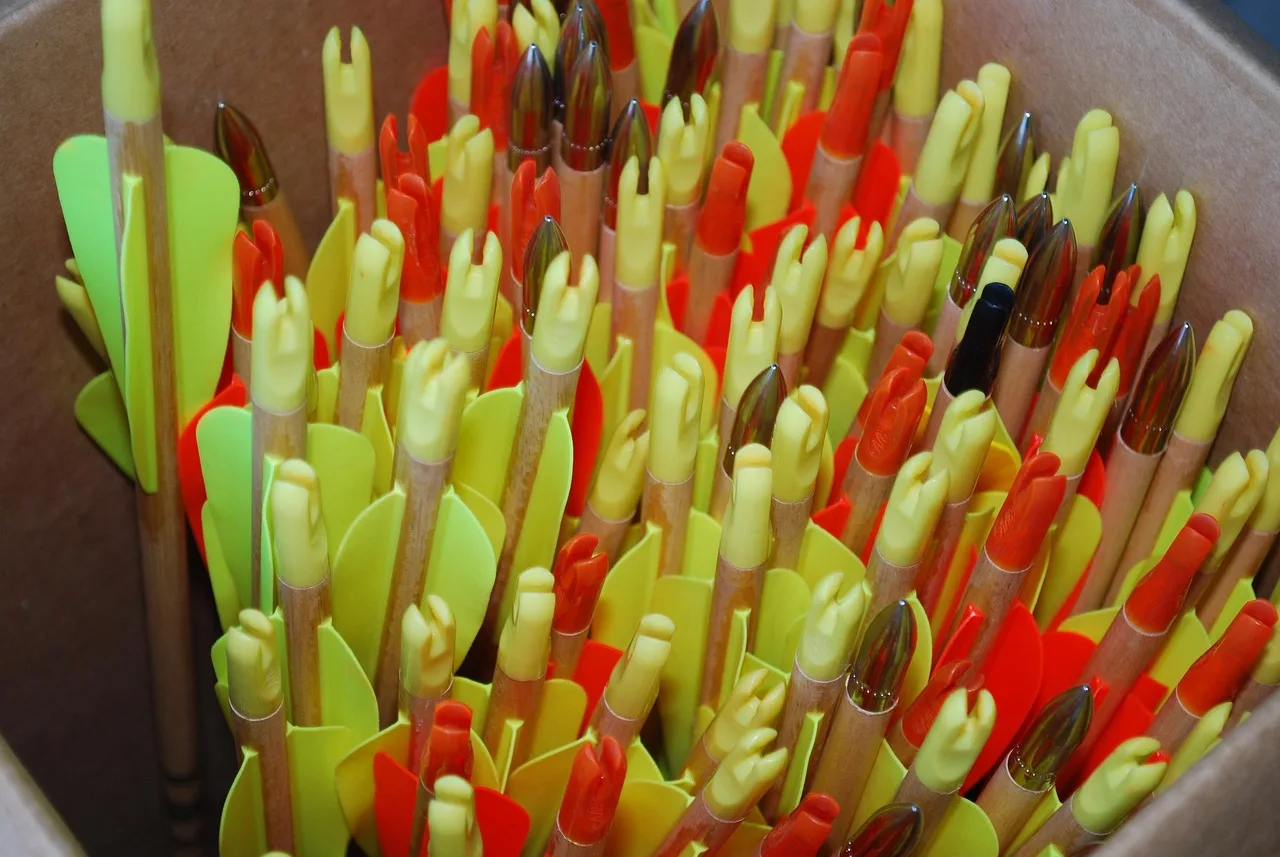
Pine arrow shafts are worth buying only for low-cost practice and light target use, and only if they are straight, dry, and consistent; reject any shaft with runout, knots in the working length, or visible twist. Bad shafts waste time, break on release, and can throw off tune or arrow flight in a way that is hard to fix. This guide covers how pine compares with cedar and fir, what makes a pine shaft acceptable, and which defects mean you should walk away.
Pine arrow shafts review: the short verdict


Pine is a reasonable budget shaft wood for beginner practice arrows and some light target use, but it is not the best all-around choice for traditional archery. The deciding factor is shaft quality, not the word “pine” on its own. Straightness, grain, knots, and consistency matter more than price.
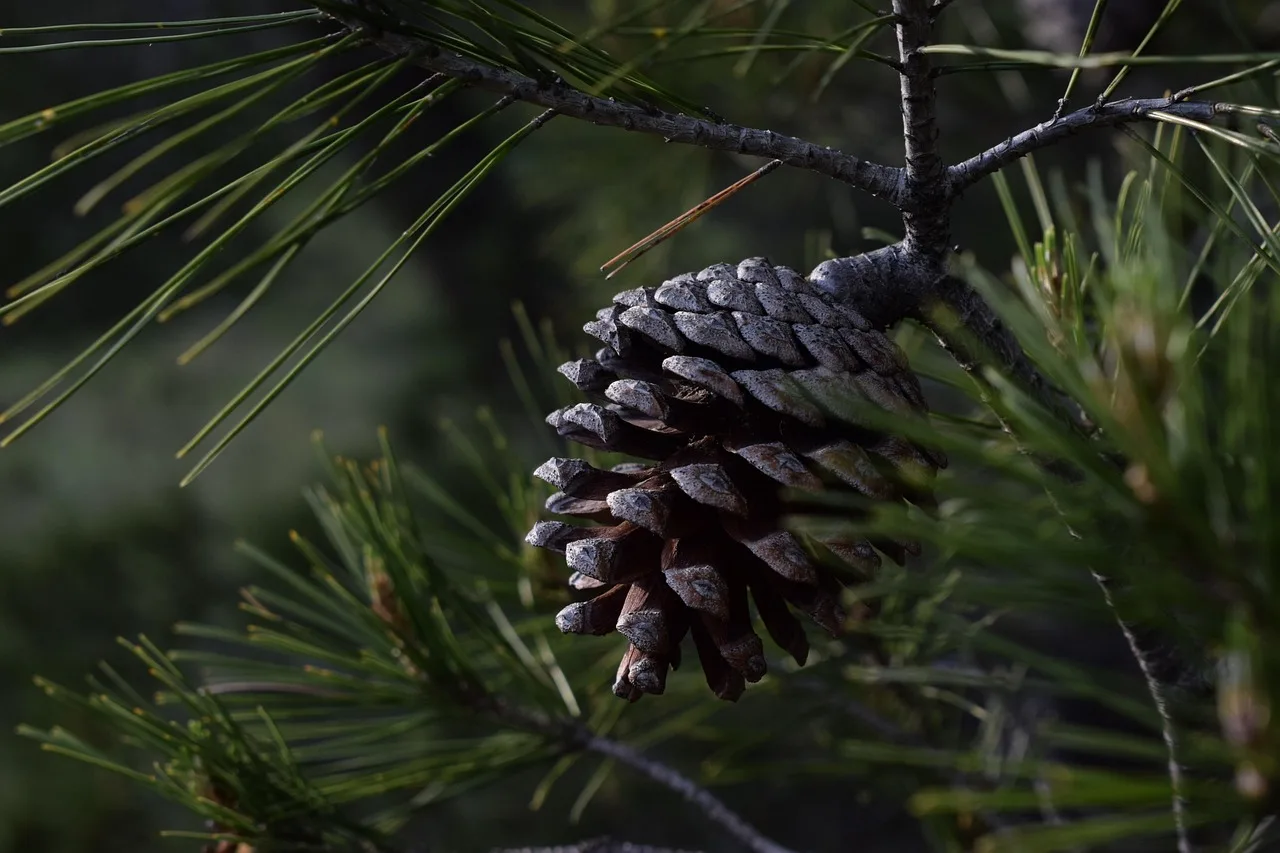
Pine belongs to the genus Pinus. Pines are widely distributed in the Northern Hemisphere and sit inside the Pinaceae family, which includes pines, firs, hemlocks, larches, spruces, and cedars. Pine is widely used in timber products because it is affordable, versatile, and easy to work, but that does not make every pine shaft suitable for arrows. (en.wikipedia.org) (en.wikipedia.org)
Bottom line: buy pine only when the shafts are straight, sorted, and free of defect in the working length. Pass on anything with twist, obvious warp, knots where the arrow flexes, or grain that runs off sharply.
Best-fit use cases and clear limits
In many cases, pine works well for light-duty practice arrows, club beginners, and short-range target shooting. It can also be useful for learning fletching, footings, nock fitting, and basic arrow building without spending more on cedar or bamboo. The limit is durability. Pine wood has a Janka hardness range of 380 to 870, depending on species, so “pine” covers a wide spread of softness and surface resistance.
That spread matters. A denser pine may hold up better than a very soft batch, but even good pine is still prone to dents and scratches. Visible knots are common, and that is a problem for arrows because the shaft flexes under load. If the grain runs out or the shaft twists, the arrow may never tune cleanly.
When pine is a buy, and when it is a pass
Buy pine when the goal is inexpensive practice arrows and the shafts can be inspected one by one. Pass when the plan is hunting, high-volume field shooting, or any setup that needs tighter consistency. Pine can be used for traditional archery, but it is not a good default hunting shaft material.
Suppose a beginner orders a dozen pine shafts for a 35-pound recurve and half of them have knots inside the middle third. Those shafts are poor candidates. Even if they look straight at first glance, defect zones can change stiffness and create weak points on release.
What is a pine arrow shaft used for?
A pine arrow shaft is used mainly for low-cost practice arrows, beginner builds, and light target shooting. It can work when the shafts are straight, matched, and free of major defects, but it is usually a poor choice for hunting arrows because impact reliability and consistency matter more there.
Beginner practice arrows
For a new traditional archer, pine can keep build costs down while skills are still changing. It is easy to cut, sand, and shape, which helps with first-time arrow building. That ease helps, but it does not remove the need for shaft inspection. A cheap shaft that bends, twists, or splits early is not actually inexpensive.
Common first-timer mistake: buying the lowest-priced bundle and assuming every shaft is equal. A better approach is to sort shafts first, then build arrows from the best pieces and reserve the marginal ones for cut-down practice use if they still pass inspection.
Target arrows and light-duty shooting
Pine can be fine for casual target arrows at moderate draw weights if the bow and shaft are matched carefully. The shaft should be straight, dry, and sufficiently uniform in diameter. Shafts that vary a lot from one end to the other are harder to tune and less repeatable in flight.
Pine is less ideal than cedar or bamboo for repeated shooting because dents accumulate quickly. Dents are not just cosmetic. They can change surface finish, spine consistency, and overall shaft life.
Why pine is usually a poor hunting choice
Hunting arrows need reliable flight and strong impact behavior. Pine can be a weaker pick here because it may have a softer texture, more knots, and a greater chance of shaft damage than some other shaft materials. Even if a pine shaft tunes well on the range, it may not hold up as well under real hunting use.
That is especially true when arrow speed, broadhead alignment, and repeated handling all matter. A shaft that survives target foam does not automatically deserve a field tip or broadhead.
Are pine arrow shafts any good?
Pine arrow shafts are good enough for budget practice only when the shafts are selected carefully. They are not the best choice for durability or consistency, but they can be serviceable. Compared with cedar, bamboo, and hardwood, pine usually trades lower cost and easy shaping for more dents, more defects, and less predictable performance.
Pine versus cedar, bamboo, and hardwood
| Material | Workability | Durability | Typical archery use |
|---|---|---|---|
| Pine | Easy to cut, sand, and shape | Moderate to low, species-dependent | Budget practice, beginner builds |
| Cedar | Easy to work, usually consistent | Better for many traditional shafts | Practice, target, some hunting setups |
| Bamboo | More work to prepare and match | Strong for its weight | Traditional shafts, higher performance builds |
| Hardwood | Harder to shape and finish | High, but often heavier | Specialty arrows, short-range or heavy shafts |
Pine often makes the most sense when keeping costs down matters more than shaft life. Cedar usually gives better arrow-building consistency. Bamboo can beat pine on strength-to-weight, but it is not always as simple to source in matched sets. Hardwood shafts are generally tougher, yet their weight can work against many traditional bow setups.
How pine’s softness affects dents and durability
Pine is a softwood, and that matters in arrow work. A softer shaft is easier to dent, scratch, or mark when it hits a hard target face, clips a stand, or gets dropped on a concrete floor. Pine wood is also known for visible knots, which can interrupt the flex pattern of the shaft.
That said, “soft” does not mean unusable. Pine wood has a relatively soft texture and straight grain, and that straight grain helps with machine work and general shaft preparation. The problem is that the good sections and bad sections can vary widely from one shaft to the next.
When pine makes sense on a budget
Pine makes sense when the goal is learning, not perfection. It is a fair choice for a beginner who wants to build several arrows, see how point weight changes flight, and keep costs low. It is also reasonable for short-range practice where breakage is acceptable.
It makes less sense once arrow flight needs to be repeatable across a full set. At that point, shaft matching matters too much to ignore.
How to judge pine shafts before you buy
Judge pine shafts by straightness, grain runout, knots, resin pockets, diameter consistency, and how well the batch matches before any purchase. A pine shaft that looks cheap but passes those checks is far more useful than a prettier shaft with hidden defects. For arrows, selection is about repeatability, not just appearance.
Straightness checks: sight, roll, bend, and twist
Start with a visual straightness check by looking down the length of the shaft against a light background. Then roll the shaft on a flat surface. A passable shaft should not hop, wobble, or show obvious bend. Also twist the shaft gently in the hand and watch the grain lines; a shaft that appears to spiral may have twist.
- Sight down the shaft from both ends.
- Roll it on a flat surface to find hop or wobble.
- Check for twist by tracking grain lines end to end.
- Separate obvious bends from cosmetic surface marks.
Grain runout, knots, resin pockets, and visible defects
Grain should run as straight as possible from nock end to point end. Runout means the fibers stop following the shaft length and angle out toward the surface, which weakens the wood where the arrow flexes. Knots inside the working length are a red flag. Resin pockets are another concern because they can mark weaker or less uniform areas.
A shaft with a small cosmetic knot near the very end may still be useful after trimming, but knots in the middle section are a reject for most practice arrows. Resin lines, checks, splits, and bruised areas should be treated the same way if they cross the flex zone.
Diameter consistency, matching, and stiffness sorting
Diameter should stay as even as possible along the usable length. Big swings in thickness change arrow mass and stiffness. Match shafts in a batch by visual size, straightness, and flex feel before building a set. This is where “spine” matters.
Spine is the stiffness of the shaft under bending load. With pine, spine varies by species and by batch, so two shafts sold as pine may not behave the same. That is why matching matters more than price. If a set of practice arrows needs similar flight, sort the shafts first and build from the closest group.
What spine should pine arrow shafts be?
Pine arrow shafts should be selected by matched stiffness, not by a single universal spine number. Pine varies by species and batch, so one bundle may feel much stiffer than another. For that reason, the safer approach is to sort shafts by flex and use bare-shaft tuning before final assembly.
Why spine varies by species and shaft batch
Some pine species are denser and harder than others, and that changes the shaft’s stiffness and weight. A pine shaft from one source may be acceptable for a light recurve, while another may be too soft or too inconsistent. Pine wood is species-dependent, and the Janka range of 380 to 870 is a reminder that one label can hide a wide spread.
That spread matters more than a simple “pine is soft” label. A bow setup cannot be tuned well if the shaft set is a random mix of stiffness values.
Why matching spine matters more than price
Matching spine gives better arrow flight than simply buying the cheapest bundle. A set with close stiffness values usually groups better and needs less correction in nock weight or point weight. Cheap shafts that vary widely can waste more time than they save.
How to use bare-shaft tuning with pine practice arrows
Use bare-shaft tuning only after the shafts have passed basic inspection and have been sorted into a similar stiffness group. Shoot un-fletched arrows at a safe distance and look for clear flight differences. If one shaft impacts far left or right, or shows obvious porpoising, its stiffness is probably off compared with the rest.
Do not use tuning to excuse a bad shaft. Bare-shaft tuning can identify mismatch; it cannot fix runout, twist, or a knot in the flex area.
Pros and cons of pine arrow shafts
Pine is attractive because it is affordable and easy to work, but it brings more selection risk than cedar or bamboo. The decision comes down to whether the buyer values low entry cost more than durability and consistency. For practice arrows, that trade can be acceptable. For critical use, it usually is not.
Pros
- Low cost for practice builds
- Easy to cut, sand, and shape
- Widely available as timber
- Straight grain can make shaft prep simpler
Cons
- Prone to dents and scratches
- Visible knots can weaken the shaft
- Grain runout and warp can be hard to hide
- Consistency is often worse than cedar or bamboo
Practical verdict after weighing both sides
Pine is good enough when the user wants practice arrows, accepts some failure risk, and is willing to inspect each shaft carefully. It is a weak choice when the goal is a dependable hunting shaft or a tightly matched target set. In arrow work, the cheapest shaft is not the cheapest outcome if it breaks or tunes poorly.
Pine shaft buyer checklist: keep, sort, or reject
Use this checklist before building. A pine shaft can be kept for practice, sorted for possible tuning, or rejected outright. The key is to treat visible defects and shaft geometry as decision points, not minor flaws.
| Check | Pass for practice | Sort for tuning | Reject |
|---|---|---|---|
| Straightness | Straight to the eye and rolls cleanly | Minor deviation that may trim out | Obvious bend, hop, or twist |
| Grain runout | Grain stays mostly parallel to the shaft | Light runout outside the main flex zone | Strong runout through the working length |
| Knots | No knots in the working length | Small knot near an end that can be cut away | Knots in the center third of the shaft |
| Resin pockets and checks | None visible in the flex zone | Minor surface imperfection away from flex area | Resin pocket, split, or crack in the working length |
| Diameter consistency | Even enough for matched building | Small variation that can be sorted into a group | Noticeable taper or out-of-round sections |
| Use decision | Practice arrow | Possible tune candidate | Reject |
Pass criteria for practice-ready shafts
Keep a shaft when it is straight, free of knots in the working length, and close enough in diameter to match the other shafts in the set. The grain should run cleanly, with no visible twist. These shafts are suitable for practice arrows and basic target work.
Sort criteria for shafts that may tune with work
Sort a shaft when the flaw is minor and trim-related, such as a small end knot or slight size variation that may still be workable after cutting and matching. These shafts may still work after cutting and matching. They are not the first choice, but they can be useful if the rest of the set is weak and the shaft still passes the flex-zone test.
Reject criteria for warps, knots, and unstable grain
Reject a shaft when it shows obvious warp, twist, strong grain runout, or any knot in the center of the shaft. A shaft with a crack, split, resin pocket in the flex zone, or major diameter inconsistency should not be built into an arrow for regular use.
How straight do pine arrow shafts need to be
Pine arrow shafts need to be straight enough that they roll smoothly, sight cleanly, and show no obvious twist in the hand. For practical use, the shaft should look true from end to end and should not hop badly on a flat surface. If straightness is questionable, reject it or cut it down only if the defect is outside the working length.
How do I straighten wooden arrow shafts
Minor bends in wooden shafts can sometimes be corrected with gentle heat and careful pressure, but only if the wood is sound and the bend is small. Straightening does not fix twist, grain runout, knots, or cracks. If a shaft needs major correction, it is usually safer to reject it than to force it into service.
What is the best wood for arrow shafts
The best wood for arrow shafts depends on the bow, draw weight, and target use, but cedar and bamboo are often stronger choices than pine for traditional arrows. Cedar usually gives better consistency, while bamboo offers excellent strength for weight. Pine remains a budget option, not the top choice for performance or reliability.
Are pine shafts better than cedar shafts
Pine shafts are usually not better than cedar shafts for traditional archery. Pine is cheaper and easier to shape, but cedar often offers better consistency, fewer obvious defects, and more dependable shaft quality. If the goal is a matched set with smoother tuning and less risk, cedar usually has the edge.
Can you make hunting arrows from pine
Pine can be used in theory, but it is generally a poor hunting choice. Hunting arrows need strong, repeatable flight and dependable impact behavior, and pine is more likely than cedar or bamboo to dent, vary in stiffness, or hide defects. For hunting, better-controlled shaft woods are the safer bet.
What spine should pine arrow shafts be
There is no single spine value for all pine shafts because pine varies by species and batch. The right approach is to match shafts by stiffness and then tune them to the bow with bare-shaft testing. A matched group matters more than chasing one number on the label.
What is an arrow shaft
An arrow shaft is the long body of the arrow between the nock and the point. It controls flex, mass, and much of the arrow’s flight behavior. In traditional archery, shaft material matters because density, straightness, and stiffness all affect tune and durability.
How to make arrow shafts
Arrow shafts are made by selecting straight stock, sizing it, checking grain and defect zones, and then bringing each piece to a usable diameter and finish. For pine, the selection step is critical. A shaft that looks workable in the rough can still fail once grain runout or a knot shows up in the flex area.