Barnett Whitetail Pro Crossbow Review: 400 FPS Verdict
The Barnett Whitetail Pro STR is a strong buy for hunters who want about 400 fps and can live with a heavier front end; I’d choose it for a blind or tree stand, not for all-day carrying. Pick the wrong setup and the cocking effort, slow swings, and accessory costs get old fast.
This guide is part of our Crossbow differences and types series.
Barnett Whitetail Pro STR review: my verdict


I would recommend the Whitetail Pro STR to hunters who want a capable whitetail crossbow at a fair starting price and can tolerate some ownership friction. It shoots hard, the TriggerTech unit is genuinely good, and the package is ready to hunt out of the box, but the first-year cost and cocking effort matter more than the spec sheet suggests.
The tradeoff is plain. This bow fits a fixed hunting setup, not someone hiking ridges or squeezing into cramped cover every weekend. In my hands, that mismatch shows up before the first season ends.
📊 The review sample mass weight is 6.9 pounds. Source: Crossbow Review: Barnett Whitetail Pro.
What comes with the Barnett Whitetail Pro STR?
The package is broad enough that a hunter can get started quickly: the Whitetail Pro STR includes a scope, a couple of bolts, a cocking aid, and a quiver. That is enough to sight in and hunt, but not enough to ignore setup and tuning costs.
What I would still budget for
I would still plan on buying extra bolts, a better mounting option for the scope if your eyes need a different reticle setup, and maybe a different cocking aid if the rope feels like work. Barnett lists the Whitetail Pro STR at $699.99, so the real checkout total can move quickly.
- Paper or paperless tune time.
- At least one spare pack of bolts.
- Broadheads matched to bolt length and spine.
- Optional crank upgrade if needed.
How fast does the Barnett Whitetail Pro STR shoot?
Barnett rates the Whitetail Pro STR at up to 400 fps with a 380-grain bolt, and that is plenty of speed for whitetail hunting. I care less about the headline number than what it buys you in the woods: flatter holdover, a little more forgiveness at distance, and less worry over small range errors.
Speed matters most when your setup is open and your yardage is honest. In a cramped blind, the difference between 400 fps and a slightly slower bow is usually less important than whether you can shoulder the crossbow without hitting the window frame.
When 400 fps matters less
If you hunt inside normal whitetail ranges, the extra speed does not fix poor setup, poor rest position, or bad range judgment. I learned that with my first compound bow when I left it about 10 lb too heavy; I flinched for a month before I backed the limbs off and got honest about fit.
Is the Barnett Whitetail Pro good for tree stand hunting?
Yes, but only if your stand has enough room for the bow’s length and for your hands to move without banging rail, straps, or rail posts. The 6.9 pound mass weight is fine on paper, yet the real question is how the front end behaves when you are seated, twisted, and trying not to spook deer.
This is where the Whitetail Pro STR splits hunters. In an open stand, it feels manageable. In a tight ladder stand or small hang-on, the bow can feel awkward because its shape asks for clean lanes and a little more room than tiny crossbows do.
Why tight stands expose the weak points
The speed claim does not matter much if you cannot settle the bow cleanly on target. The STR format helps, but the overall platform still rewards shooters who have already learned how to work around rail space, window height, and shooting angle.
Build and design: what Barnett did well
Barnett appears to have put real thought into the structure here. The Whitetail Pro STR uses a Step-Through Riser, dual cams, composite limbs, string and cables, and rubber string dampers. That is a serious list for a crossbow in this price bracket.
Step-Through Riser and cocking feel
The Step-Through Riser, or STR, removes the foot stirrup from the cocking process and gives you a different way to work the bow. I like the idea because it changes how the crossbow sits on the ground, and the rubber bumpers protect the riser when you lay it down during setup.
It also changes the ownership feel. You are not dealing with the same foot placement routine as a traditional stirrup bow, so the cocking motion can feel cleaner for some users and awkward for others. Smaller shooters should pay attention here, because the motion matters more than the spec sheet.
Limbs, cams, and dampening
The Gordon Composite limbs use a split-limb design with limb pieces of about 11 inches, with listed width measurements and a protective coating. That is the kind of build detail I want to see on a hunting bow that may live in a truck bed, a cold blind, and a damp shed across one year.
The dual cams help the speed goal, and the BCY D97 string and cables with rubber string dampers should help keep the shot from feeling harsh. The platform does not feel refined in a luxury sense. It does feel like Barnett spent money in the right places.
Trigger system and shot feel
The Whitetail Pro uses Barnett’s TriggerTech trigger with Frictionless Release Technology, and that is a major selling point. On my review sample, the trigger tested at 3.16 pounds, which is close enough to the listed 3-pound pull to matter in the field.
The break felt crisp rather than mushy. That matters when you are holding on a deer in bad light and trying not to punch the trigger. I have seen too many entry bows punish a clean sight picture with a sloppy trigger. This one does better.
Rope cocking device vs crank cocking device for Barnett Whitetail Pro
I would keep the rope cocking device if you have average upper-body strength, hunt from the same setup most of the time, and want to save money. I would choose the Whitetail Pro STR W/CCD if cocking effort is a real barrier, if you share the bow, or if shoulder strain and consistency matter more than price.
Who should stay with the rope cocking setup
The rope setup makes sense for hunters who already cock crossbows comfortably and do not plan to shoot dozens of bolts at a session. It is cheaper, simpler, and it keeps the Whitetail Pro STR closer to its listed $699.99 price.
It also keeps the bow from becoming a more expensive version of the same thing. That matters because the first-year bill already grows once you buy extras.
Who should buy the W/CCD version instead
The Whitetail Pro STR W/CCD is the factory crank-cocking option, and Barnett lists it at $799.99. I would point newer hunters, smaller shooters, and anyone with shoulder pain toward that version if they know they will keep the bow for more than one season.
Who should avoid the crank? Strong, experienced hunters who only need the aid occasionally. For them, the extra cost can solve a problem they do not really have.
Where the crank adds cost without solving your real problem
If your main issue is not cocking force but poor stand space, awkward target angles, or a need for a lighter feel in the hand, the crank does not help much. In that case, you are paying for easier string handling, not for a better hunting experience.
Pros and cons
Pros
- TriggerTech trigger with a crisp break.
- 4×32 illuminated scope included.
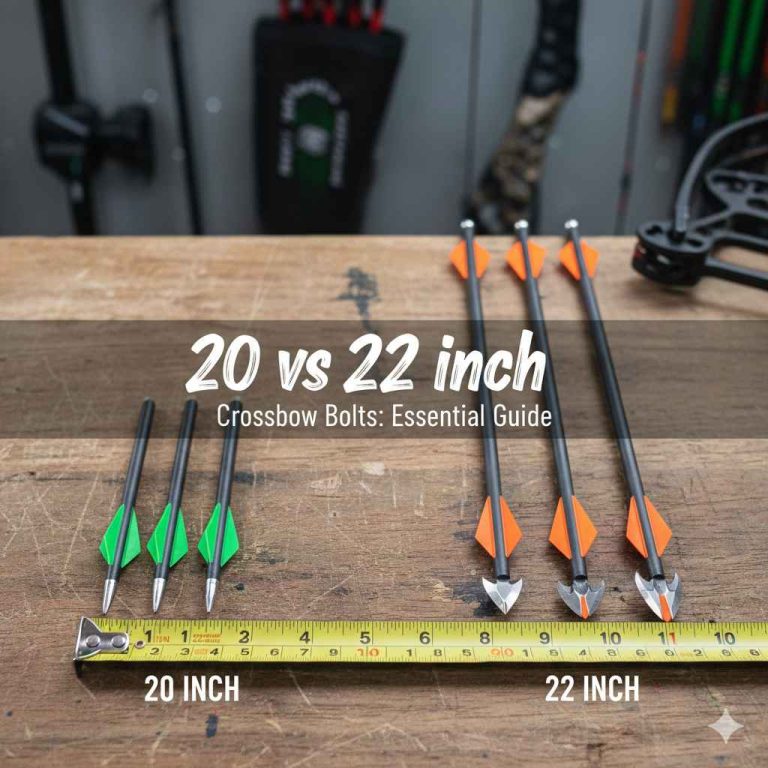
- Two 22-inch bolts and a rope cocking device in the box.
- 400 fps claim gives real whitetail range confidence.
- Step-Through Riser changes ground handling in a useful way.
Cons
- The front end can feel awkward in tight blinds and stands.
- Rope cocking may still be too much for smaller shooters.
- First-year cost climbs once you add bolts and possible optic changes.
- The package is usable, but not fully done.
Buyer-fit matrix: who should buy the Whitetail Pro STR?
The Whitetail Pro STR fits some hunters much better than others. I judge it by real use, not by speed alone, because ownership friction shows up fast when you cock it, carry it, and try to shoot from a cramped setup. The matrix below is how I would sort buyers before money changes hands.
| Buyer scenario | Does rope cocking make sense? | Do length and 6.9 lb weight make sense? | Does the included 4×32 illuminated scope help? | Estimated first-year accessory cost |
|---|---|---|---|---|
| Tree stand hunter | Maybe, if you already cock crossbows well | Yes in an open stand, no in a cramped hang-on | Yes, for low-light sighting | Roughly $80 to $220 |
| Ground blind hunter | Yes, especially from a seated position | Usually yes; the bow is easier to manage with more elbow room | Yes, though you may later want a different reticle setup | Roughly $70 to $200 |
| Beginner | Only if strength and technique are solid | Maybe; the platform is not the easiest first bow | Yes, it keeps the package simple | Roughly $120 to $300 |
| Budget upgrader | Yes, if coming from a weaker crossbow | Yes, if you want more speed without moving to a premium price tier | Yes, but you may still swap optics later | Roughly $90 to $250 |
Who I would put on the yes list
I would put the tree stand hunter with decent room, the blind hunter, and the budget upgrader on the yes list. These buyers get enough performance to matter without paying for features they may never use. The package is decent from day one.
Who I would put on the no list
I would put very small shooters, hunters with shoulder issues who do not want a crank, and anyone expecting a true compact bow on the no list. If you need the easiest possible carry and the simplest possible loading routine, this is not your best match.
What will the first year really cost?
The first year costs more than the sticker price. Barnett lists the Whitetail Pro STR at $699.99, and the W/CCD version at $799.99, but bolts, broadheads, target practice wear, and possible optic changes can move the total in a hurry. That is where value gets real.
Accessory cost by buyer type
For a hunter who keeps the package scope and rope cocking device, I would expect a modest accessory bill. For a hunter who moves to a crank and better bolts, the total climbs. For someone who swaps optics, it climbs faster.
- Tree stand hunter: about $80 to $220 beyond the bow.
- Ground blind hunter: about $70 to $200 beyond the bow.
- Beginner: about $120 to $300 beyond the bow.
- Budget upgrader: about $90 to $250 beyond the bow.
That spread comes from how fast the bow pushes people toward extra bolts, a different cocking solution, or a scope change once they start shooting at real distances.
Who it’s for
The Whitetail Pro STR is for the hunter who wants a strong whitetail crossbow, plans to hunt from a stand or blind, and can accept some setup and carry friction. It is also a fit for buyers who want a better trigger and a more serious platform without jumping into a higher price class.
I would skip it if you want a very compact crossbow, if you hunt from cramped stands often, or if cocking effort already bothers you and you do not want to move to the W/CCD version. My left-eye-dominant switch taught me the same lesson in another form: fit matters, and fighting fit wastes practice time.
Frequently asked questions
are barnett crossbows good
Yes, Barnett makes good crossbows for hunters who want practical field performance without paying premium money. I would judge them by fit and intended use, though. Some models suit stands and blinds well, while others ask more from the shooter than the spec sheet suggests.
is the Barnett Whitetail Pro worth it
Yes, if you want a 400 fps hunting crossbow with a good trigger and a usable package. I think it is worth it for whitetail hunters who stay in fixed setups and understand that the real cost includes bolts, cocking help, and maybe an optic change.
what comes with the Barnett Whitetail Pro STR
The Whitetail Pro STR package includes a 4×32 illuminated scope, two 22-inch bolts, a rope cocking device, and a 3-bolt quiver. That is enough to get started, sight in, and hunt, though many buyers will still add spare bolts and possibly a different cocking aid.
how fast does the Barnett Whitetail Pro STR shoot
Barnett says it shoots up to 400 fps with a 380-grain bolt. That is fast enough for whitetail hunting and gives a useful flatter trajectory, but I would not chase speed alone if your stand, blind space, or cocking comfort is the bigger problem.
how heavy is the Barnett Whitetail Pro STR
The review sample mass weight is 6.9 pounds. That sounds manageable, and it is, but the real feel depends on how the front end sits in your hands and how much room you have in the stand or blind when you aim and reload.
what is the difference between Whitetail Pro STR and Whitetail Pro STR W/CCD
The main difference is the cocking system. The Whitetail Pro STR comes with a rope cocking device and Barnett lists it at $699.99, while the Whitetail Pro STR W/CCD adds the factory crank-cocking option and costs $799.99. Same platform, different loading convenience.