Crossbow Broadhead Price
A crossbow broadhead often costs around $35 to $60 per 3-pack for many hunters; budget heads under $25 can suit slower setups, while $60 to $100 may fit high-speed crossbows, frequent replacement, or premium mechanicals. Cheap heads can fly poorly, fail on impact, and cost more in lost animals than they save. This guide breaks down price bands, speed ratings, and the best buying point for your crossbow and hunting use.
What crossbow broadheads cost

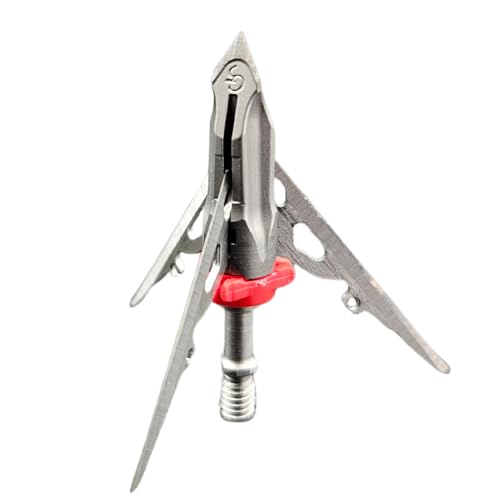

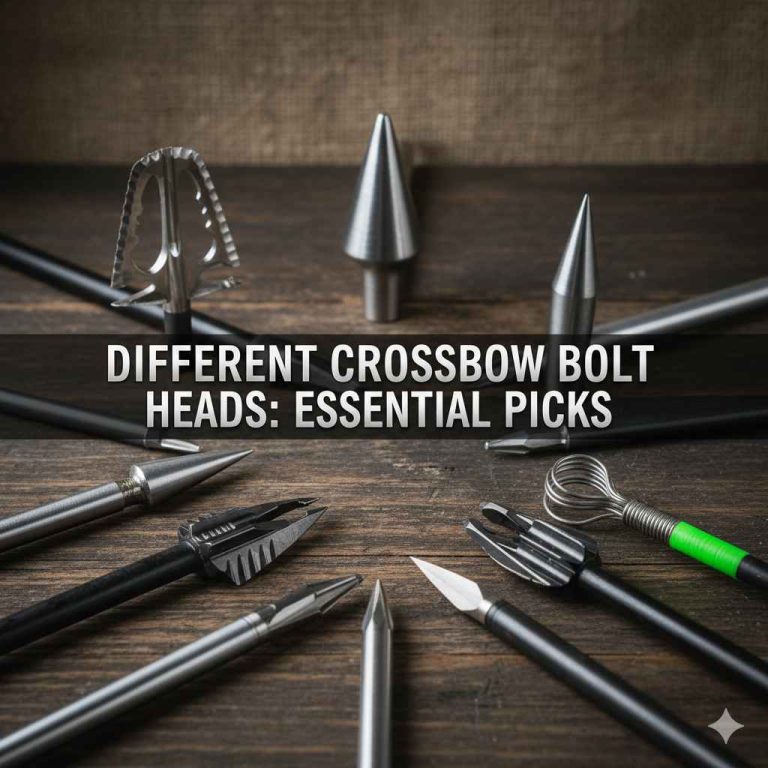
For most buyers, the useful price question is not “what is the cheapest head?” It is “what does a usable 3-pack cost once practice heads, replacement blades, and speed rating are included?” Crossbow broadheads are hunting tips designed for use with crossbow bolts, and they come as mechanical broadheads, fixed blade broadheads, replacement blades, and hunting broadhead packs.
Typical price bands by pack size
Most hunters shop in 3-packs, because broadheads are consumables. A lower sticker price can hide extra costs if the head needs practice versions, blade swaps, or replacement after a single hard hit. Crossbow broadheads are sold in many forms, and the category varies widely by design and package size.
What drives price
Buyers should compare cutting diameter, blade design, grain weight, ferrule strength, and flight consistency. Those are the cost drivers that matter. A broadhead with a larger cutting diameter, stronger ferrule, or rear-deploy mechanism usually costs more than a plain fixed blade head, especially when the package includes practice heads or extra blades.
Why a cheap head can cost more later
Cheap broadheads often become false economy when they need tuning time, lose blades, or group differently from field points. A head that is technically compatible but poorly matched to speed can also waste bolts. Say your crossbow is a fast model and the heads plane away from the field-point group; the “bargain” pack can turn into extra range time, extra bolts, and less confidence on a shot.
Broadhead price table
The table below maps real buying thresholds to use cases. It focuses on total value, not brand hype. Pack size, practice heads, replacement blade cost, and speed range all matter more than a low shelf price.
| Price band per 3-pack | Best-fit use case | Pack size to expect | Practice heads needed? | Replacement blade cost | Sensible speed range |
|---|---|---|---|---|---|
| Under $25 | Budget deer hunter, slower crossbows, backup heads | Usually 3-pack | Yes, if the head is mechanical or hard to duplicate with field-point flight | Often low, but some budget heads are disposable instead of rebuildable | Slower to moderate setups |
| $35 to $60 | Most hunters, balanced flight and durability, common deer use | Usually 3-pack | Recommended for any new setup | Moderate, if blades are replaceable | Standard crossbows and many fast crossbows |
| $60 to $100 | High-speed crossbows, premium mechanicals, frequent replacement needs | Usually 3-pack or premium smaller pack | Yes, especially for rear-deploy designs | Higher if premium replacement blades are sold separately | High-velocity and over-400 FPS setups |
How to read total cost per hunt
Do not stop at the pack price. Divide the pack cost by the number of huntable heads after accounting for practice use and blade wear. A 3-pack that needs a practice version and replacement blades can cost more per hunt than a slightly pricier package that flies well, stays intact, and matches the field-point setup from the start.
What broadhead type fits your crossbow?
For deer hunting, mechanical broadheads often make sense on fast crossbows because they can open a larger cutting area at impact. Fixed blade broadheads are the safer buy when the priority is simplicity, durability, and predictable flight. Expandable-style mechanical heads sit between those ideas, but the best choice still depends on speed, penetration needs, and how much tuning the setup already needs.
Mechanical broadheads for deer hunting and fast bolts
Mechanical broadheads use rear deploy or expandable blades, which helps them fly more like field points before impact. That can help on fast deer setups, where a larger cut is useful and the bow has enough speed to support reliable opening. The tradeoff is cost and moving parts. A mechanical head that is cheap but weak in the ferrule can fail on hard bone or blade deployment.
Fixed blade broadheads for simplicity and consistency
Fixed blade broadheads have a simple design and durable construction. They usually cost less than premium mechanicals and have fewer moving parts to fail. That makes them a strong value choice for hunters who want flight consistency and dependable penetration, especially if the crossbow is not tuned tightly enough to forgive a finicky head.
A common first-timer mistake is buying the largest cutting diameter available because it sounds more lethal, then finding that the setup loses penetration on steep quartering shots. Bigger cuts can help blood trails, but larger blades can reduce penetration depending on design and impact speed.
When expandable heads are worth the price
Expandable heads are worth the extra money when the crossbow speed is high enough to support reliable deployment and when the hunter wants a larger wound channel without giving up too much in-flight stability. They are less attractive if the head price is low but replacement blades are costly, or if the bow is already borderline on speed and tuning.
Which grain weight should you choose?
For most crossbows, the useful starting points are 100 grain and 125 grain broadheads, because those weights are common and easy to match to bolt setups. The right choice depends on the entire bolt system, not the head alone. Grain weight affects flight, penetration, and overall compatibility with the crossbow bolt and other front-end components.
100 grain versus 125 grain
Many crossbow hunters choose 100 grain when they want a common setup with broad compatibility and easier flight tuning. 125 grain can add front-end weight, which may help penetration and stability in some setups, but it can also change point of impact enough to require retuning. Match the grain to the bolt setup rather than copying someone else’s number.
How grain weight affects flight and penetration
Heavier broadheads generally shift the balance forward and can improve penetration, but they can also change trajectory and impact point. Lighter heads often make tuning easier, especially on faster crossbows, but that does not mean every 100 grain head will outperform every 125 grain head. Ferrule strength and blade design still matter.
Matching grain to bolt setup
Crossbow bolts and arrows must match thread compatibility and practice-point alignment. A broadhead that does not match the bolt system can create unnecessary point-of-impact changes and poor practice transfer. If the field point and broadhead do not group close together, the grain choice may need adjustment before the hunt.
What speed rating do you need?
Some broadheads are explicitly rated for crossbow speeds, but many are not given formal FPS ratings at all, so buyers should also check ferrule strength, blade retention, and field-point grouping. That matters more as velocity rises, because higher speed changes how much force the head sees at impact and how forgiving the design will be. A head made for slower use can still be technically threaded on, but it may not be a sensible buy for a fast bow.
Broadheads for standard crossbows
For standard crossbows, a well-made fixed blade or a mid-priced mechanical broadhead is often the best value. The common buying threshold is still around $35 to $60 per 3-pack, especially if the package includes enough heads for practice and hunting. The key is reliable flight, not the lowest shelf tag.
Broadheads for high-velocity and over-400 FPS setups
High-velocity crossbows need broadheads that are made for that speed. A 400 grain arrow pack is a total arrow weight spec, not a broadhead spec, and buyers should look at the full setup when the bow is moving into very fast territory.
Why speed changes the value threshold
At higher speed, a cheap broadhead can become a false economy faster. Ferrule strength matters more, blade retention matters more, and field-point grouping matters more. If a budget head is only slightly cheaper but causes poor flight or deployment problems, the real cost is lost time and reduced confidence.
What to check before buying
Before buying, confirm ferrule strength and construction material, cutting diameter, and thread compatibility. Then check whether the practice point groups close to the hunting head. Those details tell you more than brand hype does, and they help separate a sensible buy from a broadhead that only looks affordable.
Ferrule strength and construction material
Ferrule strength is the part of the broadhead that keeps the assembly intact after impact. Stronger construction materials improve durability under hard hits and help with bone-hit reliability. A weak ferrule can bend or fail even when the blades look sharp and the packaging claims crossbow use.
Cutting diameter and penetration tradeoff
Bigger cutting area can improve blood trails, but it can also reduce penetration depending on blade design and impact conditions. That tradeoff matters more on bigger animals and harder shot angles. A broadhead with a massive cut is not automatically a better buy if the crossbow setup cannot drive it well.
Thread compatibility and practice-point alignment
Do not skip the thread check. Crossbow bolts and arrows need the right thread compatibility, and the broadhead should align with the practice point so the impact shift stays predictable. If practice points and hunting heads do not land close together, the package is not a good value, even if the price looks low.
Picture a hunter with a high-speed crossbow and a 3-pack of low-cost mechanicals. If the field points hit center but the broadheads print several inches off and the blades are hard to replace, the cheap pack is no longer cheap. The better buy would have been the one that matched the speed rating and grouped cleanly.
Frequently asked questions
How much do crossbow broadheads cost?
Most hunters should expect around $35 to $60 per 3-pack. Budget heads under $25 can work for slower setups, while $60 to $100 fits high-speed crossbows, frequent replacement, or premium mechanicals. The better comparison is total cost per hunt after practice heads and replacement blades are included.
What is the best broadhead for crossbow deer hunting?
For deer hunting, a mid-priced broadhead that matches the crossbow speed is usually the safest buy. Mechanical broadheads are often a good fit for fast bolts and larger cuts, while fixed blade heads are a better value when simplicity and reliable penetration matter more than a larger wound channel.
Are mechanical broadheads good for crossbows?
Yes, mechanical broadheads can work very well on crossbows, especially for deer hunting and fast setups. They fly well when matched to speed, but they cost more and can fail if the ferrule is weak or the blades deploy poorly. They are a better fit for some bows than others.
What grain broadhead should I use for my crossbow?
Start with 100 grain or 125 grain, then match the choice to the bolt setup and the point of impact you want. 100 grain is a common baseline, while 125 grain can add front-end weight and penetration. The right answer depends on bolt compatibility and tuning, not habit.
Do crossbows need special broadheads?
Crossbows do not need a special shape in every case, but they do need broadheads matched to crossbow speeds and bolt thread compatibility. That is why crossbow-specific heads exist. They are designed for the speed and impact forces of crossbow bolts, not just for any arrow setup.
What is the best broadhead for a crossbow over 400 FPS?
For over-400 FPS setups, buy a head made for higher crossbow speeds and focus on ferrule strength, blade retention, and consistent flight. A premium mechanical or a proven fixed blade can work, but the broadhead must fit the speed range and the full setup. High-speed crossbows can be unforgiving.
What broadheads work best with Ravin crossbows?
Ravin-style high-speed crossbows call for broadheads that are made for very fast use. The buyer still needs matching thread compatibility and clean practice-point alignment. The broadhead should fit the whole setup, not just the brand.
Crossbow vs compound bow broadheads: what’s different?
Crossbow broadheads are built around crossbow bolt speed, so the acceptable head choice can be stricter than for many compound setups. Crossbow buyers should pay closer attention to speed rating, ferrule strength, and flight consistency. Compound bow broadheads can overlap, but the match to velocity and tuning is not the same.
Are fixed blade broadheads or mechanical broadheads better for crossbows?
Neither type is always better. Mechanical broadheads are often the better deer-hunting choice for fast bolts and larger cuts, while fixed blade broadheads are stronger on simplicity and consistency. If the setup is not highly tuned, fixed blades can be the smarter buy. If speed is high, a rated mechanical can be worth the cost.