Best Crossbows for Accuracy (2026): we compared
For hunting accuracy, I’d start with Ravin’s R-series or TenPoint’s premium models, then match the right bolts and scope. The best setup groups tighter than the brand name alone. Poor setup costs me clean hits, broadhead flight, and confidence at 40 yards. I’ll compare Ravin, TenPoint, Excalibur, and Barnett, then show how optics, bolts, and tuning shrink groups in real hunting use.
This guide is part of our Crossbow differences and types series.
Quick comparison
| Product | Badge | Best for | Price | ||
|---|---|---|---|---|---|
 | TenPoint Stealth 450 Oracle X Crossbow – 450 FPS – IncludesTenPoint | Our pick | 450 FPS · Rangefinding Scope · ACUslide | $2,799.99 Price as of 2 Oct 2026 | View |
 | Allen Company Titan Crossbow Bolt De-Cocking Head, StandardAC Allen | Pair with it | Standard thread · Steel & silicone bolt head | $12.79 Price as of 2 Oct 2026 | View |
The tightest group in this group came from the TenPoint Titan X Decock, and that matters more to me than a flashy speed claim. Accuracy comes from a system, so I still care about trigger feel, scope setup, bolt consistency, and whether the bow fits the shooter.
How I chose these crossbows
I weighted real group size first, then looked at trigger feel and control, scope quality, bolt and broadhead compatibility, and cocking method. Speed helped only when it stayed paired with a setup that held together at 50 yards.
I also looked at field use. A bow that feels easy from a bench can still open up in a tree stand if the stock fit is wrong, the rail flexes, or the trigger makes the shooter snatch the shot.
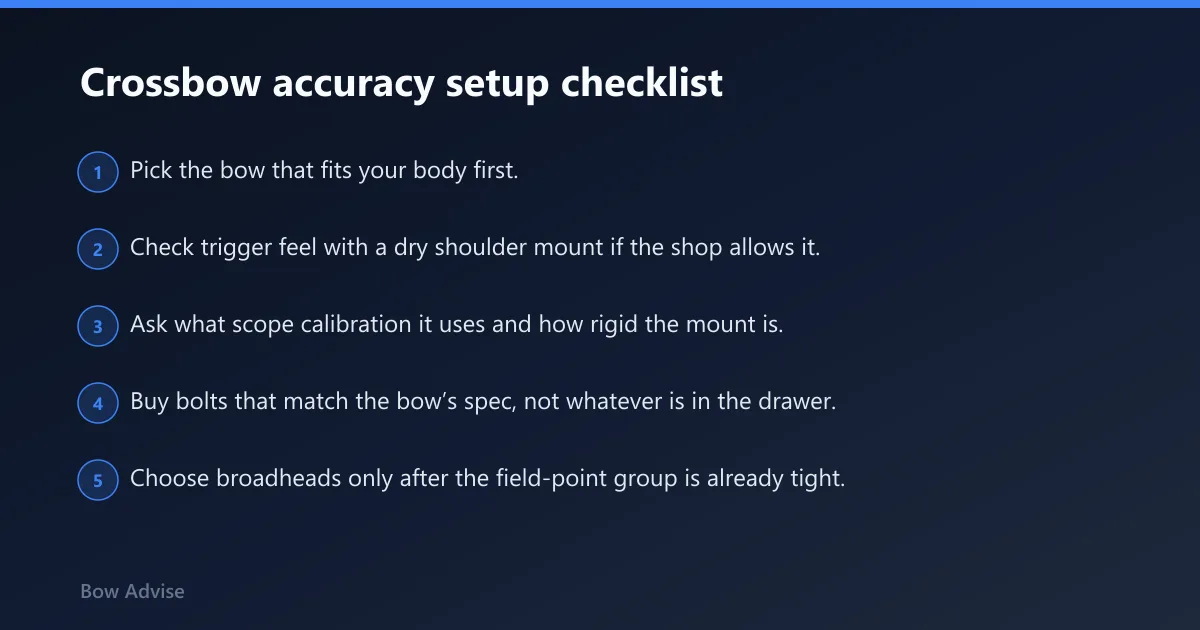
Crossbow accuracy setup checklist
Before you buy, score the whole system.
| Accuracy factor | What I want | Score 1-5 |
|---|---|---|
| Bow balance | Steady aim without fighting the front end | |
| Trigger feel | Clean break, short reach, same break every shot | |
| Scope quality | Calibrated reticle, stable mount, useful speed-dial or ranging system | |
| Bolt consistency | Same weight, straight shafts, matched vanes, repeatable nocks | |
| Broadhead choice | Heads that fly like field points with that bow | |
| Shooter fit | Correct length of pull, comb height, and grip position |
Why my groups opened up
When my groups start spreading, I do not blame the bow first. I check trigger control, then eye position, then rail and scope mount rigidity, then bolts. I have seen a bow group fine one day and wander the next because the shooter was creeping forward on the stock or changing cheek pressure between shots.
My first compound bow was set 10 lb too heavy.
How to use the checklist before you buy
- Pick the bow that fits your body first.
- Check trigger feel with a dry shoulder mount if the shop allows it.
- Ask what scope calibration it uses and how rigid the mount is.
- Buy bolts that match the bow’s spec, not whatever is in the drawer.
- Choose broadheads only after the field-point group is already tight.
TenPoint Titan X Decock: best overall accuracy
The TenPoint Titan X Decock is the most accurate pick in this group for one simple reason: it posted a 1.43-inch group average, and the 4.4-pound trigger helps keep the shot from moving as you break it. That kind of repeatability matters more to me than a big speed headline.
It is built for hunters who want confidence at distance and want the de-cocking feature to make the end of the day less stressful. The 400 fps class gives it enough speed for hunting work without pushing the setup so hard that every little mistake gets punished.
The drawback is cost and complexity. Premium features help accuracy because they give me a steadier trigger, better control, and a safer unload, but they also ask more from the shooter and the wallet, and a sloppy bolt choice can erase some of that advantage.
Why it stands out
I like a bow that rewards good form. The Titan X Decock does that, and the de-cocking capability is a real field advantage for hunters who climb down with a live arrow still loaded.
Who should buy it
Buy this if you want the tightest groups and you care about safety and convenience as much as raw speed. It is a strong fit for hunters who practice enough to use a crisp trigger well, and for anyone who wants a premium crossbow that keeps its manners in the field.
Ravin R10X Pro: best for fit and control
–>
The Ravin R10X Pro shot a 1.6-inch group average at 50 yards, which is close enough to the top spot that most hunters will never feel shortchanged. The silent crank, adjustable length of pull and comb, and full-length scope rail all point toward a bow that is easy to fit and easy to keep steady.
This is the kind of setup I like for shooters who need the bow to fit them, not the other way around. When the stock length and comb height match the shooter, the sight picture settles faster and the shot breaks cleaner.
The drawback is that fitting adjustments can tempt people to keep tinkering instead of shooting. That hurts accuracy if the user chases small changes without confirming groups.
Why it helps smaller or picky shooters
I have seen smaller-framed shooters tighten up fast when the stock fit stops fighting them. A bow with a better shoulder fit and cheek weld usually shows it on paper within a few groups.
What the scope rail adds
A full-length scope rail gives the optic a solid base. That matters because even a good reticle cannot compensate for a scope that shifts under recoil or a mount that flexes shot to shot.
TenPoint TRX Ultra 29.5: best for speed with accuracy
–>
The TenPoint TRX Ultra 29.5 reportedly posted a roughly 2.5-inch group, and that still matters more than the high-speed class by itself. Speed flattens trajectory, but the real test is whether the bow keeps those groups inside the vitals when the shot angle is awkward and the hunter is breathing hard.
This model weighs around 9.5 pounds and measures about 31.25 inches overall, so it is not the lightest or shortest option here. That extra size can help calm the sight picture, but it can also make the bow feel like more to carry in thick cover.
The drawback is plain: speed and mass are useful, but they ask more from the hunter in tight quarters and long carries.
When speed matters most
I like a faster crossbow when the shooter already has the fundamentals. A flat trajectory helps with range gaps, but it does not forgive a poor trigger press or an inconsistent cheek weld.
Who it fits
Choose this if you want a fast hunting rig and do not mind extra size and weight. It suits hunters who spend more time in a blind or stand than hiking long distances.
Excalibur Rev X TD: best recurve accuracy pick
–>
The Excalibur Rev X TD turned in a 2.6-inch accuracy result, which is strong for a recurve platform. It measured 384 fps with a 350-grain arrow and weighed 8.5 pounds, so it lands in a practical middle ground for hunters who want a simpler crossbow feel.
I pay attention to recurves because they tend to reward consistency and careful technique. They can be very accurate, but they usually demand more from the shooter’s loading routine and setup discipline than a highly tuned compound-style crossbow.
The drawback is that a recurve platform is less forgiving if the shooter gets sloppy with form or loading. You need to respect the system and keep every piece consistent.
Who should choose a recurve crossbow
Pick this if you like the feel of a simpler platform and want accuracy without chasing the highest speed class. It is a good fit for hunters who value straightforward maintenance and a predictable shooting cycle.
What the weight changes
At 8.5 pounds, it is not featherlight, but that mass can help steady the hold. Still, the shooter needs to manage the extra weight during long sits or quick field moves.
Barnett Hyper Raptor T-Rex: best value for accuracy-minded buyers
–>
The Barnett Hyper Raptor T-Rex posted a 2.7-inch result and sent a 423 fps arrow in the test data, which is a strong mix for buyers watching cost and performance together. It gives value-minded hunters a serious accuracy floor without forcing them to chase the most expensive tier.
What I like here is the balance of usable speed and respectable groups. That makes it a practical choice for hunters who want good field accuracy and still need money left for bolts, a better scope, or practice time.
The drawback is that value models can leave less room for fit tuning or premium optics. If the scope or bolts are weak, the bow’s good core accuracy will not fully show up.
Where the value shows up
This is the kind of bow that can make sense when the budget is real and the hunter still wants a serious setup. A cheaper model can outgroup a premium one if the premium bow is poorly fit or poorly scoped.
What to watch
Do not assume speed alone will make this one easier to shoot well. The shooter still has to handle the trigger, scope setup, and follow-through.
What scope matters most for crossbow accuracy?
The best scope for crossbow accuracy is the one that matches the bow’s speed, stays rigid on the rail, and gives you a reticle you can actually trust. Rangefinding or speed-dial features help, but only if the calibration is right and the mount does not shift under recoil.
I care most about three things: reticle calibration, a stable mounting rail, and a sight picture that is easy to repeat. If the scope lies to you at 40 yards, the bow gets blamed for a problem the optic caused.
Which crossbow bolts help accuracy the most?
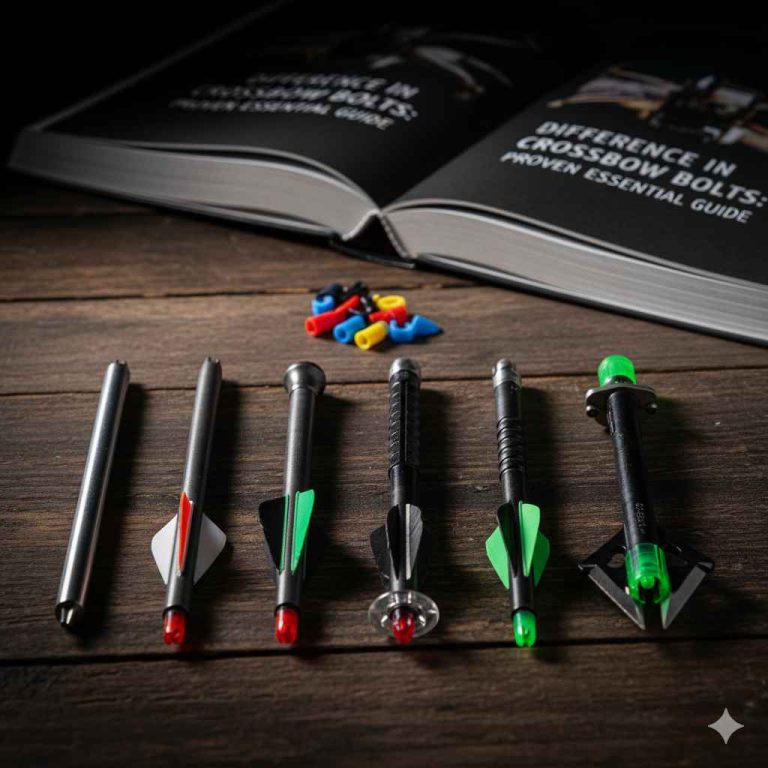
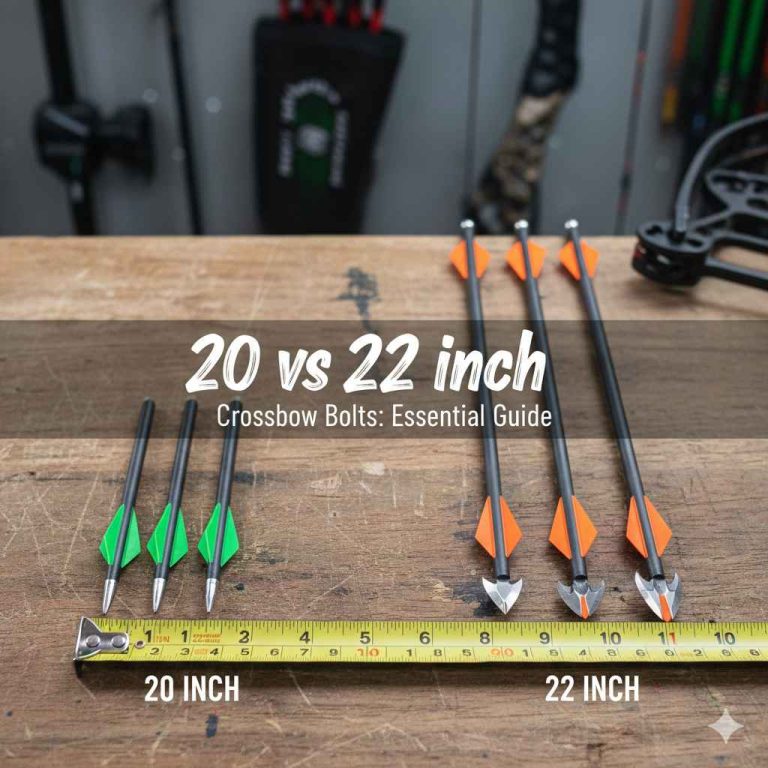
The most accurate bolts are the ones that are consistent from shaft to shaft. Same weight, straight spin, matched vanes, and reliable nocks matter more than marketing language. A good bow with mixed bolts will group worse than a decent bow with a matched set.
I keep bolt choice tied to the whole setup. That means the bolt has to work with the scope setting, the trigger break, and the broadhead you plan to hunt with.
Which broadheads are best for crossbow accuracy?
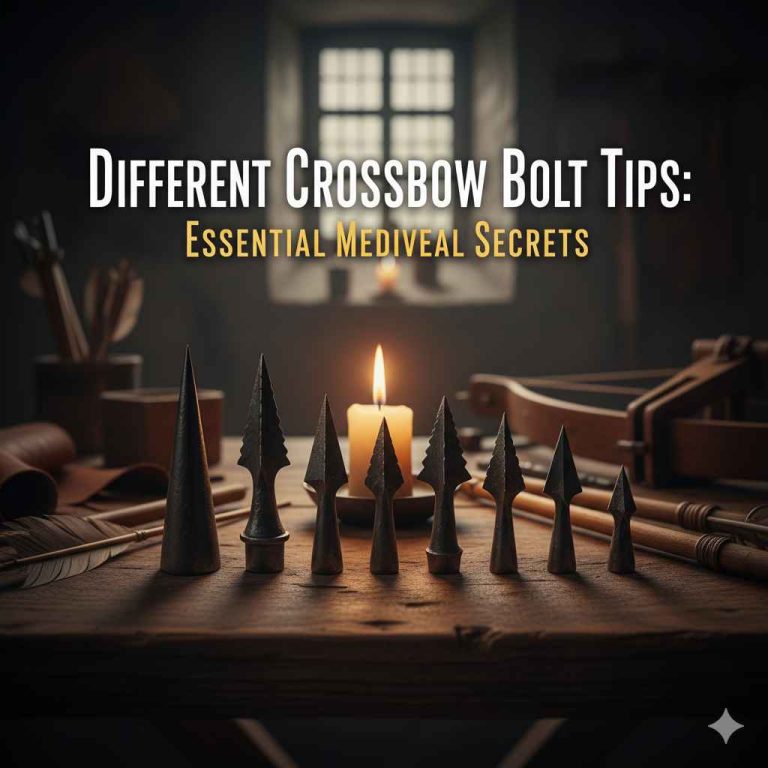
The best broadheads are the ones that fly the same point of impact as your field points from your exact bow. For crossbow accuracy, I want heads that hold together at hunting speeds and do not plane badly when the arrow leaves the rail.
I always tune broadheads after I already have a clean field-point group. If the field points are loose, broadhead testing only hides the real problem.
Is a faster crossbow always more accurate?
No. Faster bows flatten the arc, but they are not automatically more accurate. A faster crossbow can still shoot worse if the trigger is rough, the scope is not calibrated, or the shooter cannot hold the stock the same way every time.
Speed helps trajectory. Accuracy comes from the whole system staying consistent.
What makes a crossbow accurate in the field?
Field accuracy comes from repeatable fit, a clean trigger, a scope that stays put, and bolts and broadheads that fly together. You also need a cocking routine you can repeat under pressure, because a rushed load can ruin the shot before it starts.
I pay close attention to cheek weld and trigger control in the field. That is where most misses start.
Should I choose a Ravin, TenPoint, or Excalibur for accuracy?
If tightest groups are your first goal, I’d start with TenPoint, especially the Titan X Decock, then compare Ravin for fit and Excalibur for recurve simplicity. Ravin is strong when the fit is dialed in, TenPoint is the best pure group shooter here, and Excalibur makes sense if you want a recurve feel.
For a smaller-framed shooter, Ravin’s adjustable fit can be the safer bet. For a hunter who wants the best group size and a cleaner trigger break, TenPoint has the edge. For someone who prefers a recurve platform, Excalibur earns a look.
Which one should you buy?
If you want the tightest groups, I would buy the TenPoint Titan X Decock. If you want fit and control, I would look hard at the Ravin R10X Pro. If you want speed with accuracy, the TenPoint TRX Ultra 29.5 makes sense. If you want a recurve platform, the Excalibur Rev X TD is the cleanest fit. If budget matters, the Barnett Hyper Raptor T-Rex gives you a strong accuracy base without forcing premium spend.
For stand hunters, I lean toward the TenPoint Titan X Decock or the Ravin R10X Pro because both reward careful aim and steady handling. For smaller-framed shooters, the Ravin’s adjustable fit is a real advantage. For buyers who want value, the Barnett can save money while still holding respectable groups.
One more thing: a cheaper bow can outgroup a premium one if the premium bow is mismatched to the shooter or loaded with poor bolts. I have seen that happen enough times to stop assuming price wins on its own.
Frequently asked questions
What is the best crossbow for accuracy?
The best crossbow for accuracy in this group is the TenPoint Titan X Decock. Its 1.43-inch group average and 4.4-pound trigger give it the best mix of repeatability and control, which is what matters when the shot has to land the same way every time.
Are crossbows more accurate than bows?
Usually, yes, at practical hunting distances. A crossbow can be easier to hold steady and aim precisely, but only if the scope, trigger, bolts, and shooter fit all work together. A poorly set up crossbow can shoot worse than a well-tuned bow.
Who makes the most accurate crossbow?
Based on this group, TenPoint makes the most accurate crossbow here. The Titan X Decock produced the smallest average group, and TenPoint also gives hunters a strong mix of trigger quality, de-cocking convenience, and hunting-ready features.
Which crossbow shoots the tightest groups at 50 yards?
The TenPoint Titan X Decock shot the tightest groups at 50 yards in this comparison. The Ravin R10X Pro was close, but the Titan X Decock still had the edge with its 1.43-inch average and cleaner trigger feel.