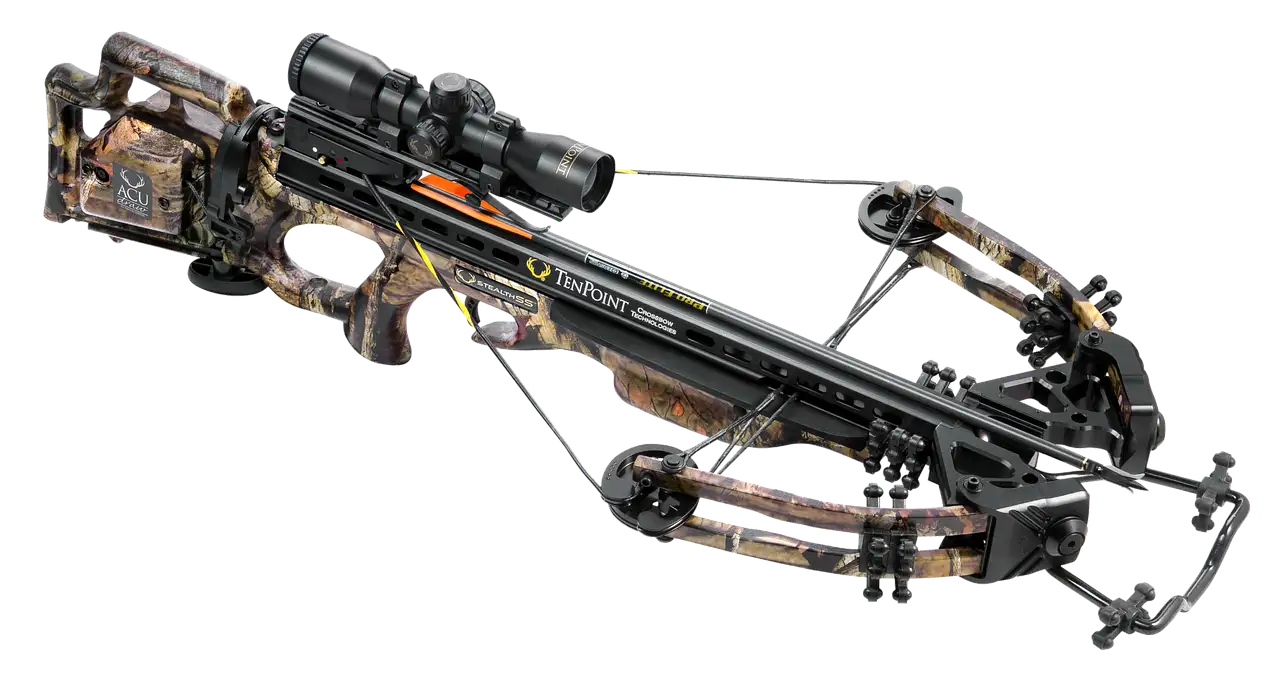
Crossbow Differences and Types
There are a few main crossbow types—recurve, compound, and reverse-draw—and a practical buying rule is to weigh width, maintenance, and cocking effort before looking at speed ratings. Get that wrong, and you may end up with a bow that is hard to cock, awkward in a blind, or expensive to keep running. I’ll compare carry, shooting feel, hunting use, and upkeep so you can match each design to target shooting, compact carry, whitetail hunting, or a first crossbow.
For many buyers, the main comparison starts with two designs: recurve and compound. Those are the crossbow differences and types that drive most hunting and range purchases, while pistol models fill a niche and older forms like the arbalest and gastraphetes belong in the history lane.
The two crossbow types most buyers compare first

Recurve crossbows at a glance
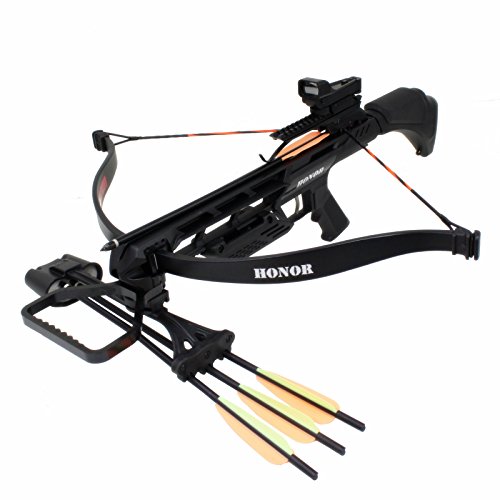
A recurve crossbow uses a simpler limb layout with fewer moving parts. Crossbows use a horizontal bow-like assembly called a prod mounted on a main frame called a tiller, and on a recurve, that prod setup is direct. Fewer pieces usually means less to time, less to service, and less to go wrong after a hard season.
That simplicity matters in the field. When a beginner asks me what they can maintain with the least fuss, I usually point them here first. String work is easier to grasp, and the bow tends to feel honest about what it is: wider up front, a little less sleek, but easier to understand.
The tradeoff is speed potential. Recurve models usually give up some top-end performance to modern compounds, and that matters more if you are chasing a compact hunting setup than if you mostly want reliability.
Compound crossbows at a glance
A compound crossbow adds a cam system to the limbs, which can change a lot about how it behaves. The cam layout can store energy efficiently and often drives higher speed potential, which is one reason so many current hunting models use it.
You pay for that with complexity. More moving parts mean more tuning sensitivity, more attention to string and cable condition, and more dependence on exact setup. Different tool, same lesson: when the system gets more demanding, small mistakes hit harder.
Why these two dominate modern buying decisions
Modern buying lives in the recurve-versus-compound decision because those two designs cover most real use. Reverse-draw models exist, but they are still a subset of modern compound thinking rather than a separate family most beginners need to study first.
After a crossbow is cocked, the lock holds the string, so the shooter can settle the sight picture without fighting full draw the way you do on a vertical bow. I see that change how people shop, because hold comfort, carry bulk, service needs, and cocking method matter a lot. Crossbows are commonly used in target leagues, 3D courses, and deer camps in the U.S. Speed matters. Living with the bow matters more.
According to 12 Best Crossbows in 2026 For Every Scenario – Crossbow Magazine — Every crossbow tested shot under 1-inch groups.
What are the different types of crossbows?
The practical categories include modern full-size recurve and compound crossbows, compact pistol crossbows, and historical forms such as the arbalest and gastraphetes. I keep those groups separate because only the first two are normal buying choices for hunting or regular range use.
Modern full-size crossbows
This is the main market. Full-size recurves and compounds are built around hunting, target use, or both. They use a lock and trigger system to hold and release the string, and they fire arrow-like projectiles called bolts or quarrels.
Some are long and steady. Some are narrow and dense. A full-size crossbow can be easy to shoulder and aim, but that does not make every full-size model a good beginner bow. Weight balance, trigger feel, and cocking method change the experience fast.
Compact and pistol-style crossbows
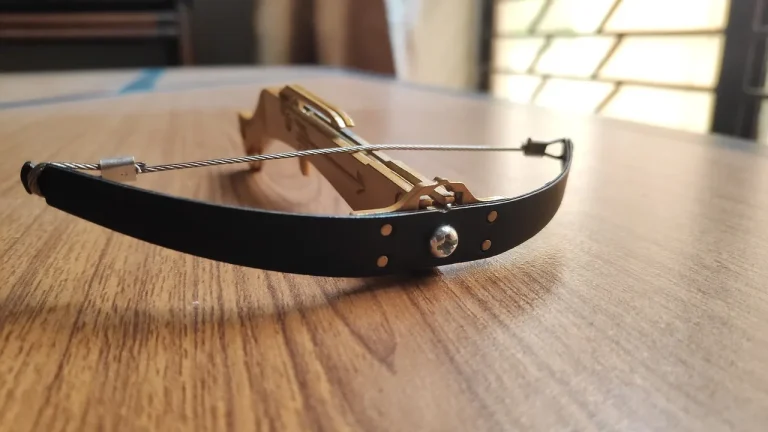
Pistol crossbows are smaller crossbows shot from under the arm. That old description still works because it tells you exactly where they sit in the family: compact, short-draw, and limited compared with full-size hunting bows.
I treat them as specialty pieces, not substitutes. They can be handy for casual backyard target use where legal and safe, or for people who want something light and simple to handle. They are weaker than full-size models and carry clear limits in range, bolt mass, and intended use.
Historical types: arbalest and gastraphetes
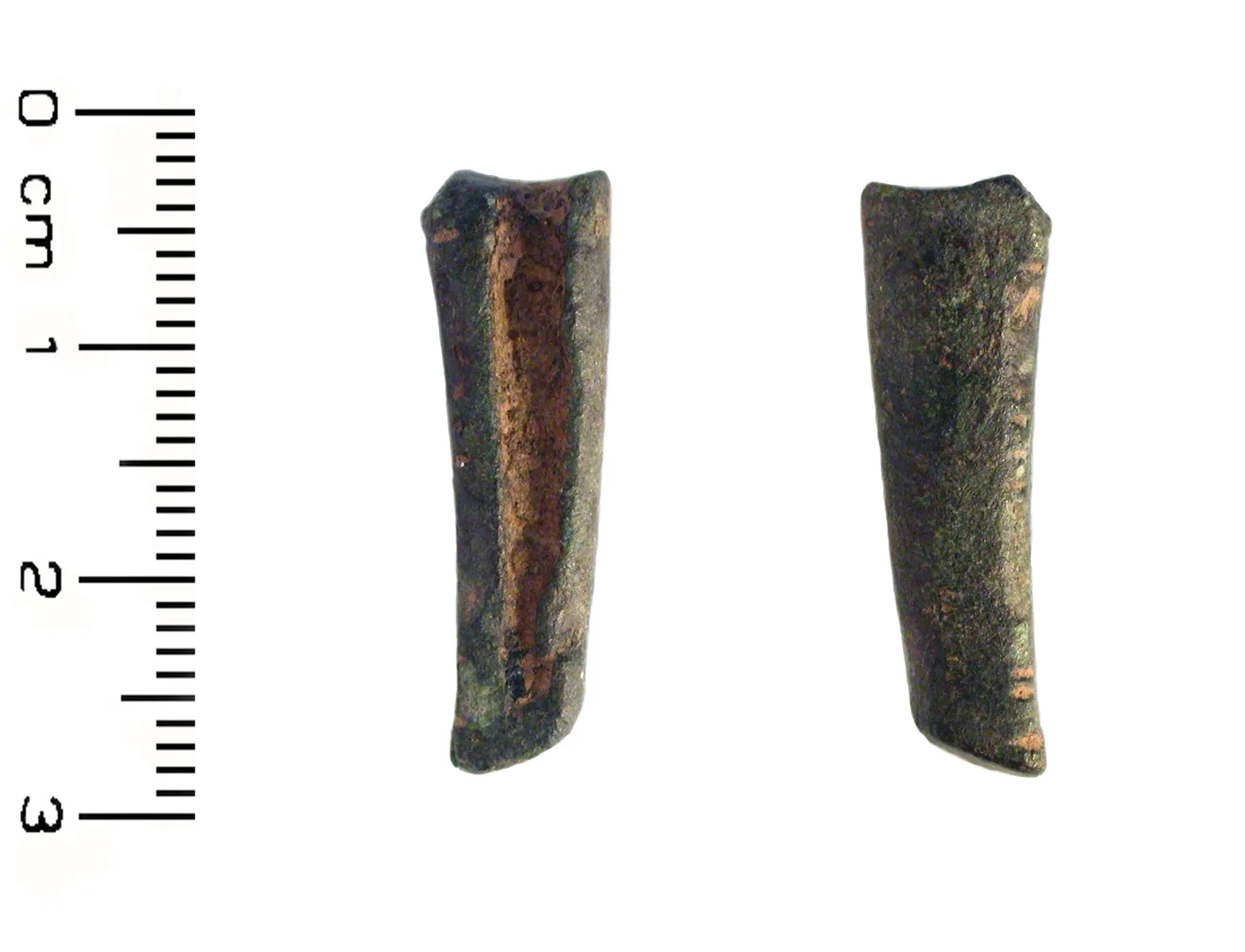
The earliest solid evidence for crossbows comes from ancient China in the first millennium BCE, with bronze trigger mechanisms found in tombs and military sites from that period. Much later, European forms such as the arbalest pushed draw force hard, while ancient descriptions also include the gastraphetes as a crossbow precursor. (en.wikipedia.org)
Those are worth knowing because they explain where spanning tools, lock systems, and prod materials came from. They should not confuse a current buyer choosing a hunting bow.
Why old and new categories should stay separate
Competitor guides often lump every crossbow into one list. That sounds tidy, but it muddies buying decisions. An arbalest tells you something about steel prods and windlass cocking. It tells you almost nothing about whether a beginner should buy a recurve for deer season.
I separate historical context from purchase advice on purpose. It keeps the useful part visible.
What a Barnett Crossbow Costs After the First Year
Barnett crossbows range from $200 to over $1,000, but the true first-year investment typically lands between $350 and $1,300 once you factor in arrows, a cocking aid, and maintenance. Many buyers focus on sticker price, missing the fact that a “cheap” model can end up costing more by season’s end due to these add-ons. This breakdown helps you align your budget with your specific hunting needs, whether you are a beginner or an upgrade buyer. See the Barnett crossbow cost guide to understand which model fits your target price tier and what each package includes.
Getting Started with a Barnett Crossbow
A Barnett crossbow is one of the most popular entry points for hunters and target shooters, but the purchase price is only part of the equation. This guide covers Barnett model pricing across their key families—Tiger, Jackal, Raptor, and Recruit—along with the required add-ons like scopes, bolts, cocking aids, and broadheads that push your first-year total higher than the sticker price suggests.
Whether you are looking at a budget-friendly Recruit or a feature-loaded Tiger XH, understanding understanding Barnett pricing will help you avoid surprise expenses and choose the right model for your actual needs and budget.
How Broadhead Cost Fits Your Crossbow Budget
Your crossbow purchase is only half the equation; the recurring cost of broadheads often rivals the initial outlay. This guide explains that while budget 3-packs under $25 exist for slower setups, most hunters find the $35 to $60 range offers the best balance of flight stability and impact performance. Premium mechanicals or high-speed systems can push costs toward $100, where cheap heads risk poor grouping and catastrophic failure on impact, ultimately costing more in lost game than they save. broadhead price ranges help you match head speed ratings to your specific bow, ensuring you do not overspend on unnecessary premium features or underspend on unreliable hardware.
How does a recurve crossbow differ from a compound crossbow?
A recurve crossbow uses simpler limbs and fewer parts, while a compound crossbow uses cams to store and release energy more aggressively. In practice, recurves are often easier to maintain, and compounds often run narrower and faster, with more setup sensitivity and service demands.
Limb layout, cams, and stored energy
On a recurve, the prod and string path are direct. On a compound, the cam system changes the force curve and how energy builds through the draw cycle. That is why compound bows can feel mechanically efficient even when they ask more from the owner.
Prod material matters too. In my hands, limb feel changes with material and design more than many spec sheets suggest. Some limbs feel dead and controlled. Others snap forward with a sharper report. That affects comfort and noise as much as speed.
Speed, width, and field handling
Compound models usually win on compact width, and that is a real hunting advantage in blinds and brush. A wider recurve can feel clumsy at the wrong moment, especially when you are turning inside a tight blind window or easing around a tree trunk.
But compactness has a price. Dense front-end hardware can make some compound bows feel heavy for their size. I would rather carry a slightly wider bow that balances well than a tiny one that wants to nose-dive all afternoon.
Maintenance burden and repair reality
This is where buyers make expensive mistakes. Recurves usually ask for simpler upkeep because part count is lower. Compounds ask for more attention to cams, cables, timing, and alignment.
If you like to do your own checks, wax strings, inspect serving wear, and keep things in tune, a compound can be fine. If you want the fewest service headaches, recurve remains the safer lane.
Who each design fits best
I match recurves to buyers who value low maintenance, easier field service, and clear mechanics. I match compounds to hunters who need narrower carry width and want modern hunting performance enough to accept more upkeep.
Neither is automatically better. A bad fit stays bad, even if the speed number looks great.
What is the difference between a pistol crossbow and a full-size crossbow?
A pistol crossbow is much smaller, uses a shorter draw length, and is weaker than a full-size crossbow. It is handled from under the arm, fits casual short-range use better, and should not be treated like a serious substitute for full-size hunting equipment.
Size, draw length, and power limits
The short draw is the whole story. Less draw length means less stored energy, and less stored energy means less authority on target. Bolt match becomes touchy too, because a very small crossbow can react poorly if the projectile is poorly suited to the bow.
Full-size models give you more usable energy, longer bolts or quarrels, and more stable handling with optics or accessories. They also tend to have more serious lock and trigger systems.
Under-arm handling and intended use
Pistol crossbows are smaller crossbows shot from under the arm, and that handling style makes them feel quick and light. It also limits how steady they feel compared with a shoulder-fired full-size rig.
For simple target fun, I get the appeal. For disciplined practice that should carry over into hunting form, I would rather train with the style I intend to use.
Where pistol crossbows make sense
They make sense when compactness is the point. Very small spaces, very light handling, and casual shooting are the right lane. Some buyers also prefer them when hand strength or shoulder comfort makes a full-size bow less inviting to handle between shots.
When a compact choice becomes the wrong choice
The wrong choice starts when a buyer expects pistol size with full-size results. If your priority is hunting, broad use, or consistency past very short distances, a pistol crossbow is usually the mismatch. I see this mistake most often with first-time buyers who shop only by size.
Which crossbow type is best for hunting?
The best hunting crossbow depends on where and how you hunt. I like compact compound models for tight blinds and awkward shooting lanes, while a recurve makes sense for hunters who want lower maintenance and easier service, especially if they can live with more width.
Best fits for whitetail-style hunting
For the whitetail woods, I start with terrain and shot setup. In box blinds and brushy edges, compact compounds usually fit better because they move less awkwardly. In more open stands or for hunters who prize simplicity, a recurve can be a very smart tool.
I hunt whitetail every fall, and the carry-to-shot transition matters more than bench numbers. A bow that comes up cleanly without bumping the blind wall is worth a lot.
Treestand, blind, and spot-and-stalk considerations
Treestands forgive width more than cramped blinds do. Ground blinds punish width fast. Spot-and-stalk or long carries punish poor balance and excess weight even faster.
Before buying, I tell people to mimic a shot from a chair, through a doorway, and while wearing layers. You will learn more in five minutes than you will from a speed ranking.
Noise, follow-up handling, and carry bulk
Noise is not only the shot. Cocking noise, crank clicks, and movement noise around the stand count too. Some systems are easy on your back but louder or slower to reset. Others are quieter but wear you down by the end of practice.
Carry bulk shows up on the hike in. So does sling balance. Those details decide whether you enjoy the bow enough to practice with it.
My warning signs before choosing too much speed or too much compactness
If a bow feels nose-heavy, hard to cock without help, or fussy about setup, I slow down and rethink the choice. Fit beat ego. It usually does.
Which crossbow models deliver the tightest groups at 40 yards?
Brand names alone do not guarantee clean hits. Models like the TenPoint Titan X Decock, Ravin R10X Pro, and Excalibur Rev X TD consistently produce tight groups because their design prioritizes fit, control, and balanced speed over raw velocity. Barnett’s Hyper Raptor T-Rex offers similar precision for buyers watching their budget.
Choosing the right platform is only half the equation. Matching bolts, tuning broadheads, and pairing the correct optics shrink group sizes in real hunting scenarios. A detailed breakdown of these top-performing setups helps you build a system that maintains accuracy when it matters most. Compare the best crossbows for accuracy to find the specific model and setup checklist that fits your shooting style.
What parts and systems change speed, cocking effort, and accuracy?
Speed, cocking effort, and precision come from the whole system: prod design, limb material, cam layout, power stroke, trigger quality, and bolt match. Buyers who focus on one spec miss the bigger truth, which is that easy shooting and repeatable shooting are rarely created by one part.
Prod and limb materials: durability, feel, and energy storage
The prod stores the energy. Limb material and shape decide how that energy builds and releases. Some setups feel smooth to cock and calm on the shot. Others feel harsher, even when paper specs look strong.
Durability is tied to design discipline. A simpler recurve prod often makes inspection easier. Compound limbs may store energy very efficiently, but the whole assembly asks for more care around cams and cables.
Lock and trigger systems: safety and precision
The lock holds the string securely until the trigger releases it. That sounds basic, but it has direct impact on safety and precision. A rough trigger can pull you off target. A consistent one helps you call shots better.
I do not judge crossbow accuracy by speed first. I judge it by trigger feel, bolt fit, setup consistency, and how repeatably the bow returns to the same point of impact.
Bolts and quarrels: length, mass, and proper matching
Crossbows shoot bolts or quarrels, and match matters. Full-size bows usually want heavier, longer projectiles than pistol models. A bolt that is poorly matched to the bow can change feel, group shape, and downrange behavior.
On the pieces I’ve measured in my shop, tiny changes in fit at the rail and nock engagement can show up on target faster than many beginners expect. This is one area where a careful setup beats chasing raw speed.
Power stroke, draw weight, and why specs can mislead
Higher draw weight alone does not tell you the full story. Limb geometry, cam design, and power stroke shape how hard the bow feels to cock and how efficiently it launches a bolt.
That is why a bow can look impressive on paper and still be a poor fit in actual use. In the 2026 roundup, Crossbow Magazine tested 17 crossbows over 100 hours of evaluation. The test categories included Best Overall, Most Accurate, and Best Under $500. Every crossbow tested shot under 1-inch groups, and speed variance across tested bows was under 1.0 fps. That tells me the field has matured enough that handling, trigger quality, and use case deserve more weight than many shoppers give them.
How do cocking aids change real-world usability?
Cocking aids change more than draw effort. They affect fatigue, setup speed, noise, and how willing you are to practice. A rope cocker is simple and portable, a crank or winch cuts effort hard, and lever systems can be quick but depend heavily on design.
Rope cocking devices
A rope cocker is usually the simplest modern aid. It reduces effective effort and can help you pull the string more evenly, which helps consistency. I like it for shooters who still want a direct feel for the bow without going fully mechanical.
The downside is repeat fatigue. During longer sessions, the savings may stop feeling generous. If your shoulders or back already complain, you may outgrow a rope cocker fast.
Crank and winch systems
Crank and winch systems cut effort the most and open the door for many shooters who would otherwise struggle. Crossbows can use gear-and-pulley spanning systems like levers, belt hooks, pulleys, windlasses, and cranequins, and the modern crank is the buyer-friendly descendant of that idea.
The tradeoffs are weight, extra mechanism, and noise. Some are slow to reset. Some click enough that I would think twice before recocking casually in a live hunting moment.
Lever aids and older spanning methods
Lever systems split the difference. They can be quick and handy if designed well. Older spanning methods matter mostly as context now, but they explain why certain heavy-draw historical bows needed dedicated mechanical help.
The arbalest is the classic example. When draw force gets serious, human comfort leaves the conversation and machinery walks in.
Noise, fatigue, and reset speed in actual use
- If you practice often, choose the aid that keeps you fresh enough to shoot well late in the session.
- If you hunt from a blind, test how much movement and sound the cocking process creates in tight quarters.
- If multiple shooters will use the bow, favor the system the weakest user can manage safely.
- If you value low complexity, remember that every added mechanism adds something else to inspect.
That is my field rule: cocking aids should fit the shooter first, the spec sheet second.
Decision matrix: which crossbow type fits your priorities?
Scorecard: ease of cocking, portability, noise, maintenance, beginner-friendliness, hunting suitability
| Crossbow type | Ease of cocking | Portability | Noise | Maintenance | Beginner-friendly | Hunting suitability | Wrong-choice warning |
|---|---|---|---|---|---|---|---|
| Recurve crossbow | 3/5 | 3/5 | 3/5 | 5/5 | 4/5 | 4/5 | Wrong pick if you hunt from very tight blinds and need minimum front-end width. |
| Compound crossbow | 3/5 | 4/5 | 3/5 | 2/5 | 3/5 | 5/5 | Wrong pick if you want the least upkeep or dislike tuning and service complexity. |
| Reverse-draw crossbow | 3/5 | 4/5 | 4/5 | 2/5 | 3/5 | 5/5 | Wrong pick if budget, simplicity, and easy parts support matter most to you. |
| Pistol crossbow | 5/5 | 5/5 | 4/5 | 4/5 | 3/5 | 1/5 | Wrong pick if you expect full-size hunting power or shoulder-fired stability. |
| Arbalest | 1/5 | 1/5 | 2/5 | 2/5 | 1/5 | 1/5 | Wrong pick for any modern buyer looking for a practical hunting or beginner bow. |
| Gastraphetes | 1/5 | 1/5 | 2/5 | 1/5 | 1/5 | 1/5 | Wrong pick if you are shopping for current sporting use rather than historical interest. |
Best picks by priority: beginner, budget, compact, low maintenance, hunting
- Beginner: Recurve crossbow, especially with a rope cocker and a clean trigger.
- Budget-minded: Recurve first, then simpler compounds if narrow width matters more.
- Compact carry: Compound or reverse-draw, especially for blinds.
- Low maintenance: Recurve wins clearly.
- Hunting: Compound for tight spaces, recurve for simplicity and easier field confidence.
Wrong-choice warnings for each type
The most common mismatch I see is a buyer choosing compactness over shootability. Second is choosing max speed over service reality. Third is buying a pistol crossbow with hunting expectations it cannot meet.
If you are between two bows, buy the one you are more likely to practice with. The “best” bow that tires you out, scares you off maintenance, or does not fit your hunting setup is not the best bow.
Evaluating budget crossbows: hidden costs behind high speed claims
A 425 fps price tag looks attractive until accessory upgrades, trigger inconsistencies, and front-end weight compromise your hunt. The CenterPoint Amped 425 targets budget-minded hunters, but advertised speed rarely matches field performance once broadheads and heavier bolts are loaded. Before committing to an entry-level rig, you need to evaluate real hunting speed, optic reliability, and total ownership cost rather than the sticker price alone.
This Amped 425 crossbow review breaks down those hidden expenses, compares the platform against Barnett and TenPoint alternatives, and identifies which hunters should look elsewhere. Skipping these checks often means spending more on aftermarket parts and warranty hassles than you saved initially.
Budgeting for a Ravin Crossbow: Bare Bow vs. Total Ownership Cost
A new Ravin crossbow typically costs between $1,200 and $3,500, but the bare bow price rarely reflects what you actually spend in your first year. Once you add arrows, broadheads, a cocking aid, optics, a sling, and a case, an entry-level setup lands near $1,500 while a premium configuration easily exceeds $3,800.
Understanding these tiers—bare bow, ready-to-hunt package, and fully outfitted setup—prevents underestimating your total investment. The breakdown of Ravin crossbow cost covers model-by-model pricing, explains why the brand commands premium rates, and evaluates whether certified reconditioned units offer meaningful savings for budget-conscious hunters.
Matching Scope Cost to Your Crossbow’s Speed Rating
Overbuying optical gear is a common mistake; the most efficient spend is the lowest tier that aligns with your bow’s speed and mount standards. Our guide on crossbow scope pricing outlines how to avoid paying for illumination or magnification that your setup cannot effectively use. This breakdown helps you distinguish between necessary features and premium add-ons that do not improve accuracy on slower platforms.
It matters because understanding the correlation between price tiers and speed ratings prevents unnecessary expense. By identifying the specific features worth the investment—such as proper reticle calibration versus extra power—you ensure your budget remains focused on components that directly enhance your shooting performance.
Evaluating budget hunting packages like the PSE Coalition
A sub-$500 crossbow can work for deer season, but package accessories often dictate whether you hit tight groups or chase broad arrows all afternoon. The PSE Coalition crossbow review breaks down exactly what ships in the box, where the factory bolts and optics fall short, and which upgrades prevent noisy shots and wide patterns.
Understanding these trade-offs matters because a cheap initial price tag can double once you replace inadequate components. That analysis covers specs, real-world accuracy expectations, weak points, and the specific hunter profile that benefits most from this budget platform, helping you decide if the savings justify the necessary aftermarket investments before your first hunt.
Assessing the true value of the Barnett Whitetail Pro package
The Barnett Whitetail Pro is a solid choice only if its bundled accessories eliminate the need for immediate add-ons, as buying a basic model first often leads to higher total costs later. This breakdown clarifies the first-year ownership expenses and compares the Pro against the standard Whitetail II, helping budget-conscious hunters avoid paying twice for parts that should have been included. The analysis identifies specific accessories worth purchasing and highlights where the premium price tag is justified versus where a cheaper option saves money. See the full evaluation of the Whitetail Pro value to make a informed purchasing decision.
Is the TenPoint premium justified for safety-focused hunters?
TenPoint crossbows serve hunters who prioritize integrated safety features, quiet cocking mechanisms, and ready-to-hunt packages over raw price savings. While the brand commands a premium, that extra cost typically delivers faster setup times and reduced missed shots, whereas cheaper alternatives often result in carry packages users outgrow quickly. The deciding factor is whether you value convenience and safety integration over a lower upfront sticker price.
For a detailed breakdown of where this value lands and when cheaper models make better sense, explore the analysis of TenPoint worthiness to determine if the premium fits your specific hunting style and budget constraints.
How the Wicked Ridge Invader M1 fits into a budget hunting setup
The Wicked Ridge Invader M1 targets hunters who prioritize an easy-to-cock, ready-to-hunt package over maximum velocity. Its built-in ACUdraw cocking system eliminates the need for separate rope cockers or crank devices, making it practical in tight treestands and ground blinds where loading speed matters.
A detailed breakdown of Invader M1 crossbow specs covers measured speed, accuracy at typical hunting distances, cockpit noise levels, the included optic, and safety features. It also compares the Invader M1 against other budget crossbows to clarify whether its price point delivers proportional field value or if buyers are paying for unnecessary extras. This comparison helps hunters avoid cheaper models that sacrifice usability for raw numbers.
Where do arbalests and gastraphetes fit in the crossbow family?
They fit as historical ancestors and side branches, not as normal modern buying choices. The arbalest shows the heavy-draw medieval direction, while the gastraphetes shows an ancient precursor concept built around body-braced cocking rather than current hunting practicality.
Arbalest: steel prod, high draw force, windlass use
The arbalest is the late medieval European type most people mean when they picture a heavy war crossbow. It commonly used a steel prod, high draw force, and mechanical spanning help such as a windlass.
That matters because it shows how prod material changes the rest of the system. Once draw force climbs far enough, lock strength, spanning tools, and rate of use all change with it.
Gastraphetes: ancient precursor and stomach-braced cocking
The gastraphetes appears in historical writing as an ancient crossbow precursor, and the medieval article lists the gastraphetes as a crossbow type. Its defining feature is the stomach-based cocking method, where the user braces and loads the weapon with body pressure.
Interesting history. Useful context. Not a shopping category for a hunter or new target shooter.
Why these matter for understanding design, not modern buying
Historical types teach the logic of crossbows: stored energy, spanning aids, trigger retention, and projectile fit. They explain why modern bows look the way they do. They do not belong in the same decision bucket as recurve, compound, and pistol models when someone is trying to spend money wisely.
Frequently asked questions
What are the two most common types of crossbows?
The two most common modern types are recurve and compound crossbows. Recurves win on simpler construction and easier upkeep, while compounds win on compact width and higher speed potential. If you are buying your first serious crossbow, start by comparing those two before anything else.
what are the two most common types of crossbows
The answer is still recurve and compound. Those are the two designs most buyers compare because they cover most real needs, from target shooting to whitetail hunting. Recurve is usually easier to live with. Compound is usually more compact and performance-driven, with extra upkeep attached.