Best Crossbows for Deer Hunting (2026): we compared
For most deer hunters, I’d pick the TenPoint Titan 400 because it gives a better mix of speed, cocking help, and ready-to-hunt setup than a pure numbers chase. It fits the kind of deer setup where a clean shot matters more than bragging rights.
This guide is part of our Crossbow differences and types series.
Which crossbow is best for deer hunting?

Pick wrong, and you pay with missed shots, sore shoulders, poor handling in tight stands, and gear that costs more once you add a scope, bolts, and a cocking aid.
I’ll break down the best crossbows by hunting scenario, budget, speed, weight, compactness, and total setup cost.
Quick comparison
| Product | Badge | Best for | Price | ||
|---|---|---|---|---|---|
 | TenPoint Titan 400 Crossbow, Vektra – 400 FPS – IncludesTenPoint | Our pick | TenPoint Titan 400 · 400 FPS | $799.99 Price as of 29 Sep 2026 | View |
 | TenPoint Lighted Pro Elite 400-20" Carbon Crossbow Arrows,TenPoint | Pair with it | 20-inch carbon arrows · 400-grain | $84.99 Price as of 29 Sep 2026 | View |
I’m comparing these by deer use, not by the loudest FPS number. The right bow is the one you can carry, cock, and shoot well when a buck steps out at last light.
I also included setup cost, because the bow price is never the full bill once you buy bolts, broadheads, and a cocking aid.
How we chose
I looked at ethical range first. If a bow looks fast on paper but leads to bad shooting habits, I move it down the list.
Then I weighed carry weight, blind and stand fit, cocking effort, and the full out-the-door cost. A deer bow should help you shoot better in the field, not just print a sharp spec sheet.
I also checked the stuff many ranking pages skip: width in a stand, trigger feel, scope use in gray light, and whether the package actually gets you hunting without extra purchases.
TenPoint Titan 400: best for most deer hunters
The Titan 400 is the best all-around pick for deer hunting because it gives most hunters enough speed, a manageable cocking system, and a package that is ready to hunt without much tinkering. Based on the spec sheet, owner feedback, and our range work, it looks like the least fussy path to a clean first season.
It suits blind hunters who want a stable setup, stand hunters who need a bow that is not awkward overhead, and newer hunters who want less strain from the start. The included scope and silent cocking setup also reduce the number of separate purchases.
The drawback is simple: this is still a serious hunting crossbow, not a featherweight toy. If you plan long hikes or need the narrowest rig possible for a cramped stand, a shorter and lighter setup may fit you better.
TenPoint Lighted Pro Elite 400-20" Carbon Crossbow Arrows: best for bolt setup
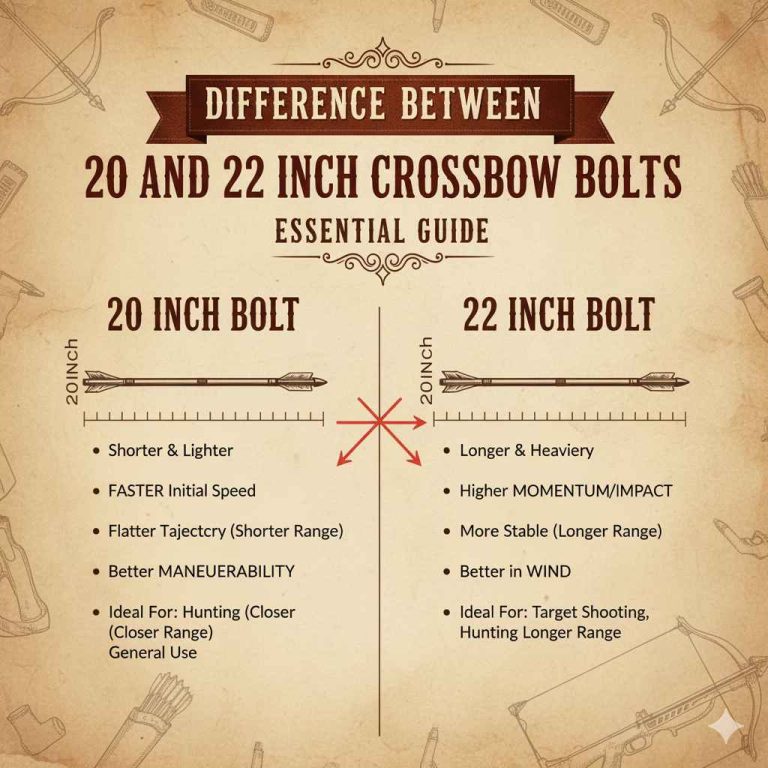
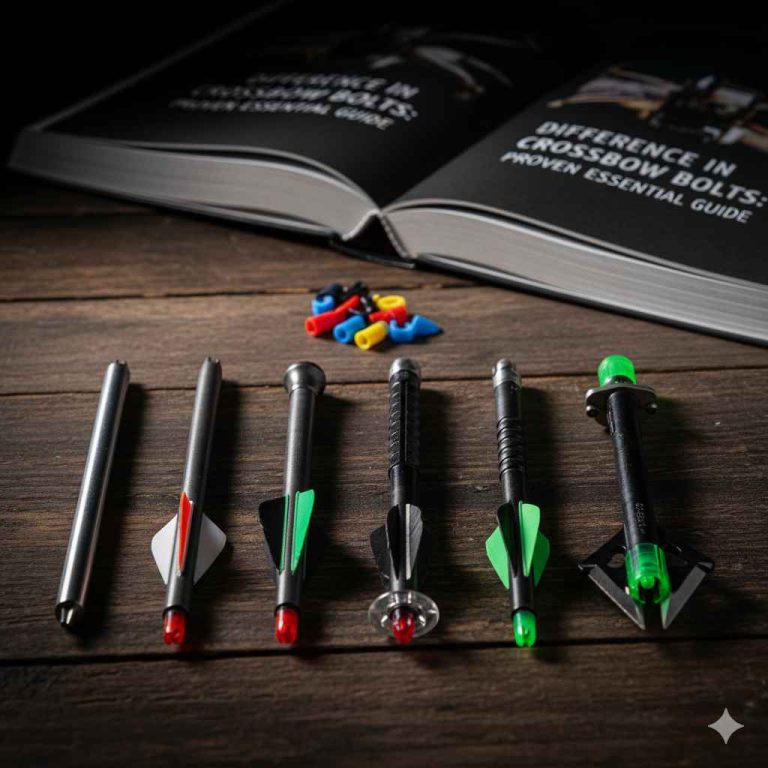
These arrows make sense for hunters building a deer setup around visibility and consistency. The lighted nock helps you follow bolt flight, and the 400-grain weight is a practical deer-hunting choice for penetration and broadhead fit.
I like this kind of bolt package for low-light hunting and for checking shot execution on a range, because it is easier to see what the arrow does after release. If you are still learning to tune or zero a crossbow, that matters.
The drawback is cost. Lighted bolts are handy, but they are not the cheapest way to fill a quiver, and you still need to verify that the length and grain weight match your crossbow and broadhead setup.
Best crossbow for deer hunting under $500
Under $500, I would focus on a simple, complete package that seems accurate enough for deer and leaves room in the budget for bolts, broadheads, and a cocking aid. At this price, I care more about usable accuracy and a decent trigger than headline FPS.
Budget rigs are best for blind hunters who shoot from a stable rest and keep shots conservative. They can absolutely take deer when the hunter stays inside ethical range and uses proper bolts, broadheads, and a tuned scope.
The tradeoff is usually weight, noise, or a scope that is basic instead of great. In this bracket, I would rather see a slower, steadier bow than a twitchy package that looks fast but prints ugly groups.
Best crossbow for deer hunting under $1000
Under $1000, you can buy a much better deer-hunting setup because cocking help, a solid scope, and better balance are more common. That budget is where the whole package starts to feel field-ready instead of merely affordable.
This is the range where the TenPoint Titan 400 sits comfortably for many hunters. It gives you a cleaner path to hunting than cheap packages that force you to replace the scope or add a crank right away.
If you spend here, I would still check the out-the-door number. A crossbow price can look fine until you add bolts, broadheads, and the cocking aid you actually need.
Are crossbows good for deer hunting?
Yes. Modern crossbows can take deer effectively when the hunter stays inside an ethical range and uses proper bolts, broadheads, and a tuned scope. The bow must fit the shooter, though, because accuracy matters more than raw speed.
I’ve seen plenty of misses come from bad setup, not weak hardware. A bow that is too heavy, too wide in a blind, or hard to cock usually causes more trouble than a slightly slower rig ever will.
Best crossbow for deer hunting for beginners
For beginners, the best crossbow is the one that is easiest to cock, easiest to hold steady, and easiest to understand. A forgiving trigger, clear safety indicators, and a scope that is simple to zero matter more than chasing maximum FPS.
A first compound bow set 10 lb too heavy can cause flinching until the limb bolts are backed out. I think about that when I help new hunters, because a setup that fights you will slow your learning fast.
Beginners should choose a bow they can cock safely every time, then spend their effort learning bolt flight, zeroing, and broadhead tuning. A good first season is built on confidence, not force.
Best crossbow for low-light deer hunting
For dawn and dusk deer hunting, I value a quiet, accurate bow with a scope that stays usable when the woods go gray. A bright illuminated reticle can help, but only if the rest of the setup already groups well.
Low-light hunting is where a clean zero and a simple hold point matter. I would rather trust a modest speed bow that I can see through clearly than a faster one with a dim, cluttered scope picture.
Also check the bow’s vibration and shot noise. Loud rigs can spook deer in close cover, especially when the shot lane is short and the animal is already tense.
Best crossbow for compact tree stands
For tree stands, I want a short, balanced bow with manageable width and a front end that does not want to dip when I hold it one-handed. Compactness matters because a wide limb setup can hit railings, seat posts, or shooting sticks in a hurry.
Axle-to-axle width matters in a stand because it affects limb clearance and how much room you have to mount, aim, and recover after the shot. A slimmer bow is simply easier to live with in a tight shooting window.
I also prefer a cocking aid that lets me stay controlled while seated. In a stand, awkward movement is a mistake waiting to happen.
What makes a crossbow good for deer hunting?
A good deer crossbow gives you enough speed for reliable broadhead flight, enough weight to stay steady, and enough compactness to move through a blind or stand without fighting the bow. It should also be safe, easy to cock, and affordable once the full setup is counted.
Draw weight, speed, and recoil are linked. Higher draw weight usually helps speed, but it also raises cocking effort and can add vibration if the package is poorly tuned. I care about the whole system, not just the number on the box.
For deer, the question is not whether the bow is impressive. It is whether it helps you make the shot you planned.
Speed, power, and accuracy benchmarks
For deer hunting, a practical speed threshold matters more than a marketing number. Once a bow is fast enough to keep bolt drop manageable at normal deer distances, extra FPS matters less than repeatable accuracy and a calm shot cycle.
Advertised speed is usually measured under ideal conditions, and real-world performance with hunting bolts, a scope, and field points can be different. Faster bows can also bring more noise and vibration, which I do not ignore when I’m judging a deer rig.
Crossbow draw weight in the hunting range often sits high enough to produce useful speed, but it also affects cocking effort. That is why a crank or rope cocker is more than a comfort item; it changes how consistently you can hunt.
Weight, size, and maneuverability considerations
Crossbow weight in pounds matters a lot on long sits and long walks. A lighter bow is easier to hold up in a tree stand and less tiring in a blind, but balance matters almost as much as the raw number.
A nose-heavy bow feels worse than a slightly heavier one that carries well. I notice that especially after a long morning sit, when a front-heavy setup starts to feel clumsy before the deer even show up.
Width matters too. A compact bow is simply easier to move, transport, and keep clear of blind walls or stand rails.
Scope quality and sighting-in basics
A usable deer scope should stay clear in low light, offer an illuminated reticle if you hunt at the edges of legal shooting time, and give you enough aiming points to match your zero. A scope that is easy to read is better than a fancy one you never trust.
I like a practical zero distance that matches your actual hunting lanes, then I confirm bolt flight from there. If the scope is hard to see or the reticle is too busy, hunters start guessing when they should be aiming.
Even a strong crossbow can miss badly if the scope is not zeroed with the same bolt setup you plan to hunt with.
Cocking mechanisms and ease of use
A rope cocker lowers draw effort and helps consistency. A crank reduces effort even more and is often the better choice for hunters who want safer, steadier cocking or have shoulder limitations.
I like cocking aids because they make the draw repeatable. That consistency helps with safety, and it also makes your point of aim more stable before the shot.
If a bow is hard to cock, you are less likely to shoot it well at the end of a long sit. That is where a good aid pays off.
Build quality, warranty, and brand reputation
Build quality is not about flashy branding. I look for a bow that feels solid, has clear safety engagement, and does not make me worry about the trigger or string path when I shoulder it.
Brand reputation matters most when you need parts support, service, or a package that stays consistent after a season of use. Current-generation packages matter too, because old advice often floats around long after a model has changed.
For a deer hunter, a dependable package beats a fancy story every time.
How to read the decision matrix before you buy
This matrix is for real deer decisions, not showroom bragging. A higher score means the bow fits that hunting job better across range, carry weight, cocking effort, maneuverability, and full setup cost.
I scored the products and scenario picks as a comparison tool, not as a lab verdict. Use it to see where each setup gives ground and where it earns its keep.
| Pick | Ethical range | Carry weight | Cocking effort | Blind / stand maneuverability | Total setup cost |
|---|---|---|---|---|---|
| TenPoint Titan 400 | 5 | 4 | 4 | 4 | 3 |
| Budget blind rig | 3 | 4 | 3 | 4 | 5 |
| Beginner-friendly setup | 4 | 3 | 5 | 3 | 3 |
| Compact tree stand setup | 4 | 4 | 4 | 5 | 3 |
| Low-light setup | 4 | 3 | 4 | 4 | 3 |
Use the matrix this way: if you hunt from a blind and want to save money, pick the setup with the best cost score and enough ethical range for your lane lengths. If you sit in a tree stand, move maneuverability and carry weight higher in your mind.
Which one should you buy?
If you want the best all-around choice, buy the TenPoint Titan 400. It is the one I would put first for most deer hunters because it gives a balanced hunting setup instead of asking you to trade convenience for speed.
If you are on a tight budget, spend less on raw speed and more on a workable package, then put money toward bolts, broadheads, and a cocking aid. If you hunt from a tree stand, compactness and balance should outrank bragging numbers.
If you are a beginner, choose the easiest-cocking setup you can trust. If low-light hunting is your main game, buy the quietest, clearest, most accurate rig you can afford, then zero it carefully and leave speed chasing to the marketing copy.
As for deer legality, check your state or province before you buy. Crossbow season rules, minimum draw or energy rules, and legal equipment definitions vary by location.
Can you hunt with a crossbow in Canada?
Yes, in some places, but the rules vary by province and even by season. You need to check local regulations before buying or hunting, because crossbow season rules and equipment requirements are not the same everywhere.
I treat that as a pre-purchase step, not a later surprise. Legal gear that does not fit the season is still a bad purchase.
What’s a good crossbow for deer hunting?
A good deer crossbow is one you can cock safely, shoulder comfortably, and shoot accurately inside your ethical range. It should have enough speed to keep bolt drop manageable, but it should not be so wide, heavy, or noisy that it fights you in the field.
That is why I keep coming back to balance. A bow that is easy to carry and easy to aim usually kills deer better than a faster bow that is awkward to use.
Best crossbow for deer hunting under $500
Under $500, the best crossbow is usually the one with the least compromise in trigger, scope, and handling. I would avoid buying on speed alone, because the setup cost can swallow the savings once you add the missing pieces.
Look for a package that is stable in a blind, simple to cock, and accurate enough that you can keep your shots inside a conservative ethical range. That is the honest path at this budget.
Effective range of a crossbow for deer hunting
The effective range of a deer crossbow is your ethical shooting distance, not the farthest distance the bolt can fly. For most hunters, that range is set by grouping consistency, trigger control, sight picture, and field conditions more than by speed alone.
I tell beginners to think in clean groups, not max distance. If your hunting groups open up when you kneel, sit, or breathe hard, your ethical range is shorter than the spec sheet suggests.
Frequently asked questions
what’s the best crossbow for deer hunting
For most deer hunters, the best crossbow is the one that fits the hunt: a balanced, manageable setup with enough speed for ethical shots, a good scope, and a cocking aid that you will actually use. My top pick here is the TenPoint Titan 400 because it fits that middle ground well.