Cold Weather Archery Mistakes That Damage Gear
Cold-weather archery mistakes can damage bow parts and hurt accuracy, especially when stiff strings, weak batteries, ice, frost, or broadhead point-of-impact shifts show up at the same time. Fix the first visible problem before blaming tune. Ignore them and you can crack parts, miss a clean shot window, or lose a chance on game. This guide breaks down the most common cold-weather mistakes and labels each one as an equipment, accuracy, or both problem.
Winter mistakes triage table
| mistake | immediate symptom | likely consequence | fastest fix |
|---|---|---|---|
| Clothing clearance | String slap, sleeve rub, or anchor point feels crowded | Accuracy loss first; repeated contact can also stress serving and arrow launch | Reduce sleeve bulk at the forearm, check anchor with the exact jacket on, and confirm clearance before hunting |
| Peep icing | Fog, a frosted peep, or a peep that no longer lines up cleanly | Both; a fogged peep can send a shot far off and repeated icing can affect serving and tubing | Warm the bow enough to clear moisture, then dry the peep housing and housing area before the next shot |
| Snow-packed rest | Ice or snow on the launcher, cage, or containment arm | Both; the rest can interfere with arrow flight and may stop a drop-away from working properly | Clear the rest completely and inspect for bent arms, frozen debris, or blocked movement |
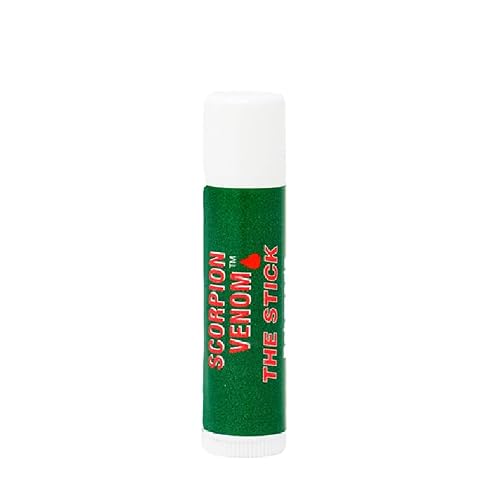
| String dryness | Dry fibers, fraying, or a stiff string that feels rough at the serving | Equipment risk first; string wear can spread to serving and peep-tubing, then hurt accuracy | Wax the string, work wax into exposed bundles, and inspect the serving and peep tubing for wear |
| Condensation from warm-to-cold transitions | Moisture on string, sight, peep, cams, or metal parts after coming outside | Both; moisture can fog the peep, ice exposed parts, and speed corrosion or serving wear | Let the bow cool gradually in its case or vehicle, then dry it before storage in a colder space |
| Glove and release mismatch | Trigger feels heavy, release sits poorly, or finger position changes | Accuracy loss first; poor release feel can drive torque and poor follow-through | Practice with the exact glove or release setup you will hunt with, then keep that setup consistent |
Why does your bow shoot differently in cold weather?
Cold changes the bow in several places at once. In colder weather, many archers notice changes in string feel, peep alignment, and arrow impact, and groups may open up with small sight shifts. That points to a setup issue, not just a bad release.
String stiffness and peep changes
Bow string performance is one of the first things to change. Cold weather can cost a few fps and shift point of impact, and very cold conditions can raise equipment risk sharply. The string can feel dry, the serving can wear faster, and peep tubing can stiffen enough to change alignment.
Cold can also ice peep housings in minutes. A fogged peep can cause a wildly off shot, especially if the archer forces the shot before the view clears.
Limb, rest, and arrow effects
Bow limbs become less forgiving in low temperatures. Material sensitivity under extreme cold raises crack and splinter risk, especially if a limb already has a hidden bruise, a ding, or a surface chip. That risk is more serious than a simple sight drift.
Arrow rests can also become part of the problem. Snow and ice buildup can stop a containment rest from seating correctly or keep a drop-away from falling cleanly, which can affect arrow flight before the shaft leaves the bow.
Form shifts that show up first
Sometimes the first cold-weather symptom is not mechanical. A tight collar, thicker sleeve, or colder fingers can change anchor pressure, trigger control, and head position enough to move the group without any broken part.
Say your 70-pound compound groups were tight at 20 yards in mild weather, then spread several inches after a cold front with the same arrows and same sight tape. That pattern points first to changed string feel, clothing clearance, or peep alignment, not a new tune.
How does winter clothing change accuracy?
Winter clothing changes accuracy by changing the body’s relationship to the bow. Bulky sleeves and a heavy parka can interfere with draw and anchor point, and that can create string slap, bow torque, or a higher anchor than usual. The result is usually a form problem first, then a point-of-impact change.
Bulky sleeves and parka clearance
A heavy sleeve can brush the string on release, especially on recurve bows with more string travel across the forearm. On compounds, a bulky parka often changes the draw path and makes the string contact the sleeve or chest closer to anchor.
That matters because sleeve contact sends energy into the bow instead of the arrow. It also changes how the grip sits in the hand, which can add torque and open groups.
Anchor point drift and string slap
Clothing can move the anchor by a small amount that still matters at hunting distance. A thicker hood, face covering, or high collar can push the string slightly away from the face, and that changes peep alignment and sight picture together.
A common first-timer mistake is to dress for the stand, then shoot at the range without that same parka and glove combination. The bow feels fine bare-sleeved, then the anchor shifts when the real layers go on.
Check clearance on purpose. Put on the exact jacket, face covering, and gloves you plan to hunt in. Draw slowly and watch for string contact on sleeves, chest, or hood, then shorten loose cuffs or change layers before the shot is in the field.
Reconfirm anchor position. Set the same reference point each time, such as the corner of the mouth or jawline, and confirm the peep sits centered with that clothing on. If the anchor shifts, the sight picture shifts with it.
Test follow-through. Shoot a short group at 20 yards with winter layers on. If the group opens after the first few arrows, look first for sleeve contact, hand position, or face-covering interference before changing the sight.
Can cold weather damage bow strings and limbs?
Yes. Cold weather can damage both, but the warning signs differ. String damage usually shows up as dryness, fraying, serving wear, or peep changes. Limb damage is more serious and usually shows up as visible cracks, splinters, odd limb noise, or a sudden change in draw feel.
String dryness, waxing, and serving wear
A dry string becomes less supple and can fray faster in cold air. Waxing before shooting is a reasonable habit when the fibers start looking fuzzy or the surface feels dry. Wax is not a cure for damage, but it helps keep moisture out of exposed fibers.
Pay attention to the serving and peep as well. If the peep rotates more than usual, or the serving looks polished, flattened, or separated, the string may be wearing where cold stress concentrates it.
Limb stiffness and crack risk
Limbs can feel stiffer in low temperatures, and stiffness is not the problem by itself. The real concern is that extreme cold can make existing damage more likely to spread. Very cold temperatures are a risk zone for equipment failure.
Inspect the limb surface for cracks, chips, splinters, or a new white line near the edge. If any of those appear, stop shooting that bow until it is checked, because a limb failure can be sudden.
Wax exposed fibers. Work wax into the string before shooting when temperatures are below freezing. Focus on the sections that are visibly dry or fuzzy, but keep wax off the cam track and off serving where it can collect grit.
Inspect limb surfaces. Hold the bow under good light and look along both limbs from grip to tip. Any crack, splinter, or lifted finish is a stop sign, not a shoot-through detail.
Check serving and peep wear. Watch for peep rotation, tubing wear, or serving separation after cold shooting. If the peep starts twisting or the serving looks crushed, the string needs attention before the next hunt.
Do snow and ice ruin the rest and peep?
They can ruin both, and they often do it quickly. A snow-packed rest can deflect or slow the arrow, while peep icing or fogging can make the shot window unusable. That creates a combined equipment-and-accuracy problem, especially in a blind or on a wet stand.
Snow-packed rest and arrow flight
Snow or ice on the rest changes how the arrow sits at full draw. On a containment rest, even a thin layer can stop the arrow from settling fully. On a drop-away, frozen debris can keep the launcher from moving as designed, which changes launch timing and point of impact.
If the arrow sounds different on release or the fletching shows odd marks, the rest is a likely suspect. Clean the launcher, cage, and containment arms before making sight changes.
Peep icing, fogging, and rotation
Cold can ice peep housings in minutes, and condensation from warm-to-cold transitions can leave a peep fogged before the first shot. If the peep rotates, even slightly, the peep aperture no longer lines up the same way with the anchor and sight.
That is why a peep problem can look like a tuning issue. The shot may pull left, right, high, or low simply because the view through the peep is no longer consistent.
Clear the rest fully. Remove all snow, slush, and ice from the launcher and any containment arms. Check movement by hand before drawing so a frozen rest does not surprise the shot.
Dry the peep housing. Warm the bow gradually enough to remove fog or frost, then dry the peep area before shooting again. Avoid rapid heating, which can worsen condensation. If the peep keeps icing, condensation management is the real fix, not more force on the shot.
Temperature acclimation and storage
Warm-house to freezing-air transitions are a major source of condensation. When a bow leaves a heated room and goes straight into cold air, moisture can form on the string, sight, peep, cams, and rest. That moisture can freeze, fog, or corrode, so the transition needs a deliberate routine.
Warm-house to freezing-air transitions
Do not move a warm bow straight from a heated room to the stand and expect a clean first shot. Let the bow acclimate in a case, porch, or unheated vehicle so the temperature change is gradual. That reduces condensation risk and keeps the peep from fogging as abruptly.
The same logic works in reverse after the hunt. Bringing a wet, cold bow into a warm room can dump moisture onto metal parts and string fibers as the air warms around it.
Truck, garage, and case storage
Keeping a bow in an unheated vehicle or shed makes sense when the goal is to avoid repeated warm-to-cold swings that drive condensation. It also helps keep the bow closer to hunting temperature for the next outing.
If the bow rides in a truck or case overnight, check that the case is dry and that no wet gloves, snow, or ice are trapped inside. A wet case can keep moisture against the bow longer than the weather outside would.
Cool the bow gradually. Move it from the house to an unheated space before the hunt so it reaches outside temperature in stages. This lowers condensation risk on the peep, string, and metal parts.
Store it dry. After the hunt, wipe off moisture before putting the bow into a case or truck. A dry bow is less likely to fog, corrode, or ice up on the next trip.
Keep wet gear separate. Do not leave damp gloves, snow, or slush in the same case. Wet gear traps moisture against the bow and can speed wear on serving, peep, and hardware.
Winter arrow and vane checks
Cold changes arrows too. Shaft stiffness can feel different in freezing air, and impacts that would be minor in mild weather can hide cracks in the shaft or damage to the vanes. Feathers and plastic vanes also behave differently when wet, so the check after each session matters.
Shaft cracks after impact
After a hard impact, inspect the shaft for cracks, splinters, bends, and splintering near the insert or nock end. Cold can make damage easier to miss because the arrow still looks straight at a glance. A cracked shaft is a failure risk, not just a bad arrow.
Roll the shaft on a flat surface if there is any doubt. If it wobbles or shows a hairline split, retire it.
Feather versus plastic vane moisture behavior
Feathers handle moisture differently than plastic vanes. Feathers can collapse or cling when wet, while plastic vanes keep their shape better but can still pick up ice or stiffen in deep cold. Either one can change drag and steer the arrow differently.
That difference matters most in snow, sleet, or freezing fog. If the fletching is wet or frosted, the arrow may group poorly even when the bow itself is fine.
Frequently asked questions
What are the most common cold weather archery mistakes?
The common mistakes are easy to spot once you know what to look for: string dryness, peep icing, snow on the rest, bulky clothing that changes anchor, and glove or release mismatch. Each one can affect equipment, accuracy, or both, and the first visible symptom usually points to the real problem.
Can cold weather damage bow strings, limbs, or peep sights?
Yes. Strings can dry out, fray, and wear faster at the serving and peep; limbs can become more vulnerable to cracks or splinters in severe cold; and peep sights can fog, ice, or rotate after warm-to-cold transitions. Very cold weather justifies a careful inspection before shooting.
Why does my bow shoot differently in freezing temperatures?
Cold can cost a few fps and shift point of impact, so the arrow may land differently even if the sight has not moved. The change can also come from peep alignment, rest interference, or clothing that alters anchor. If groups open, start with the visible cold-related change first.
How does bulky winter clothing affect bow accuracy?
Bulky sleeves and a heavy parka can interfere with draw and anchor point, which often causes string slap or bow torque. That changes the shot before the arrow leaves the bow. The fix is to shoot in the same layers you plan to hunt in and confirm clearance at full draw.
Should I wax my bow string more often in winter?
Yes, especially below freezing. Waxing the string before each session is a practical habit when the fibers look dry or frayed. Wax helps protect exposed fibers, but it does not replace a full inspection of serving, peep, and limb condition.
Do snow and ice on the arrow rest affect arrow flight?
Yes. Snow or ice can stop a containment rest from seating correctly or prevent a drop-away from moving at the right time. That changes arrow launch and can make broadhead impact look like a tune issue. Clear the rest fully before changing sights or paper-tune settings.