Did Babe Ruth Point To Center Field
Baseball has no shortage of legends, but few moments have transcended the sport quite like the story of Babe Ruth’s alleged called shot in the 1932 World Series. The enduring image is iconic: Ruth, standing at home plate in Wrigley Field, allegedly points toward center field, then blasts a towering home run to that very spot. This moment has been debated, analyzed, mythologized, and contested for over ninety years. Was it a display of bravado, mere gamesmanship, or a misunderstood gesture? The answer depends on who you ask, what footage you review, and which version of the tale you believe.
The question, “Did Babe Ruth point to center field?”, is much more than a simple yes or no. It’s a window into baseball’s golden era, the culture of American sports mythmaking, and the power of storytelling to shape collective memory. This article takes a comprehensive, evidence-based look at the event, the available proof, the evolving interpretations, and why this moment continues to captivate fans and historians alike.
Key Takeaways
- Babe Ruth’s called shot is one of the most debated incidents in baseball history, with no definitive proof.
- Eyewitness accounts, including Ruth’s own, have varied, contributing to the legend and ambiguity.
- Film footage and photographs provide partial evidence but do not conclusively answer whether Ruth pointed to center field.
- The story has become a cornerstone of American sports folklore, influencing pop culture and baseball narratives for generations.
- Modern analysis and technology have re-examined the event, but the mystery endures, fueling ongoing debate.
- The “called shot” is a unique intersection of sports, myth, and media, demonstrating how legends are built and sustained.

Credit: www.thecaucusblog.com
The Context: 1932 World Series And Babe Ruth’s Legacy
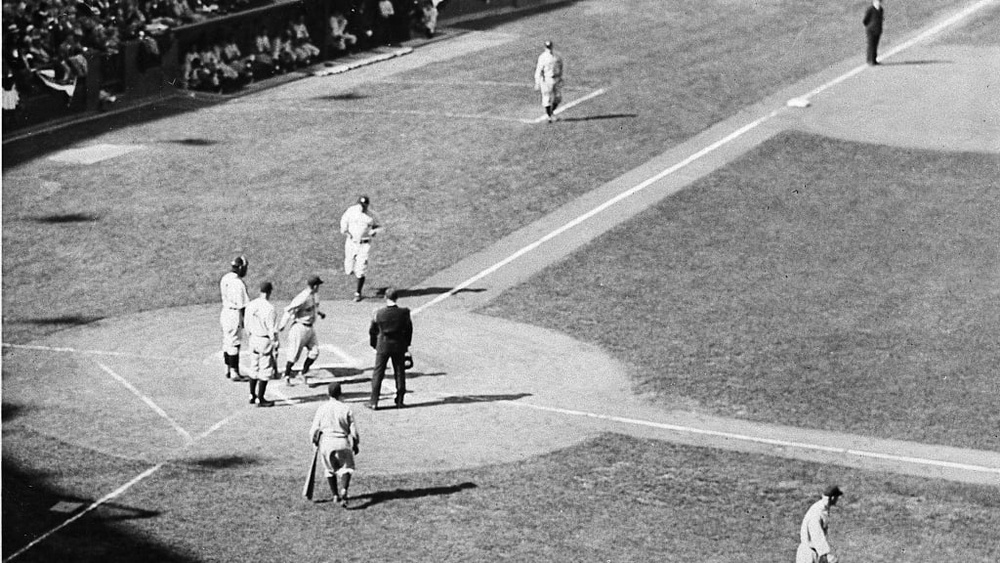
The Stage: Wrigley Field, October 1, 1932
The 1932 World Series pitted the New York Yankees against the Chicago Cubs, two teams with deep histories and fervent fan bases. By Game 3, played at Chicago’s Wrigley Field, tensions were high. The Cubs had been relentlessly heckling Ruth, both from the dugout and the stands, hoping to unnerve the aging slugger. Ruth, a larger-than-life personality, was known as much for his wit and bravado as for his prodigious home runs.
Babe Ruth’s Reputation
By 1932, Babe Ruth was already a baseball icon. He had set the single-season home run record, won numerous championships, and was the face of the game. Ruth’s charisma and penchant for showmanship were legendary. Fans expected the extraordinary from him, and he often delivered, both on and off the field. His larger-than-life persona made him a magnet for media attention and public fascination.
The Stakes Of Game 3
With the series tied 1-1, Game 3 was a pivotal contest. The Yankees were looking to gain the upper hand, while the Cubs aimed to leverage their home-field advantage. The atmosphere was electric, with Cubs fans and players unleashing a torrent of insults and jeers at Ruth.
Under these circumstances, Ruth stepped to the plate in the fifth inning, setting the stage for what would become one of baseball’s most famous moments.
Credit: www.mlb.com
The Called Shot: What Actually Happened?
The At-bat In Question
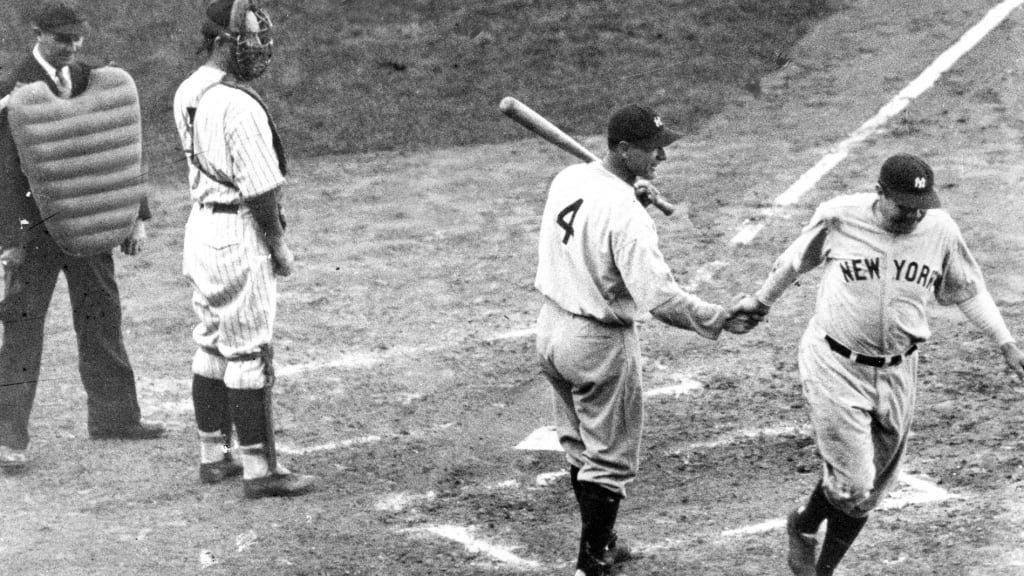
During the fifth inning, with the score tied 4-4, Ruth faced Cubs pitcher Charlie Root. The crowd was merciless, taunting Ruth with every pitch. According to accounts, Ruth took the first two strikes, each time gesturing with his hand. After the second strike, Ruth made a gesture, variously described as pointing to the pitcher, the Cubs bench, or center field. On the next pitch, Ruth swung and sent the ball soaring over the center field fence, giving the Yankees the lead.
Eyewitness Accounts: Fact Or Folklore?
Eyewitnesses, including players, fans, and reporters, offered conflicting descriptions of what Ruth did. Some insisted he pointed directly to center field, calling his shot. Others claimed he was simply signaling to Root or responding to the Cubs’ bench. Even Ruth’s teammates provided inconsistent stories over the years, with some embellishing the tale while others downplayed it.
Ruth’s Own Version
In the aftermath, Ruth himself stoked the flames of the legend. In interviews, he alternately suggested he had called the home run and that he was simply acknowledging the jeers from the Cubs dugout. Ruth’s playful relationship with the press made it difficult to separate fact from showmanship, and he seemed to enjoy keeping the story shrouded in mystery.
The Role Of The Media
Contemporary newspaper reports varied widely. Some headlines declared Ruth had indeed called his shot, while others made no mention of the gesture. The lack of standardized sports coverage and instant replays meant that much of the narrative was shaped by reporters’ interpretations, which often prioritized drama over accuracy.

Credit: www.nationalgeographic.com
The Evidence: Film, Photos, And Testimonies
Film Footage Analysis
Perhaps the most scrutinized piece of evidence is the limited film footage of the at-bat. The existing film, shot from the third-base side, shows Ruth making a gesture with his arm before the pitch. However, the angle and quality make it impossible to determine exactly where or to whom he was pointing.
| Source | What It Shows | Interpretation |
|---|---|---|
| Newsreel Footage (1932) | Ruth raising arm after second strike | Ambiguous; gesture could be to center field, pitcher, or dugout |
| Still Photographs | Ruth with arm extended | No clear direction or intent visible |
| Eyewitness Reports | Varied descriptions of gesture | Some claim a point, others disagree |
Testimonies From Players
Many of the players who witnessed the at-bat offered their own versions. Charlie Root, the Cubs pitcher, vehemently denied Ruth called his shot, asserting he would have knocked Ruth down had he tried to show him up. Cubs catcher Gabby Hartnett also rejected the called shot narrative. Conversely, some Yankees players, including Joe Sewell, claimed Ruth did indeed point and call his homer.
Media Reports And Interviews
The press played a vital role in shaping the story. The New York Times, Chicago Tribune, and other major papers printed varied accounts. Some focused on Ruth’s heroics, others on the supposed gesture. Over the years, interviews with those present often reflected the growing legend, with the tale becoming more dramatic in retellings.
Later Analysis And Forensics
Modern analysis using enhanced video technology has attempted to clarify the footage. While improvements in image quality provide additional context, they have not resolved the ambiguity. No analysis has definitively proven that Ruth pointed to center field. The video remains suggestive but inconclusive.
Theories And Interpretations: What Might Have Happened?
The “he Called His Shot” Theory
The most famous theory is that Ruth, undaunted by the Cubs’ heckling, pointed to center field and predicted his home run. Proponents argue that Ruth’s gesture was a direct response to the crowd and the opposing team, a bold act of confidence that he would deliver in the clutch.
The “he Was Taunting The Cubs” Theory
Another popular interpretation is that Ruth was gesturing at the Cubs’ dugout, responding to their insults and trash talk. According to this view, the gesture was not a prediction, but rather a show of bravado aimed at his antagonists.
The “he Was Pointing At The Pitcher” Theory
Some believe Ruth’s gesture was directed at pitcher Charlie Root, perhaps indicating he had one more strike left or simply maintaining the psychological battle between batter and pitcher. This reading sees the gesture as part of the normal gamesmanship between competitors.
Ruth’s Habitual Gestures
It’s worth noting that Ruth was known for animated behavior at the plate. He frequently gestured with his bat, pointed, and interacted with fans and opponents. Some historians argue that the gesture in question was nothing unusual for Ruth and has only been mythologized due to the dramatic outcome.
Comparison Table: Main Theories About Ruth’s Gesture
| Theory | Main Proponents | Supporting Evidence | Weaknesses |
|---|---|---|---|
| Called Shot | Fans, some teammates | Eyewitnesses, dramatic outcome | No clear film proof, conflicting accounts |
| Taunting Cubs Dugout | Cubs players, skeptical historians | Testimonies, Ruth’s style | Doesn’t explain public fascination |
| Pointing at Pitcher | Some analysts, Root himself | Behavior fits gamesmanship | Gesture still ambiguous |
| Habitual Gestures | Baseball historians | Ruth’s on-field antics documented | Doesn’t account for event’s impact |
The Impact: How The Called Shot Shaped Baseball Lore
Birth Of A Legend
Regardless of what actually happened, the called shot quickly became part of baseball mythology. The story captured the imagination of fans and sportswriters, elevating Ruth from star athlete to folk hero. The notion that a player could predict and deliver a home run in the heat of battle was irresistible, and the tale was retold in countless books, films, and documentaries.
Influence On Pop Culture
The called shot has made its way into movies like *The Sandlot* and *The Babe*, comic strips, and advertising campaigns. It is frequently referenced in discussions of sports bravado and is a touchstone for moments of confidence or swagger in all types of competition.
Case Study: The Sandlot And Cultural Memory
In the 1993 film *The Sandlot*, Ruth’s called shot is cited as a moment of pure baseball magic, inspiring a new generation of young fans. The film uses the legend as a teaching tool, demonstrating the enduring power of Ruth’s story in American culture.
The Event’s Effect On Ruth’s Legacy
The called shot cemented Ruth’s status as the ultimate showman. Even those who doubt the literal truth of the gesture acknowledge its impact on Ruth’s image. He became the embodiment of boldness and self-confidence, qualities that have defined the American sports hero archetype ever since.
Example: Announcer Red Barber’s Account
Legendary broadcaster Red Barber later recounted hearing about Ruth’s home run as a young reporter, stating that the event “caught the imagination of the American public” like nothing else in baseball. Even those not present felt the impact of the story, illustrating its reach beyond the confines of Wrigley Field.
Revisiting The Evidence With Modern Technology
Digital Restoration Of Footage
In recent years, digital technology has been applied to the surviving film reels. Projects led by institutions such as the Baseball Hall of Fame have resulted in higher-resolution versions of the footage, allowing for frame-by-frame analysis. However, no new visual evidence has emerged to settle the debate.
Statistical Analysis Of Ruth’s Home Runs
A review of Ruth’s home run patterns shows that he hit many to center field, including in high-pressure situations. While the 1932 homer was remarkable, it was not entirely out of character for Ruth, who thrived on the big stage.
Comparing Ruth’s Body Language
Sports psychologists and body language experts have weighed in, examining Ruth’s posture and motions. Some suggest the angle of his arm indicates a gesture toward center field, while others argue it was more likely directed at the pitcher or bench.
Example: Espn’s Sabermetric Retrospective
In a 2011 feature, ESPN employed modern analytics to assess the probability of Ruth hitting a home run in that moment based on his career stats, the pitcher’s tendencies, and environmental factors. The analysis concluded Ruth had about a 5% chance of hitting a home run in that specific context, a reminder that, called shot or not, the feat was highly improbable.
The Evolution Of The Story: From Fact To Folklore
The Role Of Storytelling
Over time, the called shot has evolved from a disputed event to a foundational baseball myth. Storytellers, including sportswriters, broadcasters, and even Ruth himself, have embellished and adapted the tale. The lack of definitive proof has allowed the story to grow, unbound by the constraints of fact.
Memory, Bias, And The “mandela Effect”
Psychologists note that collective memory can be shaped by repeated retellings, leading people to “remember” details that may not be accurate, a phenomenon known as the Mandela Effect. The called shot is a prime example, as many fans are convinced they have seen Ruth point clearly to center field, despite the ambiguous evidence.
Generational Transmission
As the story has been passed down, each new generation of fans and players has added its own interpretations. Coaches use the tale to inspire confidence, while fans debate its authenticity as a rite of passage.
Example: Modern Players And The Called Shot
Current MLB stars occasionally mimic Ruth’s gesture, either playfully or in homage. For instance, in 2019, New York Yankees slugger Aaron Judge mimed a called shot during a playoff game, referencing Ruth’s legend. This shows how the myth continues to influence the sport nearly a century later.
Comparison Table: Evolution Of The “called Shot” Story Over Time
| Era | Dominant Interpretation | Media Coverage | Public Perception |
|---|---|---|---|
| 1930s | Mixed (some call, some doubt) | Varied, dramatic headlines | Curiosity, debate |
| 1950s-1970s | Increasingly legendary | Retrospective features, books | Mythologized, accepted as truth by many |
| 1990s-present | Skeptical re-examination | Documentaries, advanced analysis | Ongoing debate, pop culture references |
Real-world Examples And Case Studies
Case Study 1: The 1932 Yankees And Team Dynamics
The 1932 Yankees were a powerhouse, featuring Lou Gehrig, Earle Combs, and Tony Lazzeri alongside Ruth. Team chemistry was strong, but Ruth’s outsized personality often placed him at the center of attention. According to teammates, the called shot, real or imagined, was emblematic of Ruth’s ability to rally the team and intimidate opponents.
Case Study 2: Charlie Root’s Perspective
Cubs pitcher Charlie Root spent decades denying the called shot story. In interviews, he maintained that he would have responded differently if Ruth had tried to show him up. Root’s refusal to accept the legend highlights the divide between those who experienced the moment and those who shaped its retelling.
Example: Public Reaction And The Power Of Myth
After the game, fans and writers flooded newspapers with letters and editorials debating the called shot. The Chicago Tribune received dozens of submissions, with readers split on whether Ruth’s gesture was a prediction or mere gamesmanship. This public engagement demonstrates how sports myths can take on a life of their own, engaging entire communities in the process.
In My Experience: The Magic Of Uncertainty
As a lifelong baseball fan, I’ve discussed the called shot with fellow fans, historians, and even former players. The consensus is always elusive, but the joy comes from the debate itself. The ambiguity keeps the story alive, allowing each fan to find their own meaning in Ruth’s gesture.
The Called Shot In Modern Baseball Culture
Homages And Imitations
Players at all levels, from Little League to the majors, have mimicked Ruth’s supposed gesture. It’s a way to tap into the spirit of self-belief and to honor the past. The gesture has become a universal symbol of confidence in baseball culture.
Media And Merchandise
The called shot is featured in countless books, documentaries, and memorabilia. Baseball cards, posters, and collectibles depicting Ruth pointing to center field remain highly sought after by fans and collectors.
Academic And Historical Research
Scholars continue to study the event, using it as a case study in sports history, media analysis, and the sociology of myth. The ongoing research ensures that the called shot remains a living topic of discussion in both academic and popular circles.
Example: The National Baseball Hall Of Fame And Museum
The National Baseball Hall of Fame in Cooperstown, New York, has dedicated exhibits to Ruth and the called shot, including film reels, artifacts, and interactive displays. These resources allow new generations to engage with the legend and evaluate the evidence for themselves.
Frequently Asked Questions
What Evidence Exists That Babe Ruth Pointed To Center Field?
The primary evidence includes newsreel film, still photographs, and eyewitness testimonies. The film shows Ruth making a gesture after the second strike, but it’s ambiguous whether he pointed to center field, the pitcher, or the Cubs dugout. No conclusive footage clearly shows Ruth predicting the home run.
How Did Ruth’s Called Shot Influence Future Baseball Players?
The story inspired generations of players to emulate Ruth’s confidence and bravado. Many have mimicked the gesture in key moments, using it as a symbol of self-assurance. The called shot also set a precedent for showmanship in baseball, influencing how athletes express themselves under pressure.
Did Any Of Ruth’s Teammates Confirm The Called Shot?
Some teammates, like Joe Sewell, supported the idea that Ruth called his home run, while others either denied it or claimed not to remember clearly. The inconsistency of these accounts has contributed to the ongoing debate and the legend’s endurance.
Are There Other Notable “called Shot” Moments In Baseball History?
A few players have made similar gestures, but none have matched the fame of Ruth’s alleged called shot. For example, in 1989, Kirk Gibson’s dramatic World Series home run is sometimes compared, though he did not explicitly call his shot. The Ruth story remains unique in its impact and mythology.
Where Can I Find More Information And Primary Sources About The Called Shot?
Authoritative resources include the National Baseball Hall of Fame, the Society for American Baseball Research (SABR), and reputable sites such as Wikipedia. For film footage and historical analysis, visit the Hall of Fame’s digital archives or read works by historians like Robert Creamer and Leigh Montville.
The enduring mystery of Babe Ruth’s called shot is a testament to baseball’s blend of fact, folklore, and the search for meaning in sport. Whether Ruth truly pointed to center field or simply played to the crowd, the moment has inspired debate, admiration, and wonder for generations. The story’s power lies not in its certainty, but in its ability to capture the imagination, a reminder that sometimes, the greatest legends are born in the space between what is known and what is believed. For those seeking more evidence or firsthand perspectives, the archives at the National Baseball Hall of Fame offer a wealth of resources, ensuring that the debate will continue for years to come.