How Did Indians Make Arrows? Student History Guide
I have seen how much work goes into a good arrow. Native American arrow makers straightened a wooden shaft, fitted a stone, bone, or sometimes metal point, and usually added a few feathers with sinew or plant fiber; they chose materials from local woods, quarries, waterways, and trade routes based on region, game, and what was available. Bad shaft wood, weak binding, or poor fletching meant bad flight and lost hunting chances. This guide explains how arrows were made, why each material was chosen, and how methods changed across regions and uses.
What did Native American arrows need to do?
An arrow had one main job: fly straight, strike hard, and hold together long enough to do useful work. For hunting, that meant clean penetration. For warfare, it meant speed and reliability. For fishing, it sometimes meant carrying a line or a different kind of point. Every material choice solved one of those problems.
Why straight flight mattered
A crooked shaft wastes energy. It wobbles, drifts, and loses speed fast. Makers wanted the shaft, point, and feathers to work as one unit, so the arrow left the bow cleanly and kept its path. That mattered when the target was moving, far away, or only visible for a moment.
How local materials shaped the finished arrow
Arrow making was practical problem-solving. A wooded region offered different shaft wood than a prairie did. A river valley gave access to different game and different feathers. After contact, trade added metal points to some traditions, but local materials still shaped what makers chose and how they built it.
What were arrow shafts made from?
Arrow shafts were usually made from straight, lightweight wood. Makers wanted a shaft that would not warp, snap, or drag the arrow off line. Sources mention black locust, dogwood, ash, and birch for shafts, and other accounts note cedar, willow, cherry, oak, and hickory in bow and arrow work. Straightness mattered more than fame.
Why makers wanted straight, lightweight wood
A heavy shaft slows an arrow and can weaken its flight. A bent shaft sends the point away from the target. In my own range testing with modern gear, even small shaft flaws show up fast on paper. The same basic logic applied here. A good shaft had to be light, even, and true.
Drying, straightening, and smoothing
Fresh wood was not ready to use. Makers dried it, then heat-straightened bends over coals or another controlled heat source. Small high spots could be worked down with sanding or scraping. That final smoothing helped the shaft fly better and kept it from snagging or flexing unevenly.
Why some shafts were about a yard long
Older descriptions sometimes place an arrow shaft at about a yard long, though the length varied with nation, bow type, and use. Length affected draw, speed, and handling. A longer shaft could be useful in some traditions, while shorter arrows often suited different bows or different hunting jobs.

What did Native Americans use for arrowheads?
Arrowheads were made from what a region had close by and what the task required. Stone points of flint, chert, and obsidian were common in many places. Bone and antler could also be used, and after European contact some groups adopted steel or copper points while keeping familiar arrow forms.
Stone points for cutting and penetration
Stone points could be extremely sharp. Chert and flint were widely used because they fracture predictably. Obsidian can take a razor edge, though it is more brittle. Sources also note arrowheads chipped from chert, flint, or obsidian. That sharp edge helped with hunting and with cutting wounds in warfare.
Bone, antler, copper, and steel points
Bone and antler were useful when stone was scarce or when a different shape was needed. They were easier to carve than stone, but they usually did not cut as cleanly. After contact, steel and copper arrowheads appeared through trade. Those metal points changed durability and repair options without erasing older design habits.
Different points for different jobs
Fishing arrows could look different from hunting arrows. Some tribes used arrows with a tether line attached, which made sense when the goal was to recover fish rather than lose the shaft. Warfare arrows might favor forms that held up to repeated use or fit local fighting styles.
How were arrowheads made and attached?
Stone points were shaped by flintknapping, the skill used to craft arrowheads. Makers removed flakes by striking the stone or by pressure-flaking with a hard tool. The finished point then had to be fixed to the shaft securely, often with a split end, a notch, sinew, hide glue, pitch, or plant fibers.
What flintknapping is
Flintknapping is stone-shaping by controlled fracture. A maker strikes the stone or presses off small flakes to create a sharp edge and the desired outline. It takes patience and hand control. A careless blow can ruin the blank or leave a point too weak to use.
How the point was held in place
Many arrow shafts had a split end or a prepared notch so the point could sit firmly. Then the maker wrapped the joint with sinew, hide fiber, or plant fiber. Hide glue or pitch could help seal and lock the connection. Sources also describe arrows attached with hide glue, or pitch and sinew.
Why bad attachment caused failure
A loose point is a bad point. If the joint flexed too much, the head could wobble or fall out. If the binding dried poorly, it could slip after a hit. On my own gear bench, poor binding shows up as a shift in point alignment. The same failure would have ruined an arrow’s usefulness.
Why did feathers matter so much?
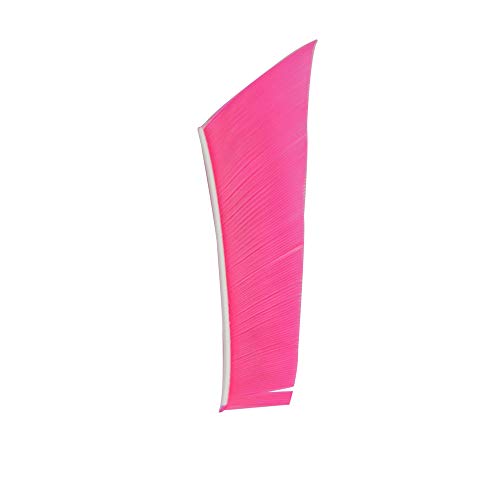
Feathers stabilized the arrow in flight by holding the rear of the shaft steady after release. They helped the shaft spin or track true, which reduced wobble and improved accuracy. Makers usually placed them near the back of the shaft. Sources mention turkey, hawk, eagle, and buzzard feathers, and some accounts also name those same birds for fletching.
Where the feathers went
Fletching was set near the rear of the shaft, not near the point. That placement let the back of the arrow correct itself after release. If the feathers were too large or badly aligned, they created drag. If they were too small, they did not steady the shaft enough. (en.wikipedia.org)
Why feather choice mattered
Different feathers were available in different places. Turkey feathers were common in some regions. Hawk, eagle, and buzzard feathers appear in historical accounts too. Makers were not chasing a single ideal feather. They were using what they could get while still keeping the arrow balanced and stable.
How did regional materials change arrow making?
Region changed everything. Plains makers, forest makers, river people, and coastal groups did not face the same raw materials or the same hunting needs. Woods, feathers, point stone, and even arrow style shifted with environment. Trade after European contact added steel and copper, but local adaptation stayed at the center.
Plains versus wooded-region choices
In wooded areas, makers could draw on many shaft woods and plenty of bird feathers. In open country, straight shoots and local game shaped different choices. A maker in a dense forest might favor one wood for straight grain. A maker on open ground might build for speed, distance, or large-game hunting.
How trade changed points after contact
European trade introduced steel and copper arrowheads, and some Native makers adapted them into older forms. That mattered because metal could be tougher to resharpen or replace than stone, but it also offered a different edge and different durability. The change was not simple replacement. It was selection and adjustment.
Fishing, hunting, warfare, and ceremony
These uses did not always share the same arrow. Fishing arrows could include a tether line. Hunting arrows often aimed at quiet penetration and recovery. Warfare arrows could favor speed and mass use. Ceremonial arrows, where present, could follow tradition more closely and need not match hunting arrows in every detail.
Proof asset: arrow parts, materials, and what they reveal

This table shows how each arrow part solved a different problem. It also shows what went wrong when the choice was poor. That is the real lesson for students: arrow making was not random. It was local engineering shaped by available materials, target use, and repair needs.
| Arrow part | Historical material options | Purpose | Common failure if done wrong | What it tells us about adaptation |
|---|---|---|---|---|
| Shaft | Cedar, ash, willow, dogwood, birch, black locust, cherry, oak, hickory | Carry the arrow in a straight line | Warping, excess weight, wobble | Makers chose straight, local wood that matched climate and use |
| Point | Flint, chert, obsidian, bone, antler, copper, steel | Penetrate, cut, or fit a special task | Loose head, chipped edge, poor penetration | Point material followed stone access, trade, and target type |
| Fletching | Turkey, hawk, eagle, buzzard feathers | Stabilize flight and keep the shaft true | Wild drift, slow flight, poor accuracy | Feather choice depended on bird availability and local practice |
| Binding | Sinew, hide glue, pitch, plant fibers | Hold head and feathers in place | Joint slip, feather loss, cracked connection | Binders came from animals and plants that were close at hand |
| Bowstring | Gut, rawhide, sinew, basswood, milkweed, nettle, Indian hemp | Store and release energy from the bow | Stretching, snapping, poor cast | String material reflected local plants, animals, and storage habits |
What the table shows about failure modes
Each part had a weak point if the wrong material was used. A warped shaft ruined flight. A loose head wasted the shot. Poor fletching sent the arrow off course. Weak string material failed at the worst time. Good makers knew these failure modes because they tested and adjusted by use.
Why bowstring material belongs in the story
Bowstrings matter because an arrow cannot work without a bow that releases energy well. Sources mention gut, rawhide, sinew, and plant fiber for bowstrings, including materials such as basswood, milkweed, nettle, and Indian hemp. In some traditions, people removed the string from the bow when it was not in use so it would last longer.
- Choose a straight shoot or shafting piece.
- Dry it and check for bends or twists.
- Heat-straighten the shaft and smooth it.
- Shape or select the point.
- Fit the point into a split end or notch.
- Bind the joint with sinew, glue, pitch, or fibers.
- Add feathers near the back of the shaft.
- Check balance and flight, then adjust.
How accurate were traditional Native American arrows?
Traditional Native American arrows could be very accurate when the shaft was straight, the point was secure, and the fletching was matched to the shaft. Accuracy did not come from one feature alone. It came from careful material choice, balance, repeated use, and a maker who understood the bow and the task.
What made them fly well
The shaft had to be straight. The point had to sit true. The feathers had to stabilize the rear without adding too much drag. A good arrow was balanced for its bow and its use. I learned that lesson the hard way when I switched to a left-hand bow after realizing I am left-eye dominant; my groups tightened within two weeks because the setup finally matched the shooter.
Why accuracy was practical, not mythical
Accuracy was the result of workmanship. If the arrow flew badly, the maker knew it by result, not theory. That is why arrow making was a craft of repeated checks and adjustments. It was not one material, but the fit between materials, purpose, and local knowledge.
Frequently asked questions
How did Native Americans make arrows?
They selected a straight shaft, shaped or chosen a point, added feathers near the back, and bound everything with sinew, glue, pitch, or fibers. Makers then checked balance and flight. The process changed by region and use, but the goal stayed the same: a stable arrow that could do a specific job well.
What materials were used to make arrow shafts?
Sources mention black locust, dogwood, ash, birch, cedar, willow, cherry, oak, and hickory. Makers wanted straight, lightweight wood with good strength and low warping. The exact choice depended on what grew locally and what the arrow was meant to do in hunting, warfare, or another task.
What did Native Americans use for arrowheads?
They used flint, chert, and obsidian in many places, along with bone and antler in some settings. After European contact, steel and copper arrowheads appeared through trade. The right material depended on access, shaping skill, and the arrow’s job, whether hunting, fishing, or war.
How were arrowheads attached to arrows?
Makers often used a split shaft end or a notch so the point could seat securely. They then tied it with sinew, hide fiber, or plant fiber and sometimes used hide glue or pitch. Good attachment kept the point aligned. Bad attachment caused wobble, slipping, or complete failure on impact.
Why did arrow shafts need to be straight?
Straight shafts flew truer and transferred energy better. A bent shaft could drift, wobble, or lose speed before reaching the target. Makers dried, heat-straightened, and smoothed shafts to fix flaws before use. Straightness was one of the first checks because it affected every part of the shot.
What feathers were used for fletching?
Historical accounts mention buzzard and turkey feathers, and other sources name feathers from turkeys, hawks, or eagles. The main goal was stability, not one perfect bird. Feathers were placed near the rear of the shaft to steady the arrow in flight and keep the point tracking toward the target.