How to Fit an Archery Glove for Ring Finger Length
Fit the glove to the ring finger first: if the fingertip lands within about 3 to 6 mm of the end of the stall, the size is usually close; if it pulls tight, leaves excess leather, or shifts at anchor, change size or pattern. Poor fit can cause string pinch, finger pain, and a sloppy release. This guide shows how to check finger length, compare size charts, and decide between minor adjustment, a different size, or a different glove pattern.
How longer or shorter ring fingers affect stall fit
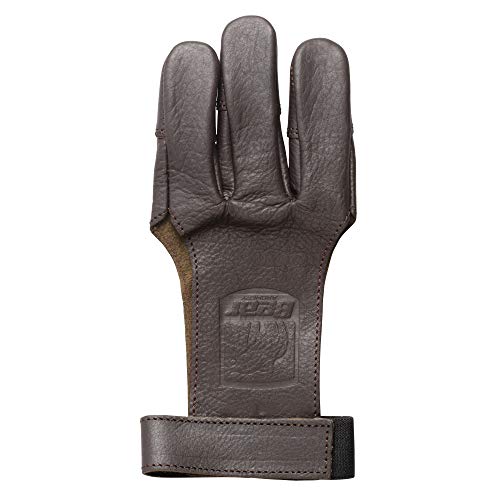
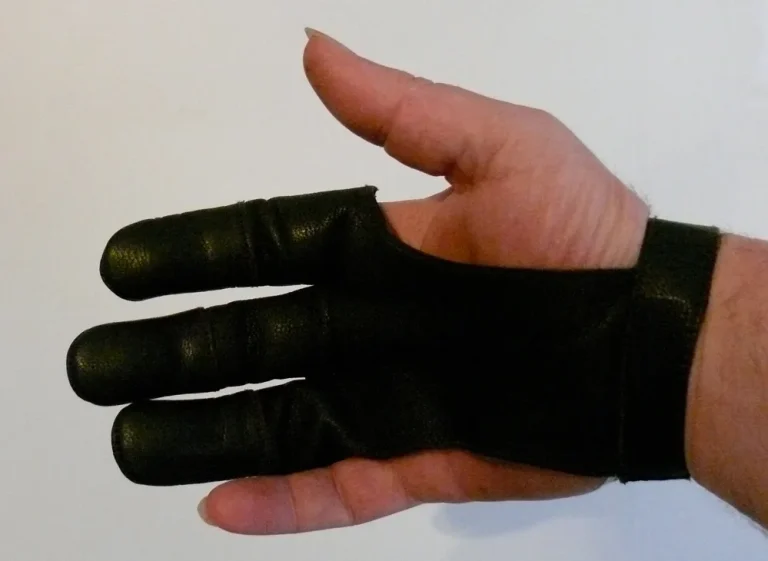
A longer ring finger shifts where the stall ends, where the seam sits, and how pressure builds at full draw. A shorter ring finger can leave slack in the stall, which feels loose even when the rest of the glove fits. The ring finger matters because it often sits on the string side under the most repeatable load.
How a longer ring finger changes stall length and seam contact
If the ring finger is longer than the index and middle fingers, the glove can feel short even when the palm size is correct. The fingertip may press into the end seam, and the top seam can ride across the finger pad at anchor. That creates rubbing during repeated shots.
How a shorter ring finger can leave slack that affects feel
A shorter ring finger can leave a soft pocket at the fingertip. That sounds harmless, but extra space can let the finger move inside the stall as the string loads. The result is less tactile feedback, especially on recurve and longbow releases where finger contact matters.
Why this matters at anchor and full draw
Draw-hand glove fit affects both contact and repeatability. If the ring finger crowds the glove, the hand may drift while settling into anchor. If the finger floats inside the stall, the release can feel vague. In both cases, the glove can disturb a consistent face reference.
What you’ll need
- A tape measure or ruler
- The glove you plan to use
- Your usual finger tape or bandages, if you shoot with them
- A mirror, phone camera, or short video setup for checking anchor
- Size chart from the glove maker
- Optional leather conditioner for minor softening
Measure your hand before you judge the glove
- Measure hand length from wrist crease to middle fingertip.
- Measure hand width across the knuckles, excluding the thumb.
- Compare ring-finger length with the index and middle fingers.
- Record which finger is longest, and by how much in millimeters.
- Check the glove stall length against that longest finger first.
Start with the size chart, then let the ring finger make the final call. Hand width matters because a glove that is too narrow can pull the finger stalls out of alignment. A glove that fits width but misses finger length usually needs a different cut, not just a larger size.
A common mistake is buying for palm width alone. Suppose the hand width matches a medium glove, but the ring finger is 8 mm longer than the middle finger. The glove may close, yet the ring stall will sit too short and rub at the seam every time the string loads.
Should the ring finger sit at the fingertip?
The ring finger should reach close to the fingertip seam without being driven hard into it. A gap of about 3 to 6 mm is often usable on many leather gloves, especially if the leather is supple. More than that can reduce feel; less than that can create pressure, curl, or creasing at the tip.
What a correct fingertip fit feels like
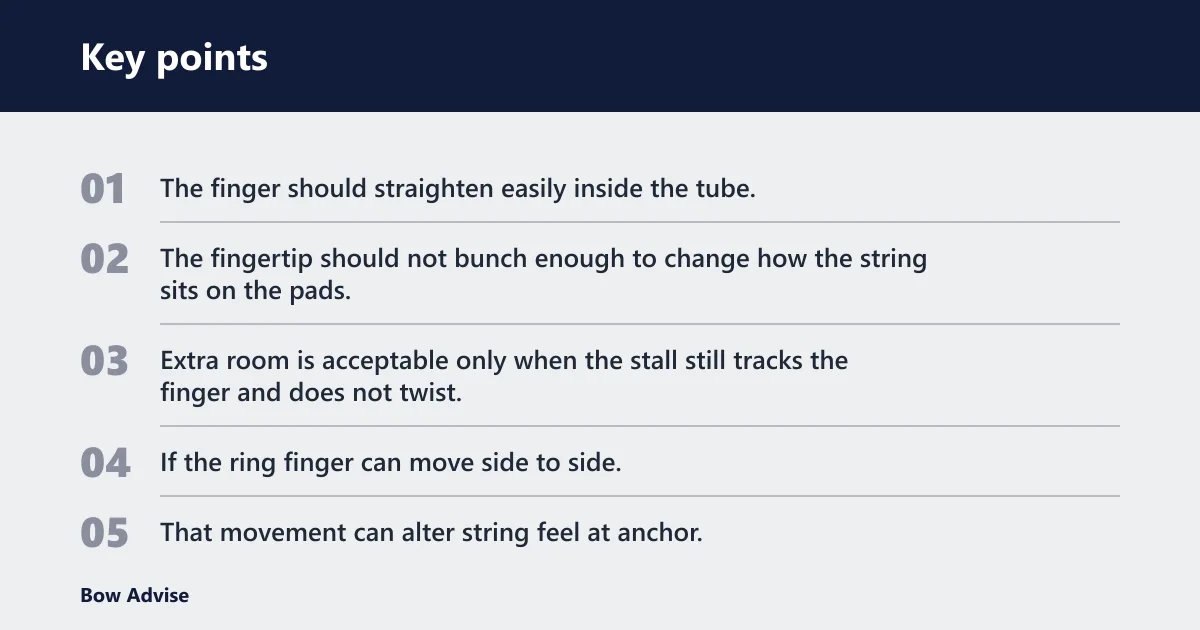
The stall should feel shaped, not crushed. The finger should straighten easily inside the tube, with no hard fold at the end and no pull at the base knuckle. The fingertip should not bunch enough to change how the string sits on the pads.
How much extra room is still usable?
Extra room is acceptable only when the stall still tracks the finger and does not twist. If the ring finger can move side to side, the glove may still be too long even if the tip is not tight. That movement can alter string feel at anchor.
When fingertip pressure means the glove is too short
Sharp pressure at the fingertip seam, a curled nail line, or a crease that forms right at the end of the stall means the glove is too short for that finger. Leather stretch may ease it slightly, but a gross mismatch usually stays a mismatch.
What if one finger feels tight?
Check the exact pressure point first. A tight fingertip usually means length is short. A tight side seam points to stall shape or seam placement. A tight base knuckle often means the glove is too narrow through the finger root, not just too short in the finger length.
Separate seam rub from pure length mismatch
Seam rub feels like a line of pressure on the top or side of the ring finger. Length mismatch feels like end pressure at the fingertip. Those two problems need different fixes. Seam rub may improve with conditioning or a different seam layout; end pressure usually needs a larger or differently cut stall.
Decide whether tape, sizing, or a different cut is the better fix
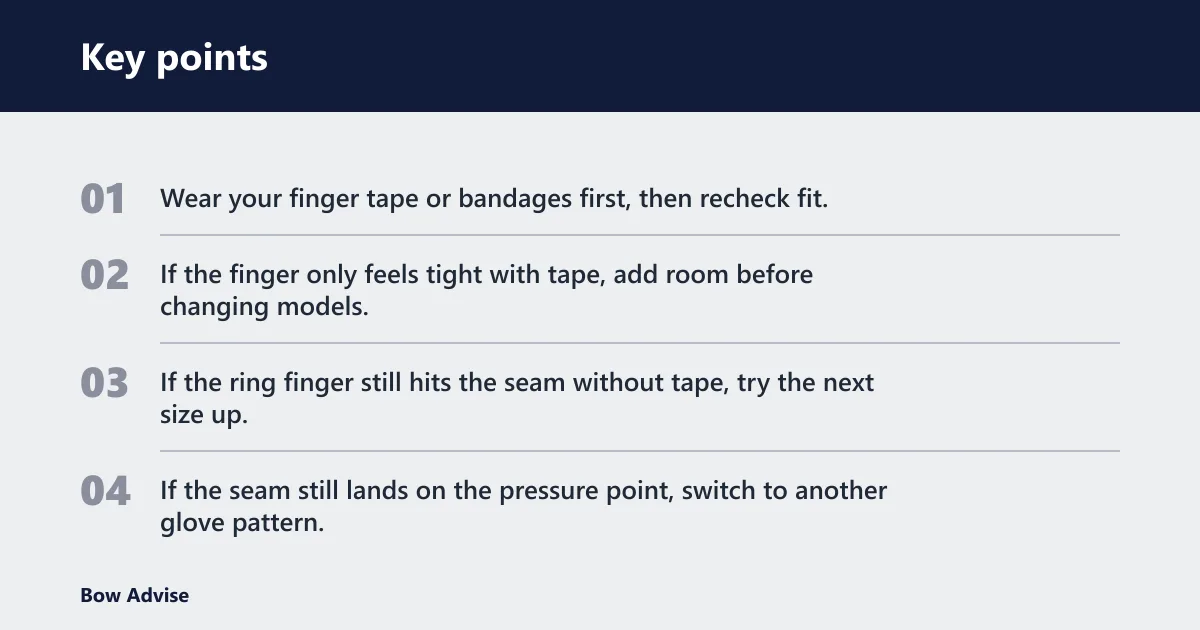
- Wear your finger tape or bandages first, then recheck fit.
- If the finger only feels tight with tape, add room before changing models.
- If the ring finger still hits the seam without tape, try the next size up.
- If the seam still lands on the pressure point, switch to another glove pattern.
For example, a medium glove may fit bare fingers, but a taped ring finger can feel compressed at the seam. The glove is not suddenly wrong; the added bulk changed the fit. In that case, a wider or longer finger stall is the real fix, not more break-in.
How much stretch should you expect?
Leather archery gloves can gain a little usable room as they break in, but the amount depends on thickness and tanning. That stretch can help a borderline ring-finger fit. It will not rescue a stall that is clearly short, and it will not move a seam to a better spot.
What leather stretch can fix
Leather stretch can soften a snug fingertip, reduce stiffness at the base, and ease a slight seam bite. It is most useful when the glove is close already and the problem is comfort rather than geometry.
What leather stretch cannot fix
Leather stretch will not add a full stall length in any reliable way. If the ring finger is several millimeters short of the fingertip seam, or if the finger bends because the stall is too narrow, the glove size is off.
Why synthetic gloves need a tighter initial match
Synthetic materials usually change shape less than leather. That means the first fit needs to be closer on length, width, and seam placement. If the ring finger is already tight in a synthetic glove, do not expect much correction from use.
Glove fit decision matrix
| Ring-finger mismatch | Seam pressure location | Material | Best next move |
|---|---|---|---|
| 0 to 3 mm short or long | No seam rub | Leather | Keep the glove |
| 3 to 6 mm short | Light fingertip pressure | Leather | Condition or soften the stall, then retest |
| More than 6 mm short | Fingertip or base knuckle pinch | Leather or synthetic | Size up |
| Any mismatch with seam rub on the ring finger | Top or side seam | Leather | Switch model |
| Any mismatch plus tape or bandages under the glove | Tight at fingertip and seam | Synthetic | Abandon this cut and choose a different handwear pattern |
If that didn’t work, try this next
- Keep the glove if the ring finger reaches near the tip and the seam stays quiet at anchor.
- Condition or soften the stall if the glove is leather and the fit is only slightly short.
- Size up if the ring finger is clearly compressed or the base knuckle pulls.
- Switch model if the seam lands on the pressure point even after sizing up.
- Abandon this cut if tape, bandages, or hand width keep the ring finger crowded.
How to fit an archery glove if your ring finger is longer than the others
Choose the size by the ring finger, then confirm that the seam does not press on the top of the finger at full draw. If the ring finger reaches the end cleanly with a few millimeters to spare, the glove is usable. If it forces the stall to curl, move up or change the cut.
Adjust the fit in small steps
- Test the glove with your usual draw-hand position.
- Check the ring finger first, then the index and middle fingers.
- If the ring finger is only slightly tight, condition the leather and retest after about 1 mm to 2 mm of softening at most.
- If the seam still presses at anchor, size up or switch models.
How to fit an archery glove if your ring finger is shorter than average
A shorter ring finger should not leave enough slack for the stall to twist or fold. The goal is a close, stable fit with no loose pocket at the tip. If the finger floats inside the stall while the other fingers fit well, the glove may need a narrower pattern rather than a different size.
Make sure the shorter finger still tracks the stall
- Pull the glove on with the hand fully relaxed.
- Open and close the hand three times.
- Check whether the ring finger shifts or the stall bunches at the tip.
- If the stall twists, try a different glove model before sizing up.
Common mistakes
- Counting on break-in to solve a large ring-finger mismatch.
- Ignoring seam placement and only checking fingertip length.
- Buying by hand width alone and leaving finger length as an afterthought.
- Forgetting to retest with finger tape or bandages in place.
- Accepting a loose ring-finger stall that shifts at anchor.
How to tell whether fit affects release and anchor consistency
Use a mirror or short video and check whether the drawing hand lands in the same place each time. If the glove crowds the ring finger, anchor may drift as the hand searches for space. If the stall is too loose, the release can feel delayed or vague because the finger moves inside the glove.
Archery glove checklist
- Ring finger reaches near the fingertip seam.
- No hard crease at the fingertip.
- No pull at the base knuckle.
- Seam does not press on the ring finger at anchor.
- Finger tape or bandages still leave room for clean movement.
- Draw-hand position feels repeatable on three slow holds.
Fit the glove with tape or bandages on from the start. That keeps you from buying a glove that feels fine bare-handed but turns tight the first time protective wrap is added.
Frequently asked questions
How do I fit an archery glove if my ring finger is longer than the others?
Fit to the ring finger first, then check seam placement at full draw. If the fingertip sits within about 3 to 6 mm of the end and the seam stays off the pressure point, the size is workable. If the stall curls or pinches, move up or change model.
How do I fit an archery glove if my ring finger is shorter than average?
Choose a stall that stays stable without extra slack at the tip. The ring finger should not slide around or twist inside the glove. If the fit is loose only on that finger, a different cut with a narrower stall is usually better than a larger size.
Should the ring finger sit at the fingertip or leave extra room in an archery glove?
A slight amount of extra room is acceptable, but the finger should still track the stall closely. About 3 to 6 mm is a practical buffer for many leather gloves. More room can reduce feel, while less room can create pressure and crease the tip.
What should I do if one finger in my archery glove feels tight while the others fit?
Identify whether the tightness is at the fingertip, side seam, or base knuckle. If tape or bandages are involved, retest with them on. For fingertip pressure, size up; for seam rub, switch models; for a narrow root, choose a different cut.
Can I alter an archery glove finger length without ruining the fit?
Minor conditioning, careful seam softening, and limited trimming can help if the glove is close already. Large alterations usually upset the stall shape and anchor feel. If the fit needs more than a small correction, a different size or pattern is safer.
How much stretch should I expect from leather archery gloves?
Only a modest amount. Leather can soften and gain a little usable room, but it should not be treated as a fix for a clearly short stall. If the ring finger is already tight before break-in, leather stretch will not solve the size problem.
Is it better to size up for long ring fingers or choose a different glove model?
Size up only when the glove is close and the ring finger is just short. If the seam still rubs, the stall twists, or the finger tape makes the fit worse, a different model is the better choice. Pattern matters as much as size.
How do I stop a glove finger seam from rubbing on my ring finger?
First check whether the seam is landing on the top or side of the finger at anchor. If it is, try a leather conditioner and retest. If the rub remains after a small softening step, move to a glove with a different seam layout or finger shape.